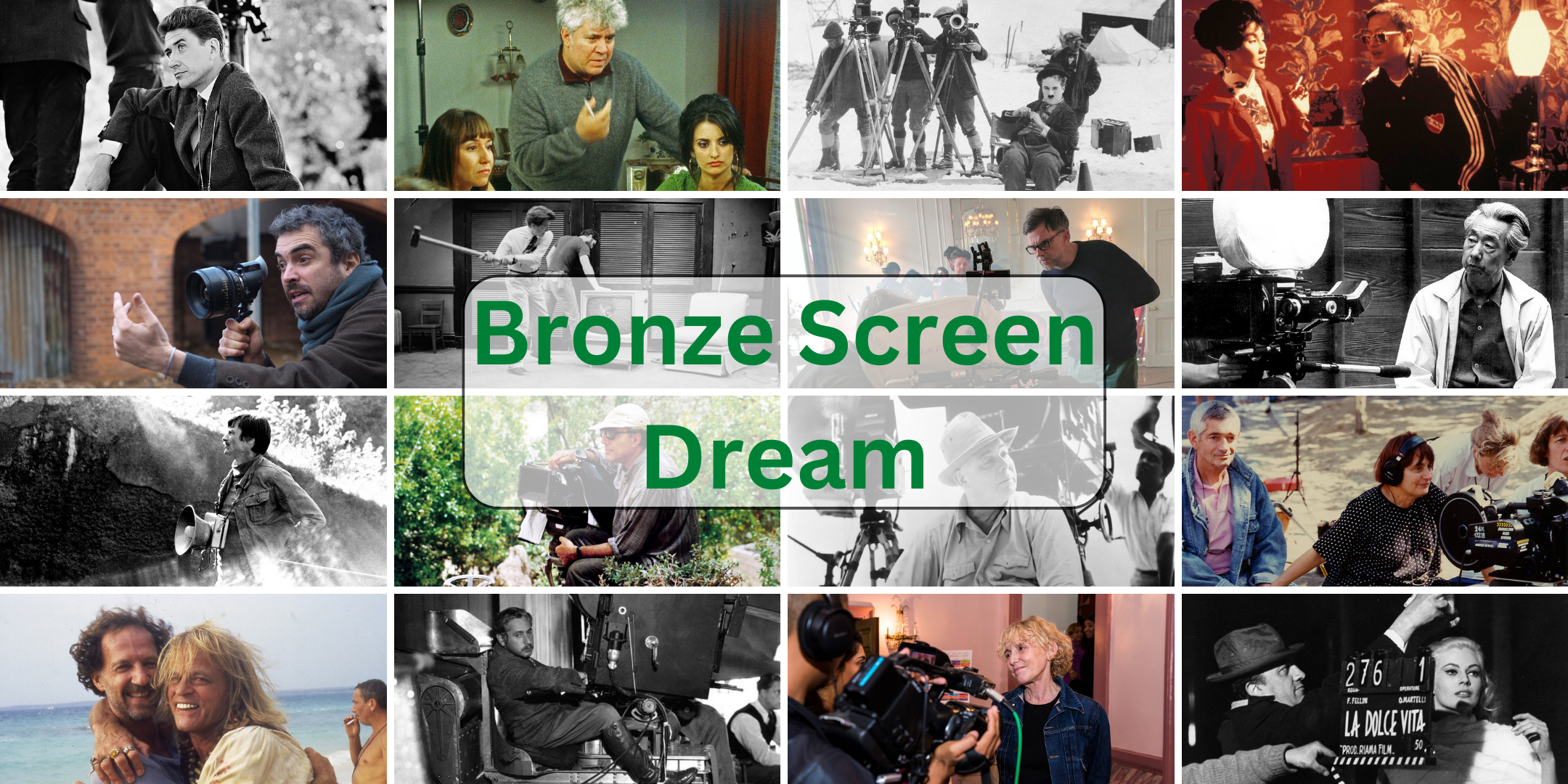

Maurice Tourneur was a figure in early silent cinema whose oeuvre is best recognised for its innovative use of lighting, atmospheric effects, and meticulously crafted sets, offering audiences a poetic and visually mesmerising cinematic experience.
Tourneur began his career in France, but it was in the United States that he truly made his mark, joining the migration of European artists in that direction. He introduced a sense of European sophistication to American cinema, often contrasting the mundane with the mystical. Films like The Blue Bird showcased this duality, weaving fantasy with realism and using elaborate sets to create dreamlike worlds. Another recurring theme in his work was the portrayal of strong, independent women, as exemplified in Trilby. Tourneur’s approach to filmmaking was characterised by his deep appreciation for literature and art, which translated into his ability to adapt complex narratives into the visual medium of film. This often resulted in movies that were not only visually compelling but also rich in story and character.
The visual style of Maurice Tourneur set him apart from many of his contemporaries. He had a penchant for shadows and soft focus, lending his films an ethereal quality. Tourneur was also a pioneer in using natural locations, breaking away from the confines of studio sets. This lent a touch of realism to his otherwise fantastical narratives. His commitment to the artistic elements of filmmaking often led him to clash with producers who prioritised commercial aspects, but over time, Tourneur’s influence became evident. Critics and audiences alike came to admire his unique cinematic voice, recognising the depth and beauty he brought to the silver screen.

Maurice Tourneur (1876 – 1961)
Calculated Films:
- The Poor Little Rich Girl (1917)
- The Blue Bird (1918)
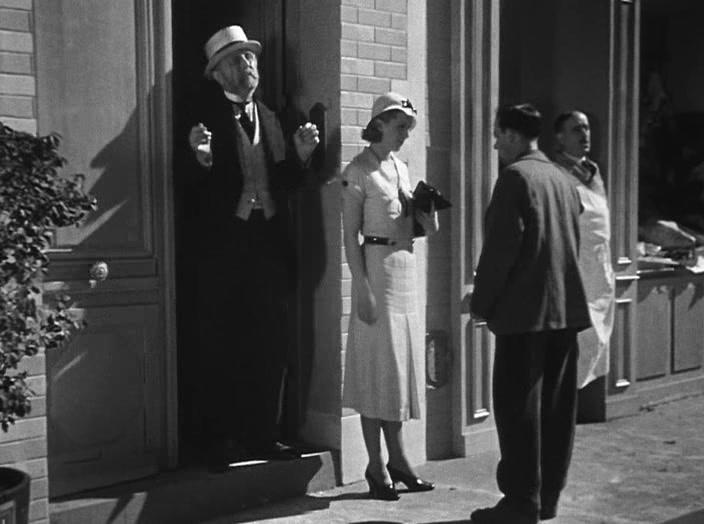
- Carnival of Sinners (1943)
Similar Filmmakers
- Abel Gance
- Albert Capellani
- Alice Guy-Blache
- Allan Dwan
- Benjamin Christensen
- Cecil B. DeMille
- D.W. Griffith
- Ernst Lubitsch
- F.W. Murnau
- Fritz Lang
- Germaine Dulac
- Herbert Brenon
- Jacques Feyder
- Jean Epstein
- Louis Feuillade
- Reginald Barker
- Rex Ingram
- Victor Sjostrom


Maurice Tourneur’s Top 5 Films Ranked
1. Carnival of Sinners (1943)
Genre: Low Fantasy, Drama, Supernatural Horror

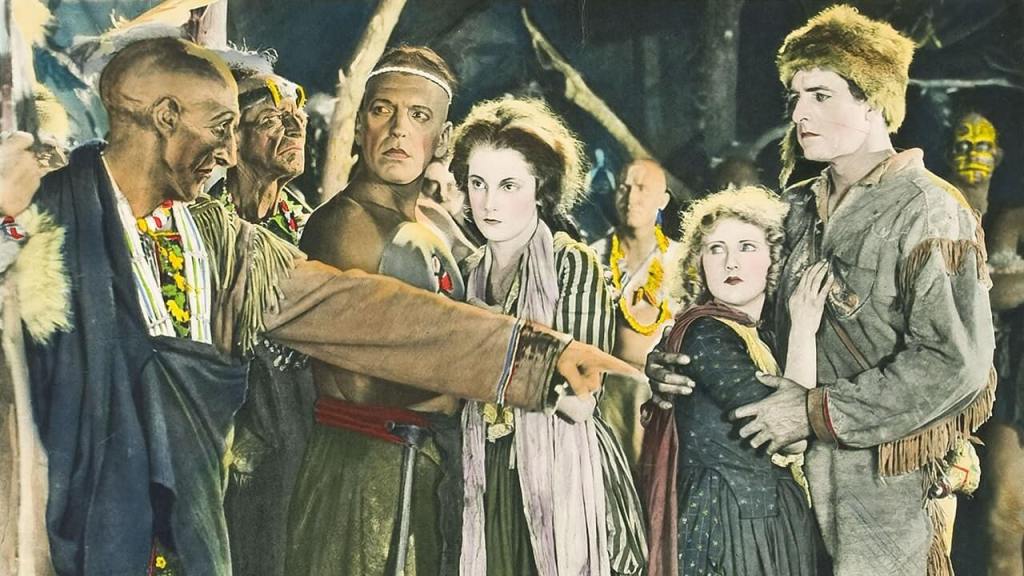
2. The Last of the Mohicans (1920)
Genre: Adventure, Period Drama, Romance
3. The Blue Bird (1918)
Genre: Fairy Tale

4. The Poor Little Rich Girl (1917)
Genre: Drama, Comedy, Melodrama, Low Fantasy

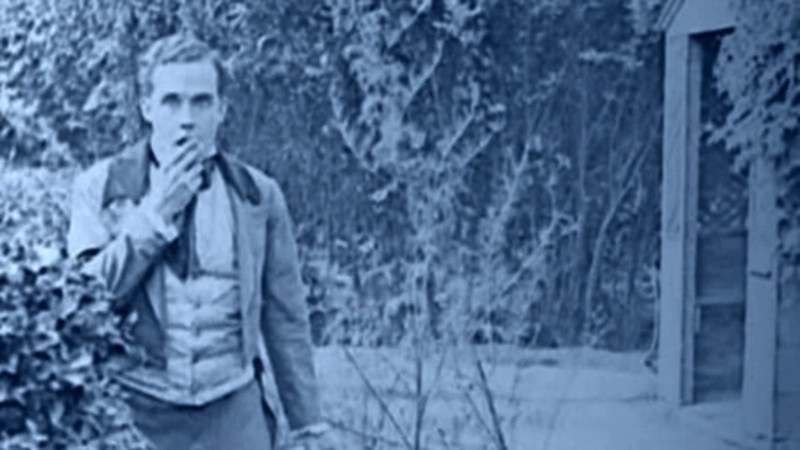
5. The Wishing Ring: An Idyll of Old England (1914)
Genre: Comedy, Romantic Comedy, Melodrama
Maurice Tourneur: Themes and Style
Themes:
- Fantasy and Imagination: Tourneur often dipped into the world of fantasy. Films like The Blue Bird showcase a dream-like narrative, allowing audiences to escape reality and delve into imaginary realms.
- Societal Constraints: In many of his films, Tourneur explored societal norms and restrictions. The Poor Little Rich Girl revolves around the life of a young girl constricted by her societal stature and the expectations surrounding her.
- Nature vs. Civilisation: Works like Victory not only exemplify the beauty of the natural world but also draw contrasts between the raw nature and the bounds of civilisation.
- Cultural Encounters: Several of his films, such as Alias Jimmy Valentine, depict characters crossing paths with diverse cultural backgrounds, exploring the nuances and dynamics of such encounters.
Styles:
- Visual Poeticism: Tourneur had a penchant for creating visually poetic scenes. His sets, lighting, and compositions worked harmoniously, setting the stage for cinematic visual poetry.
- Theatrical Adaptations: Many of Tourneur’s films are adaptations of popular plays of the time. His direction in films like Treasure Island showcases a dramatic style, maintaining the essence of the source material while adapting it for the silver screen.
- Use of Shadows: Influenced by German Expressionism, Tourneur employed shadows to create mood and tension. This can be notably seen in The Last of the Mohicans, where shadows play a significant role in setting the tone.
- Symbolic Imagery: Tourneur often incorporated symbolic elements into his films. Objects, characters, or even settings carried deeper meanings, adding layers to the narrative.
Directorial Signature:
- Collaboration with Clarence Brown: Tourneur’s collaboration with assistant director Clarence Brown in his early films resulted in a perfect blend of their respective strengths, yielding some of the most iconic films of the era.
- Sophisticated Set Designs: Tourneur’s sets were meticulously crafted, often showcasing grandeur and detail. This was not just limited to grand sets; but even the most modest scenes were detailed and rich in design.
- Emphasis on Atmosphere: For Tourneur, the atmosphere was pivotal. Whether it was a haunting forest in The Last of the Mohicans or a dreamy setting in The Blue Bird, the mood was always palpable.
- Narrative Depth: Tourneur’s films often transcended simple storytelling. They delved deeper, touching upon philosophical and introspective themes, compelling the audience to think and introspect.
Maurice Tourneur – Great Director


 Bronze Screen Dream