
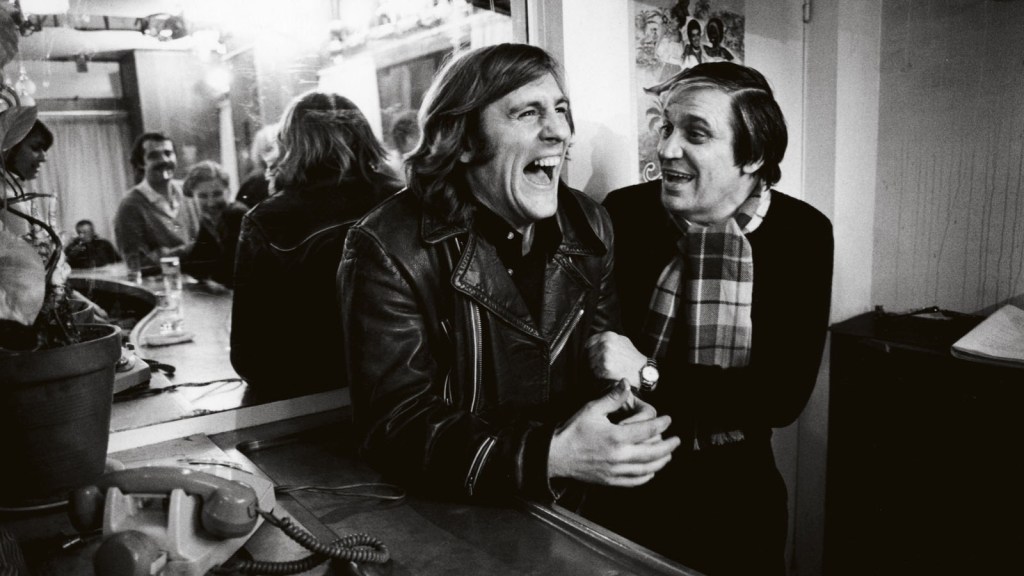
Maurice Pialat, an influential figure in French cinema, is known for his unflinching depiction of everyday life, infused with a realist aesthetic. His films, like A Nos Amours, Under the Sun of Satan, and Van Gogh, are praised for their emotional intensity and focus on character, making him a distinctive voice in the film industry.
Pialat came to filmmaking from painting and initially worked on documentaries before directing his first feature, Naked Childhood. His cinematic vision has always been rooted in his unique understanding of the human condition, reflected in his work’s raw emotional themes and conflicts. His narratives often focus more on character than plot, exploring the complexities of human behaviour and relationships with unyielding honesty.
His distinctive visual style derives from a realist aesthetic, where he captures the nuances of life in a direct, unvarnished way. Autobiographical elements are common in his films, as he draws from his life experiences to inform the emotional truths of his narratives. His film Naked Childhood, for instance, is said to be semi-autobiographical, depicting a troubled childhood similar to his own. Further enhancing the authenticity and immediacy of his work, Pialat frequently worked with non-professional actors, lending a palpable rawness to his films.
Pialat’s filmmaking is noted for its unpredictability. He often deviated from conventional storytelling, surprising audiences with sudden emotional shifts and narrative turns. This quality and his commitment to emotional intensity can make his films both challenging and rewarding for viewers. Despite being divisive among audiences, his work has received significant critical acclaim. His film Under the Sun of Satan won the prestigious Palme d’Or at the Cannes Film Festival, a testament to his impact on the cinematic landscape.
Pialat’s approach to filmmaking has significantly influenced French cinema and inspired directors worldwide. His raw, naturalistic style resonates in the works of filmmakers such as Abdellatif Kechiche and the Dardenne Brothers. Even internationally, his influence can be seen in directors like Martin Scorsese, who has spoken about his admiration for Pialat’s work.

Maurice Pialat (1925 – 2003)
Calculated Films:
- Love Exists (1960)
- Naked Childhood (1968)
- Le Maison des Bois (1971) TV
- We Won’t Grow Old Together (1972)
- The Mouth Agape (1974)
- Graduate First (1978)
- A Nos Amours (1983)
- Van Gogh (1991)
Similar Filmmakers


Maurice Pialat’s Top 10 Films Ranked
1. Naked Childhood (1968)
Genre: Coming-of-Age, Drama
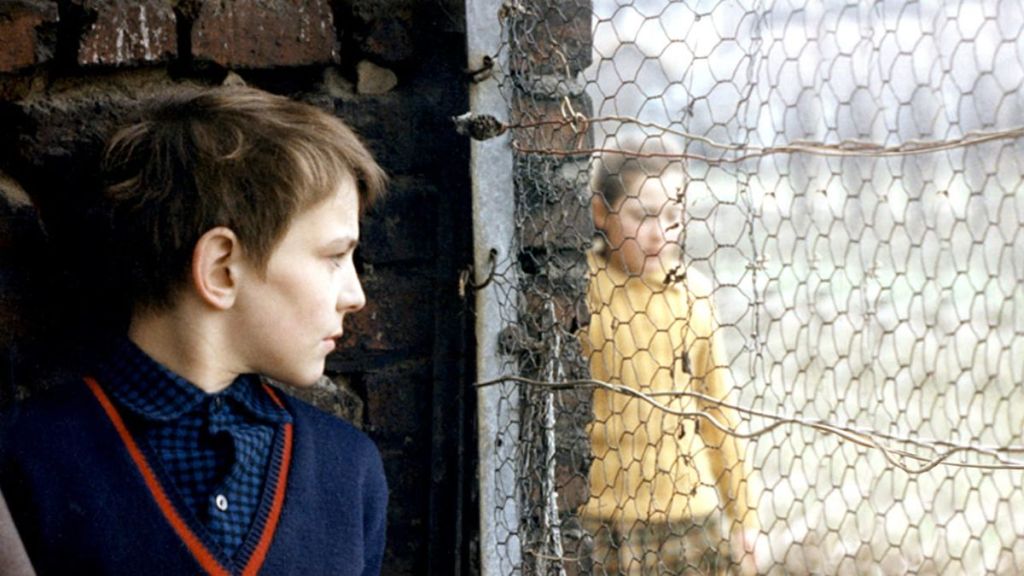
2. A Nos Amours (1983)
Genre: Coming-of-Age, Drama, Family Drama

3. We Won’t Grow Old Together (1972)
Genre: Drama

4. The Mouth Agape (1974)
Genre: Drama

5. The House in the Woods (1971)
Genre: TV, Drama

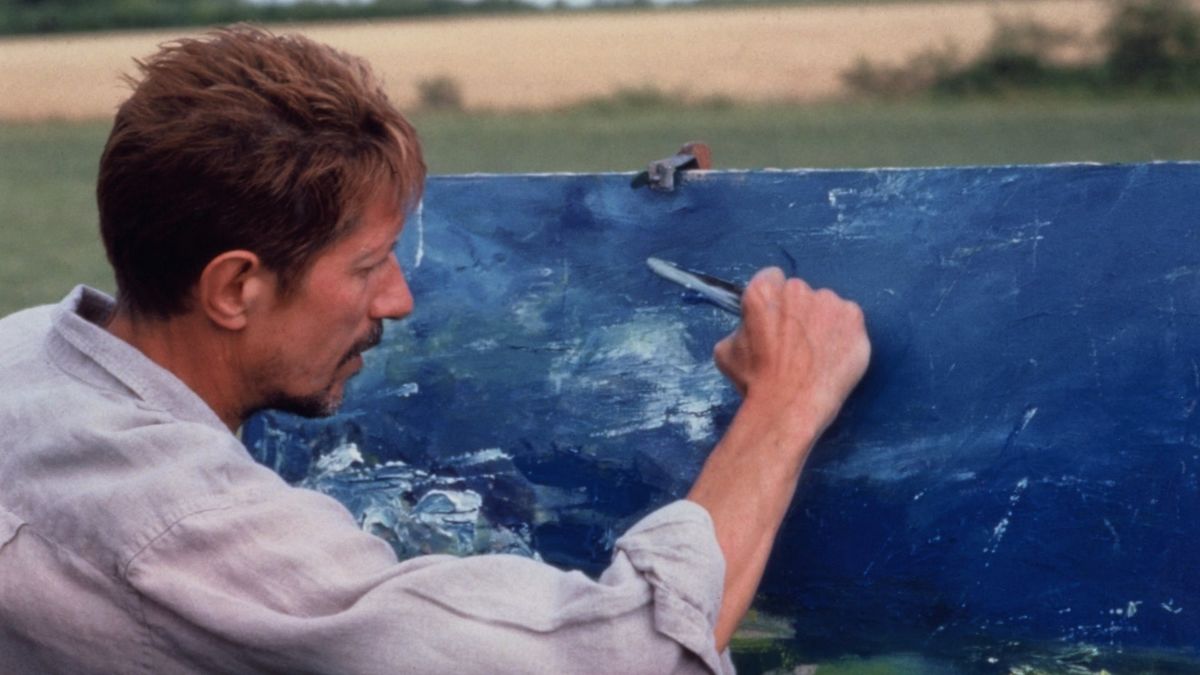
6. Van Gogh (1991)
Genre: Biographical
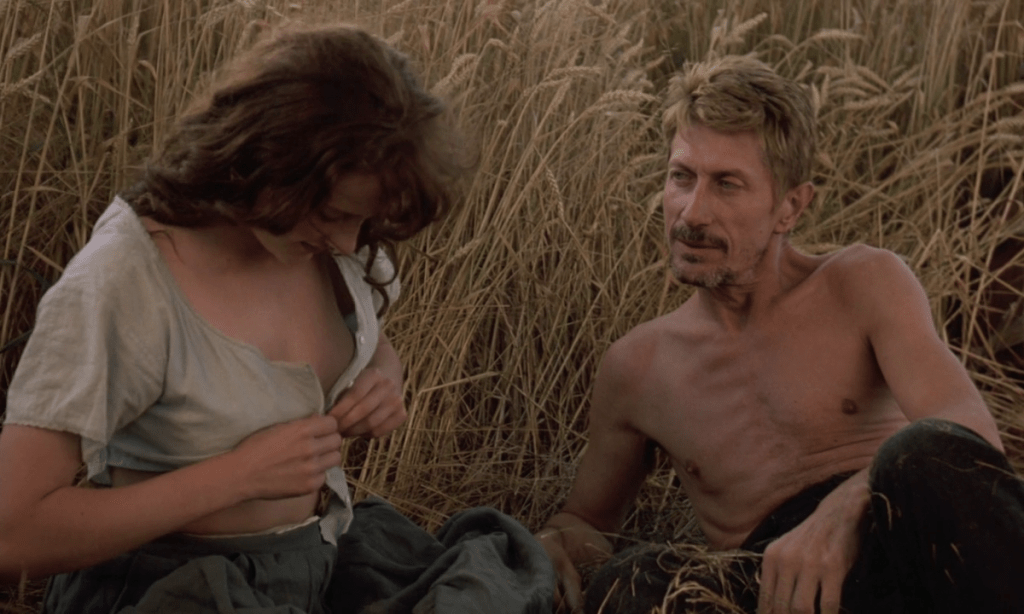
7. Love Exists (1960)
Genre: Documentary, Essay Film

8. Loulou (1980)
Genre: Romance, Drama

9. The Son Of… (1995)
Genre: Drama, Slice of Life, Family Drama

10. Under The Sun Of Satan (1987)
Genre: Drama, Psychological Drama, Religious Film

Maurice Pialat: Themes and Style
Themes:
- Realism and Raw Emotion: Pialat’s films are renowned for their unflinching realism and emotional depth. He was deeply interested in portraying life’s complexities, often focusing on relationships, personal struggles, and intimate human experiences.
- Disintegration of Family: Family dynamics and conflicts are central to many of his works. He scrutinises the conventional family structure, exploring themes of disintegration, strain, and familial bonds.
- Loneliness and Alienation: Characters in Pialat’s films often grapple with feelings of isolation, loneliness, and alienation, struggling to connect with others and find their place in the world.
- Human Imperfection: Pialat had a keen eye for human imperfections and frailties. His characters are deeply flawed and complex, making them relatable and authentically human.
- Love and Relationships: Romantic relationships and love are frequent themes, depicted in a raw and unidealised fashion, often illustrating the pain, joy, and uncertainty that accompany intimate connections.
Styles:
- Naturalistic Style: His directorial style is noted for its naturalism. Pialat often employed non-professional actors, used natural light, and shot on location to create a sense of authenticity and immediacy in his films.
- Improvisational Approach: Pialat was known for encouraging improvisation. He often worked without a traditional screenplay, allowing the actors to explore their characters and situations freely, which resulted in spontaneous and unpredictable performances.
- Visual Minimalism: His visual style tends towards minimalism. Pialat often used static or handheld camera work with long takes, avoiding excessive stylisation in favour of focusing on the actors and the narrative.
- Disruptive Editing: Pialat employed a unique editing style that often disrupts the traditional flow of scenes. He frequently used jump cuts and abrupt transitions to create a disjointed yet emotionally coherent narrative structure.
- Emotional Intensity: Despite his films’ apparent simplicity, Pialat’s work is characterised by an undercurrent of intense emotion conveyed through the performances, dialogue, and visual composition.
Directorial Signature:
- Authenticity: Pialat sought to capture the essence of real life in his films. His commitment to authenticity, both in performances and visual style, sets his work apart. This authentic portrayal allows audiences to engage deeply with the characters and their stories.
- Ambiguity: His films often resist clear moral or emotional categorisation. Pialat embraces ambiguity, allowing viewers to interpret the characters and their actions, fostering a sense of complexity and depth in his narratives.
- Auteur Approach: Pialat is often considered an auteur director due to his unique, identifiable style and thematic concerns. He maintained creative control over his projects, ensuring that his vision was realised with integrity and consistency.
- Character Focus: Pialat’s films are character-driven, focusing on the internal lives of his protagonists. He crafts nuanced, detailed character studies that illuminate the human condition’s complexity and diversity.
- Unsentimentality: While his films are emotionally charged, Pialat avoids sentimentality. He presents life’s joys and pains without manipulation or exaggeration, allowing the narrative and performances to speak for themselves.
Maurice Pialat – The 210th Greatest Director


 Bronze Screen Dream