
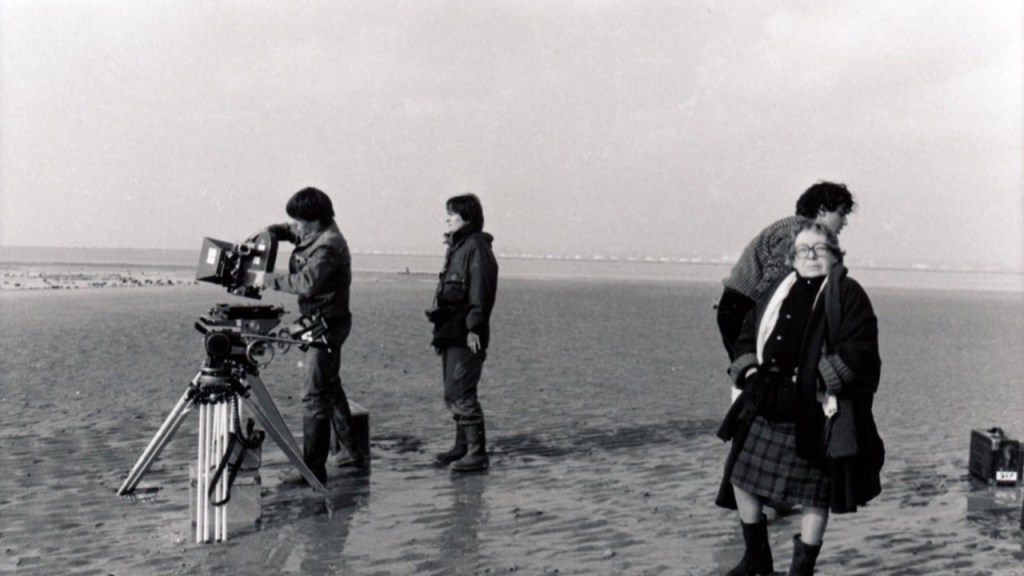
Marguerite Duras was a prominent French filmmaker best known for her groundbreaking work in cinema. Duras, an accomplished playwright and novelist, lent a unique literary sensibility to her films. Her notable films like Hiroshima mon amour (which she wrote but didn’t direct) and India Song are lauded for their intricate narrative structures, dreamlike qualities, and exploration of memory and desire, effectively shattering traditional cinematic conventions.
Duras’ filmography is a rich tapestry of recurring themes and motifs that engage with the complexities of human emotions and experiences. Her films frequently explored themes of love, memory, and the passage of time, underpinned by a distinctly feminist perspective. Her innovative use of voice-over and nonlinear narratives, such as in Hiroshima mon amour, blurred the lines between past and present, fact and fiction, creating an immersive and introspective cinematic experience. Her approach to filmmaking was often experimental, employing minimalistic settings, extensive use of silence, and an emphasis on spoken word rather than visual spectacle, which contributed to her work’s poetic and contemplative aura.
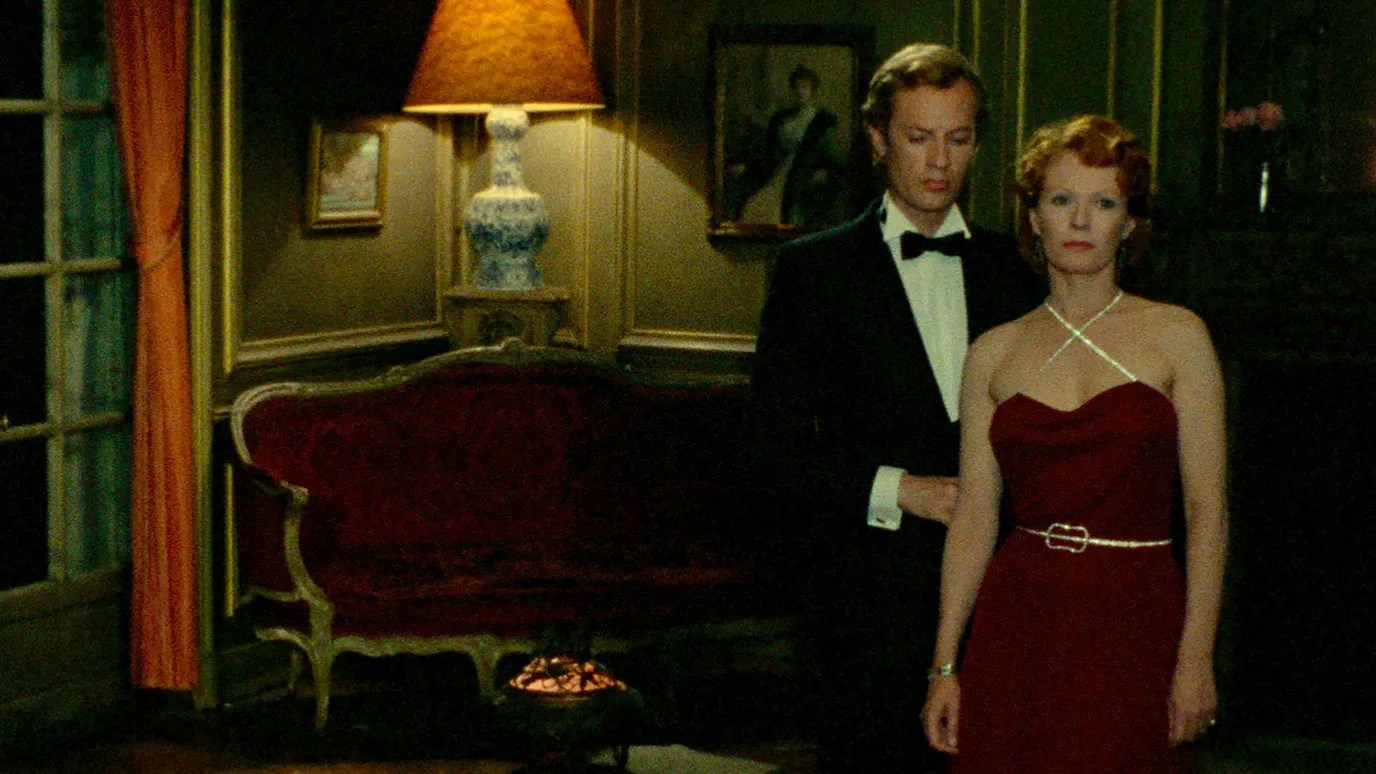
Regarding visual style, Duras demonstrated a fondness for static, carefully composed frames that echo the stillness and solitude present in her narratives. Her work often rejected conventional cinematography in favour of a more meditative and reflective style, as seen in India Song, which added to the enigmatic charm of her films. Duras’ influence on cinema has been profound, with her experimental approach pushing the boundaries of cinematic language and form. Through her films, she paved the way for more introspective, subjective, and nonlinear storytelling techniques, challenging conventional narrative structures.

Marguerite Duras (1914 – 1996)
Calculated Films:
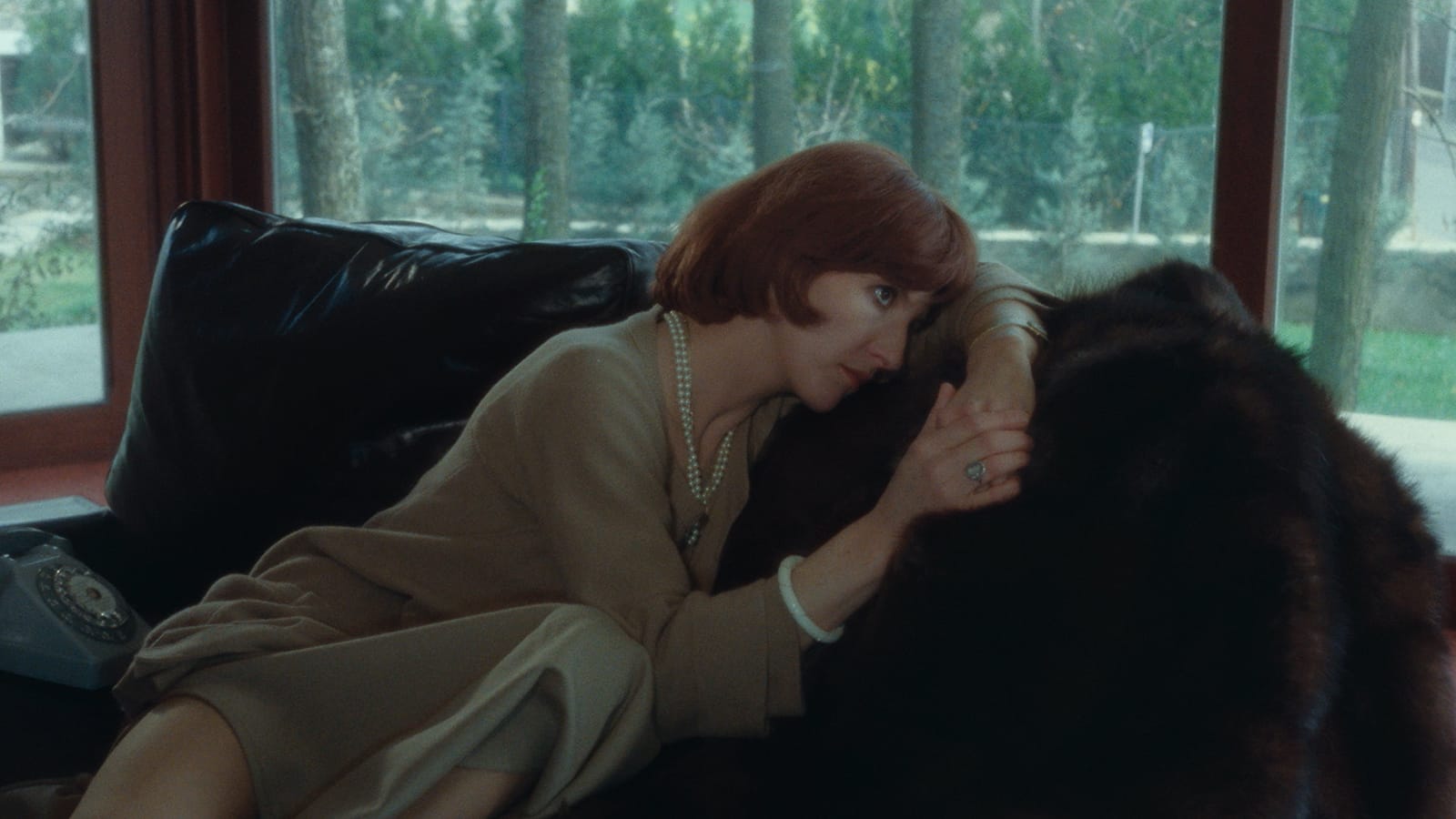
- Nathalie Granger (1972)
- India Song (1975)
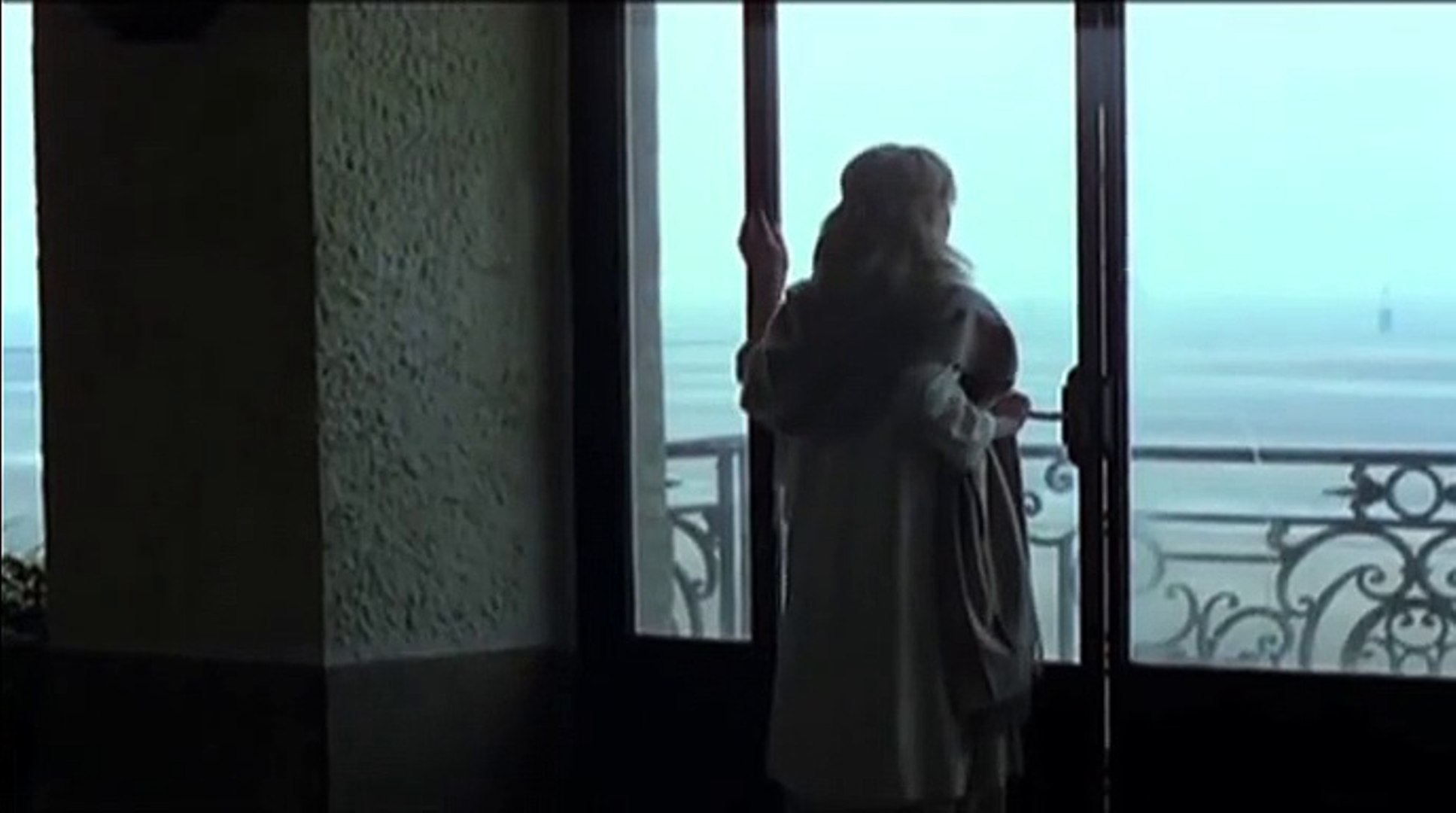
- L’homme atlantique (1981)
Similar Filmmakers
- Lucrecia Martel
- Marcel Hanoun
- Margarethe von Trotta
- Michelangelo Antonioni
- Sally Potter
- Ulrike Ottinger
Marguerite Duras‘ Top 5 Films Ranked
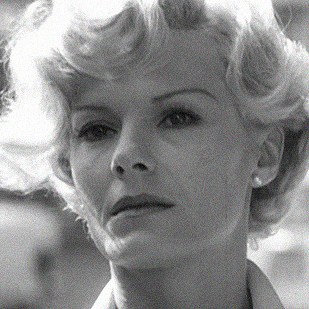
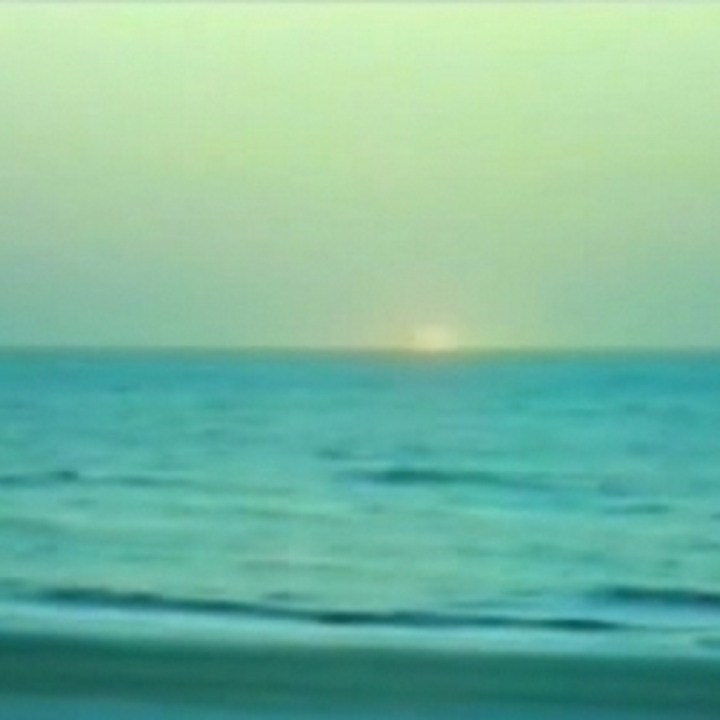
1. L’homme atlantique (1981)
Genre: Essay Film

2. Son nom de Venise dans Calcutta désert (1976)
Genre: Essay Film, Romance, Chamber Film
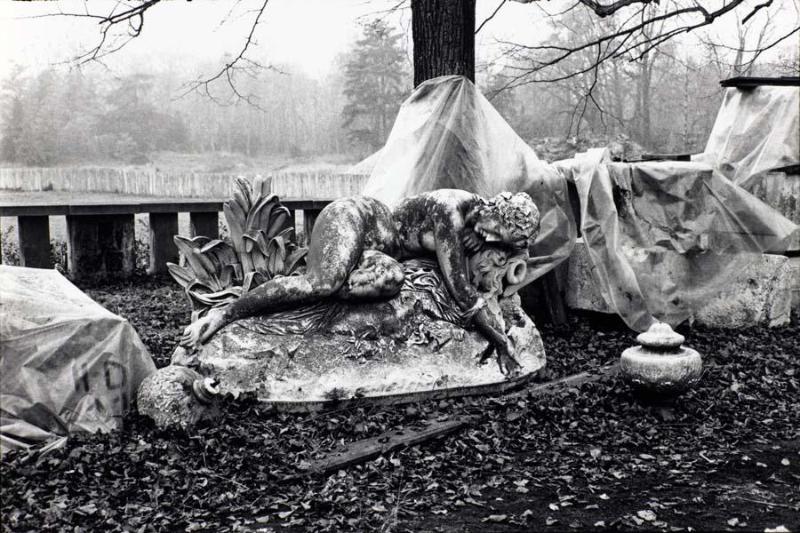
3. Le Musica (1967)
Genre: Psychological Drama
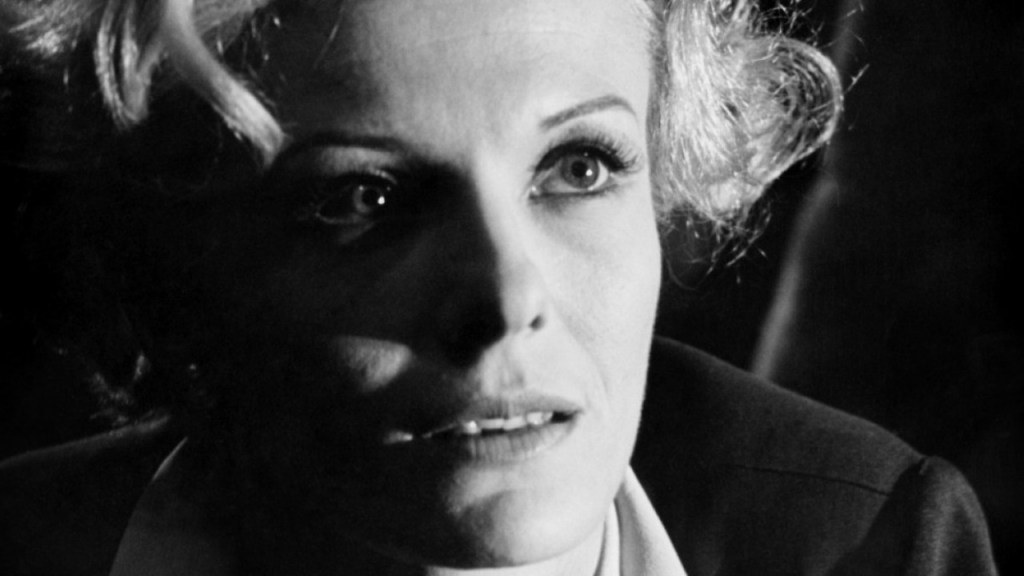
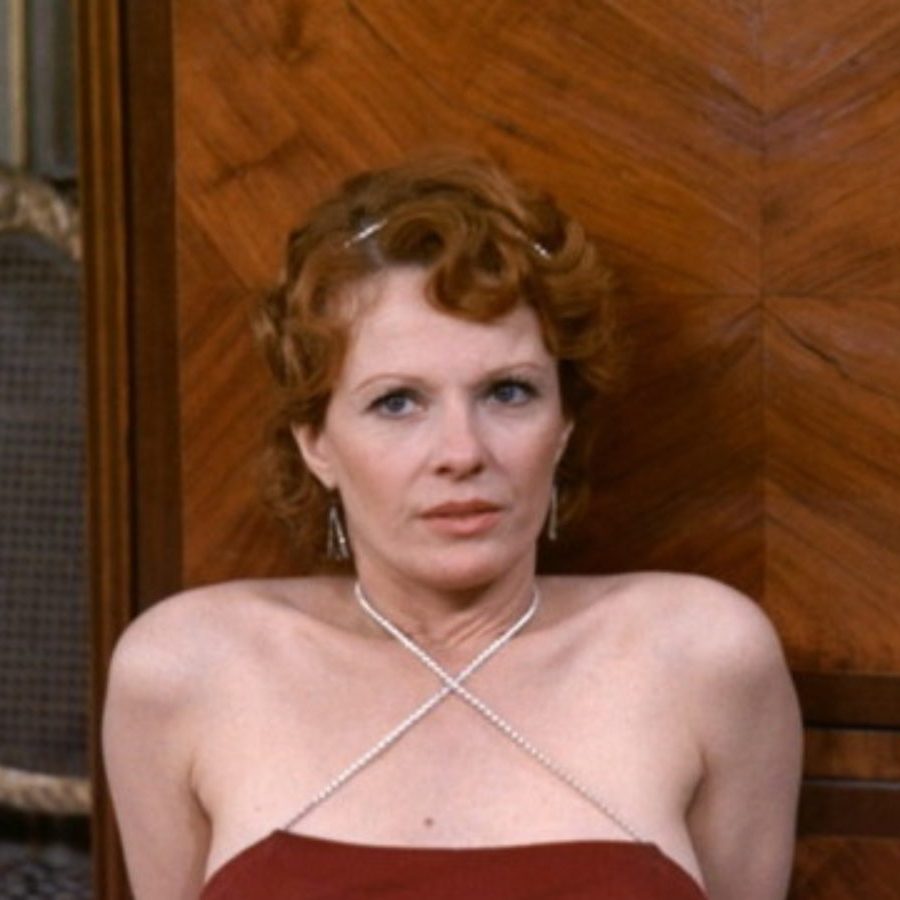
4. India Song (1975)
Genre: Romance, Slow Cinema, Chamber Film
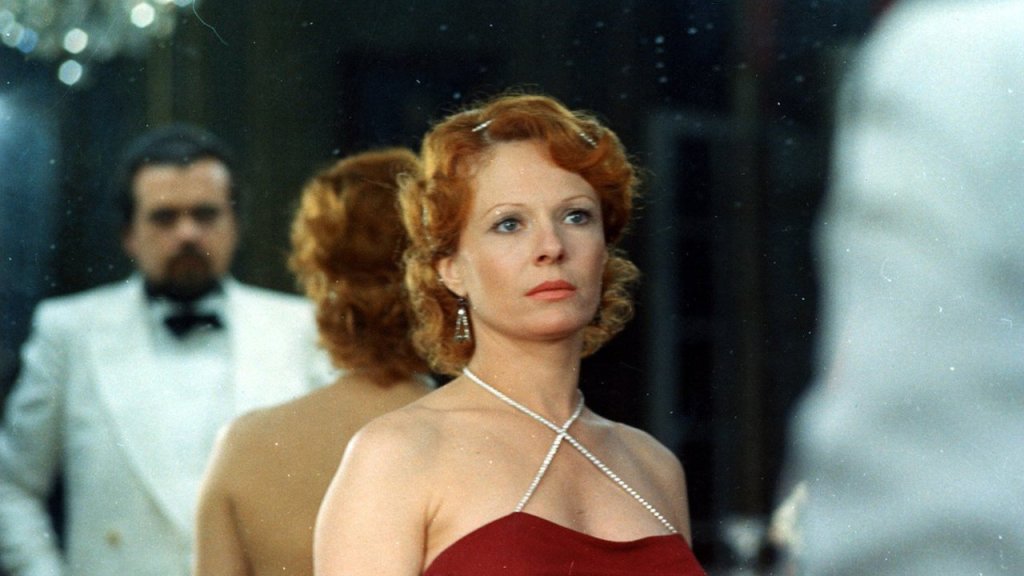
5. Agatha et les lectures illimitées (1981)
Genre: Essay Film, Romance, Chamber Film
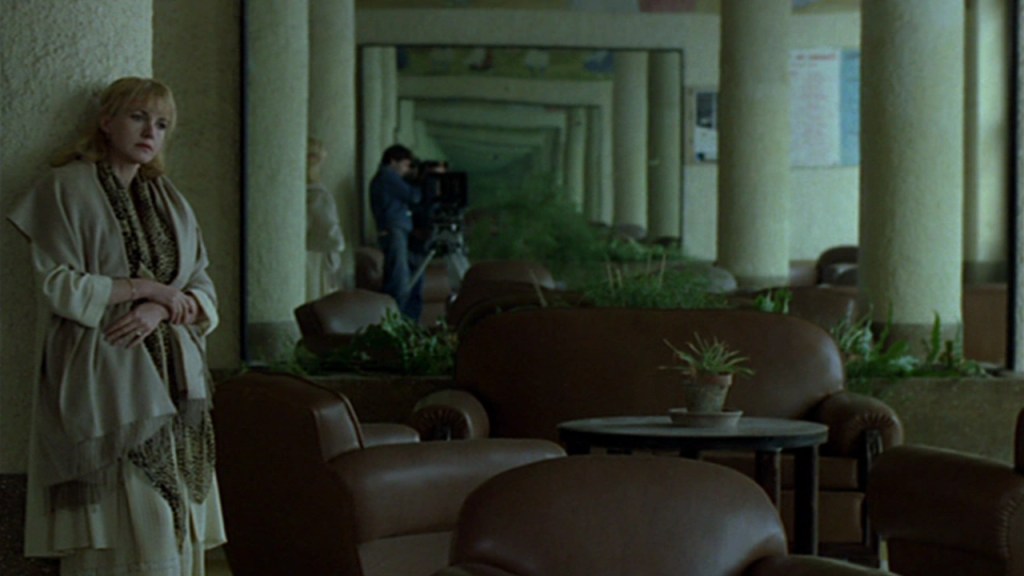
Marguerite Duras – The Filmmaking Author
Marguerite Duras, born on April 4, 1914, in Saigon, French Indochina (now Vietnam), was a figure who seemed to dwell in the shadows yet whose voice resonated deep into the mainstream. A writer, filmmaker, and playwright, Duras’ work was a whirlpool of emotion, layered with complexities and contradictions, yet searing in its stark honesty.
Her early life was fraught with hardships. The loss of her father at a young age, the relentless poverty, and the strained relationship with her mother were experiences that seeped into her art, giving it a depth and a rawness that set her apart. Growing up in the crumbling vestiges of colonial Vietnam, Duras was schooled in a blend of cultures, a mixture that would later become a vital part of her artistic identity.
Her foray into literature began in the stormy days of World War II when France was a country torn at the seams. She arrived in Paris to study law but soon found herself drawn into the whirlwind of literary and political circles. Her novel, “Les Impudents,” marked the start of a literary career that would soon eclipse all expectations.
Duras’ prose was a thing of beauty, fierce and unyielding. Whether it was the haunting melancholy of “The Sea Wall” or the aching intimacy of “The Lover,” her works were an unflinching look into the human soul. Her writing wasn’t a mere exercise in storytelling but a revelation, an awakening to the universality of human suffering, desire, and joy.
But what we really care about is cinema, where Duras discovered a new way to express herself. Even in her less-than-stellar debut, La Musica, co-directed with Paul Seban, she finds a way to capture the subtleties of human relationships with a poet’s touch.
Her fascination with the intersection of text and image, voice and silence, led her to craft films that were as much about the unseen as the seen. Destroy, She Said was a testament to Duras’ ability to break the norms to challenge the audience to think and feel in ways that went beyond the traditional cinematic experience.
Even in collaboration with other directors, her voice remained distinct. Her screenplay for Alain Resnais‘s Hiroshima Mon Amour was not some straightforward script; it broke narrative structure, blending past and present, memory and reality, into a seamless whole.
Through the 1960s and 70s, Duras became synonymous with experimental cinema. Her films were not easy to digest; they were long-winded, quiet and bewildering, yet hypnotising. Much like Duras herself, they defied easy categorisation. Although she remains best known as a writer, she has influenced many notable directors, including Chantal Akerman.
As Duras entered the later stages of her career, her artistry seemed to find new avenues of expression, even as her health began to falter. Her filmmaking took on a more reflective quality, an inward, intimate and universal gaze.
Her film, India Song, was a mesmerising blend of imagery and sound, where voices whispered over haunting visuals, creating a dreamscape. Her exploration of themes such as love, memory, and loss continued to be central to her work. Whether it was the intense emotional drama of “The Lover” or the minimalist beauty of Nathalie Granger, Duras’ ability to capture the essence of human emotion remained unparalleled.
The 1980s and 90s saw her experimenting with form and content, creating films like Le Camion and Les Enfants, both personal reflections and broader commentaries on society and culture. Her voice, undiminished by age or infirmity, continued to resonate, challenge, and inspire.
Duras was also a vocal political activist, unafraid to speak her mind, whether it was her involvement with the French Communist Party or her outspoken views on the Algerian War, These things often seeped into her films, making them a deep reflection of her character.
Her later years were marked by illness, and a withdrawal from public life, but her artistic flame never dimmed. Even in her final works, there was a vitality, an urgency that spoke of a spirit unbroken.
Marguerite Duras passed away on March 3, 1996, but her legacy continues to endure. She left behind a body of work that is both timeless and timely, a testament to her unique vision and her unyielding commitment to her art.
She was never easy to pinpoint, always an iconoclast, never simply a writer or a director. She was unbound and relentless, an artist in all senses. Duras’ films will never be featured in mainstream magazines. Still, her works embody the passion of the French New Wave, defiance of structure and mirror humanity’s deepest, darkest and most beautiful secrets.
Most Underrated Film
How do you decide which film is underrated for a director like Marguerite Duras, to whom popularity was never a consideration? Her films are profound explorations, steeped in complexity, and each deserves recognition in its own right. While India Song is generally hailed as one of her best, even it remains under-viewed and unappreciated by a wider audience. This oversight sadly extends to other gems in her filmography.
Nathalie Granger is one such example, a film that embodies Duras’ minimalistic approach and fascination with the intricacies of human interaction. It’s a quiet work, a film where silence speaks volumes, and the mundane becomes profound. Though not as acclaimed as some of her other works, its exploration of domestic life and female identity deserves deeper examination and wider recognition.
What about Son Nom de Venise dans Calcutta désert? Another film that, despite its brilliance, has remained in the shadows. A meditation on longing and memory that echoes in your mind long after the runtime has ended. Similarly, L’homme atlantique is a remarkable endeavour that challenges conventional cinematic norms. Constructed from outtakes of India Song, it’s a testament to Duras’ ability to create art from seemingly nothing, to see beauty in the discarded and overlooked.
The simple answer is that perhaps Duras’ entire filmography is underrated.
Marguerite Duras: Themes & Styles
Themes:
- Human Emotion and Relationships: Duras’ works often explore the depths of human emotion, from love and desire to grief and despair. Her portrayal of relationships is intricate and intense, diving into psychological realms.
- Memory and Time: She is intrigued by how memory shapes identity and how time affects perception. Her films often play with these concepts, presenting non-linear timelines and fragmented recollections.
- Political and Social Commentary: Duras’ political beliefs and the cultural climate of her time significantly influenced her work. She addressed topics like colonialism, war, and gender roles, weaving them into her narratives.
- Existential Questions: Many of her works pose profound existential questions, exploring the human condition and our place in the world. Themes of alienation and existential anxiety recur throughout her films.
Styles:
- Minimalistic Approach: Duras often employed a minimalistic style, utilising sparse dialogue, subtle imagery, and restrained performances. This approach allowed her to convey complexity through simplicity.
- Experimentation with Form: She was unafraid to experiment with film form, using techniques like voiceover narration, visual fragmentation, and the blending of different media. Her films defy conventional structures.
- Ambiguity: Duras often left her narratives open to interpretation, allowing audiences to engage actively with the material. Her ambiguity invites viewers to fill in the gaps, fostering a deeper connection to the work.
- Strong Female Characters: Her films frequently centre around complex female characters, exploring their inner worlds and societal roles. Her portrayal of women is nuanced and revolutionary for her time.
Directorial Signature:
- Interplay of Sound and Image: Duras’ films are known for the evocative interplay between sound and image. Her use of soundtracks, ambient noise, and voiceover narration creates a sensory experience that complements the visual elements.
- Visual Poetry: She had an eye for creating poetic imagery that resonated emotionally. Her films are filled with visual metaphors that extend beyond mere aesthetics, contributing to the thematic richness of her works.
- Literary Influence: As a novelist, Duras brought a literary sensibility to her filmmaking. Her scripts have a rhythmic quality, and her films often feel like visual novels, imbued with the depth and complexity associated with literary works.
- Unconventional Storytelling: Her directorial signature is marked by unconventional storytelling methods that challenge traditional narrative formats. Her willingness to break from the norm and explore new avenues of cinematic expression made her a unique and influential voice in cinema.
Further Readings:
Books:
Marguerite Duras: A Life by Laure Adler – An authoritative biography of Duras.
Marguerite Duras: Writing on the Body by Sharon Willis – Analysis of Duras’ literary and cinematic works.
Articles and Essays:
A Man and a Woman, Say What You Like, They’re Different: On Marguerite Duras by Rachel Kushner, The New Yorker
The Cinema of Marguerite Duras: Multisensoriality and Female Subjectivity by Michelle Royer, Edinburgh University Press
Erosion by Desire: Marguerite Duras’ Self-Adaptations by Danica van de Velde, Senses of Cinema
Documentaries:
Worn Out With Desire To Write (1985), directed by Alan Benson and Daniel Wiles
Marguerite Duras – Great Director

 Bronze Screen Dream