

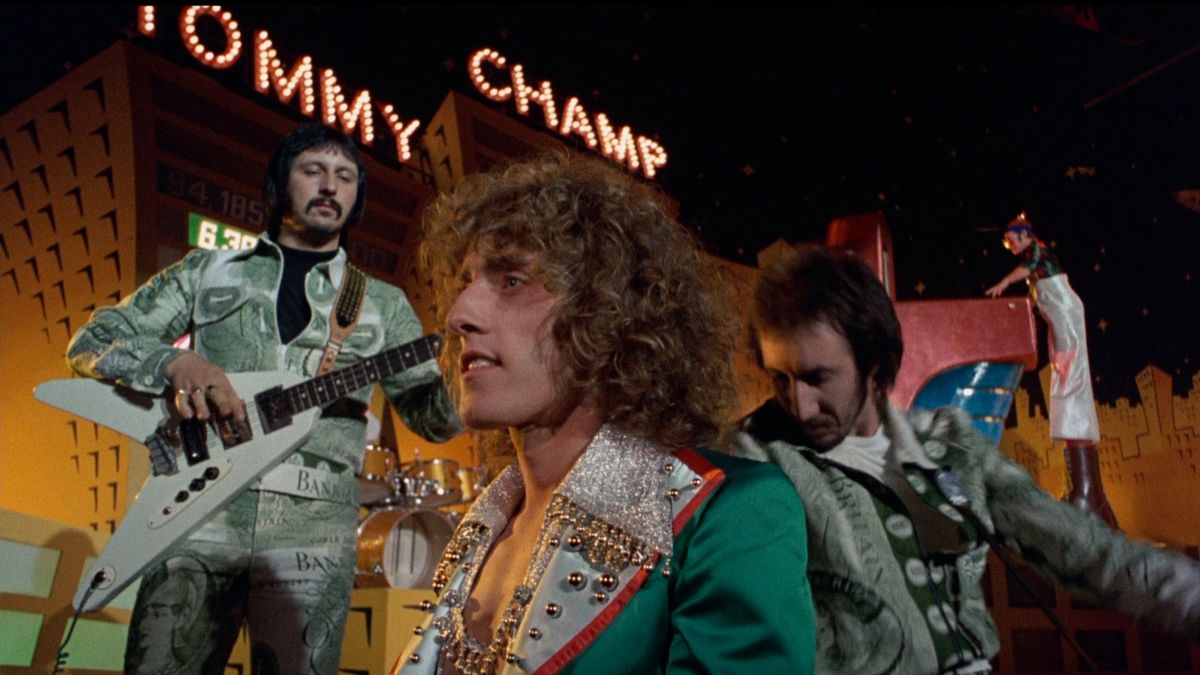
Ken Russell was a British film director celebrated for his passionate, daring, and at times, highly controversial films. Notorious for pushing boundaries, he was a provocateur who often explored the intersection of high art and popular culture in his films. From composing visual symphonies of music and fantasy in Tommy and The Music Lovers to the psychological horror of The Devils, Russell carved out a unique place in British and international cinema for his audacious cinematic style and subject matter.
Russell’s films often bristled with an undercurrent of raw, unfiltered energy, and his depiction of historical figures and artists was always layered with his unique interpretive vision. In Gothic and Lisztomania, Russell’s exploration of the Romantic movement is a clear example of his tendency to disregard conventional narrative techniques in favour of crafting hallucinatory, dream-like sequences. He had a penchant for showcasing the turbulent inner lives of his characters, often using avant-garde elements to break away from traditional biographical narratives.
Russell’s approach was marked by a relentless commitment to his artistic vision, even in the face of significant controversy. He never shied away from pushing boundaries, which often resulted in films that were polarising and complex. His influence on cinema is evident in how subsequent directors have embraced unconventional storytelling methods and stylistic excesses to create immersive, visually striking narratives. Despite the contention surrounding his work, there is no denying that Russell’s audacious approach to filmmaking carved a path for more unconventional and audacious films in British cinema.
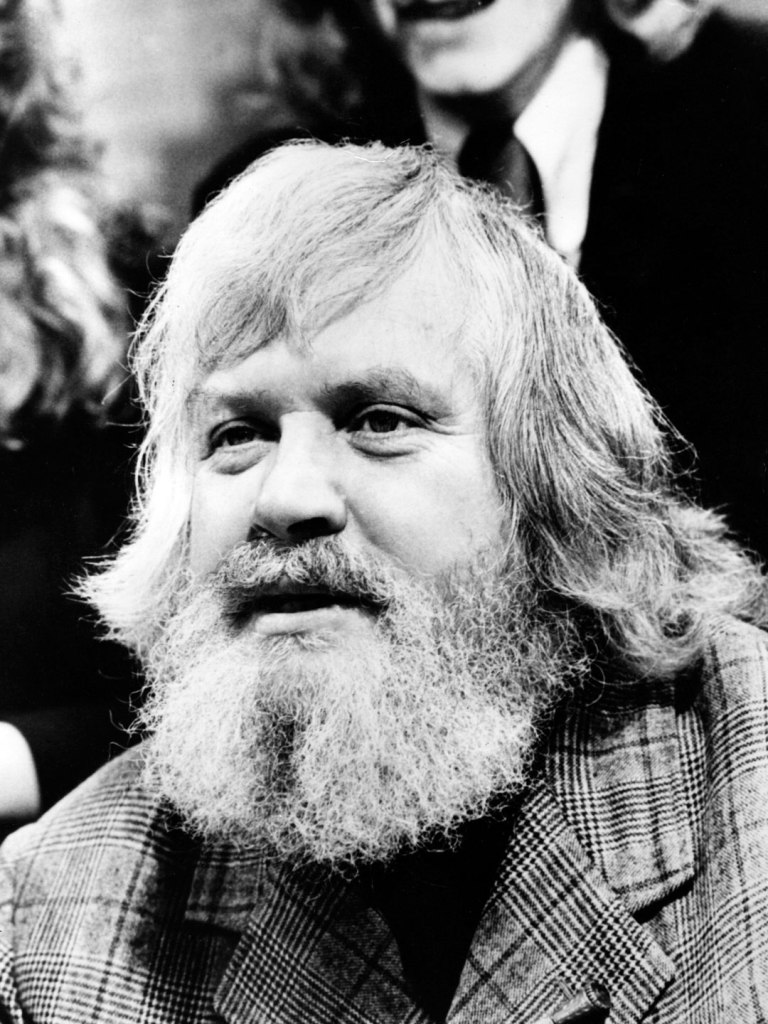
Ken Russell (1927 – 2011)
Calculated Films:
- The Devils (1971)
Similar Filmmakers
- Gaspar Noe
- Lars von Trier
- Lindsay Anderson
- Michael Powell & Emeric Pressburger
- Milos Forman
- Nicolas Roeg
- Peter Greenaway
- Peter Medak
- Pier Paolo Pasolini
- Radley Metzger
- Stanley Kubrick
- Walerian Borowczyk



Ken Russell’s Top 5 Films Ranked
1. The Devils (1971)
Genre: Period Drama

2. Women In Love (1969)
Genre: Drama, Romance
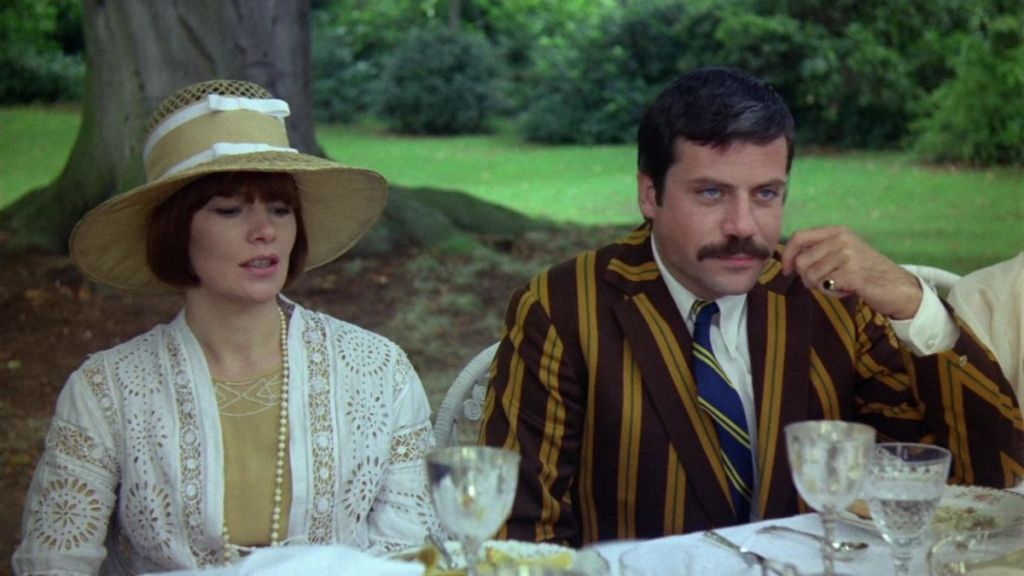
3. Mahler (1974)
Genre: Biographical, Surrealism, Music

4. The Music Lovers (1971)
Genre: Biographical, Music
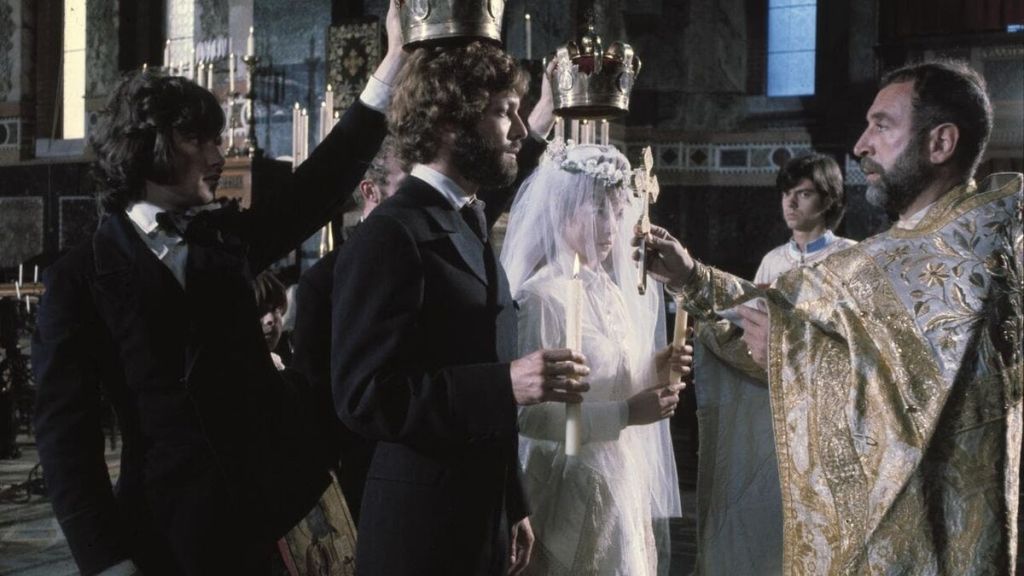
5. Altered States (1980)
Genre: Sci-Fi, Body Horror, Psychological Horror

Ken Russell: Themes and Style
Themes:
- Biographical Works: Russell was particularly noted for his biographical films, often focusing on artists, composers, and other historical figures. Through these biographies, he explored themes of genius, madness, and the intersection between the two.
- Eccentric and Flamboyant: His films are renowned for their extravagant and flamboyant style, capturing attention with their audacious visuals and provocative thematic content. Russell’s work often pushes against societal norms and expectations.
- Religious Imagery and Conflict: Russell frequently explored religious themes, employing heavy religious imagery and addressing issues of faith, doubt, and the struggle between the spiritual and the carnal. His handling of religious subjects was often controversial and provocative.
- Sexual Liberation and Exploration: Russell’s films often delve into human sexuality, exploring themes of sexual repression, liberation, and the complicated dynamics between sexuality and power. These explorations are presented in visually lavish and symbolically rich ways.
Styles:
- Visual Extravagance: Russell is famous for his visually stunning and often extravagant set pieces. His films are characterised by a bold use of colour, elaborate costumes, and surreal designs that create an overpowering visual experience for the audience.
- Theatricality: His films often blur the line between cinema and theatre, employing a high degree of theatricality in performances, set design, and framing. This style creates a dream-like, sometimes nightmarish atmosphere that is distinctively “Russell.”
- Operatic Qualities: Many of Russell’s films have an operatic quality, with grand emotions, dramatic visuals, and often, an integration of music that is deeply woven into the narrative and emotional fabric of the film.
- Non-Linear Narratives: Russell often employs non-traditional, non-linear narrative structures in his films. Flashbacks, fantasies, and dream sequences are seamlessly integrated into the storytelling, creating a fluid and sometimes disorienting experience for the viewer.
Directorial Signature:
- Provocative and Controversial: Russell was not afraid to court controversy with his films. Whether through explicit sexual content, blasphemous imagery, or simply through challenging societal norms, his movies often provoked discussion and sometimes outrage.
- Mixture of Realism and Fantasy: Russell’s directorial approach seamlessly blends realism with fantasy, often within the same scene or sequence. This blend creates a unique and unmistakable visual language that is instantly recognisable as his own.
- Homage to Classic Cinema: While pushing the boundaries of cinema, Russell’s work often pays homage to classic films and filmmakers. His movies are thus deeply rooted in the tradition of cinema while also being innovative and forward-looking.
Ken Russell – Great Director



 Bronze Screen Dream