

Julien Duvivier, a French director and screenwriter, is revered for his atmospheric films, complex character portrayals, and genre diversity. Known for classics like Pepe le Moko and The Golem, Duvivier’s diverse filmography spans dramas, comedies, and crime thrillers. His knack for creating films with a distinctive mood and tone, coupled with his ability to adapt literary works for the screen, sets him apart in the pantheon of cinema.
Before his rise to prominence, Duvivier initially worked in theatre, which shaped his understanding of character development and narrative structure. His early career also paved the way for collaborations with some of the most prominent actors of his time, including Jean Gabin and Michel Simon. These collaborations and his keen understanding of human nature allowed him to craft complex characters with profound psychological depth.
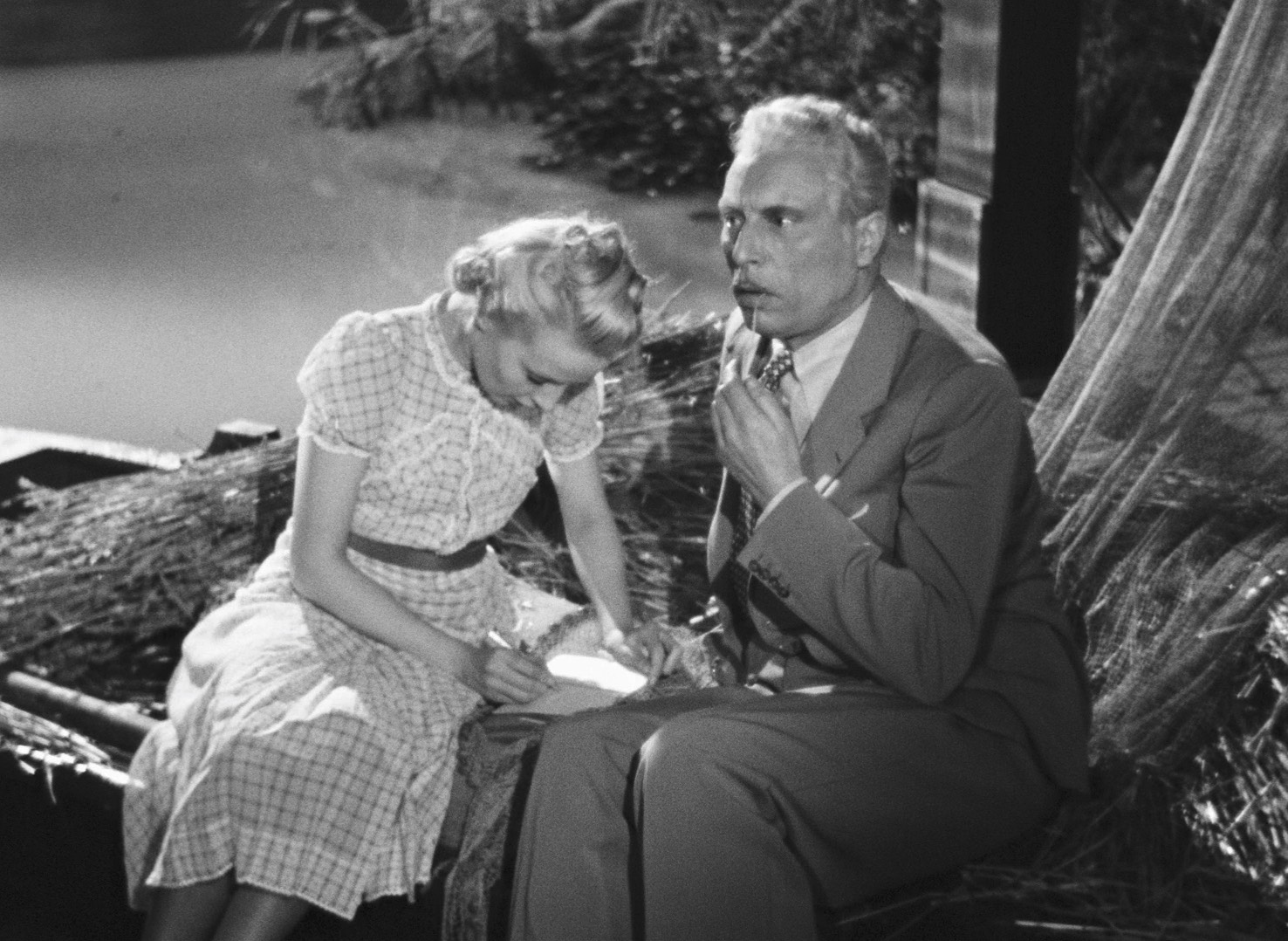
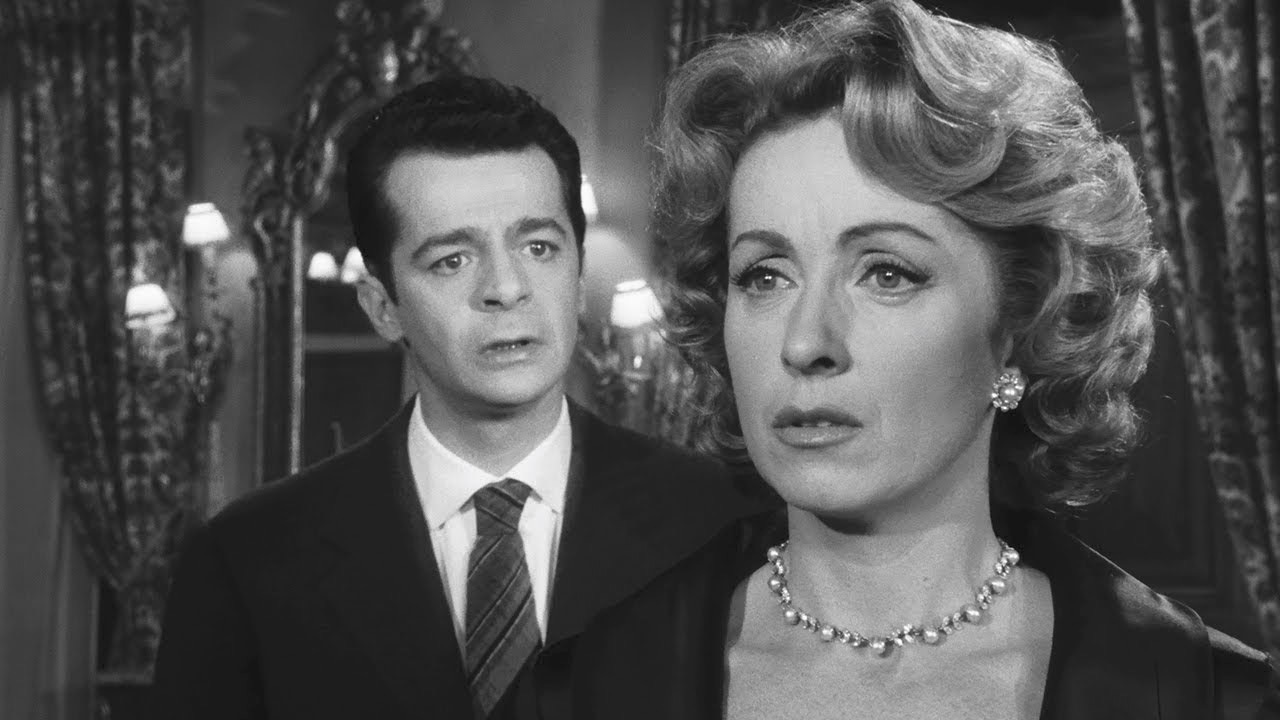
Duvivier’s visual style combined elements of French poetic realism with innovative camera work and editing techniques. He had a particular talent for utilising lighting, set designs, and location choices to bolster the overall atmosphere of his films. This visual style, when paired with his complex characters, resulted in films that were visually engaging and emotionally resonant.
Duvivier is celebrated for his unique contributions to cinematic storytelling and aesthetics. His profound influence can be seen in how he straddled various genres, his nuanced character explorations, and his distinctive visual style. Duvivier’s legacy continues to influence filmmakers, demonstrating the timeless appeal of his approach to cinema. His mastery in translating literary works to the silver screen has also set a high bar for film adaptations.
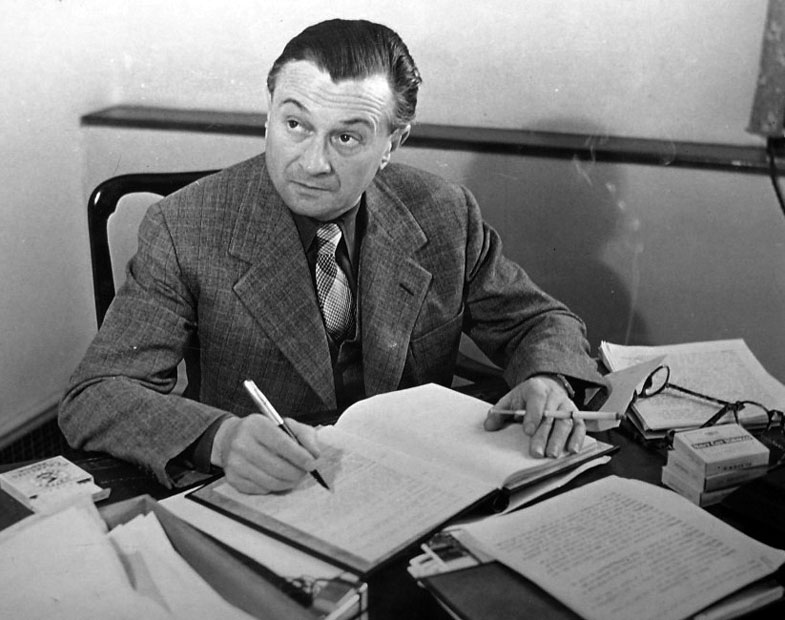
Julien Duvivier (1896 – 1967)
Calculated Films:
- Au Bonheur des Dames (1930)
- Poil de Carotte (1932)
- La Tete du homme (1933)
- La Belle Equipe (1936)
- Un Carnet de Bal (1937)
- Pepe Le Moko (1937)
- Panique (1946)
- Don Camillo (1952)
Similar Filmmakers
- Andre Cayatte
- Claude Autant-Lara
- Henri-Georges Clouzot
- Henri Verneuil
- Jacques Becker
- Jacques Feyder
- Jean Gremillion
- Jean Renoir
- John Cromwell
- Leonide Moguy
- Marcel Carne
- Marcel Pagnol
- Max Ophuls
- Michael Curtiz
- Rene Clair
- Rene Clement
- Robert Siodmak
- Sacha Guitry
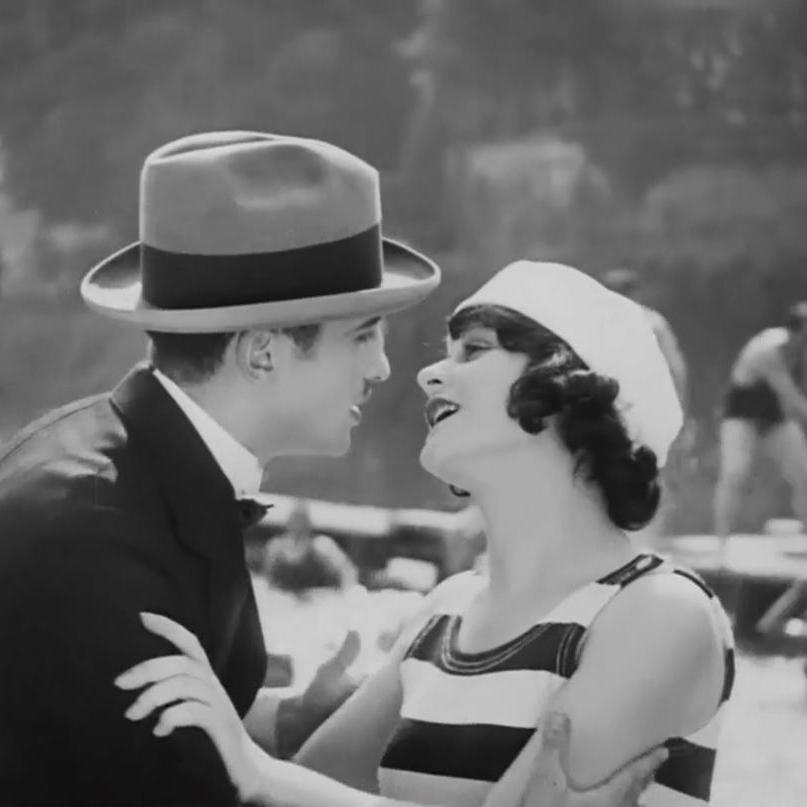


Julien Duvivier’s Top 10 Films Ranked
1. Panic (1946)
Genre: Crime, Drama
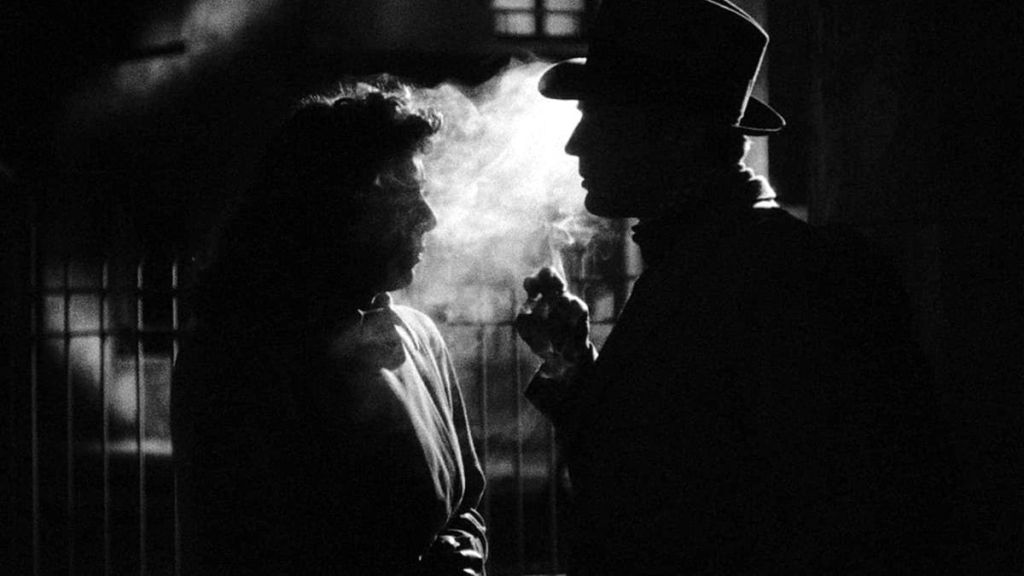
2. Pepe Le Moko (1937)
Genre: Gangster Film, Drama

3. They Were Five (1936)
Genre: Drama

4. Deadlier Than The Male (1956)
Genre: Drama

5. The Red Head (1932)
Genre: Coming-of-Age, Family Drama

6. Life Dances On (1937)
Genre: Drama
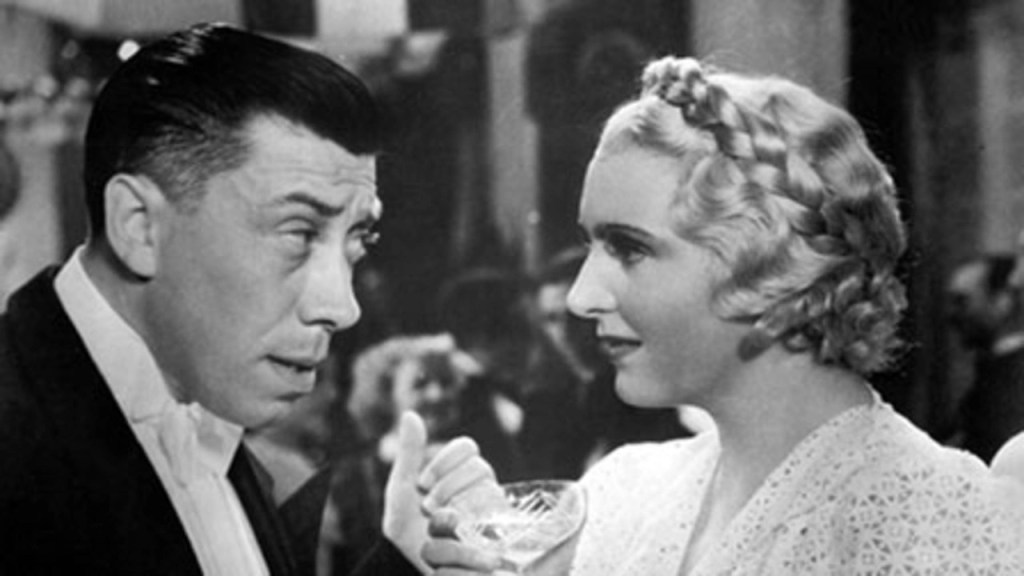
7. Au Bonheuer Des Dames (1930)
Genre: Drama

8. The End of the Day (1939)
Genre: Drama

9. Marie-Octobre (1959)
Genre: Mystery

10. Don Camillo (1952)
Genre: Comedy, Buddy

Julien Duvivier: Themes and Style
Themes:
- Human Nature and Psychology: Duvivier often explored the complexities of human nature and psychology in his films. He was fascinated by the contradictory aspects of human behaviour, delving deep into the characters’ minds to depict their struggles, desires, and moral dilemmas.
- Fatalism: His works frequently encapsulated a sense of fatalism and inevitability. Characters were often shown as prisoners of their destiny or circumstances, unable to escape the tragic outcomes set before them.
- Society and Class Conflict: Social issues and class conflicts were recurrent themes in Duvivier’s films. He utilised cinema as a medium to comment on societal norms, expectations, and the widening gap between different social classes.
- Spirituality and Religion: A number of his films dealt with themes of faith, spirituality, and religion, exploring the human quest for meaning and connection with the divine.
Styles:
- Visual Expressionism: Duvivier adopted a visually expressive style influenced by German Expressionism. His films showcased distorted sets, high-contrast lighting, and dramatic shadows to convey the characters’ internal states and the overarching mood of the narrative.
- Narrative Complexity: He was known for crafting intricate narratives with multiple layers of meaning. Duvivier experimented with nonlinear storytelling, flashbacks, and narrative twists to engage the audience and provoke deeper thought.
- Poetic Realism: His style is often associated with poetic realism, where he blended the harsh truths of reality with lyrical, poetic elements to create films that were both moving and aesthetically pleasing.
Directorial Signature:
- Ensemble Cast: Duvivier often worked with ensemble casts, deftly managing multiple characters and intertwining storylines to create a cohesive and engaging narrative tapestry.
- Atmospheric Filmmaking: His films are known for their captivating atmospheres, created through meticulous set designs, lighting, and music. Each element worked together to immerse viewers into the world Duvivier envisioned.
- Character Depth: Characters in Duvivier’s films were deeply developed and multifaceted. He paid attention to their backgrounds, motivations, and psychological profiles, making them relatable and compelling to audiences.
- Moral Ambiguity: His works often avoided straightforward moral judgments. Characters were depicted with a blend of virtues and flaws, leaving audiences to ponder and reflect on the moral ambiguity presented in the narratives.
Julien Duvivier: The 238th Greatest Director


 Bronze Screen Dream