
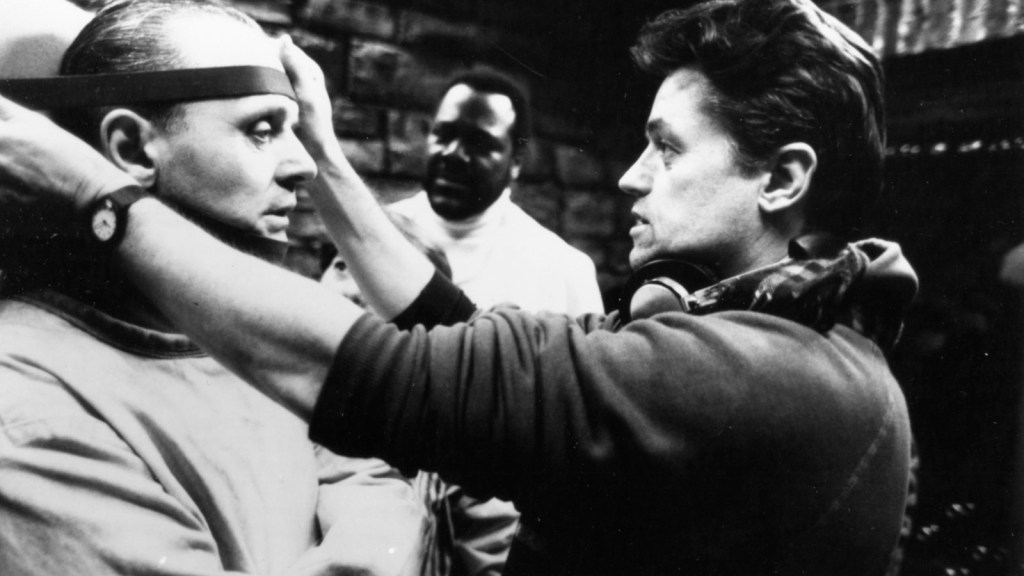
Jonathan Demme was an accomplished American film director, producer, and screenwriter acclaimed for his genre versatility and character-driven storytelling. His filmography spans multiple genres, such as horror, comedy, drama, and documentary, exhibiting a singular capacity to imbue each piece with unique sensitivity. With an Academy Award-winning filmography that includes The Silence of the Lambs, Philadelphia, and Rachel Getting Married, Demme proved himself a maestro of poignant, character-centred narratives. He was renowned for treating delicate and often controversial themes with profound empathy and subtle grace, making him a distinctive figure in American cinema.
Demme’s films are marked by recurring themes of personal transformation, political consciousness, and complex emotional journeys. His films delve into the psyche of his characters, tracing their evolution as they grapple with external challenges and internal conflicts. The Silence of the Lambs and Philadelphia stand as strong examples of this, encapsulating the intricate emotional journeys of their protagonists. Demme’s exploration of social and political themes was fearless and nuanced. In Philadelphia, he addressed the AIDS crisis and homophobia, while Rachel Getting Married delved into addiction and intricate familial dynamics. His political consciousness also found expression in documentaries like The Agronomist, which explored Haiti’s political turmoil and human rights issues.
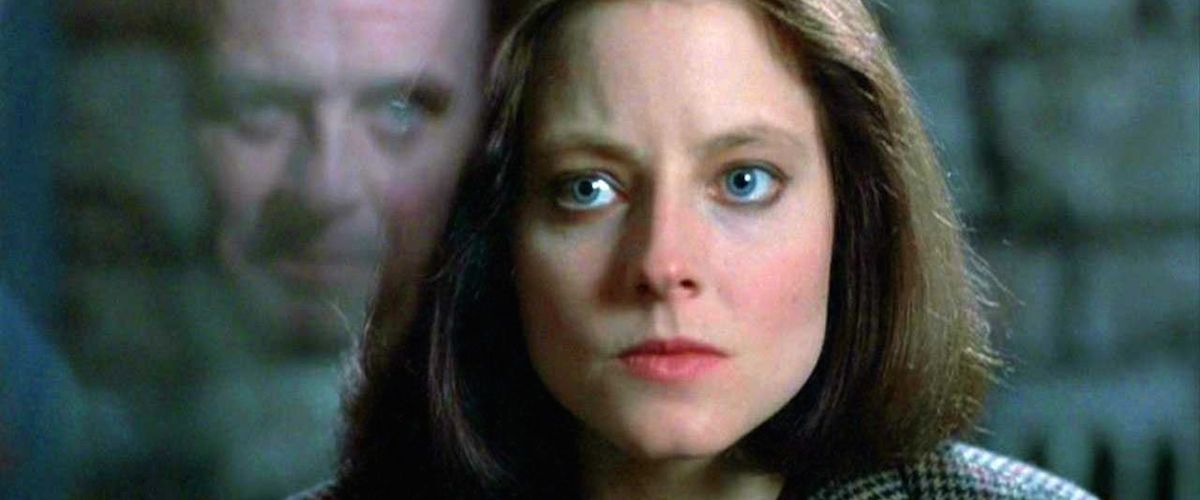
Demme’s visual style uniquely blended classic cinematic techniques and innovative approaches. His use of the close-up shot, colloquially known as the “Demme Close-up”, is a testament to his originality. Characters are frequently shot looking directly into the camera, creating a bond between the audience and the character and fostering a heightened sense of intimacy and connection. The music in his films, deeply influenced by his work in music documentaries and concert films, added another layer of emotional depth. This amalgamation of music and visual storytelling showcased exceptionally well in Stop Making Sense, became a defining feature of Demme’s cinematic language.
Jonathan Demme’s impact on cinema was significant and enduring. His genre versatility and innovative storytelling techniques greatly expanded the boundaries of conventional filmmaking, while his treatment of sensitive themes demonstrated how cinema could create empathy and understanding. His unique ability to combine popular appeal with critical respect while never shying away from controversial social and political issues distinguished him as a courageous and socially conscious filmmaker.
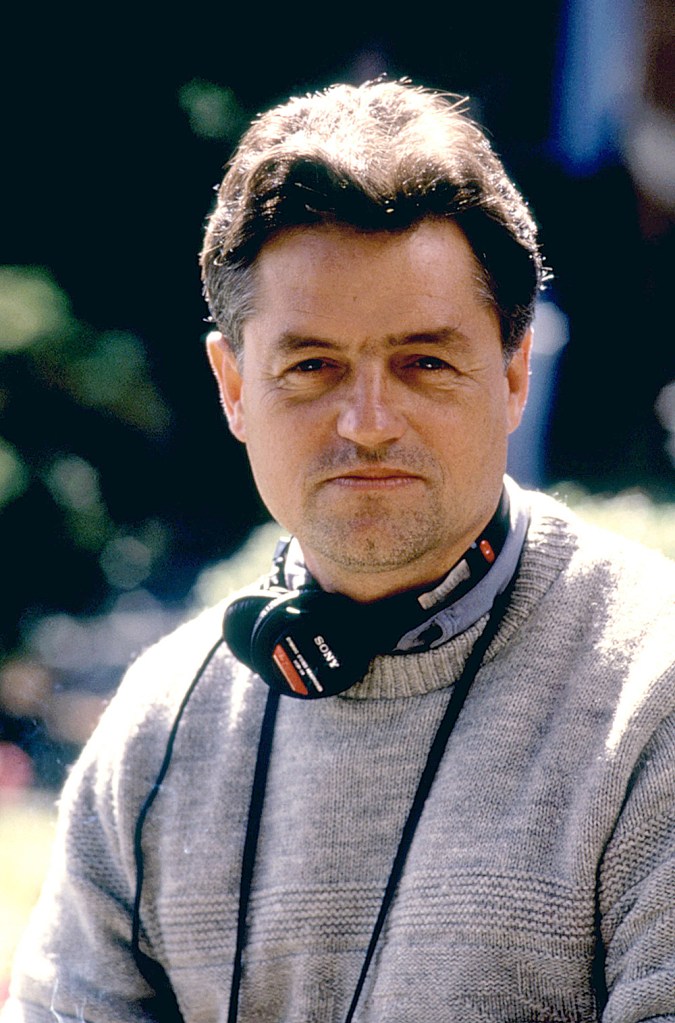
Jonathan Demme (1944 – 2017)
Calculated Films:
- Stop Making Sense (1984)
- The Silence of the Lambs (1991)
- Philadelphia (1993)
Similar Filmmakers

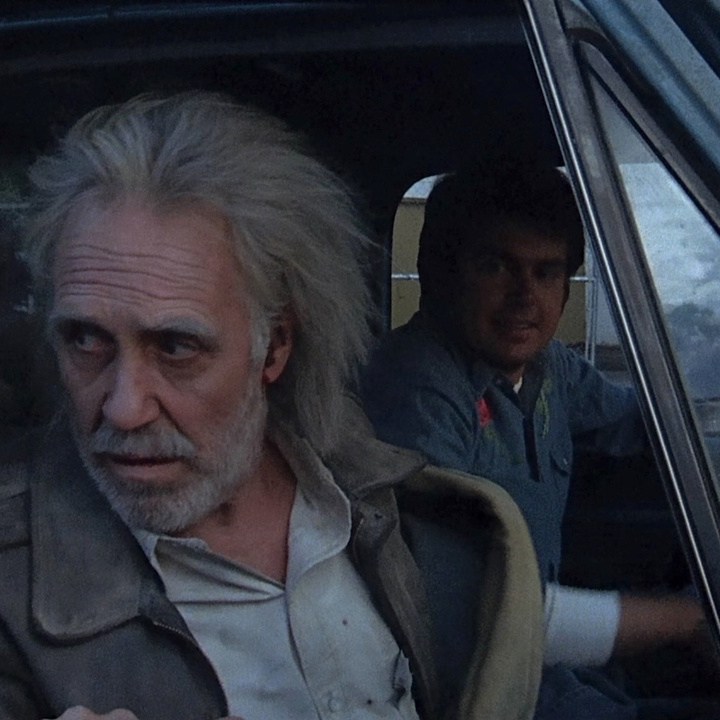

Jonathan Demme’s Top 10 Films Ranked
1. Stop Making Sense (1984)
Genre: Concert Film

2. The Silence of the Lambs (1991)
Genre: Psychological Thriller, Crime, Police Procedural

3. Something Wild (1986)
Genre: Romantic Comedy, Road Movie, Crime
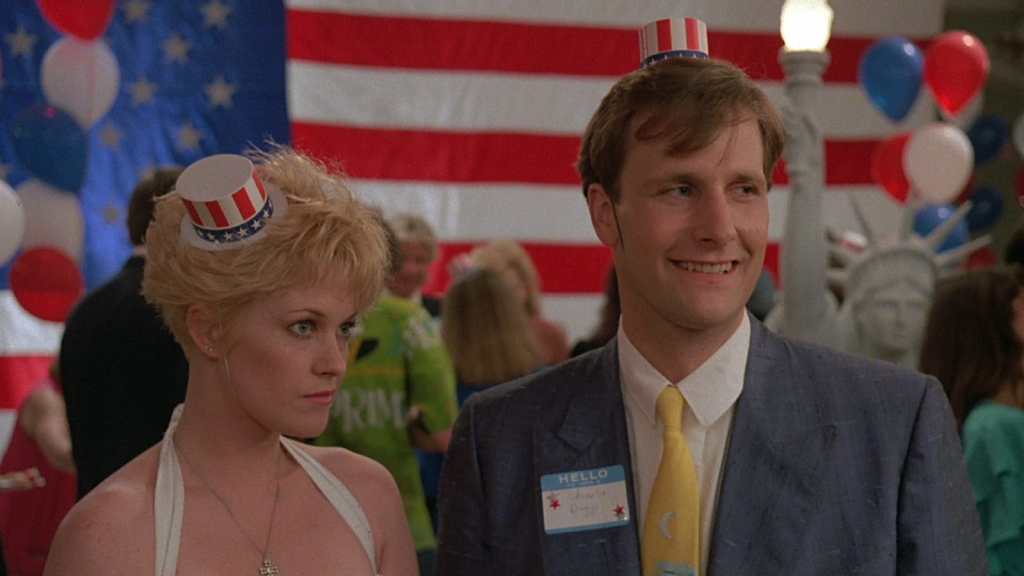
4. Philadelphia (1993)
Genre: Legal Drama, LBGTQ

5. Melvin and Howard (1980)
Genre: Comedy, Drama

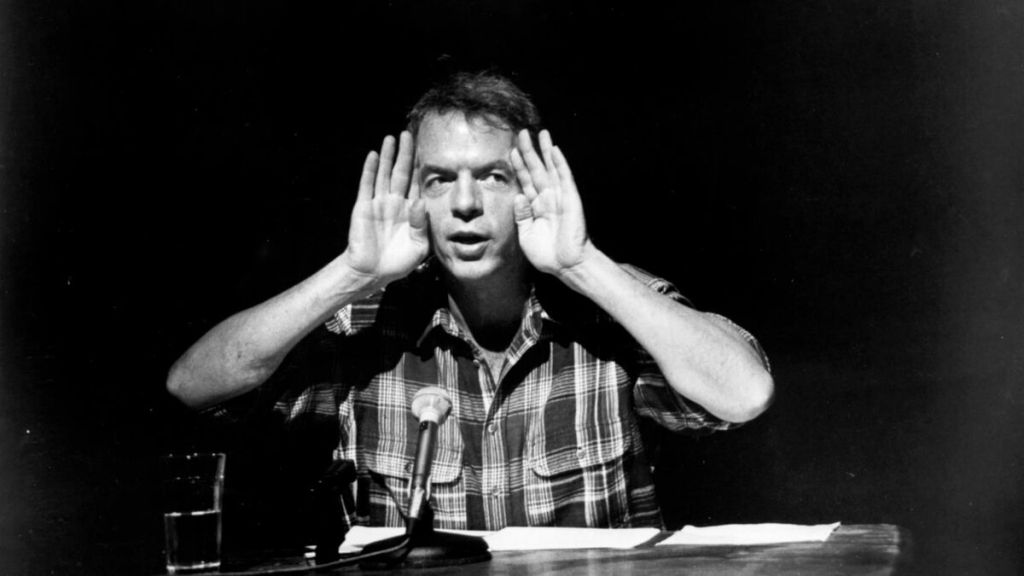
6. Swimming to Cambodia (1987)
Genre: Live Performance, Black Comedy, Drama
7. Neil Young: Heart of Gold (2006)
Genre: Concert Film

8. Rachel Getting Married (2008)
Genre: Drama, Family Drama

9. Citizen’s Band (1977)
Genre: Comedy, Slice of Life, Hyperlink Cinema

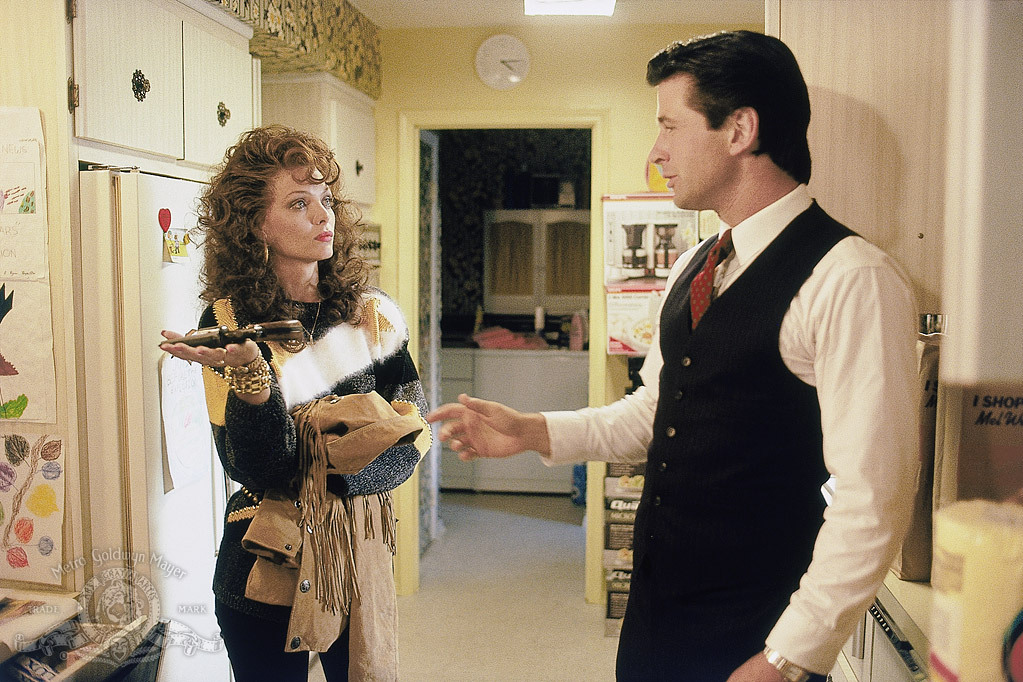
10. Married to the Mob (1988)
Genre: Comedy, Gangster Film, Crime
Jonathan Demme: Themes and Style
Themes:
- Humanism & Empathy: Demme’s films often explore the depth of human experience, emotions, and relationships. His work is distinguished by its profound sense of empathy and understanding towards characters, including both protagonists and antagonists.
- Social Commentary: Several of Demme’s works contain elements of social commentary, reflecting on themes like injustice, prejudice, and societal norms. He tends to explore the underlying issues within society through the lens of individual experiences.
- Diverse Representation: A notable aspect of Demme’s work is his commitment to representing diverse characters and cultures. His films often incorporate strong female leads, LGBTQ+ characters, and individuals from various racial and ethnic backgrounds.
- Transformation and Redemption: Stories of personal transformation, redemption, and self-discovery are recurrent in Demme’s films. He explores the complexities of character development and personal growth, often in the face of adversity.
Styles:
- Close-Up Shots: Demme is known for his use of close-up shots that capture the nuanced expressions and emotions of characters. These shots create an intimate connection between the audience and the characters on screen.
- Eclectic Soundtracks: Music plays a crucial role in creating the atmosphere in Demme’s films. He often utilises an eclectic mix of soundtracks, incorporating various genres and artists to enhance the narrative and emotional impact of scenes.
- Mix of Genres: Demme’s directorial approach involves blending various genres, often within a single film. Whether it’s drama, comedy, thriller, or documentary, he skillfully integrates different styles to craft unique and engaging stories.
- Documentary Techniques: Drawing inspiration from his work in documentaries, Demme employs realistic, documentary-style filmmaking techniques in many of his narrative films. This approach lends a sense of authenticity and immediacy to his work.
Directorial Signature:
- Engaging with the Audience: Demme had a unique way of directly engaging the audience through his characters and storytelling. He often used characters’ direct eye contact with the camera, making viewers feel as if they were part of the story, creating a deeper emotional engagement.
- Character-Centric Storytelling: His films are characterised by a strong focus on character development and dynamics. Regardless of the plot’s scope, the individual’s story, emotions, and transformation are at the forefront.
- Visual Storytelling: With a keen eye for visual composition, Demme used cinematography effectively to convey emotion and atmosphere. His visual style is versatile, adapting to the narrative needs of each film, ranging from the organic and handheld to the meticulously composed.
Jonathan Demme: The 189th Greatest Director


 Bronze Screen Dream