
John G. Avildsen was an American film director renowned for his remarkable skill in crafting stories of underdogs and personal triumphs, which resonated deeply with audiences worldwide. He is best known for his work on Rocky, the iconic tale of an aspiring boxer’s journey to greatness, and The Karate Kid, a film that captures the essence of mentorship and personal growth through martial arts. Both films not only achieved monumental success at the box office but also became cultural landmarks, celebrated for their inspiring narratives and memorable characters.
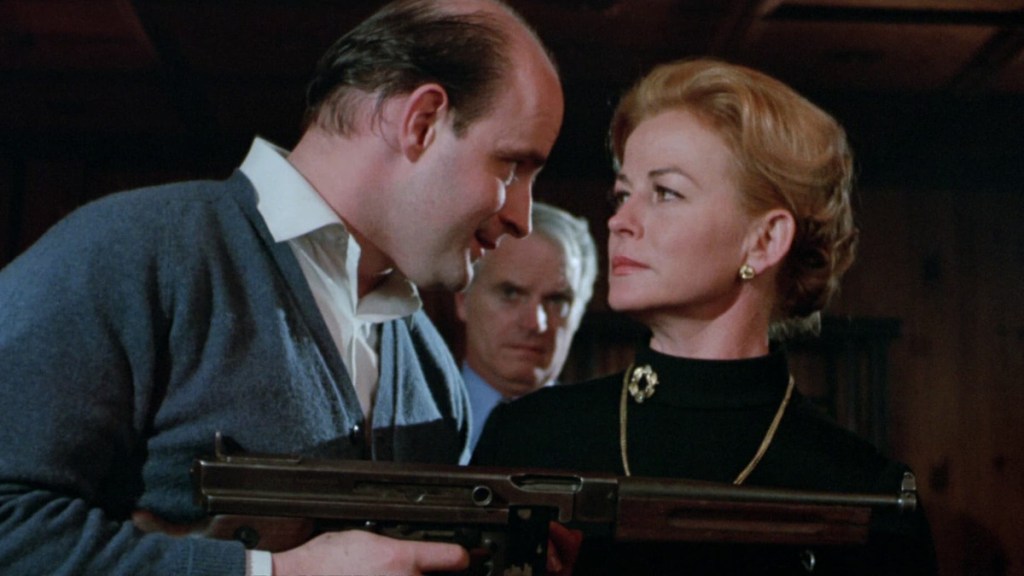
Early in his career, Avildsen was a significant member of the New Hollywood movement, which saw a new generation of filmmakers challenging the traditional studio system and pushing the boundaries of cinematic storytelling. His 1970 film Joe was a prime example of this, tackling controversial themes such as drug use and generational conflict with a raw, uncompromising approach.
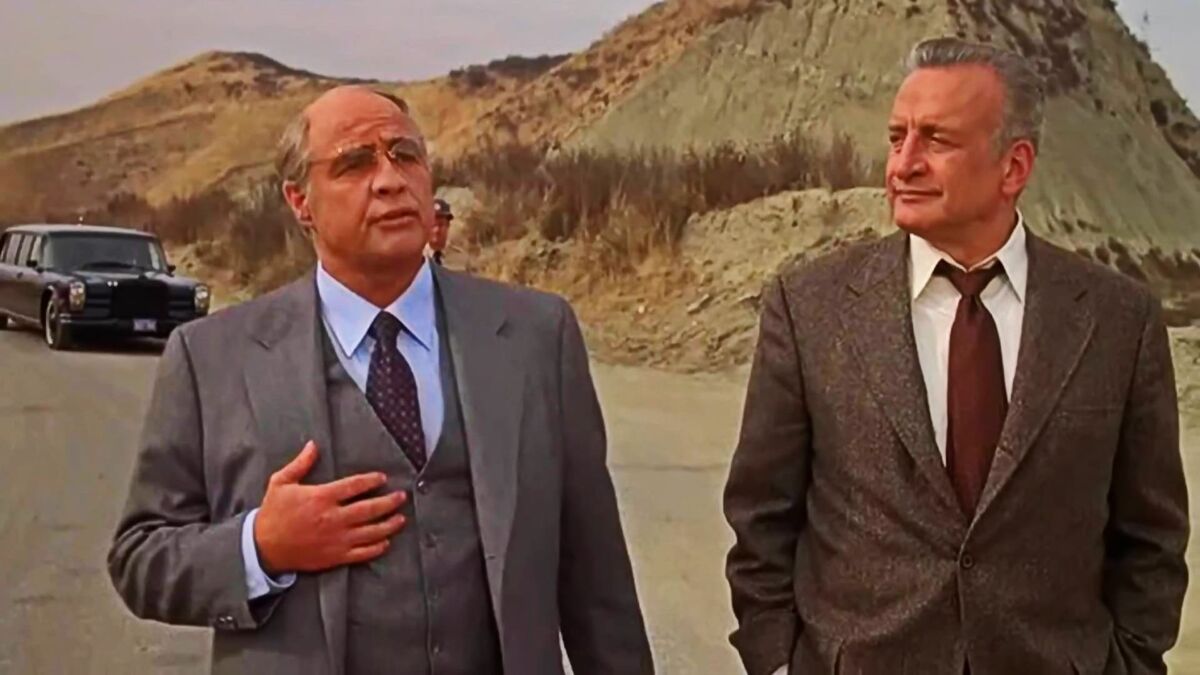
However, as his career progressed, Avildsen became less associated with the auteur-driven approach that characterised New Hollywood. While he continued to make films that resonated with audiences, such as The Karate Kid sequels and Lean on Me, his later works were often more mainstream and less experimental. Some critics argue that Avildsen’s shift towards more commercial projects was a departure from the innovative spirit of his early career.
Throughout his films, Avildsen exhibited a distinctive flair for storytelling that often centred on characters overcoming adversity, a theme that became a hallmark of his most acclaimed works. His ability to blend relatable human experiences with compelling narratives allowed audiences to see themselves in his characters, fostering a deep connection with his films. In Rocky, for instance, Avildsen’s direction emphasised the raw, emotional journey of an underdog fighter, using gritty, realistic settings and intimate character development to draw audiences into Rocky Balboa’s world. Similarly, in The Karate Kid, he explored themes of resilience, respect, and the importance of mentorship, weaving these elements into a narrative that was both engaging and uplifting.
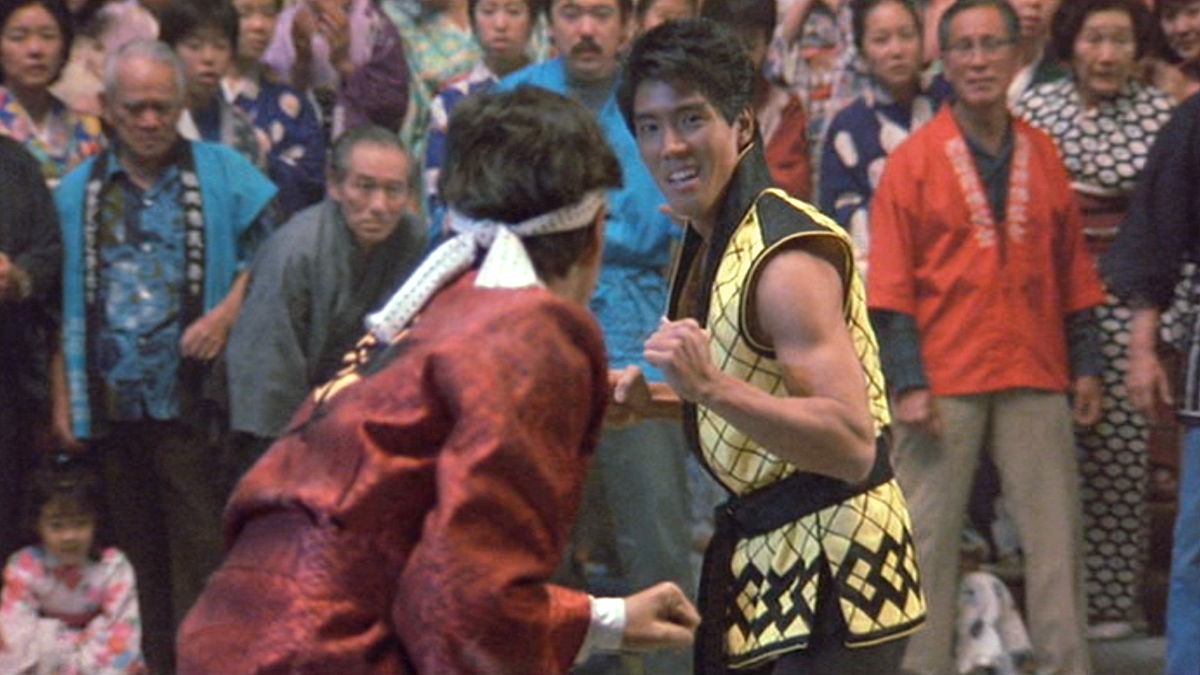
Avildsen often used close-up shots and montages to heighten emotional impact and convey the passage of time or progress. He also usually employed dynamic camera work and innovative editing to intensify pivotal scenes, as seen in the climactic fight sequences of Rocky and the training montages in The Karate Kid. These techniques, combined with his knack for eliciting powerful performances from his actors, contributed to the lasting appeal of his films.
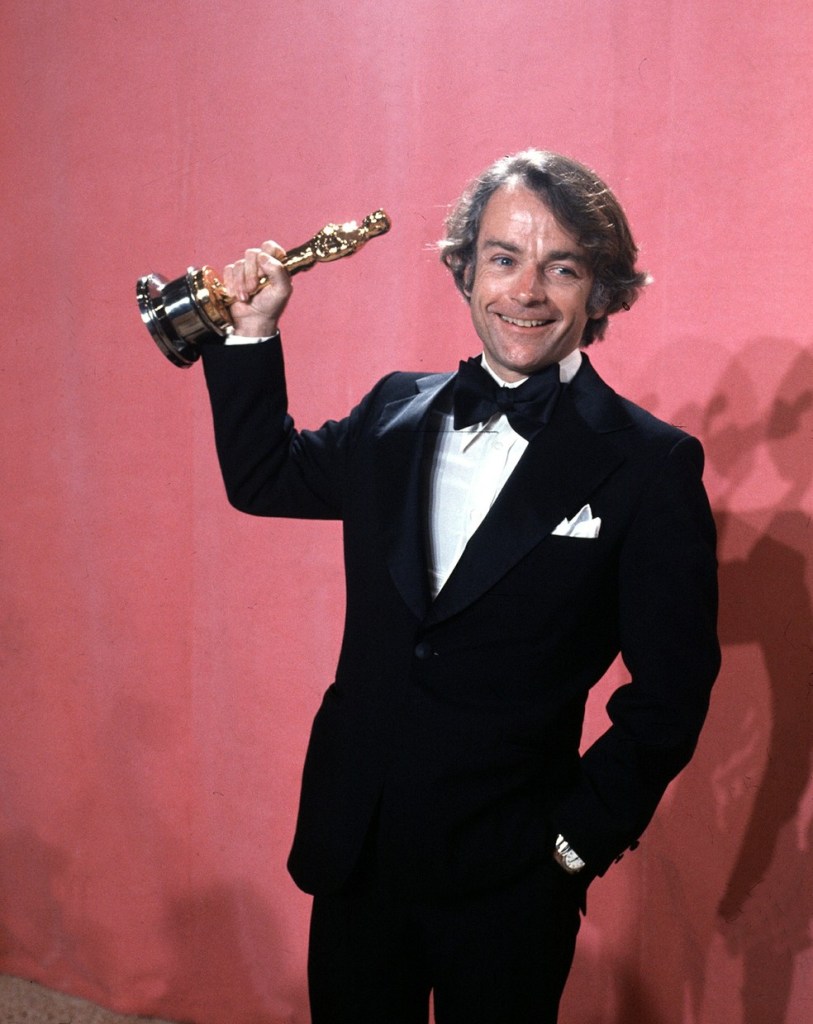
John G. Avildsen (1935 – 2017)
Calculated Films:
- Rocky (1976)
Similar Filmmakers
- David Anspaugh
- James Bridges
- Jeremy Kagan
- John Badham
- Martin Scorsese
- Michael Apted
- Michael Ritchie
- Norman Jewison
- Peter Yates
- Phil Alden Robinson
- Richard Donner
- Ron Howard
- Stan Dragoti
- Steven Spielberg
- Sylvester Stallone
- Taylor Hackford
- Ted Kotcheff
- William Friedkin


John G. Avildsen’s Top 5 Films Ranked
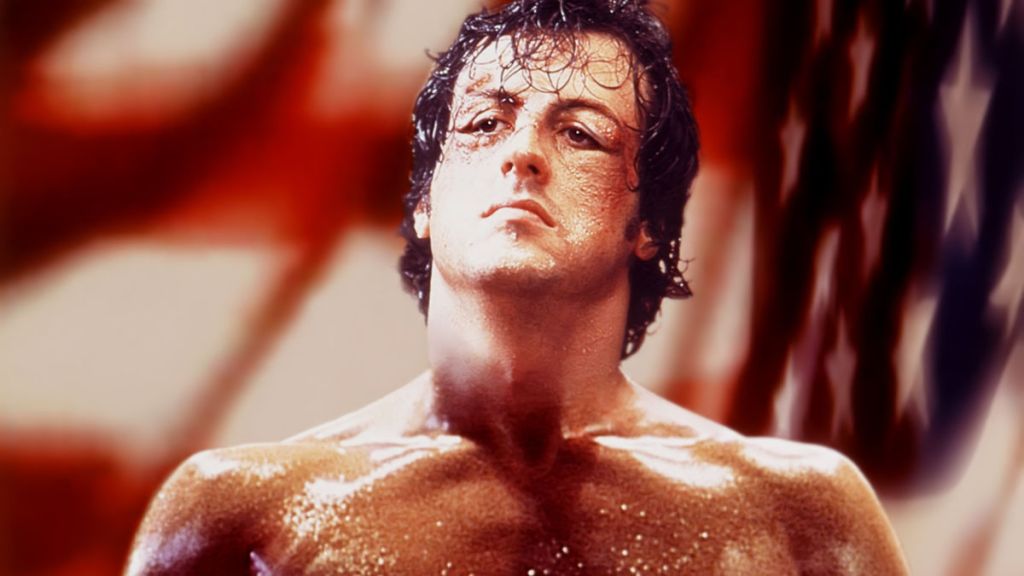
1. Rocky (1976)
Genre: Drama, Sports, Romance, Boxing
2. The Karate Kid (1984)
Genre: Martial Arts, Drama, Coming-of-Age, Sports, Teen Movie

3. Save the Tiger (1973)
Genre: Drama
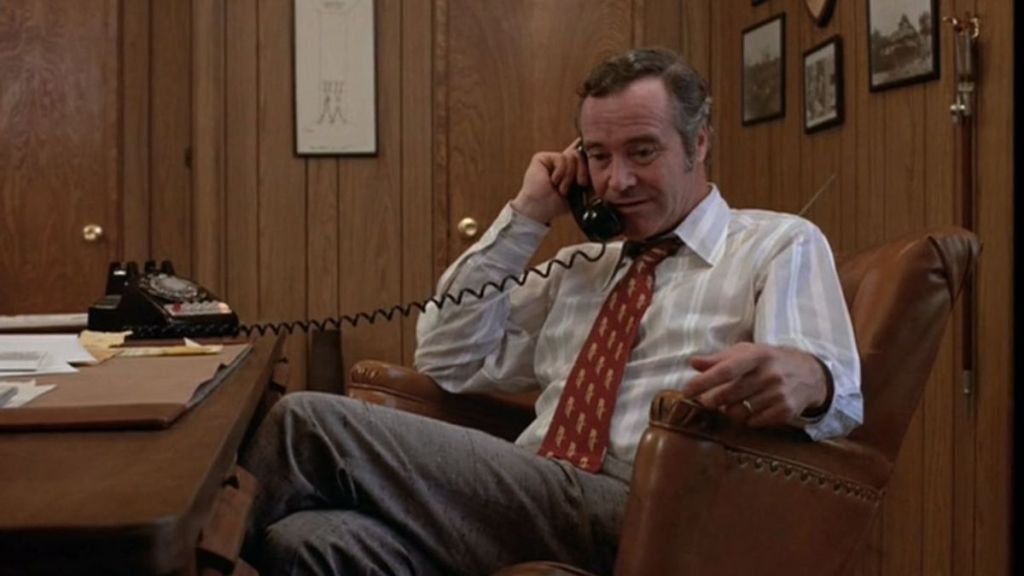
4. Lean on Me (1989)
Genre: Biographical

5. Joe (1970)
Genre: Drama, Psychological Drama, Satire
John G. Avildsen: Themes and Style
Themes:
- Underdog Triumphs: John G. Avildsen had a penchant for stories in which the underdog, often overlooked and underestimated, defies the odds to emerge victorious. This theme, central to Rocky, showcases an unassuming boxer’s rise to fame, symbolising hope and the possibility of achieving the impossible through sheer determination and hard work.
- Personal Growth: Avildsen’s films delve into the journey of self-discovery and personal evolution, where characters confront and overcome their inner demons or limitations.
- Mentorship and Guidance: The influence of mentorship is a recurring motif in Avildsen’s work, portraying mentors as pivotal figures who impart wisdom and guidance, shaping the protagonist’s journey. In The Karate Kid, Mr. Miyagi’s role transcends that of a teacher, embodying wisdom, patience, and personal growth, underscoring the transformative power of mentorship.
- Social Issues: Avildsen skillfully wove social commentary into his narratives, addressing issues like class disparity, bullying, and the struggle for personal integrity within societal constraints.
Styles:
- Realistic Portrayals: John G. Avildsen’s commitment to realism in his character portrayals and settings lent a tangible authenticity to his films. This made the stories and characters relatable and their victories all the more gratifying.
- Dramatic Climaxes: Avildsen was a master at building tension and anticipation, leading to climaxes that were not only visually and emotionally stunning but also deeply satisfying.
- Intimate Cinematography: His use of close-ups and personal camera angles created an intimacy that drew viewers deeper into the emotional landscapes of the characters. This fostered a connection between the audience and the characters, making their triumphs, failures, and growth more impactful and memorable.
- Motivational Soundtracks: The strategic use of music in Avildsen’s films went beyond mere background score, becoming an integral part of the storytelling. Iconic tracks, especially in Rocky, not only heightened the emotional stakes but also became synonymous with the characters’ journeys.
Directorial Signature:
- Character-Centric Narratives: Avildsen excelled at developing well-rounded, relatable characters whose personal journeys drove the plot.
- Authentic Underdog Stories: Avildsen’s authentic portrayal of underdog stories, characterised by relatable protagonists and believable struggles, became a defining element of his directorial style.
- Symbolic Training Montages: The training montage became a signature element of Avildsen’s directorial style, symbolising not just physical preparation but the protagonist’s inner journey and growth. These montages, especially in Rocky and The Karate Kid, are memorable cinematic moments that also serve as metaphors for perseverance and personal development.
John G. Avildsen – Great Director


 Bronze Screen Dream