Below are some of the best Japanese directors ever. These directors made jidaigeki films in the classic era of Japanese cinema. Click on their pictures to discover more about them.


A Brief History of Jidaigeki Films
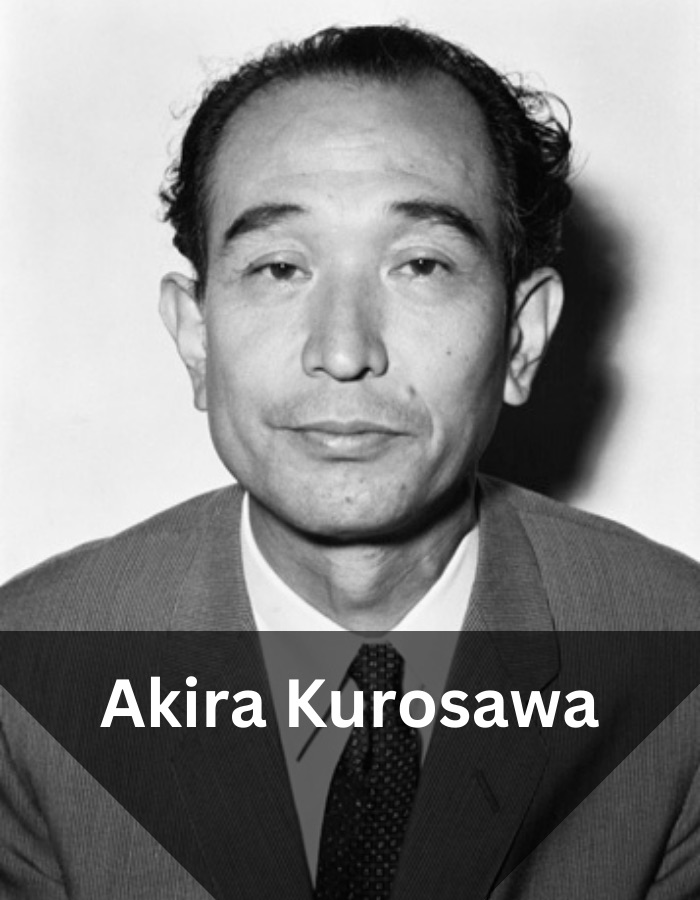
Jidaigeki, a genre of films set in pre-19th century Japan, is an integral part of Japanese cinema, often focusing on the lives of samurais, farmers, and townspeople during the Edo period. This genre, known for its historical dramas, emerged in the 1920s, but it was post-World War II when it gained international recognition. Directors like Akira Kurosawa, renowned for his epic storytelling and innovative techniques, became synonymous with Jidaigeki. Kurosawa’s masterpieces like “Seven Samurai” and “Yojimbo” not only influenced the genre but also reshaped global cinema, inspiring Western and action films worldwide.
Other directors also left their mark too. Masaki Kobayashi’s “Harakiri” and “Samurai Rebellion” are noted for their critical stance on feudal ethics and stunning aesthetics. Kon Ichikawa, though known for a broader range of genres, contributed significantly to films like “The Burmese Harp”. Tomu Uchida, with works like “A Bloody Spear on Mount Fuji”, brought a humanistic touch to the genre. Hiroshi Inagaki’s “Samurai Trilogy” is another cornerstone, bringing the life of legendary samurai Musashi Miyamoto to the big screen.
The next generation continued this focus, like Kihachi Okamoto and Kenji Misumi. Okamoto’s “The Sword of Doom” and “Kill!” combined dark themes with action, while Misumi, primarily known for the “Lone Wolf and Cub” series, blended stylised violence with deep narrative.
 Bronze Screen Dream