

Jean Vigo was a French filmmaker celebrated for his avant-garde poetic style that blended surreal imagery with pointed social commentary. Although his early death resulted in a limited filmography comprising one short documentary, two short narrative films, and a feature-length film, Vigo’s work, particularly L’Atalante, has garnered posthumous acclaim as a masterpiece of French cinema.
Vigo’s journey into cinema was significantly influenced by his personal life and anarchist background. His films, brimming with themes of rebellion and freedom, reflected his life experiences and ideological stance. Aided by the genius of cinematographer Boris Kaufman, Vigo’s film Zero for Conduct aptly demonstrates his ability to critique institutions such as school and marriage while maintaining a dreamlike narrative structure.
His distinctive visual style is a fusion of realism and impressionism, capturing the grit and hardship of everyday life in a lyrical, poetic manner, a technique often referred to as impressionistic realism. His collaboration with Kaufman further enabled Vigo to exploit natural light and innovative techniques to create visually stunning films. Their combined artistic force is most evident in L’Atalante, where surreal imagery and experimental elements seamlessly converge to form a haunting and memorable narrative.
Short Career, Long Shadow
Vigo’s films convey an underlying social commentary, subtly challenging societal norms and conventions. For example, Zero for Conduct, with its portrayal of a rebellious boarding school, critiques repressive educational institutions. Similarly, L’Atalante presents an unconventional depiction of marriage, allowing Vigo to critique traditional domesticity.
Despite his brief career, Vigo’s work has left a lasting imprint on the world of cinema, particularly inspiring French New Wave directors like François Truffaut and Jean-Luc Godard. His impressionistic realism, experimental techniques, and intertwining of personal narrative with social critique have significantly shaped cinematic storytelling. Thus, Jean Vigo’s influence extends far beyond his limited filmography, making him an enduring worldwide film icon.

Jean Vigo (1905 – 1934)
Calculated Films:
- A Propos de Nice (1930)
- Zero for Conduct (1933)
- L’Atalante (1934)
Similar Filmmakers


Jean Vigo’s Top Films Ranked
1. L’ Atlante (1934)
Genre: Romance, Drama

2. Zero for Conduct (1933)
Genre: Coming-of-Age, Comedy

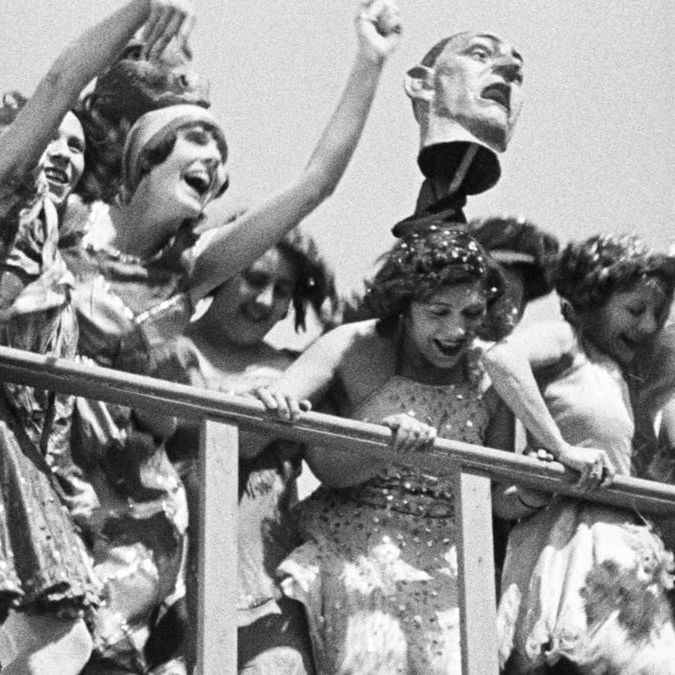
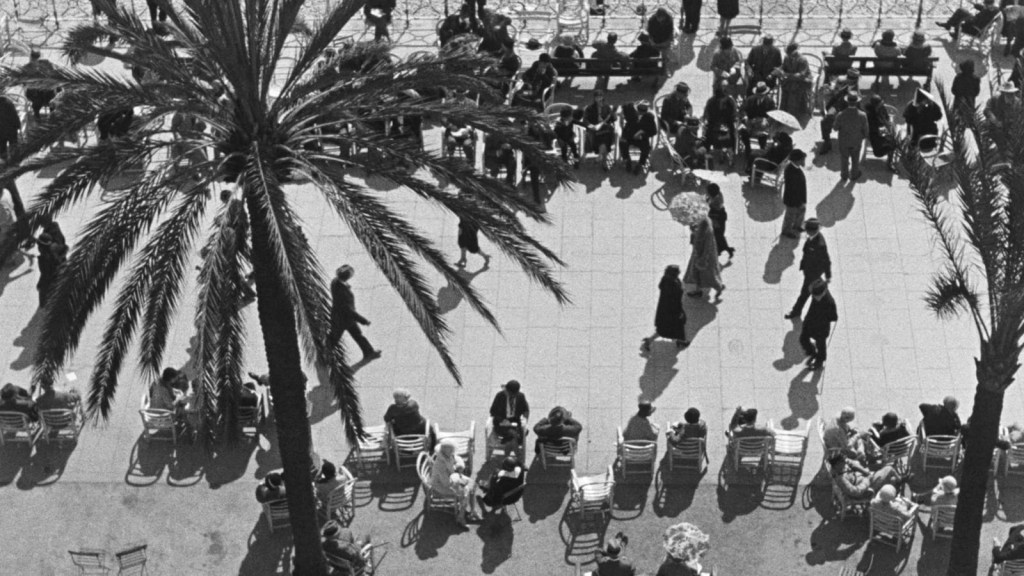
3. A Propos de Nice (1930)
Genre: City Symphony, Essay Film
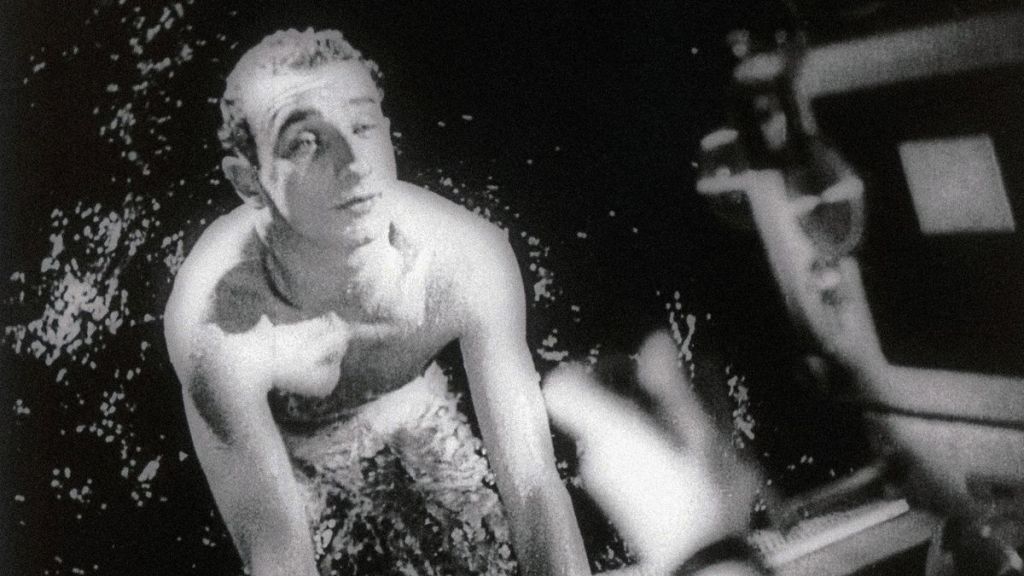
4. Taris (1931)
Genre: Sports Documentary
Jean Vigo: Themes and Style
Themes:
- Anti-Authoritarianism and Rebellion: Vigo had a disdain for oppressive authority figures and institutions, evident in films like Zéro de Conduite, where students rebel against a repressive school system.
- Freedom and Liberation: The director’s work often explores the pursuit of freedom and liberation, both in physical and spiritual terms. The characters in his films are often seen breaking free from societal constraints.
- Youth and Innocence: Vigo was fascinated with the world of children and adolescents, highlighting their innocence, curiosity, and rebellious spirit.
- Love and Eroticism: His film L’Atalante explores the themes of romantic and sensual love with depth and subtlety, balancing innocence with eroticism.
Styles:
- Poetic Realism: Vigo’s work is often associated with the Poetic Realism movement in French cinema, blending lyrical imagery with the harsh realities of life.
- Visual Poetry: With a background in photography, Vigo had a keen eye for composition, lighting, and visual metaphor, creating scenes that were visually poetic and memorable.
- Experimental Techniques: The director was not afraid to experiment with film form and technique, incorporating slow motion, double exposure, and other optical effects to convey emotion and theme.
- Naturalism: Vigo often worked with non-professional actors and shot on location, imbuing his films with a sense of authenticity and immediacy.
Directorial Signature:
- Visual Innovation: Vigo is recognised for his innovative use of visual language, using the camera not merely as a recording device but as a tool for artistic expression.
- Subversive Humor: His films often incorporate subversive, anarchic humour, reflecting his rebellious spirit and critique of societal norms and institutions.
- Deep Humanism: Despite their rebellious nature, Vigo’s films exude a deep sense of humanism and empathy towards his characters and their plights.
- Personal and Autobiographical Elements: Elements of Vigo’s personal life and experiences, especially his disdain for oppressive schooling, are evident in his films, making his work deeply personal and autobiographical.
- Collaboration with Boris Kaufman: Vigo’s collaboration with cinematographer Boris Kaufman was crucial in realising his visual style, with Kaufman helping to translate Vigo’s vision onto the screen with technical mastery.
Jean Vigo: The 111th Greatest Director



 Bronze Screen Dream