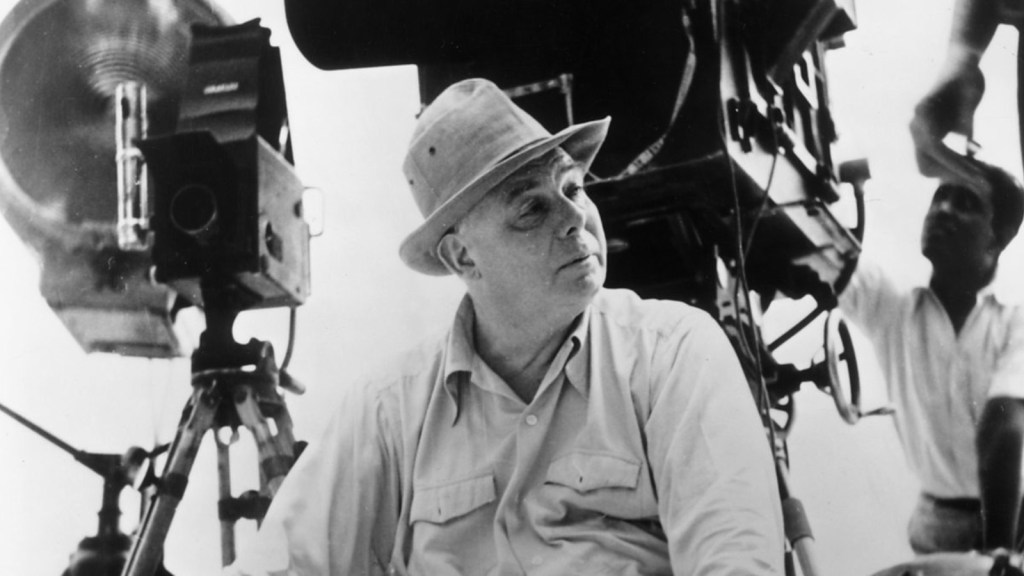
Jean Renoir, a French film director, is celebrated for his profound humanism and innovative narrative techniques. His work, which includes iconic films like The Rules of the Game and La Grande Illusion, is characterised by its social realism, complex characters, and deep empathy. Renoir’s films often explore themes of class, love, and the human condition, making him a significant figure in the history of French cinema.
Renoir’s journey into filmmaking began in the silent film era, where he directed a series of films that demonstrated his growing mastery of the medium. His early films, such as Nana and La Chienne, established him as a director with a unique vision and a deep understanding of human nature.
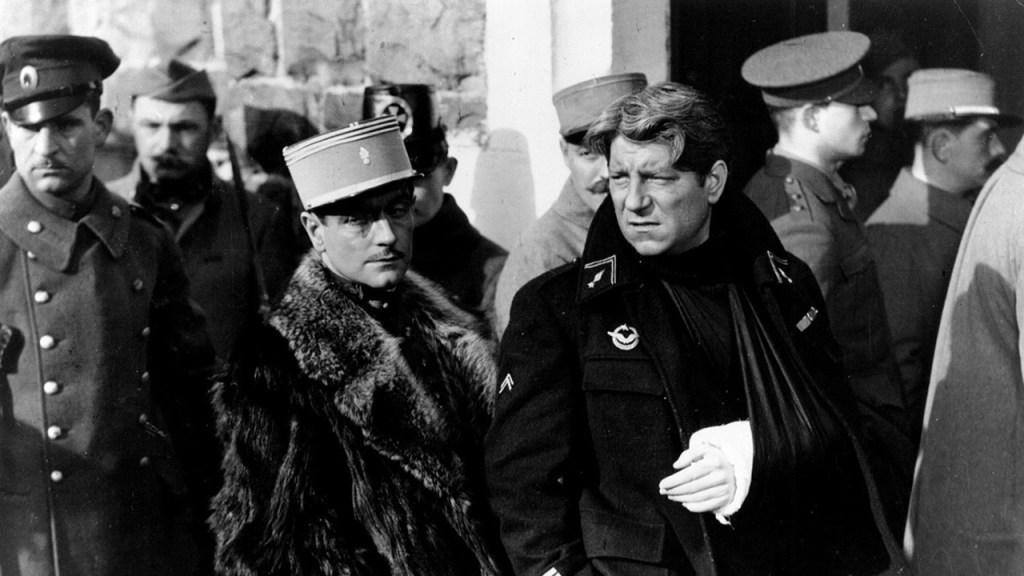
Renoir’s films are known for their recurring themes and motifs. He often explored the complexities of class and social status, as seen in The Rules of the Game, which delves into the lives of French society’s upper and lower classes. His films also frequently grapple with themes of love and human frailty, a theme that is particularly evident in La Grande Illusion, which reflects on the futility of war and the common bonds of humanity.
Poetic Realism & French Impressionism
Renoir was known for his innovative use of depth of field and location shooting. His films often feature long, unbroken shots that allow the action to unfold naturally, creating a sense of realism and spontaneity. This is particularly evident in The Crime of Monsieur Lange, where Renoir’s visual style complements the film’s social realism.
Renoir’s approach to filmmaking was characterised by a focus on character and social context. He was known for his ability to create complex, multi-dimensional characters and his deep empathy for all of his characters, regardless of their social status or moral character. This is evident in Boudu Saved from Drowning, where Renoir’s humanistic approach produces a film of deep compassion and social insight.
Jean Renoir’s influence on cinema is vast and enduring. Directors such as François Truffaut in France and Satyajit Ray in India have cited Renoir as a major influence on their work. His impact extends beyond France, with his humanistic approach and innovative techniques influencing filmmakers worldwide.
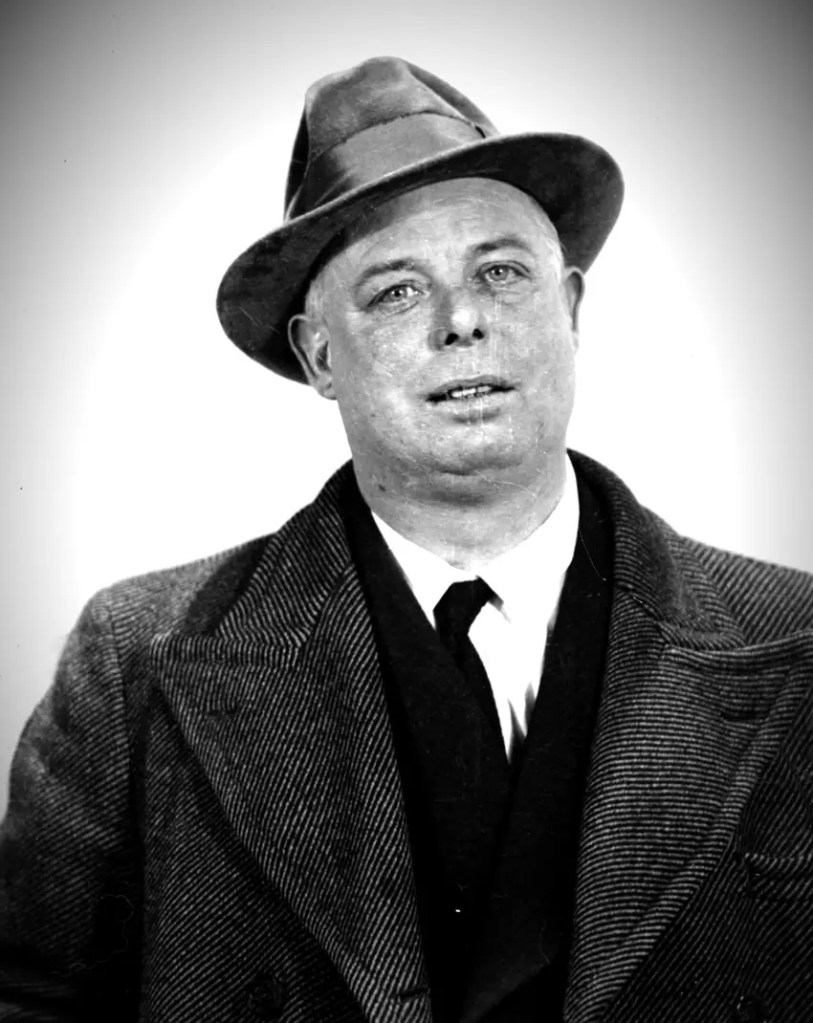
Jean Renoir (1894 – 1979)
Calculated Films:
- La Chienne (1931)
- Boudu Saved From Drowning (1932)
- Night at the Crossroads(1932)
- Toni (1935)
- The Crime of Monsieur Lange (1936)
- The Lower Depths (1936)
- Grand Illusion (1937)
- La Bete Humaine (1938)
- La Marseillaise (1938)
- The Rules of the Game (1939)
- This Land Is Mine (1943)
- A Day in the Country (1946)
- The River(1951)
- The Golden Coach (1952)
- The French Cancan(1955)
Similar Filmmakers


Jean Renoir’s Top 10 Films Ranked
2. The Rules of the Game (1939)
Genre: Drama, Satire, Romance, Comedy
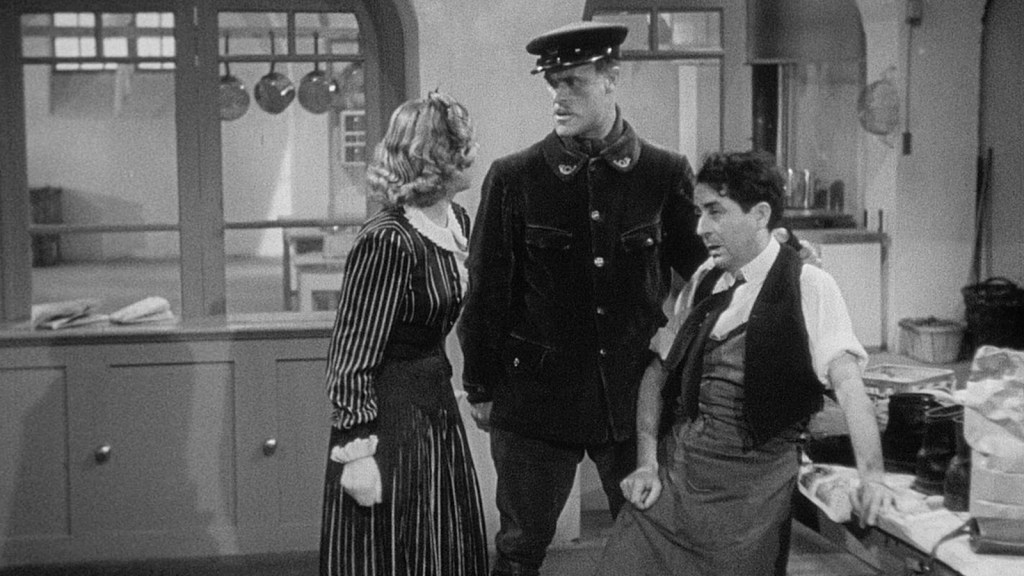
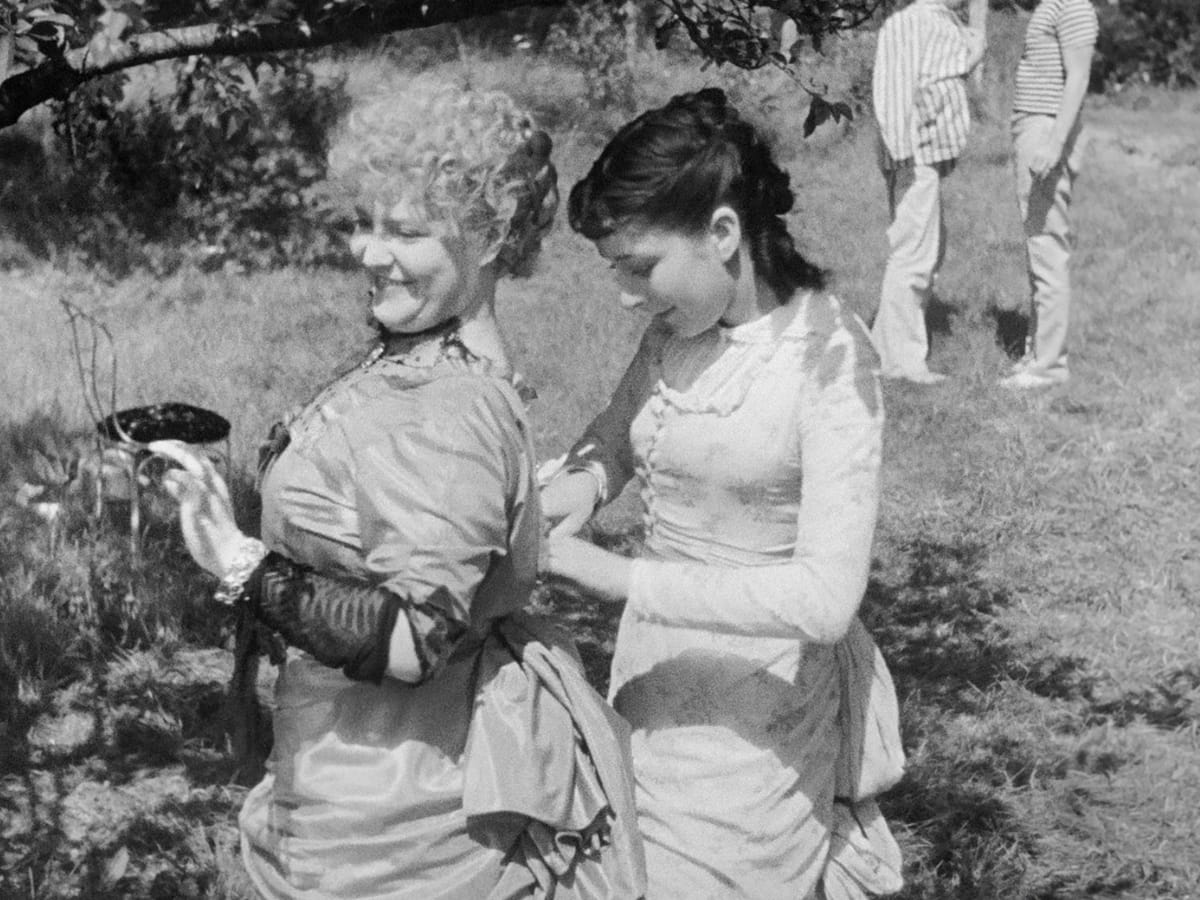
3. A Day In The Country (1946)
Genre: Romance, Drama, Slice of Life, Poetic Realism
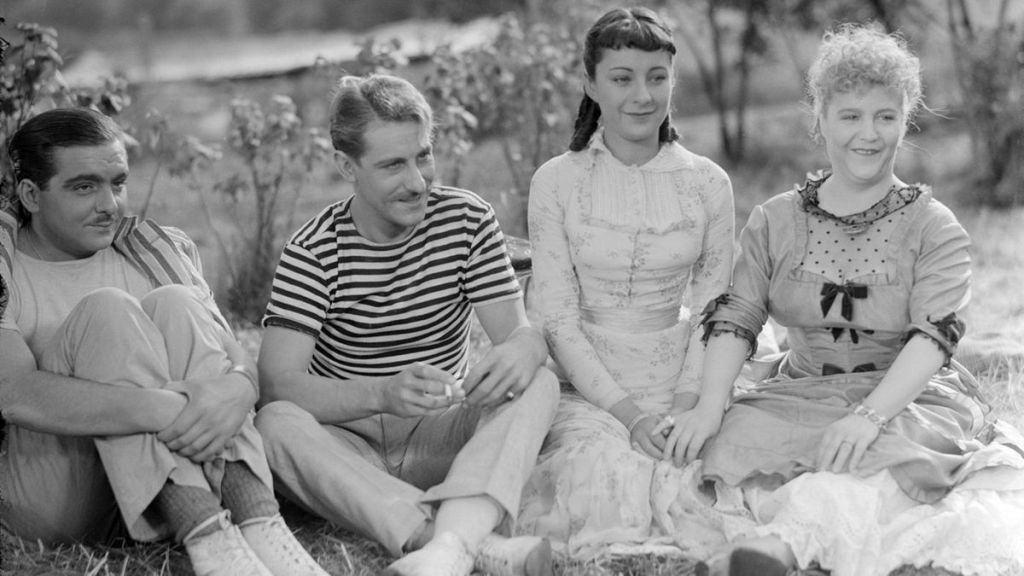
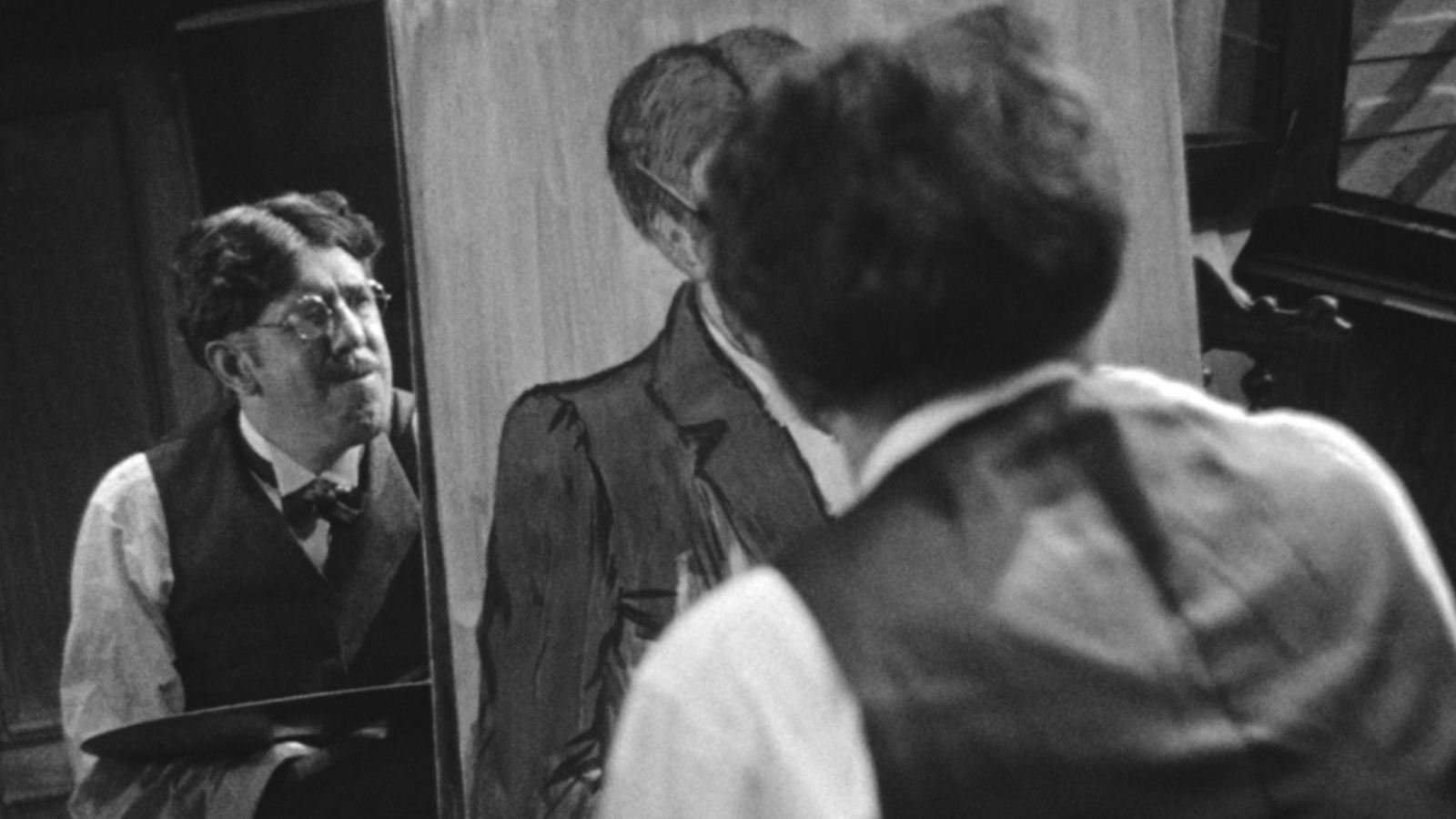
4. La Chienne (1931)
Genre: Poetic Realism, Drama
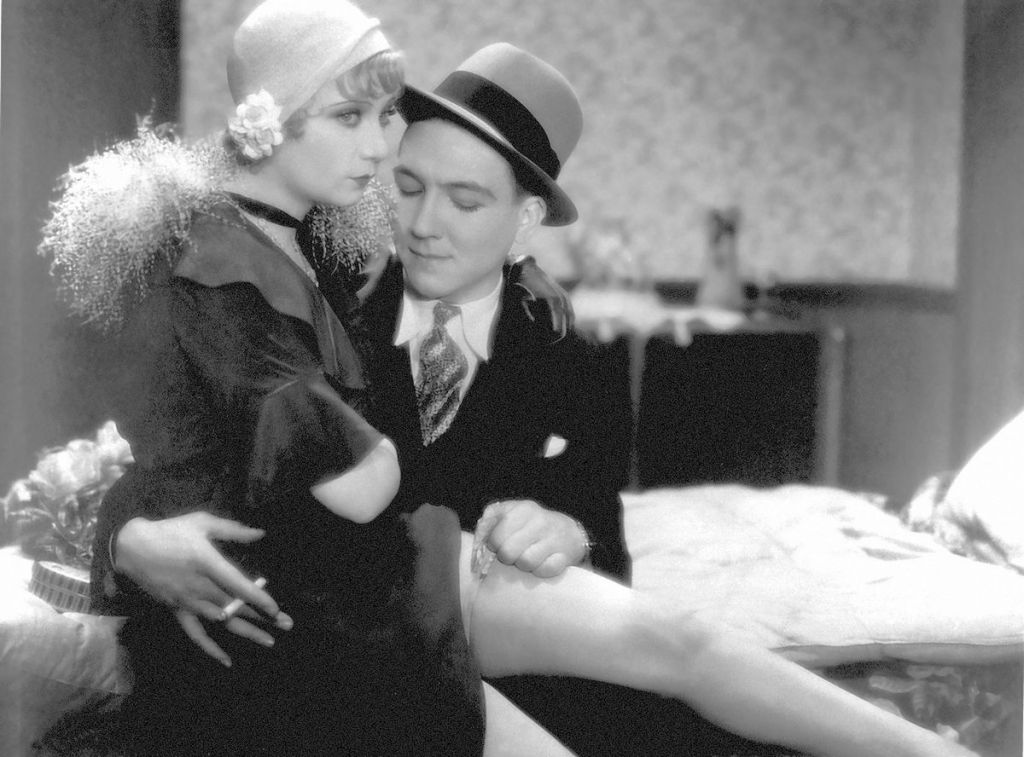
5. The Crime of Monsieur Lange (1936)
Genre: Drama, Poetic Realism
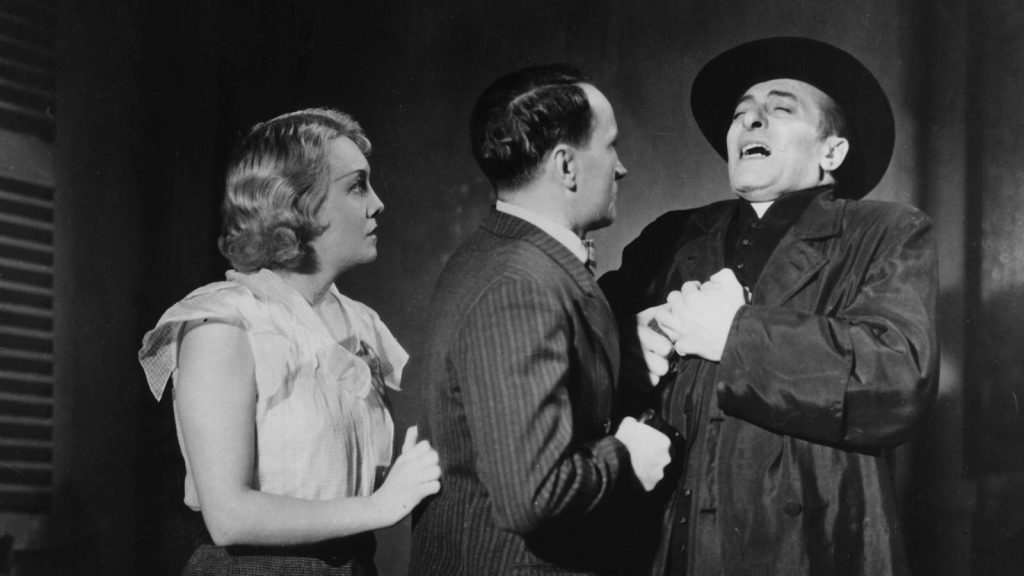
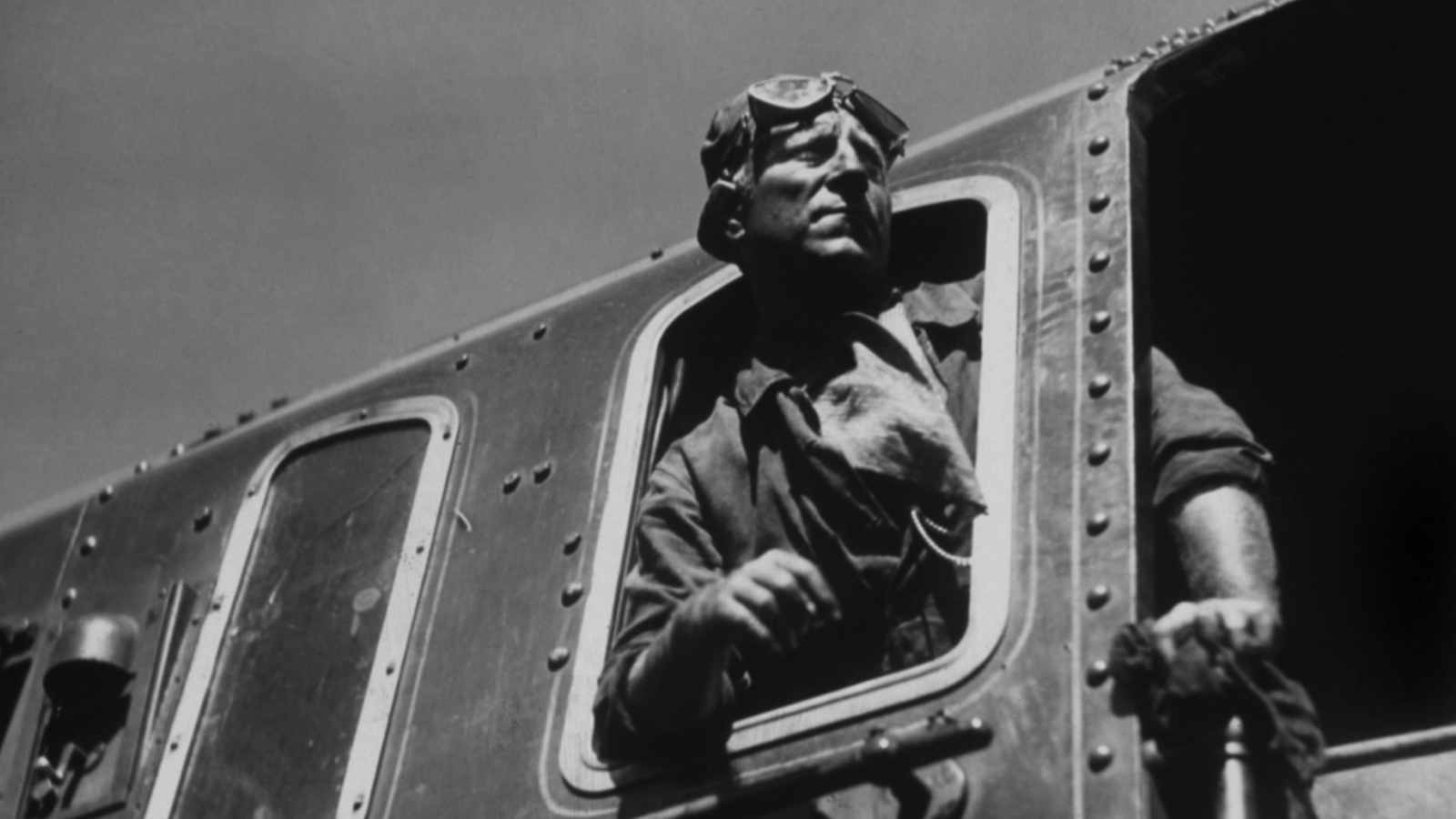
6. La Bete Humaine (1938)
Genre: Drama, Poetic Realism, Romance
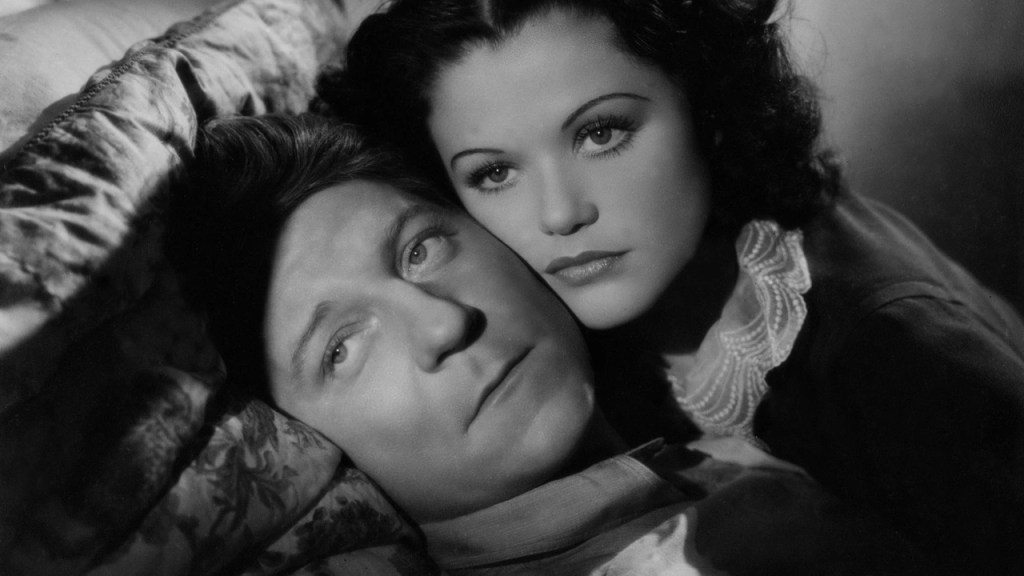
7. French Cancan (1955)
Genre: Comedy, Drama, Musical

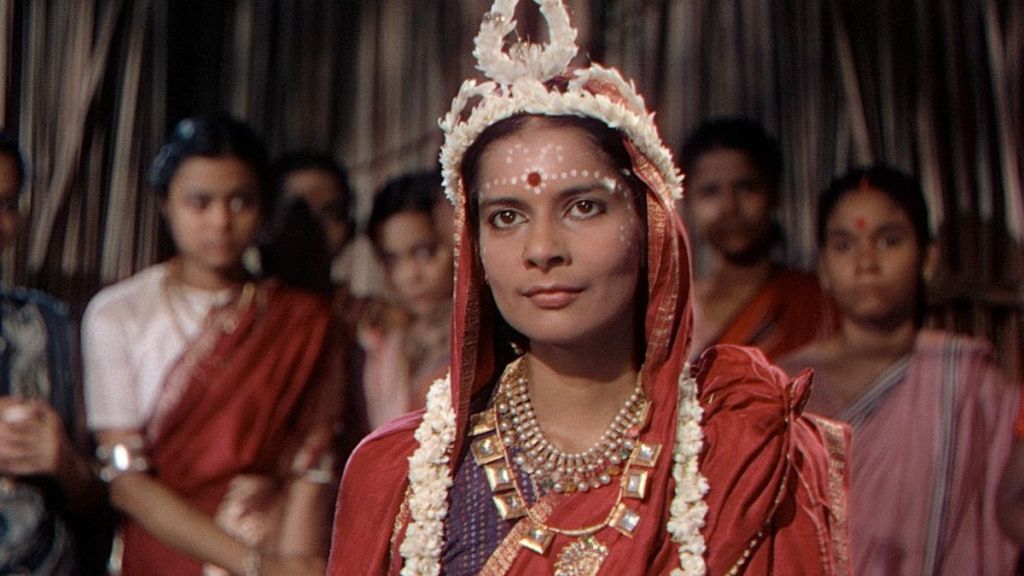
8. The River (1951)
Genre: Drama, Coming-of-Age, Romance
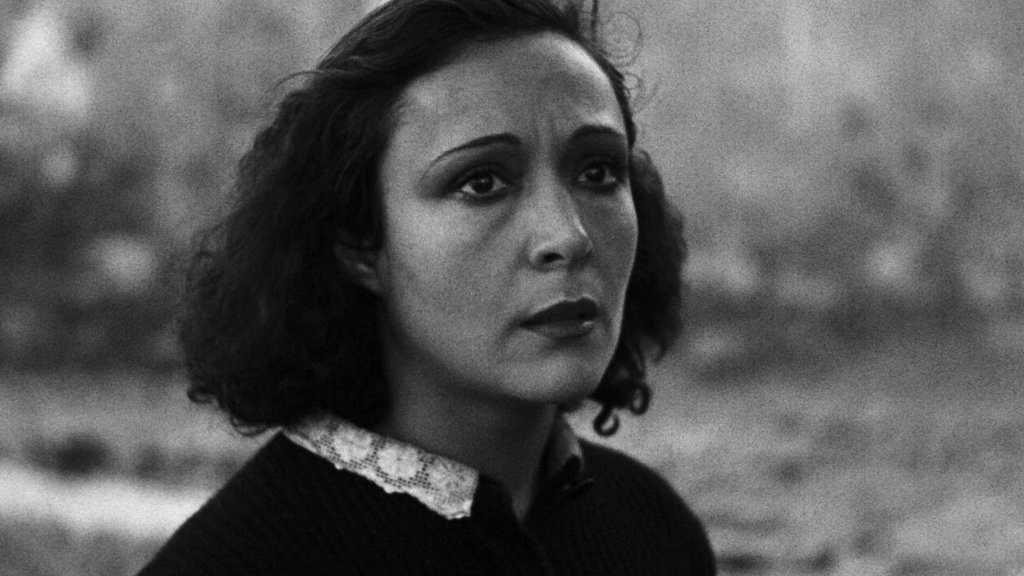
9. Toni (1935)
Genre: Poetic Realism, Romance
10. Boudu Saved From Drowning (1932)
Genre: Comedy, Satire, Poetic Realism

Jean Renoir: Themes and Style
Themes:
- Human Nature and Class Relations: Renoir often delved into the intricacies of human behaviour, especially concerning class distinctions. La Règle du jeu is a key example where the relationships between the upper and lower classes are humorously and critically examined.
- Nature’s Influence: The juxtaposition of characters against natural settings was frequent in his films. This highlighted the dichotomous relationship between man’s inherent nature and societal constructs. A Day in the Country showcases this through a fleeting romance set against the backdrop of the French countryside.
- War and its Effects: Several of Renoir’s films touched on the futility and horrors of war. La Grande Illusion, for instance, discussed the artificial barriers of nationality and rank during wartime and the shared humanity underneath.
- The Theatre of Life: Life’s theatricality, where individuals play roles whether they’re aware of it or not, was another dominant theme. French Cancan uses the backdrop of the theatre to underline life’s performances on and off stage.
Styles:
- Deep Focus Cinematography: Renoir often employed deep focus, which allows both the foreground and background to be in sharp focus. This technique reveals the richness of his scenes and emphasises the interrelation of characters within their environment.
- Moving Camera: Renoir frequently used a mobile camera, allowing for long, unbroken takes. This lends a fluidity to his narratives and ensures that the viewer is always engaged and observant.
- Naturalistic Performances: Encouraging improvisation and organic reactions, Renoir extracted genuine and understated performances from his actors, which often blurred the lines between reality and fiction.
- Interplay of Light and Shadow: Drawing inspiration from Impressionist painters, Renoir’s films often feature dynamic lighting, which brings depth and mood to his stories. Films like La Bête Humaine benefit greatly from this visual ambience.
Directorial Signature:
- Realism and Empathy: Unlike some directors who might place characters into distinct categories of ‘good’ or ‘bad’, Renoir portrayed his characters with deep empathy, often blurring moral binaries and showing the grey areas of human behaviour.
- Complex Characters: His characters are multifaceted, possessing both strengths and weaknesses. This layering makes them relatable and enhances the realistic portrayal of human nature.
- Integration of Setting: Renoir didn’t just use the setting as a backdrop; he integrated it into the story. The environment often plays a significant role in influencing the narrative and the characters, becoming almost a character in itself.
- Socio-political Commentary: Through the lens of interpersonal relationships, Renoir subtly critiques societal norms, structures, and politics. This commentary is usually woven seamlessly into the narrative, making it palatable yet thought-provoking for audiences.
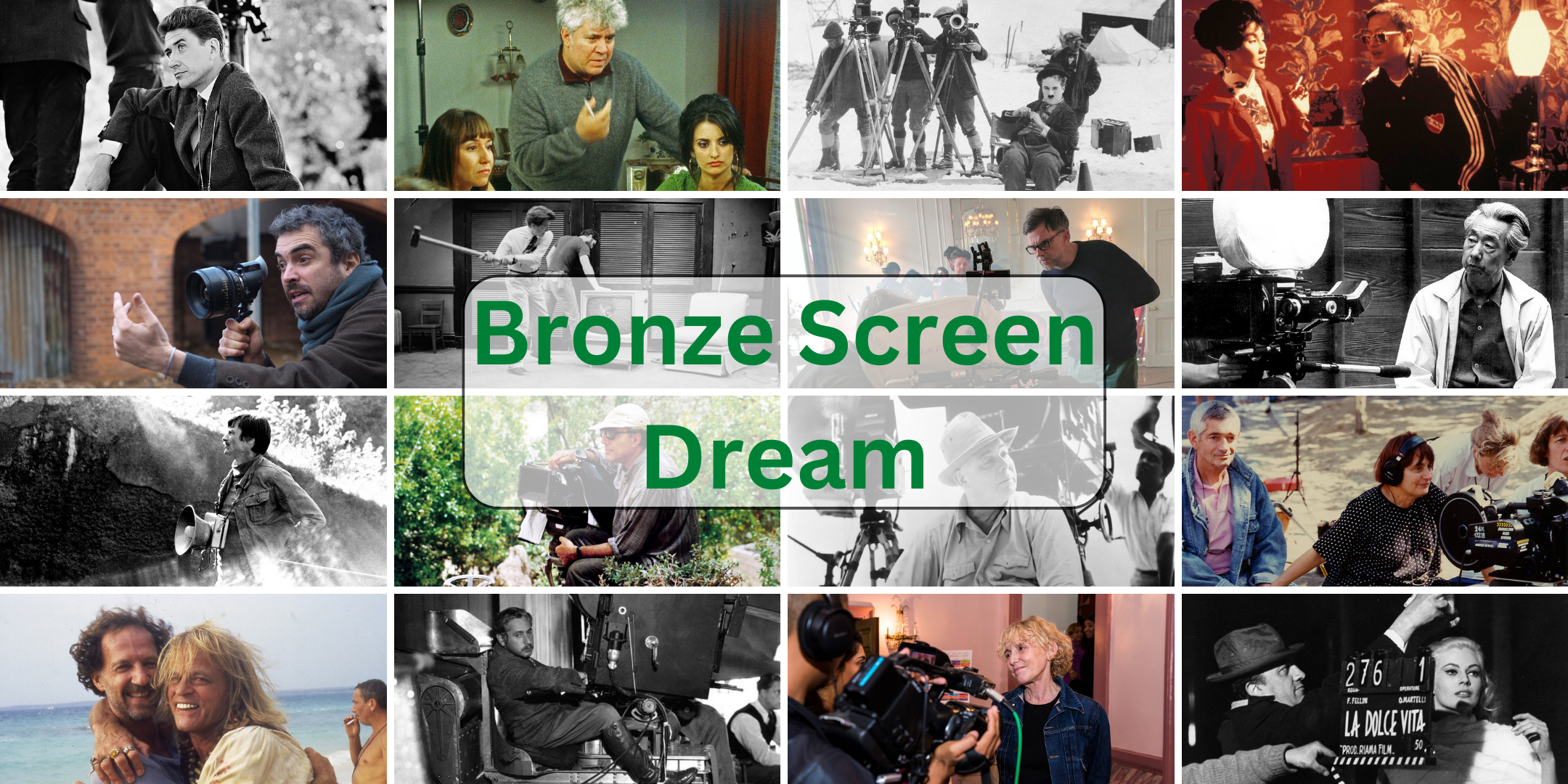
Jean Renoir: The 13th Greatest Director

 Bronze Screen Dream