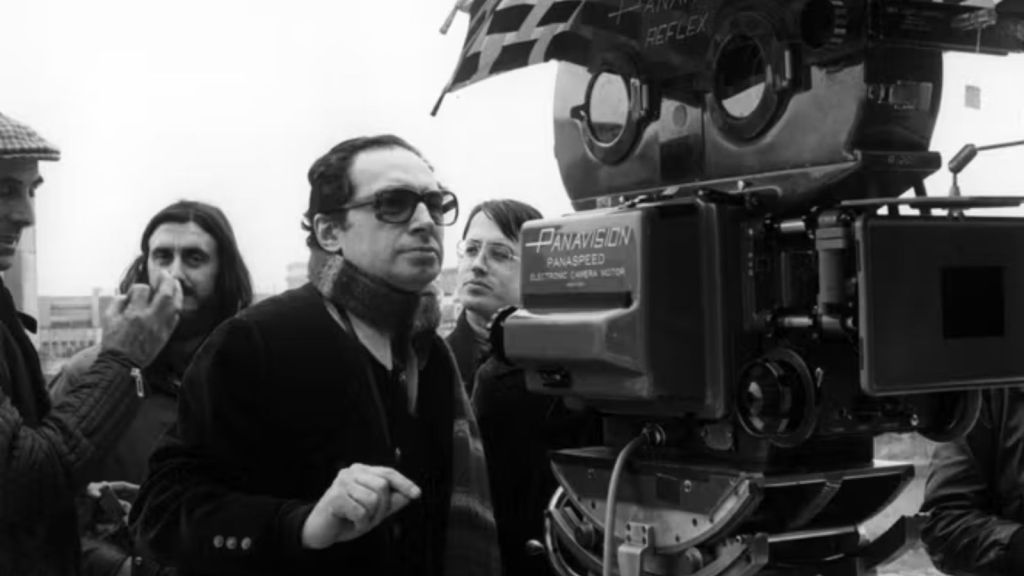
Jean-Charles Tacchella spent nearly thirty years on the edges of French cinema before he ever directed a feature, and the apprenticeship shows. He joined the magazine L’Écran français at nineteen, and was a core part of the proto-New Wave critical establishment with Bazin, Astruc and Leenhardt, before going into TV and screenwriting, though he’d not direct his own feature until he was nearly fifty.
That feature wasn’t the warm comedy he’d become known for. Voyage en Grande Tartarie (1973) follows a man whose wife is murdered in the street, who empties his bank account and walks away from his life, drifting through a France of striking farmers, angry shopkeepers and television broadcasts of summary executions before pairing off with an equally damaged woman on a journey that can only end in death. It’s bleak, strange, and almost nobody talks about it now, but it’s the first sign of a filmmaker interested in people whose lives have quietly come apart underneath a placid surface.
Two years later came the film that made his name. Cousin Cousine (1975), two cousins by marriage who develop a close friendship that turns into a passionate affair once their own spouses prove unfaithful, earned Tacchella the Louis Delluc Prize and Academy Award nominations for Best Foreign Language Film, Best Original Screenplay and Best Actress. It became the 35th highest-grossing film in France that year and broke attendance records at New York’s Paris Theatre. Roger Ebert, reviewing it at the time, called the central couple some of the most engaging and likeable in recent movies, people who, unlike most screen lovers, simply take a direct delight in each other’s existence. Hollywood remade it clumsily in 1989 as Cousins.
He never matched that success again, though he kept working into the 1990s. But they all circle the same themes gently: bourgeois hypocrisy, family structures, love. He kept the critic’s eye and lost most of the critic’s severity, which may be exactly why his peak was a love story rather than a polemic.
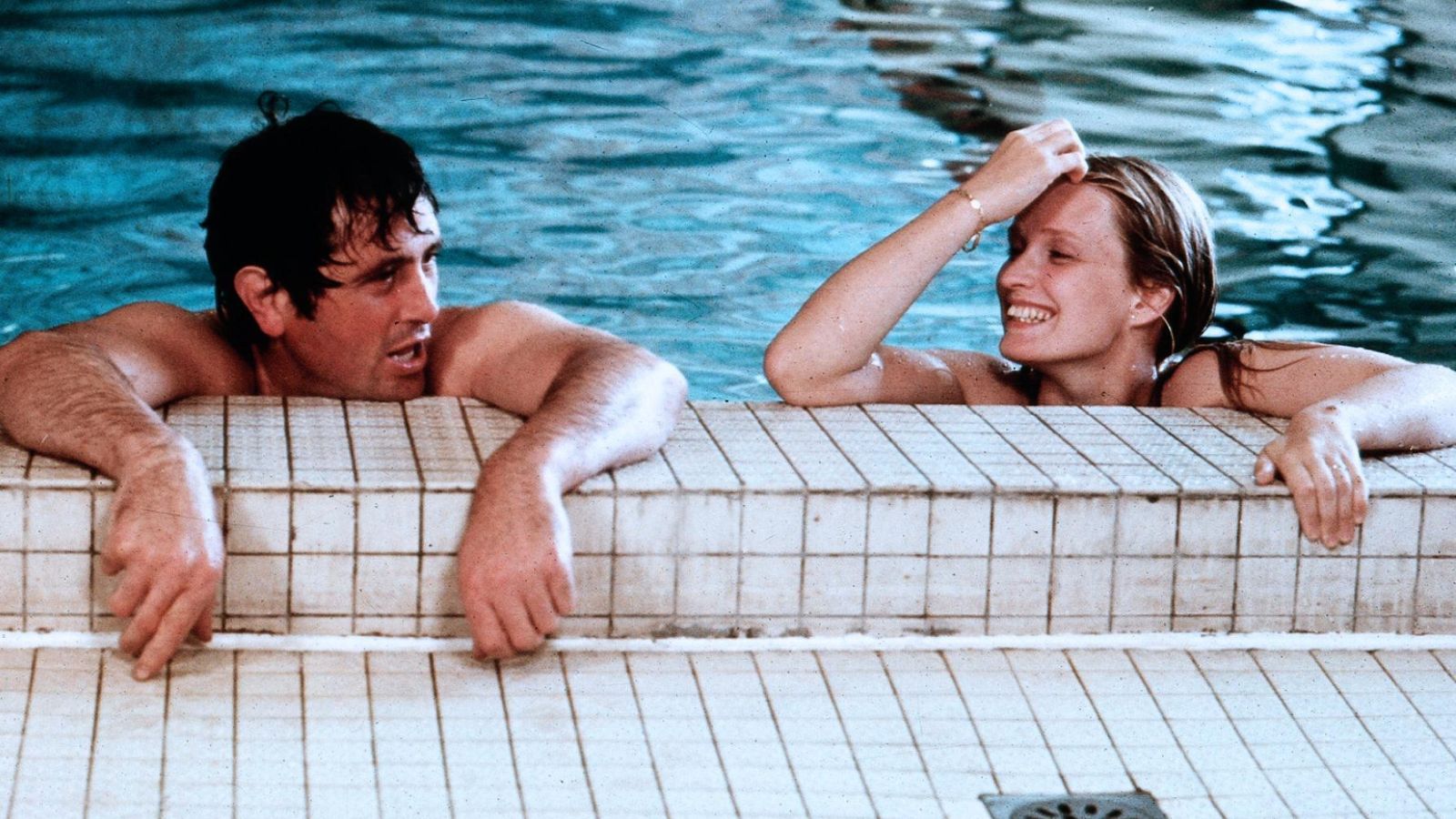
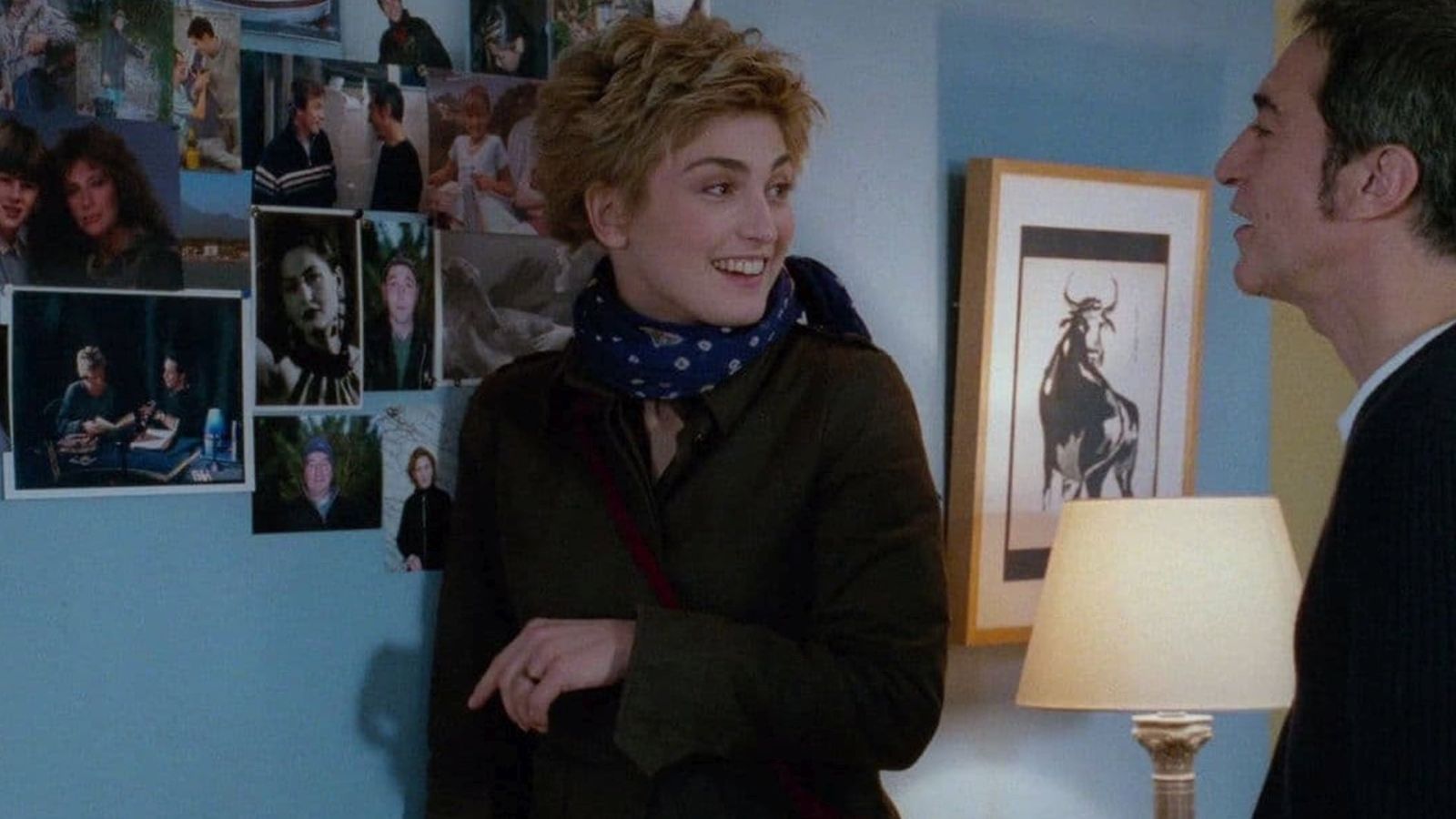
Jean-Charles Tacchella (1925 – 2024)
- 1974: Voyage to Grand Tartarie
- 1975: Cousin Cousine
- 1978: Blue Country
- 1979: Silver Anniversary
- 1981: Croque la vie
- 1985: Escalier C
- 1987: Travelling avant
- 1990: Gallant Ladies
- 1992: The Man of My Life
- 1994: Seven Sundays
- 1999: Les Gens qui s’aiment
- Bourgeois Convention, Quietly Dismantled: Tacchella’s comedies tend to treat the affair, not the marriage, as the healthy choice. Cousin, Cousine is the clearest case: Marthe and Ludovic’s infidelity isn’t punished, hidden, or even much regretted — it plays as the most honest thing either of them does. The films don’t rail against bourgeois life so much as quietly show it being outgrown, with the unconventional choice landing as relief rather than rebellion.
- The Family Event as Stage: Weddings, funerals, a shared staircase of apartments; Tacchella kept building scenes where people who’d normally avoid each other are forced into the same room. Escalier C does it vertically, through a building’s worth of tenants and their overlapping secrets; Cousin, Cousine does it through a calendar of family occasions. Either way, the device is the same: a crowd of relatives and neighbours pressing in on the central story, keeping it loose, busy, and never quite under one person’s control.
- A Camera That Stays Out of the Way: Critics settled early on calling Tacchella a “technician” rather than a stylist, and the description holds. His tracking shots follow people through rooms and streets without announcing themselves, matched to a tone that’s tender toward its characters and sharp in its timing rather than showy in its visuals. Travelling Avant takes its title from this habit. The film is his own tribute to the camera moves he relied on throughout his career.
- A Refusal of Moral Absolutes: Tacchella described his own guiding principle late in life: a horror of manichéisme (refusing to split characters into the good and the bad) because he wanted, in his words, to “be inside all the characters” at once. The result is a body of work without true villains. Even the unfaithful husband, the cold wife, the cynical building tenant in Escalier C are given enough interior life that the audience’s sympathy keeps shifting rather than settling, and judgment is something the films withhold almost on principle.
- The Critic Who Never Quite Stopped: Tacchella spent decades as a journalist and cine-club founder before he directed anything, and that history kept resurfacing on screen; not as references, but as a recurring interest in how people fall in love with cinema and what it costs them to live alongside ordinary life. Travelling avant makes it explicit, returning to the postwar Paris cine-clubs he’d actually helped found, but the same nostalgic, self-aware thread runs quieter through the rest of the work.
- Agnes Jaoui
- Cedric Klapisch
- Claude Sautet
- Daniele Thompson
- Denys Arcand
- Eric Rohmer
- Ettore Scola
- Pascal Thomas
- Philippe de Broca
- Yves Robert
Biography
Coming soon

