
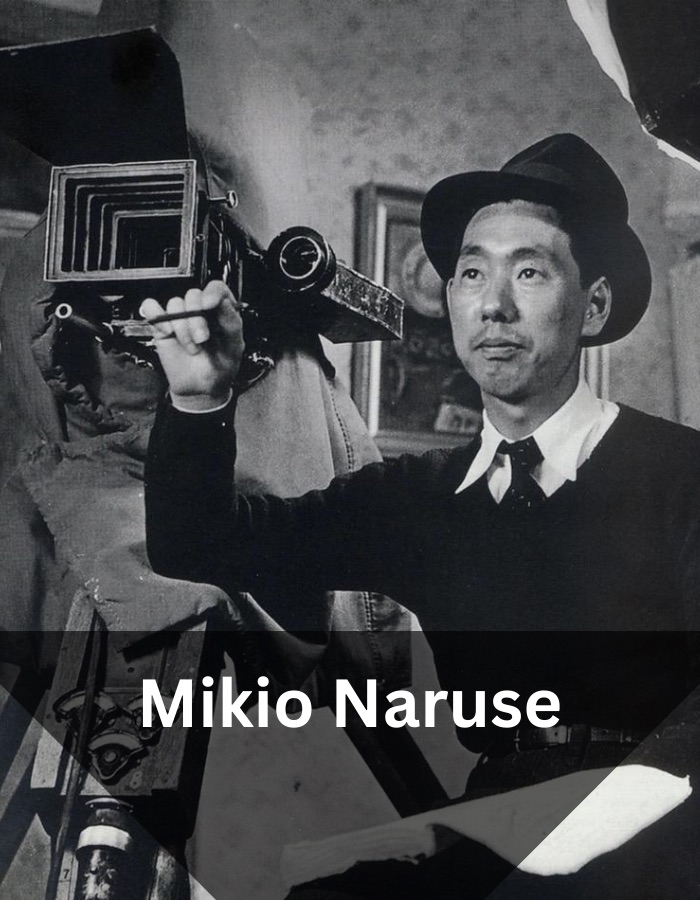
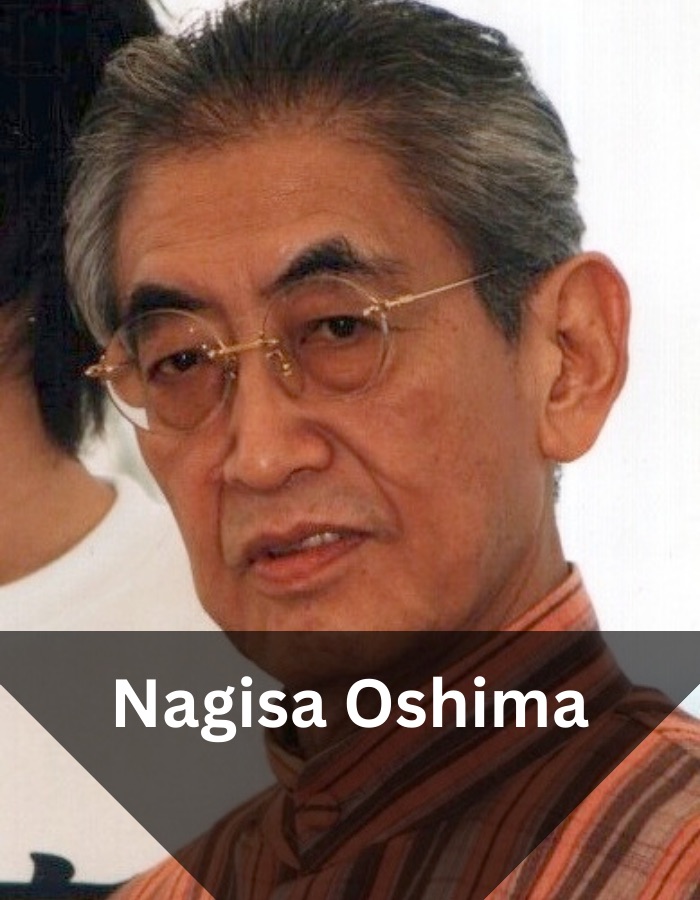
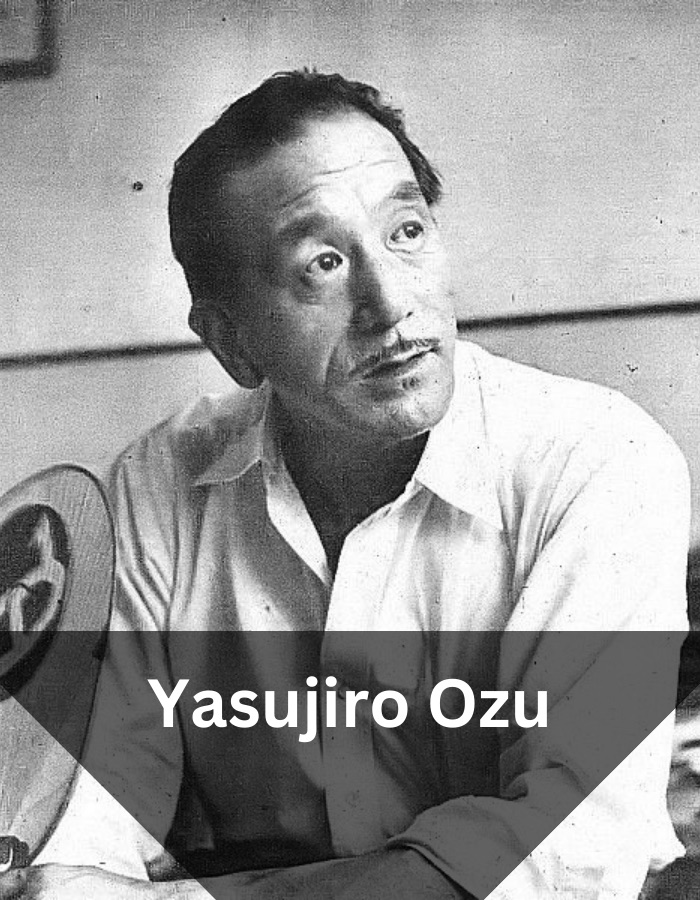
Below are some of the best Japanese directors ever. Click on their pictures to discover more about them.






A Brief History of Japanese Post-War Social Criticism Films
Japanese cinema in the post-war era experienced a remarkable transformation, marked by the emergence of directors who used their craft to critically examine and comment on the social, political, and cultural upheavals of their time. This period, extending from the late 1940s through the 1960s, saw Japan grappling with the aftermath of World War II, the occupation by Allied forces, and the rapid modernisation and westernisation of its society. In this milieu, several directors stood out for their incisive social critique through film.
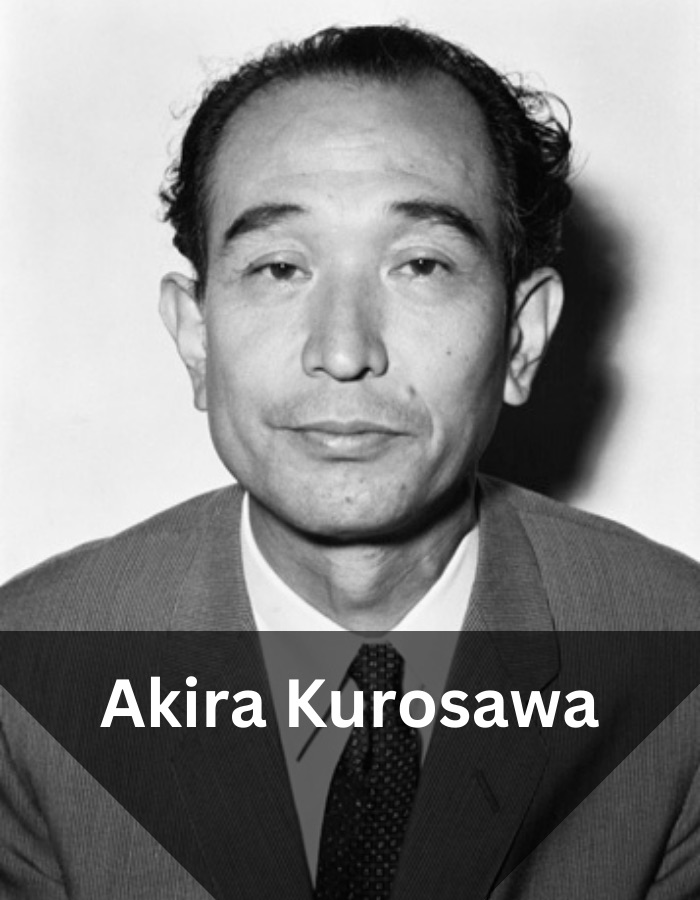
One of the most prominent figures in this movement was Akira Kurosawa. Known for his epic storytelling and technical prowess, Kurosawa’s films often reflected the moral and ethical dilemmas facing Japanese society. His masterpiece, “Rashomon”, challenged the nature of truth and perception, reflecting the confusion and moral ambiguity of post-war Japan. Another significant work, “Ikiru”, poignantly addresses the struggles of an individual against the backdrop of a bureaucratically paralysed, post-war Japanese society.
Yasujiro Ozu, a pre-war director, offered a more subdued but equally powerful critique of post-war Japanese society. His films, like “Tokyo Story” and “Late Spring”, often explored the generational conflicts and the disintegration of traditional family structures amidst the changing Japanese landscape. Ozu’s minimalist style and deep focus on the subtleties of human relationships provided a poignant reflection of the everyday lives of ordinary Japanese people struggling to adapt to the new realities of post-war life.
 Bronze Screen Dream