Kenji Mizoguchi

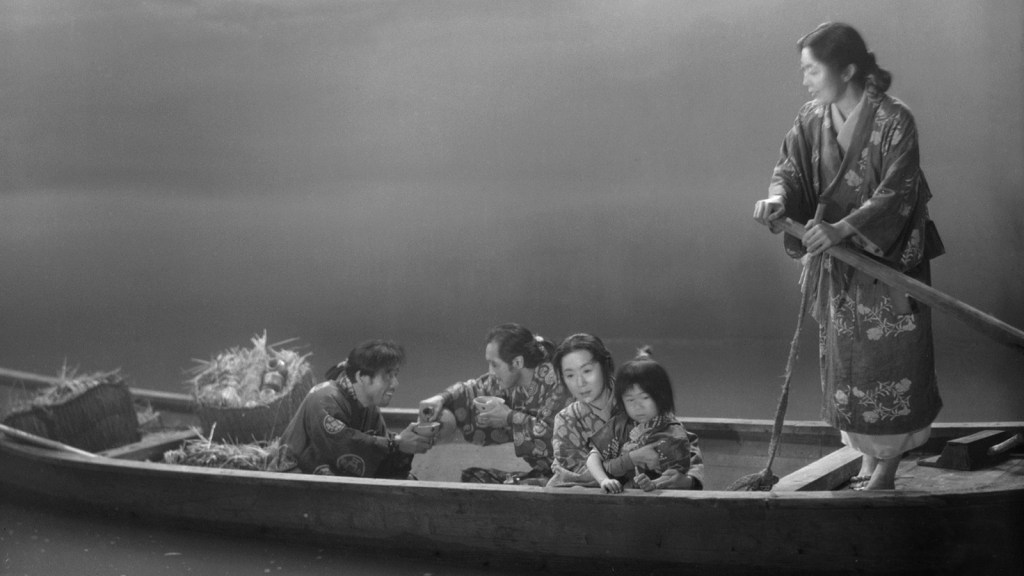
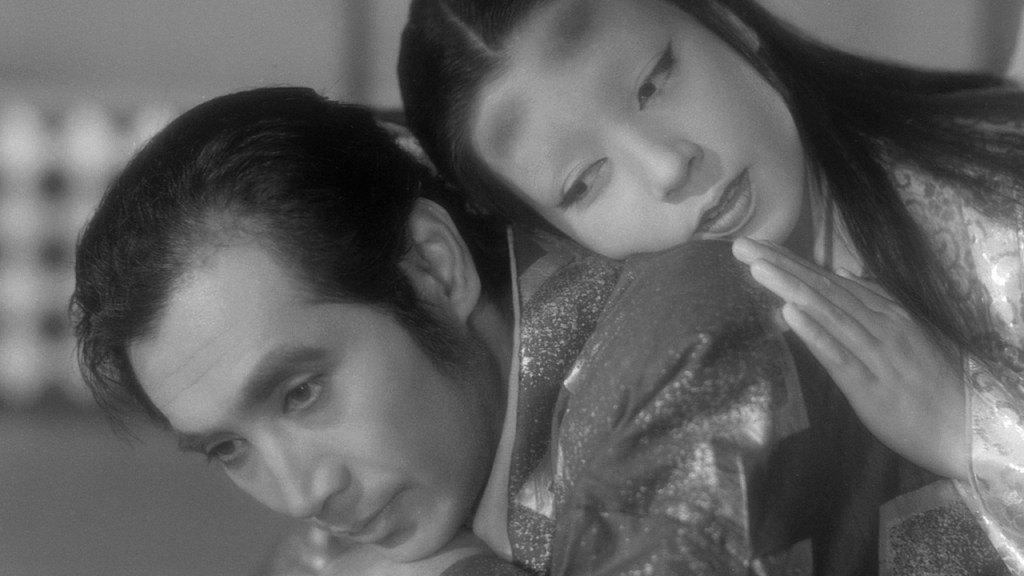
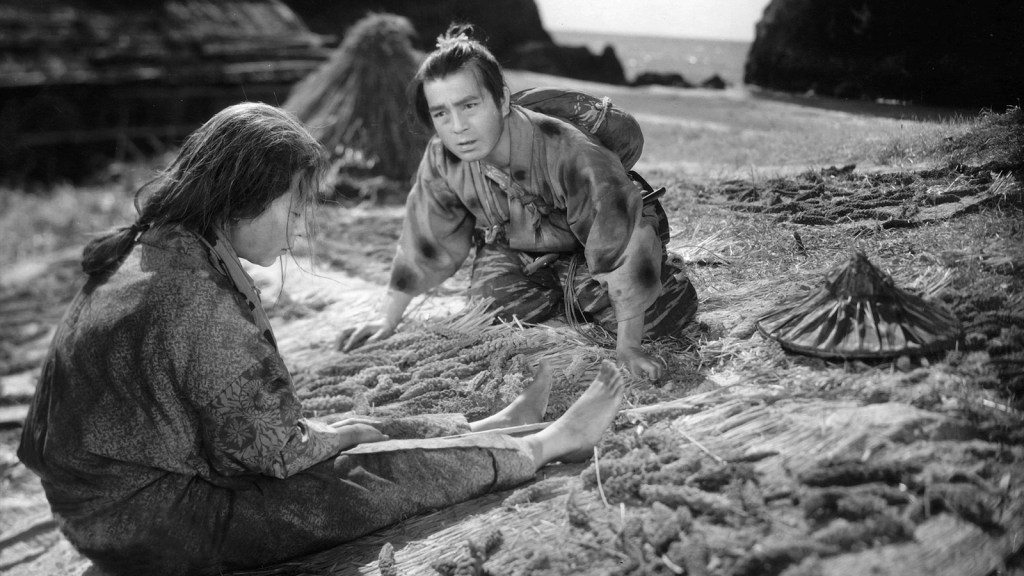
Kenji Mizoguchi made roughly ninety films across thirty years, and for a long time most of them were simply unavailable outside Japan — which means his reputation was built almost entirely on a handful of late masterpieces made in the last five years of his life. That those films — Ugetsu, The Life of Oharu, Sansho the Bailiff — were enough to place him among the very greatest directors says something about the intensity of what he achieved.
His subject, across almost the entire career, was women — their suffering within a patriarchal society, their resilience, their capacity for sacrifice that the world around them rarely deserves. This wasn’t sentimentality; it was close to fury dressed in aesthetic restraint. The long, gliding takes that define his visual style — camera moving with the unhurried fluency of someone who has all the time in the world — create a kind of witness. You are made to watch what happens to these women fully, without the relief of a cut.
He came out of the silent era and never really lost its discipline of pure image-making. The theatrical traditions of Noh and Kabuki run underneath the surface, giving his films a ceremonial weight that feels earned rather than imposed. His collaboration with cinematographer Kazuo Miyagawa, which produced Ugetsu and Sansho, is one of the great director-DP partnerships in cinema history.
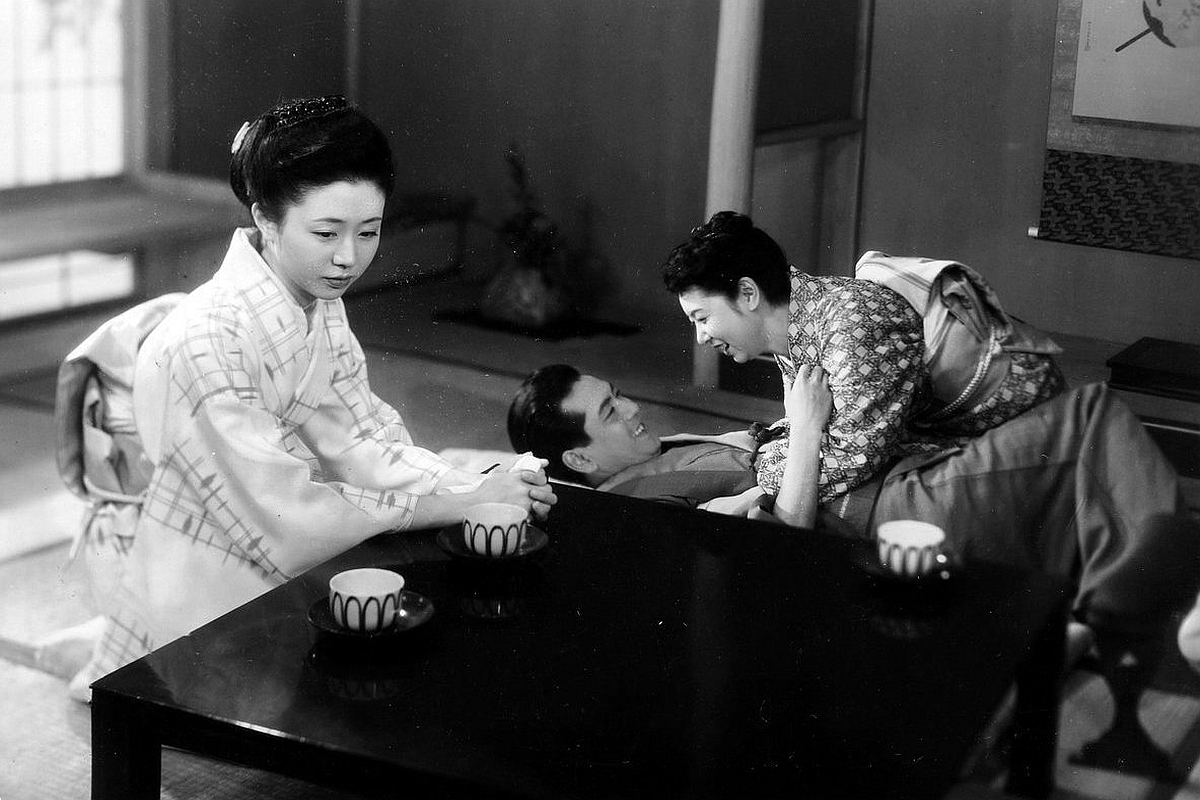
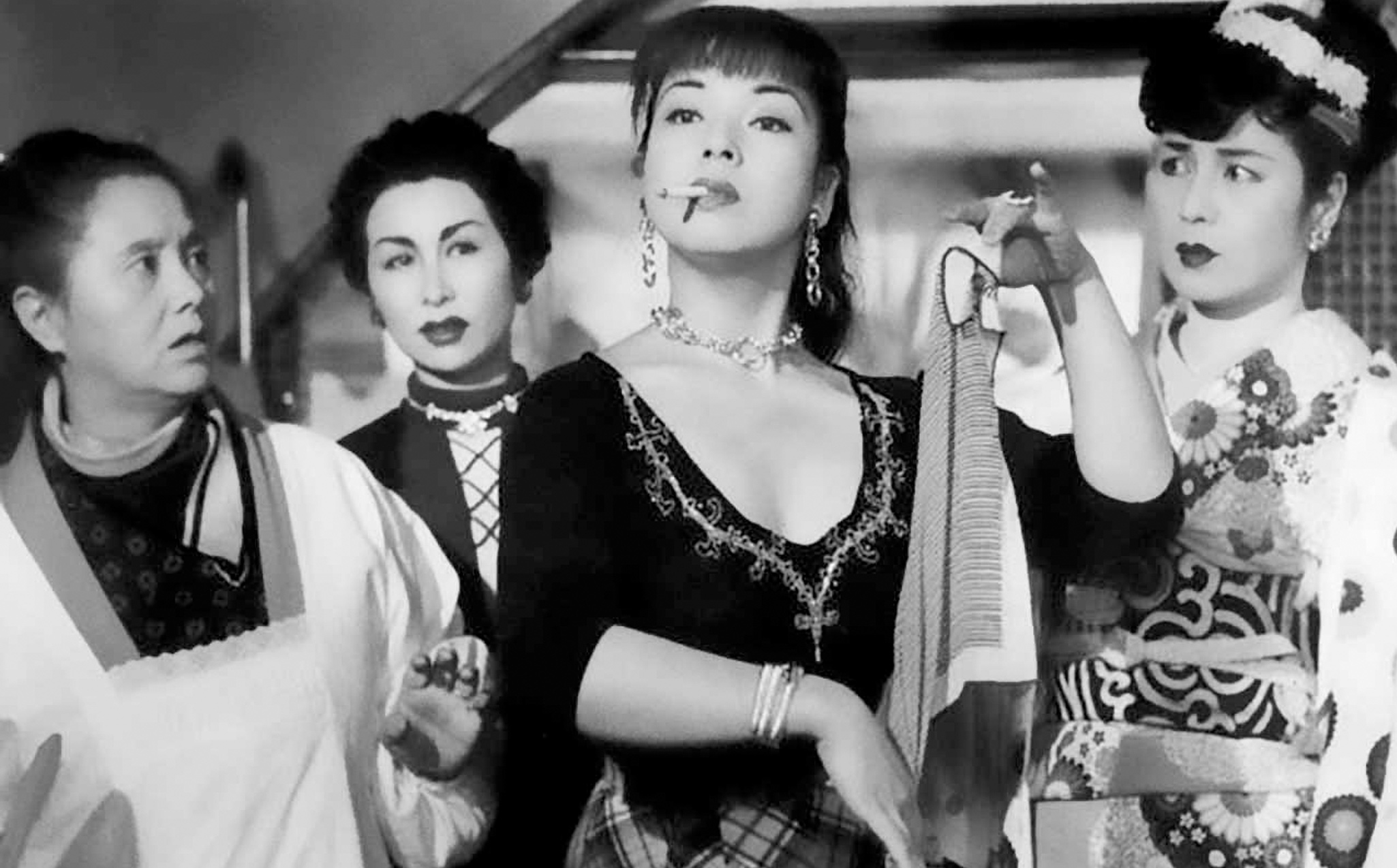
Kenji Mizoguchi (1898 – 1956)
- 1923 – Kokyo
- 1926 – The Love-Mad Tutoress
- 1926 – A Paper Doll’s Whisper of Spring
- 1933 – The Water Magician
- 1934 – The Downfall of Osen
- 1936 – Osaka Elegy
- 1936 – Sisters of the Gion
- 1937 – The Straits of Love and Hate
- 1939 – The Story of the Last Chrysanthemums
- 1941 – The 47 Ronin
- 1944 – Miyamoto Musashi
- 1946 – Utamaro and His Five Women
- 1948 – Women of the Night
- 1949 – My Love Has Been Burning
- 1950 – Portrait of Madame Yuki
- 1951 – The Lady from Musashino
- 1951 – Miss Oyu
- 1952 – The Life of Oharu
- 1953 – Gion bayashi
- 1953 – Ugetsu monogatari
- 1954 – Chikamatsu monogatari
- 1954 – Sansho the Bailiff
- 1954 – The Woman of Rumour
- 1955 – Princess Yang Kwei Fei
- 1955 – Taira Clan Saga
- 1956 – Street of Shame
- Women’s plight: Mizoguchi often portrayed the challenges faced by women in Japanese society. Films like Ugetsu and The Life of Oharu showcase their suffering, sacrifices, and resilience amidst societal constraints.
- Historical narratives: Many of Mizoguchi’s works, such as Sansho the Bailiff, are set in historical contexts. These narratives shed light on sociopolitical dynamics, class struggles, and individual destinies intertwined with larger historical events.
- Social injustices: A recurring motif is the focus on social inequalities and the intricacies of the class system. Films like Osaka Elegy tackle issues related to class, corruption, and morality.
- Spirituality and the supernatural: Elements of the supernatural, often influenced by traditional Japanese folklore, are evident in movies like Ugetsu. These elements serve as metaphors for deeper human emotions and societal conditions.
- Long takes: Mizoguchi was known for his prolonged shots that allowed scenes to unfold organically, giving audiences a more immersive experience. This technique also emphasised the actors’ performances and the mise-en-scène.
- Elevated camera angles: Many of his films feature high-angle shots, which give a bird’s-eye view of the characters and landscapes, thereby portraying a detached, observational perspective.
- Elegant mise-en-scène: He often arranged elements within a scene – characters, props, and settings – in a meticulous manner. This detailed composition contributed to the poetic and evocative ambience of his films.
- Fluid camera movements: The camera in Mizoguchi’s films often moves seamlessly, following characters or capturing the environment, creating a lyrical flow that complements the narrative’s emotional depth.
- Female protagonists: Mizoguchi’s deep empathy for women is evident in the way he placed them at the centre of his narratives. They are not just victims but resilient fighters, reflecting the director’s critique of societal norms.
- Historical authenticity: Even when setting films in historical times, Mizoguchi ensured costumes, sets, and other details were historically accurate, reinforcing the authenticity of the narrative.
- Collaborative approach: He had a profound respect for his actors and crew, often involving them in discussions about the film’s direction. This collaborative environment enriched the storytelling process.
- Personal connection: Many of Mizoguchi’s films are believed to be influenced by personal experiences, especially the tragic events in the lives of the women close to him. This personal touch added layers of depth and sincerity to his narratives.
- Akira Kurosawa
- Chen Kaige
- Heinosuke Gosho
- Hiroshi Inagaki
- Hiroshi Shimizu
- Hou Hsiao-hsien
- Kaneto Shindo
- Keisuke Kinoshita
- Kinuyo Tanaka
- Kon Ichikawa
- Masaki Kobayashi
- Mikio Naruse
- Satyajit Ray
- Tian Zhuangzhuang
- Tomu Uchida
- Yasujiro Ozu
- Yoshitaro Nomura
- Zhang Yimou
Read More About Kenji Mizoguchi
Coming soon as posts added