
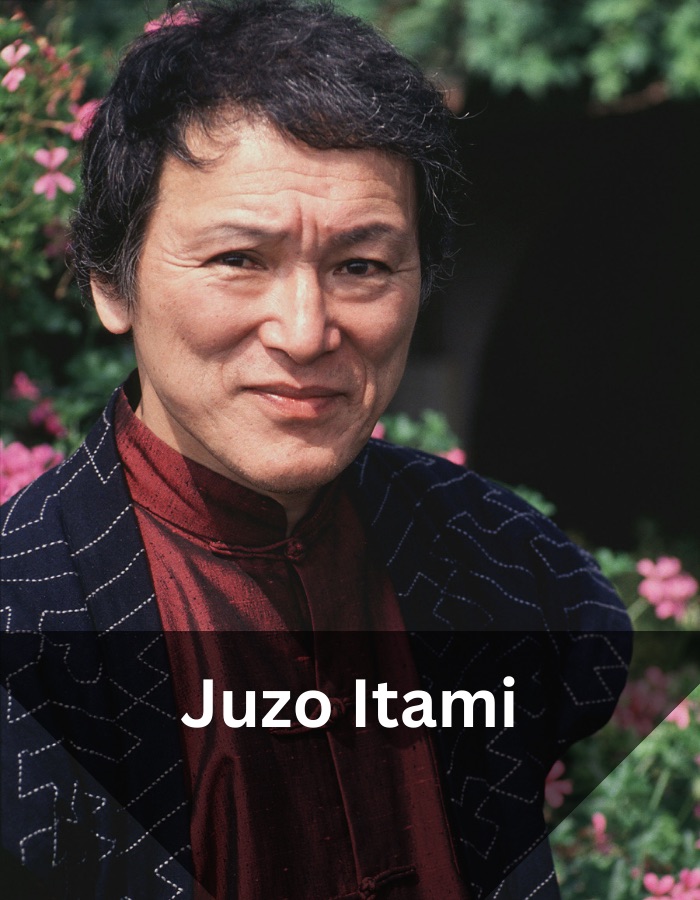
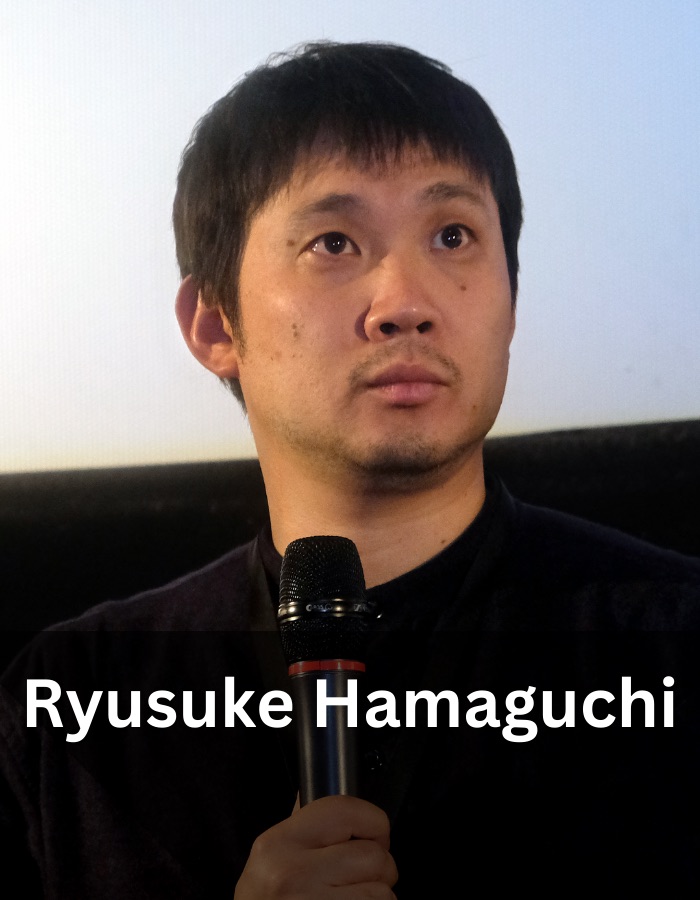
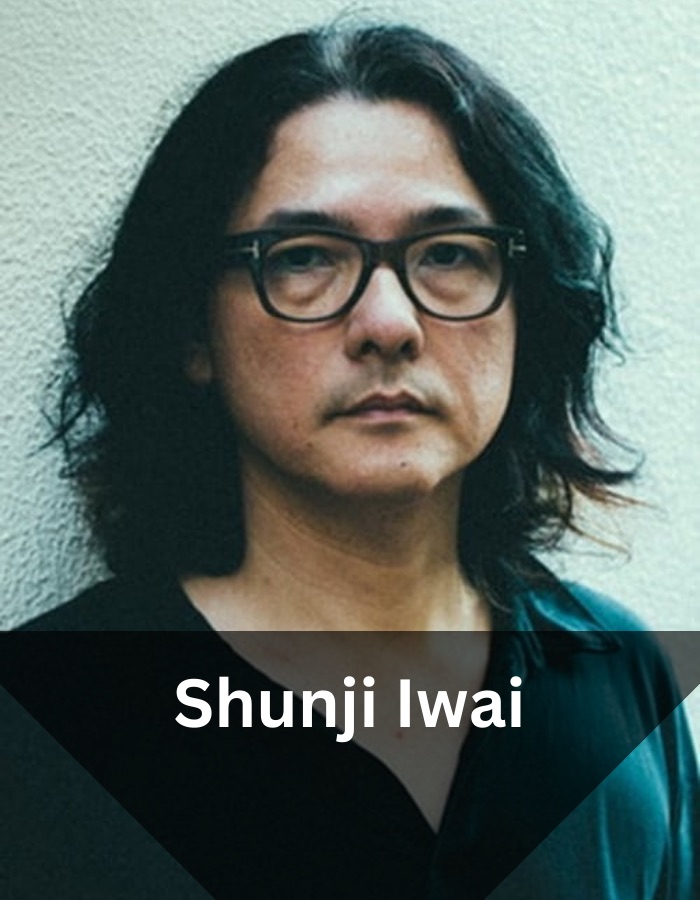
Below are some of the best Japanese directors ever. Click on their pictures to discover more about them. This group includes modern directors not classic directors.



A Brief History of Japanese Humanist Films
Japanese humanist cinema, often characterised by its compassionate portrayal of ordinary people navigating life’s challenges, has a rich and varied history. This film movement emerged in post-World War II Japan, a period marked by societal upheaval and reconstruction. Filmmakers like Yasujirō Ozu and Kenji Mizoguchi were pioneers, focusing on the subtleties of everyday life and the resilience of the human spirit. Their films often highlighted the struggles of the working class, the changing dynamics of family life, and the societal impacts of modernisation.
This genre has remained a mainstay in Japanese cinema ever since. To this day, it remains one of the cornerstones of the industry, with contemporary directors like Hirokazu Kore-eda who create films that explore similar themes to his predecessors with a modern sensibility. Kore-eda’s “Shoplifters”, which delves into the lives of a makeshift family of small-time crooks, is a modern interpretation of the humanist ideals, focusing on the nuances of interpersonal relationships and societal marginalisation.
Other notable modern directors are Naomi Kawase and Ryusuke Hamaguchi. Kawase’s films, known for their poetic visual style and deep emotional resonance, often explore the themes of nature, memory, and personal connections. Similarly, Ryusuke Hamaguchi has gained international recognition for his unique approach to humanist storytelling. His film “Happy Hour” and the more recent “Drive My Car” display a careful exploration of human relationships, emotions, and the complexities of communication.
 Bronze Screen Dream