

Jacques Rivette was an influential French director known for his distinctive and unique approach to filmmaking. A key figure in the French New Wave movement, Rivette created a body of work that stood apart for its extensive use of improvisation, long runtimes, and strong theatrical influences. His films often centred on strong, complex female characters and featured surreal elements, conspiracy themes, and an array of cinematic references. Notable works such as Out 1, Celine and Julie Go Boating, and La Belle Noiseuse showcase his commitment to creating films that are both deeply engaging and distinctly his own.
Rivette’s journey into filmmaking was deeply interwoven with his love for the theatre and cinema. Beginning his career as a film critic for ‘Cahiers du Cinéma’, his engagement with the French New Wave movement fundamentally shaped his directorial style. He brought a collaborative approach to his work, often developing storylines and characters in concert with his actors, reflecting his respect for the creative process and the spontaneity it can produce.
Rivette’s films’ long runtimes and improvisational nature are two of their most striking characteristics. He was unafraid to let his narratives unfurl naturally, resulting in films that sometimes exceeded three hours, with Out 1 even reaching thirteen hours. This leisurely exploration of narrative allowed for an organic spontaneity to emerge within scenes, lending his films a unique energy and vitality.
Rivette’s Enigmatic Movies
Rivette’s work was often punctuated with themes of conspiracy and paranoia, with his characters frequently entangled in complex, mysterious plots. These themes were further enhanced by his usage of surreal elements, adding a sense of unpredictability and mystique. His love for cinema was evident in the frequent references to other films and filmmakers in his works, often paying homage to classic cinema and genre films. Moreover, his work often illustrated his appreciation for theatre, utilising rehearsal spaces as settings and exploring the dynamics between actors and their characters.
The visual style of Rivette’s films was often characterised by a blend of realism and fantasy, creating an enigmatic atmosphere that pervaded his work. Women often played central roles, depicted as strong, complex individuals navigating mysterious circumstances, as notably seen in Celine and Julie Go Boating. Additionally, his attention to music selection was a vital part of his filmmaking, adding layers of narrative depth and atmosphere.
Rivette’s influence on cinema extended beyond France, inspiring directors worldwide with his unique approach to storytelling. Filmmakers like David Lynch and Leos Carax have acknowledged his influence on their work, marking his international impact. While less known than some of his New Wave contemporaries, Rivette’s work garnered significant critical recognition, solidifying his status as an important figure in cinema. His unique style, thematic concerns, and innovative techniques continue influencing and inspiring filmmakers, securing his legacy within film history.

Jacques Rivette (1928 – 2016)
Calculated Films:
- The Nun (1966)
- L’Amour Fou (1969)
- Out 1 (1971)
- Celine and Julie Go Boating (1974)
- Duelle (1976)
- Le Pont du Nord (1981)
- Gang of Four (1989)
- La Belle Noiseuse (1991)
- Joan The Maid II: The Prisons (1994)
- Up, Down, Fragile (1995)
- The Story of Marie and Julien (2003)
- The Duchess of Langeais (2007)
Similar Filmmakers


Jacques Rivette’s Top 10 Films Ranked
1. Out 1 (1971)
Genre: Mystery, Drama

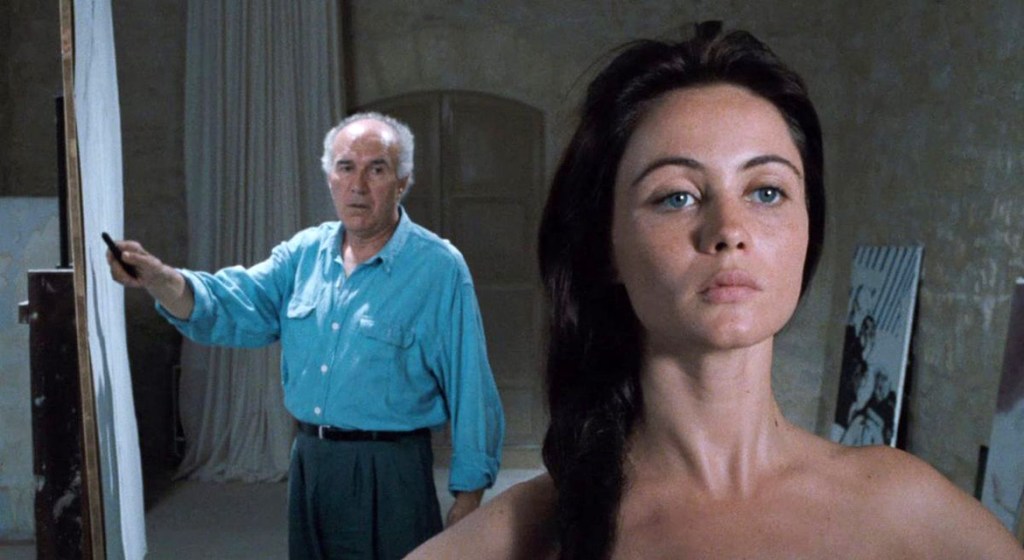
2. La Belle Noiseuse (1991)
Genre: Drama
3. Celine and Julie Go Boating (1974)
Genre: Low Fantasy, Surrealism, Mystery, Magical Realism, Comedy

4. L’Amour Fou (1969)
Genre: Drama, Romance, Slice of Life
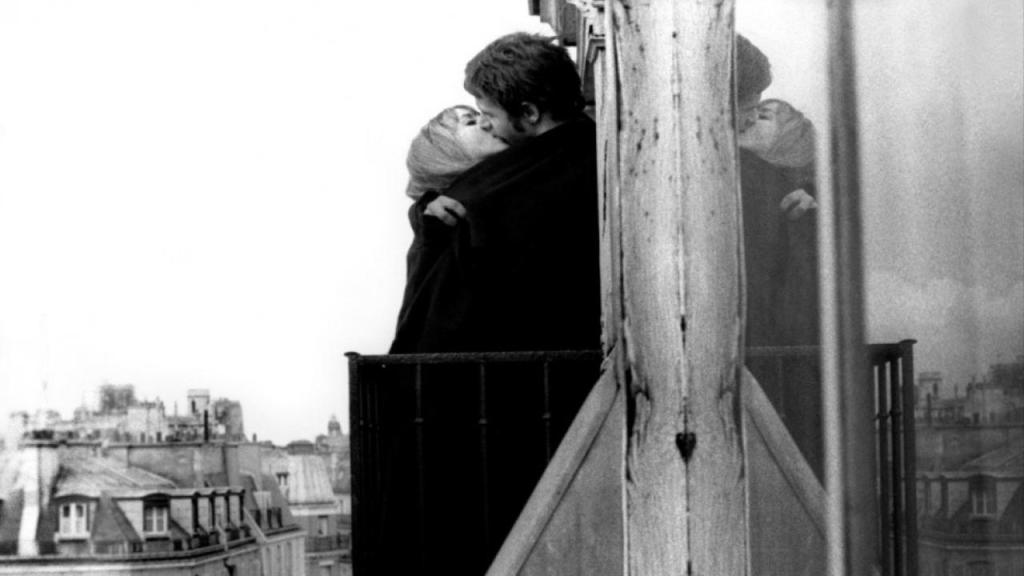
5. Up, Down, Fragile (1995)
Genre: Mystery, Musical, Drama, Comedy

6. Joan The Maid II: The Prisons (1994)
Genre: Period Drama, Biographical, Medieval

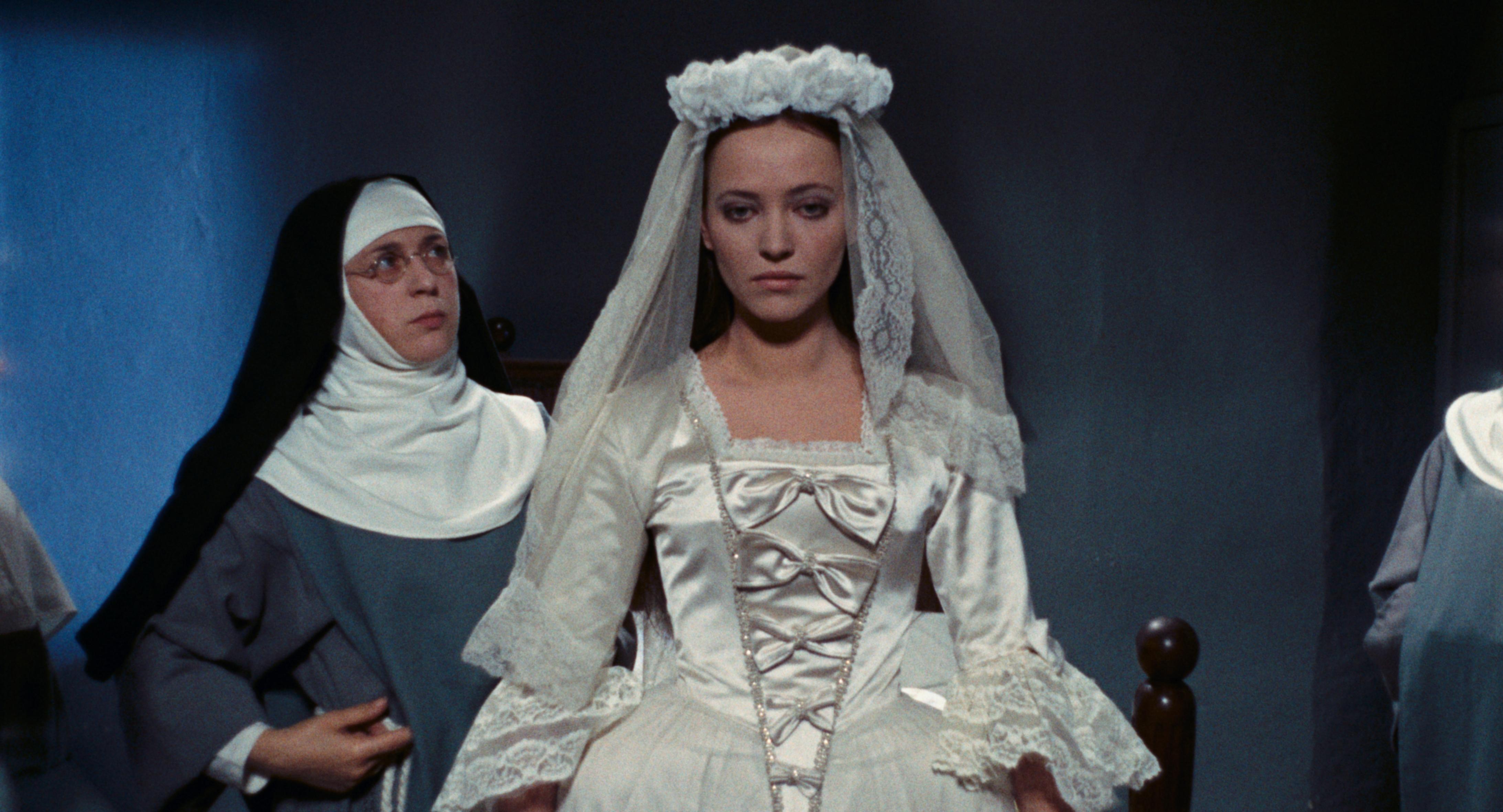
7. The Nun (1966)
Genre: Psychological Drama, Period Drama

8. Duelle (1976)
Genre: Mystery, Low Fantasy, Surrealism
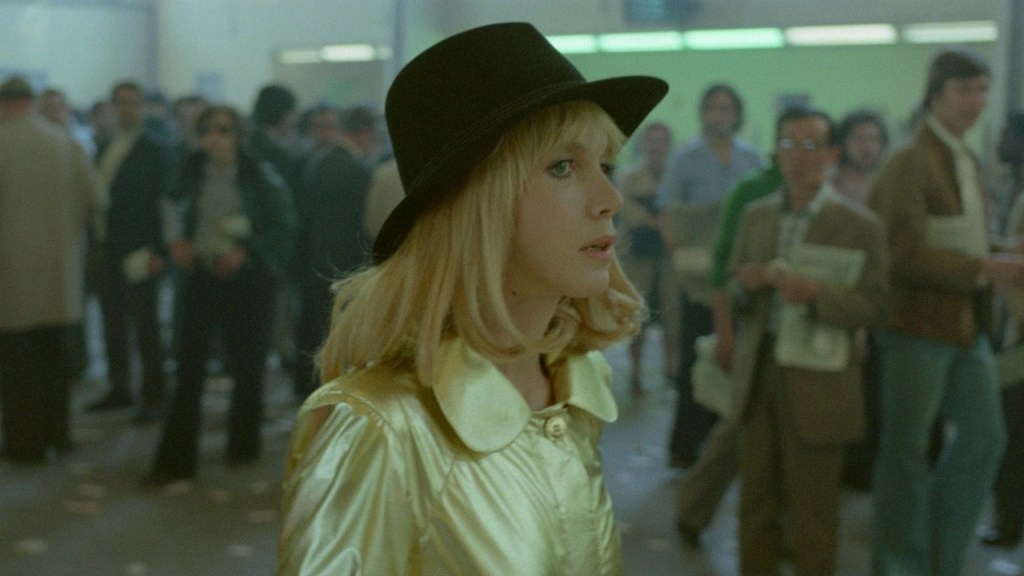
9. Joan The Maid I: The Battles (1994)
Genre: Period Drama, Biographical, Medieval

10. Gang Of Four (1989)
Genre: Drama, Mystery

Jacques Rivette: Themes and Style
Themes:
- Exploration of Performance and Artifice: Rivette often delved into the boundaries between performance and reality. In La Belle Noiseuse, the act of painting becomes a metaphor for the creative process itself, blurring the lines between the artist’s life and the art created.
- Conspiracy and Paranoia: Films like Out 1 are steeped in a sense of conspiracy, suggesting larger unseen forces at play within society. This theme is often explored through a complex, enigmatic narrative that engages the audience in a form of participatory detective work.
- The Enigmatic and the Mystical: Rivette was fascinated by the mystical and the unknown. In Céline and Julie Go Boating, the boundaries of the magical and the every day are blurred, creating a world where anything seems possible.
- Female-Centric Narratives: He often placed women at the centre of his stories, exploring their relationships, inner lives, and struggles. La Religieuse is a prime example, focusing on a woman’s resistance against oppressive structures.
Styles:
- Extended Duration: Rivette’s films, such as Out 1, are known for their lengthy running times, which allow for a deep exploration of characters and themes and an immersion into the film’s world that standard-length films seldom achieve.
- Improvisational Approach: He frequently employed improvisation, allowing his actors to contribute to the dialogue and the development of the plot. This style is evident in L’Amour fou, where the actors’ improvisations add authenticity to the portrayal of a troubled relationship.
- Theatricality: His work often exhibits a strong theatrical influence, incorporating play within a play structures and the use of theatrical spaces. In Paris nous appartient, the rehearsals for a play serve as a backdrop for a larger, more ominous drama.
- Use of Metafiction: Rivette enjoyed playing with the concept of a story within a story, where characters might be aware they are part of a narrative. This is particularly prominent in Céline and Julie Go Boating, where the line between the audience and the performance becomes increasingly blurred.
Directorial Signature:
- Collaborative Creation: Rivette was known for his collaborative spirit, often developing scripts with his actors and allowing them space to bring their own ideas to the film, creating a sense of collective authorship.
- Network of Allusions: His films are dense with literary and cinematic references, creating a rich tapestry that rewards viewers familiar with his influences. Out 1 is a labyrinthine web of allusions to texts like Balzac’s History of the Thirteen and Lewis Carroll’s works.
- Elusive Storytelling: Rivette’s narratives are often complex and elusive, resisting easy interpretation. The storylines in films like Duelle and Noroît are labyrinthine, encouraging multiple viewings and deep analysis.
- Magical Realism: Elements of magical realism are a hallmark of his films, where fantastical elements are treated with a matter-of-fact normalcy. Céline and Julie Go Boating is a quintessential example, engaging with the supernatural playfully and whimsically.
Jacques Rivette: The 81st Greatest Director



 Bronze Screen Dream