
Jacques Becker was a significant French director known for his richly detailed and humane storytelling style. With an oeuvre encompassing a range of genres, Becker’s work is marked by its evocative characters, deep sensitivity, and finely crafted narrative. Some of his most notable films include Casque d’Or and Touchez Pas au Grisbi, which represent his mastery in portraying the complexity of human relationships and the unvarnished reality of French society.
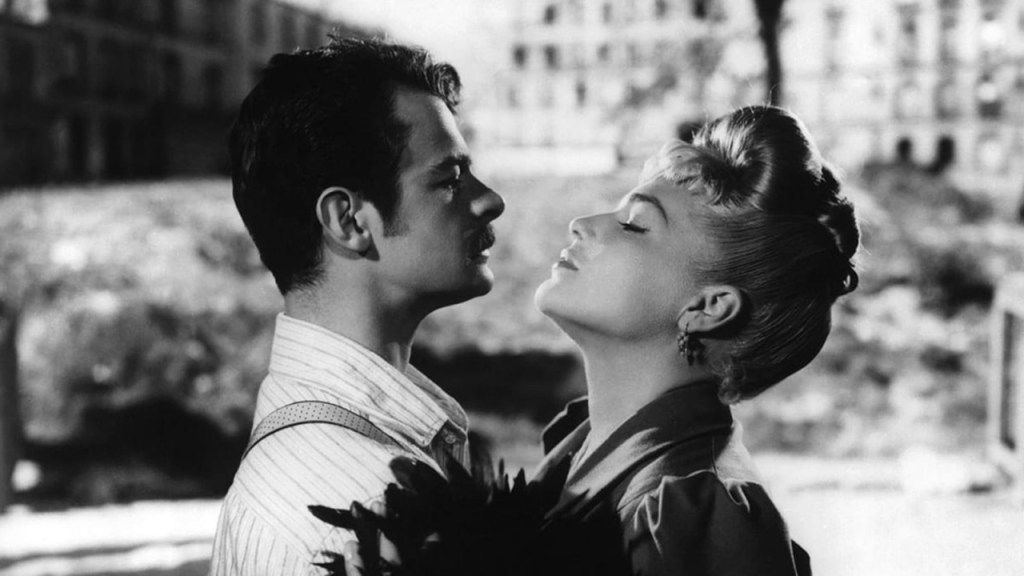
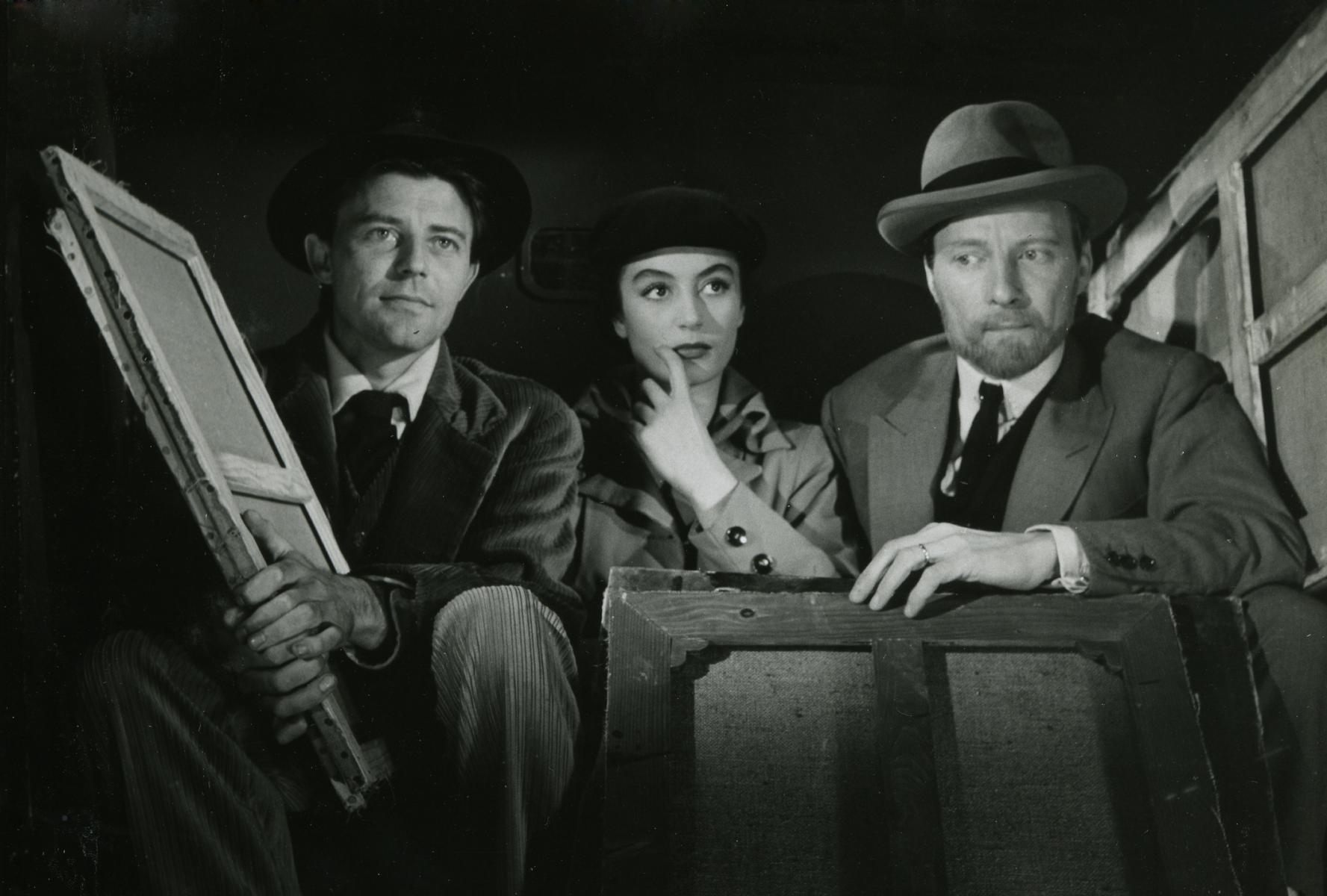
Becker’s entry into filmmaking was greatly influenced by his early association with Jean Renoir, one of the pioneers of French cinema, with whom Becker served as an assistant director. This experience was formative, helping to shape Becker’s filmmaking style that valued the representation of genuine human experiences. A recurring motif in his work is the exploration of the dynamics of love and friendship. For instance, in Casque d’Or, he depicted a tragic love story set within the Parisian underworld, revealing the intricacies of love and its implications in a complex social environment.
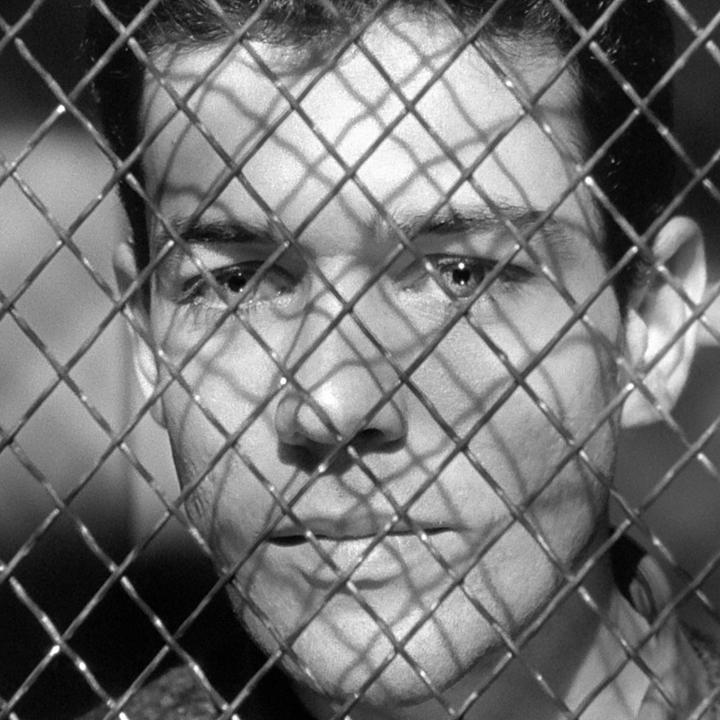
Becker’s visual style is characterised by its emphasis on naturalism, with meticulous attention to settings and period detail. His films possess a strong sense of place, often portraying Parisian life intimately. In Le Trou, Becker’s use of an actual prison for filming, combined with his attention to the authenticity of the prisoners’ experiences, underscores his commitment to naturalistic storytelling.
The Missing Link Between Poetic Realism and The French New Wave
Moreover, Becker’s films are renowned for their narrative efficiency and thoughtful character development. His ability to delve into the nuances of his characters’ lives, even within the constraints of genre conventions, is a defining feature of his work. In Touchez Pas au Grisbi, Becker portrays an ageing gangster with a level of empathy and complexity that transcends the standard crime thriller, exploring themes of ageing and friendship in the process.
Becker’s influence on French cinema and global cinema is profound. His commitment to naturalism and detailed characterisation inspired the French New Wave filmmakers, including François Truffaut and Jean-Luc Godard. While Becker’s work was somewhat overlooked during his lifetime, there has been a critical reappraisal acknowledging his significant contributions to French cinema in recent years.

Jacques Becker (1906 – 1960)
Calculated Films:
- It Happened At The Inn (1943)
- Casque D’Or (1952)
- Touchez Pas Au Grisbi (1954)
- Le Trou (1960)
Similar Filmmakers
- Alexandre Astruc
- Bertrand Tavernier
- Claude Sautet
- Eric Rohmer
- Francois Truffaut
- Gilles Grangier
- Henri-Georges Clouzot
- Jean Gremillon
- Jean-Paul Le Chanois
- Jean-Pierre Melville
- Jean Renoir
- Julien Duvivier
- Marcel Carne
- Pierre Chenal
- Rene Clair
- Rene Clement
- Robert Bresson
- Roberto Rossellini


Jacques Becker’s Top 10 Films Ranked
1. Le Trou (1960)
Genre: Prison Film, Drama

2. Casque d’Or (1952)
Genre: Drama, Romance, Crime
3. Touchez Pas Au Grisbi (1954)
Genre: Polar, Gangster Film

4. The Lovers of Montparnasse (1958)
Genre: Drama, Biographical

5. It Happened At The Inn (1943)
Genre: Whodunit, Drama
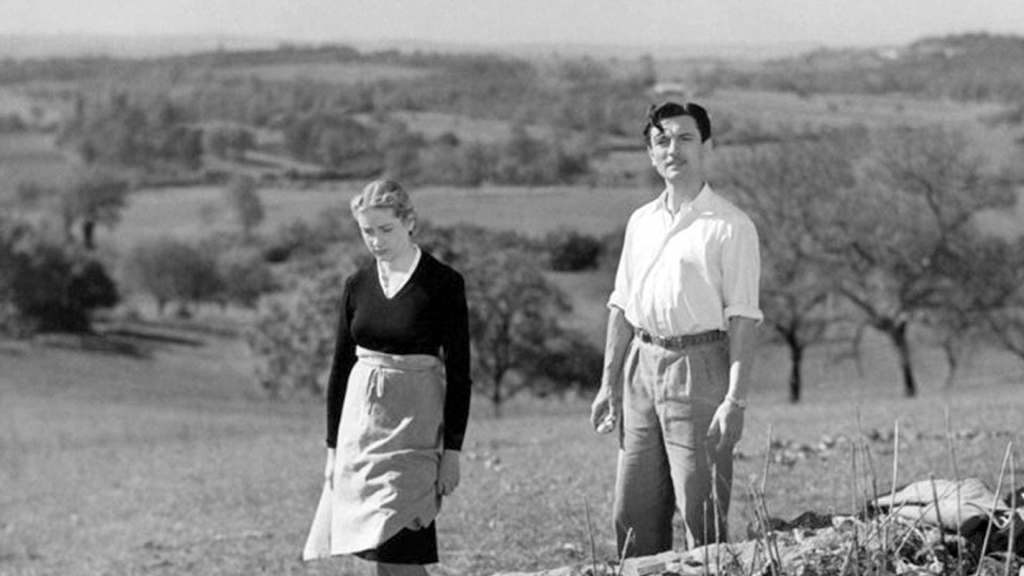
6. Edward And Caroline (1951)
Genre: Comedy
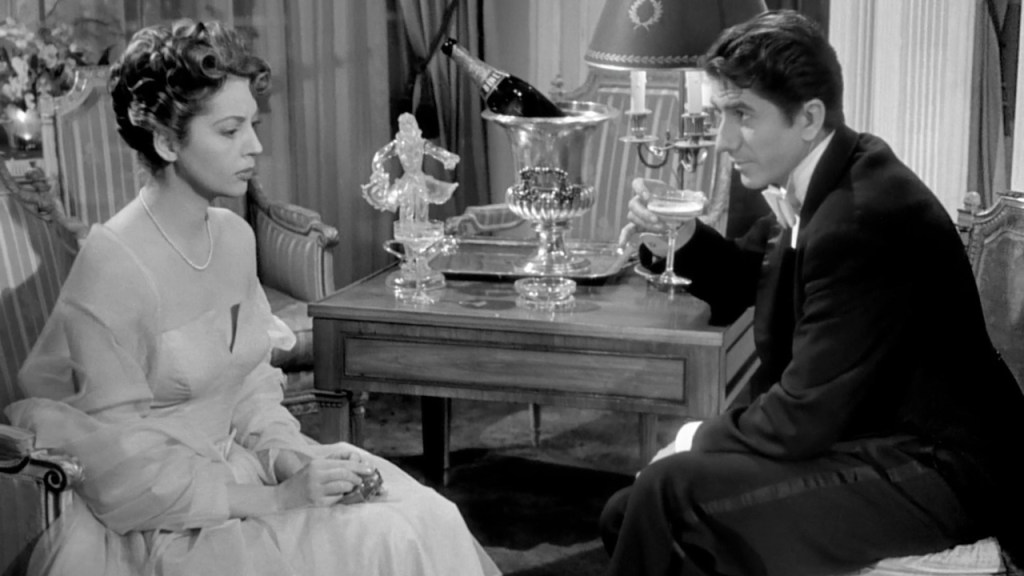
7. Rendezvous in July (1949)
Genre: Comedy, Drama, Coming-of-Age
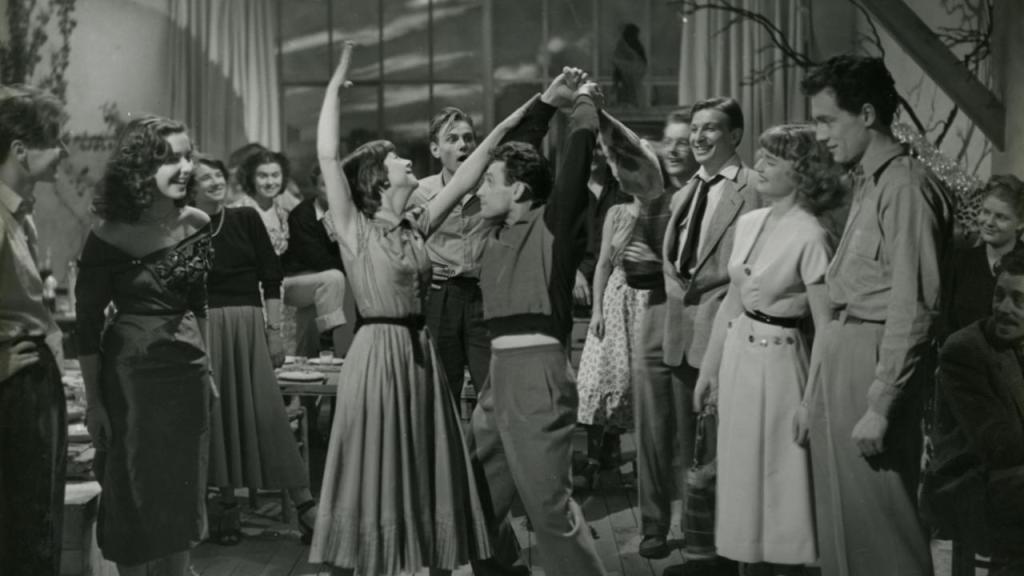
8. Antoine and Antoinette (1947)
Genre: Comedy, Drama
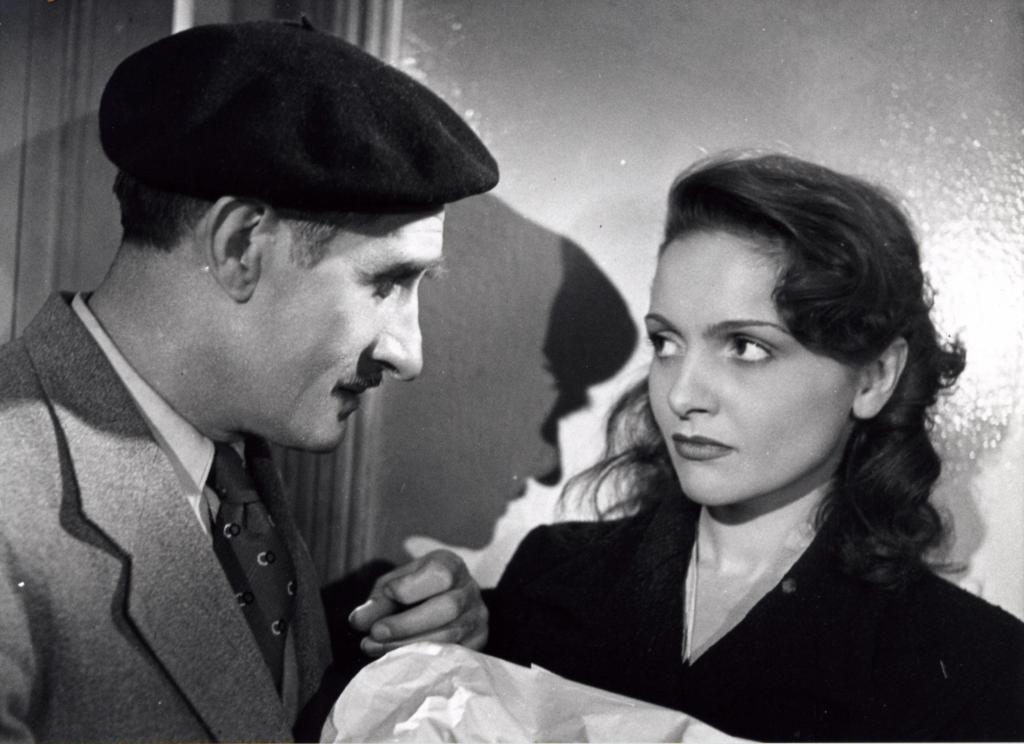
9. Paris Frills (1945)
Genre: Romance, Drama

10. Rue de L’Estrapade (1953)
Genre: Romantic Comedy
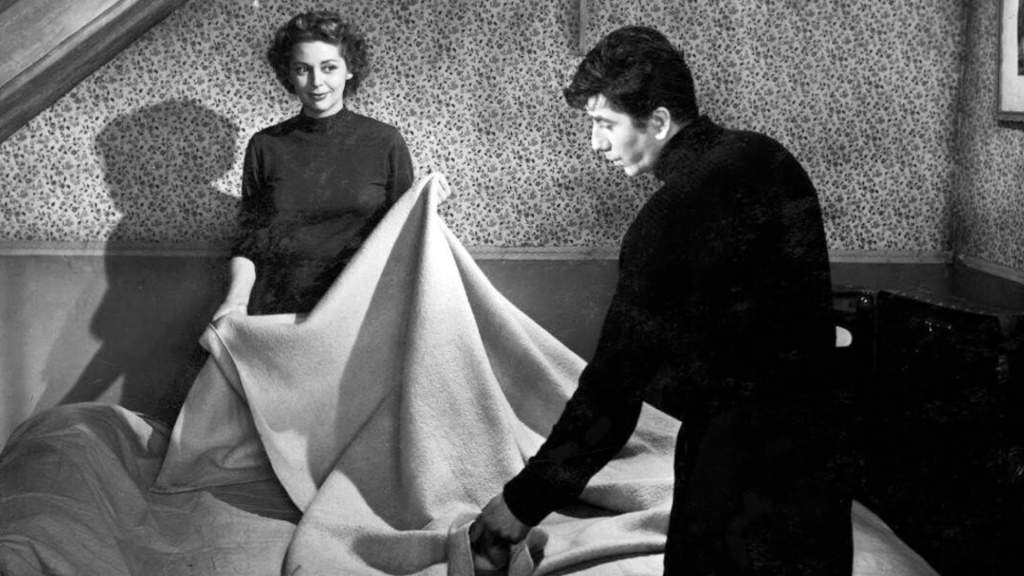
Jacques Becker: Themes and Style
Themes:
- Realism & Humanism: Becker was known for his commitment to realism and humanism. His films often portrayed real, everyday people in their genuine environments, emphasising their emotions, struggles, and aspirations.
- Cultural Identity: His works often delved into French society, exploring its culture and identity. With films like Casque d’Or, he provided unique insights into Parisian life, highlighting its charm, vitality, and complexity.
- Romance and Tragedy: Many of his films are imbued with themes of romance and tragedy. Becker had a talent for portraying these themes without resorting to melodrama, often giving audiences a nuanced, heartfelt exploration of love and loss.
- Institutional Critique: Becker was not afraid to scrutinise institutions and societal structures. For instance, Le Trou offered a critical perspective on the prison system and judicial institutions.
- Individualism & Community: His works often presented a delicate balance between the individual and the community. Characters in his films sought personal freedom while also navigating their responsibilities and loyalties to others.
Styles:
- Visual Precision: Becker’s films exhibited a sharp, meticulous visual style. He paid careful attention to composition, lighting, and colour, creating scenes that were not only visually striking but also deeply expressive.
- Naturalistic Performances: He had a knack for eliciting natural, convincing performances from his actors. Through subtle direction, Becker allowed his characters to embody their roles fully, making them relatable and authentic.
- Narrative Efficiency: Becker was known for his economical storytelling. His films were tightly edited, with each scene serving a purpose in advancing the story or developing characters.
- Atmospheric Soundtracks: Music played a crucial role in establishing the mood and atmosphere in Becker’s films. He utilised soundtracks that complemented the narrative and visual elements, enhancing the overall cinematic experience.
Directorial Signature:
- Historical Accuracy: Becker was committed to accurately depicting the periods in which his films were set. From costumes to set designs, every detail was meticulously researched and recreated to immerse audiences in the story’s historical context.
- Collaborative Approach: He often worked closely with his cast and crew, fostering a collaborative environment on set. This approach resulted in films that were cohesive and harmonious in their various elements.
- Character-Centric Storytelling: Becker’s films were character-driven, with the narrative unfolding through the perspectives and experiences of the protagonists. This focus on character allowed audiences to connect deeply with the story and its themes.
- Elegant Cinematography: His films were noted for their elegance and visual beauty. Becker’s cinematography, while serving the story, also offered viewers a feast for the eyes, with beautifully composed shots and carefully chosen visual motifs.
Jacques Becker: The 193rd Greatest Director


 Bronze Screen Dream