
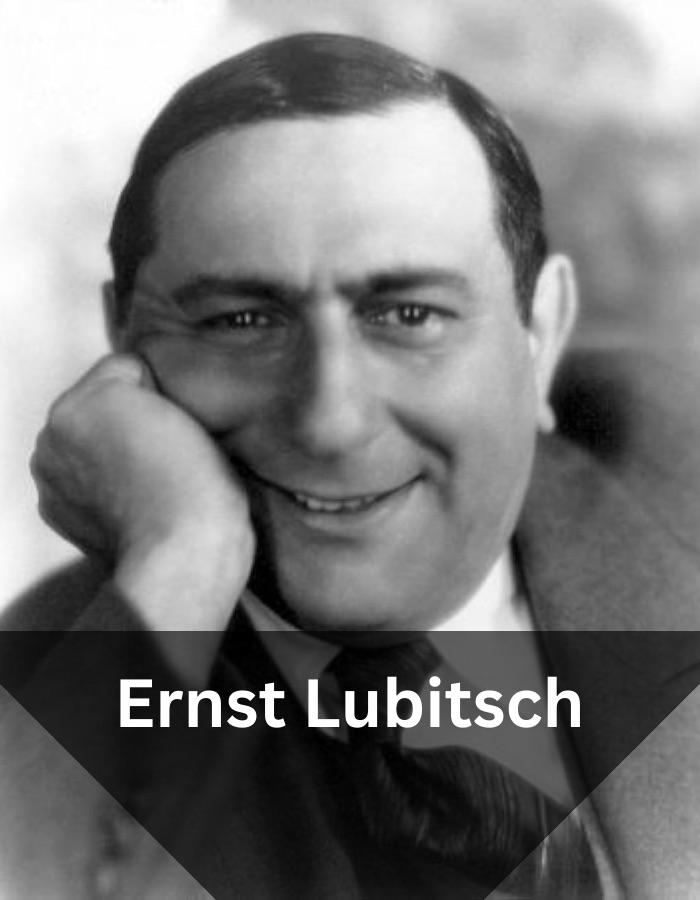
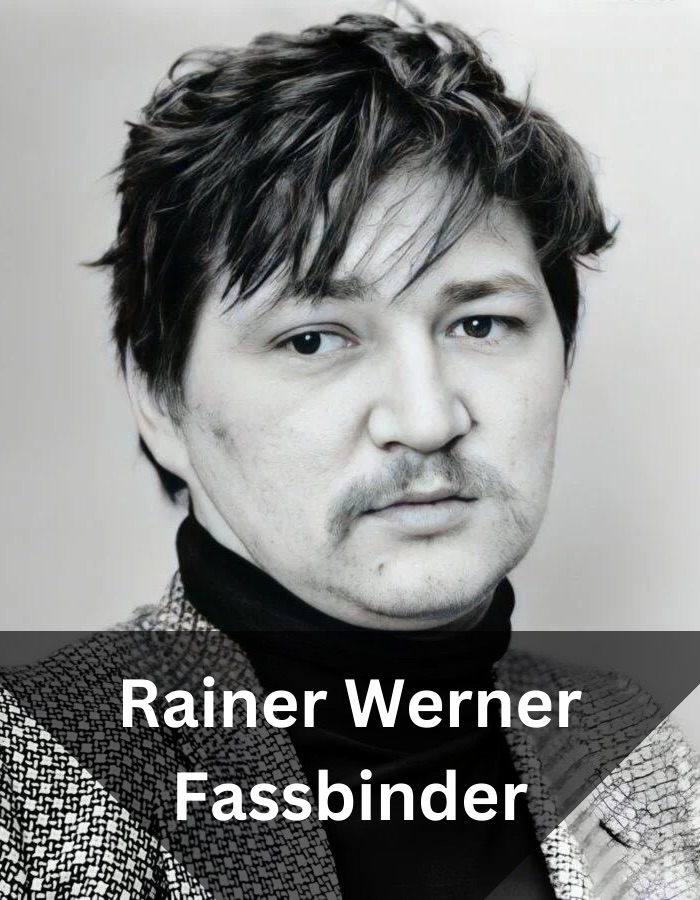
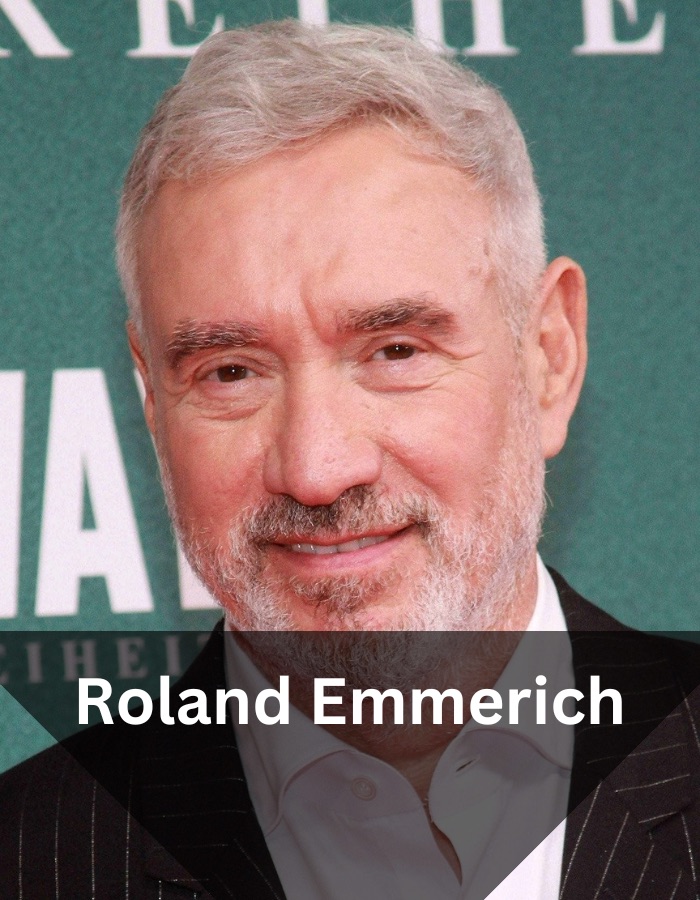
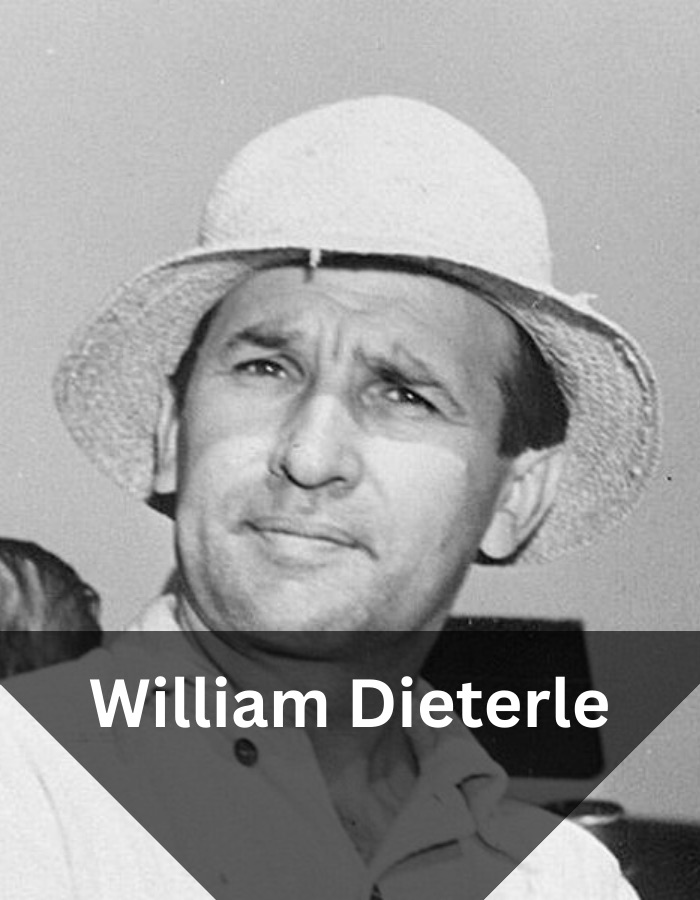
Below are some of the best German directors ever. Click on their pictures to discover more about them.








A Brief History of German Cinema
German cinema has a rich and varied history, marked by pioneering contributions and notable directors who have influenced the global film landscape. The story of German cinema can be traced back to the early 20th century.
German cinema’s early phase was dominated by silent films, characterised by their artistic innovation and technical mastery. This era saw the emergence of German Expressionism, a movement that focused on conveying emotional experience rather than physical reality. Films like “The Cabinet of Dr. Caligari” by Robert Wiene and “Nosferatu” by F.W. Murnau exemplified this style with their distorted sets, stark lighting, and shadowy cinematography. These films not only defined an era but also had a lasting impact on global cinema, influencing genres like horror and film noir.
The advent of sound in cinema brought new dimensions to German films. However, this period was overshadowed by the rise of the Nazi regime, which used cinema as a propaganda tool. Directors like Leni Riefenstahl became infamous for creating films like “Triumph of the Will”, which glorified the Nazi party. Despite the political turmoil, this era also saw filmmakers like Fritz Lang, who directed “Metropolis”, continue to influence the industry with their innovative storytelling and visual techniques.
The post-World War II era was a time of rebuilding for German cinema. The 1960s saw the birth of New German Cinema, a movement led by young filmmakers who aimed to create a more modern and realistic portrayal of German society. Directors like Rainer Werner Fassbinder, Werner Herzog, and Wim Wenders became prominent during this time. Their films often dealt with contemporary social issues and were characterised by their stylistic experimentation and critical approach to traditional German culture and history.
The contemporary period of German cinema has been marked by a diverse range of styles and themes. Directors like Tom Tykwer, who directed “Run Lola Run”, and Florian Henckel von Donnersmarck, with “The Lives of Others”, have gained international acclaim. Their films often blend traditional German cinematic elements with modern storytelling techniques, reflecting the country’s complex history and its place in the modern world.
 Bronze Screen Dream