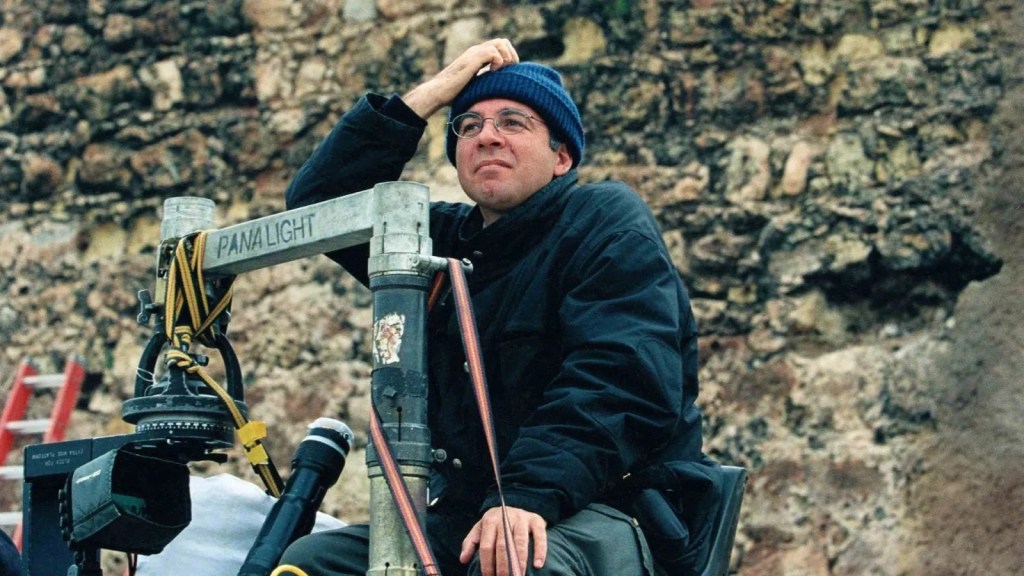
Giuseppe Tornatore is an Italian film director known for his nostalgic and emotional storytelling. His best-known film, Cinema Paradiso (1988), is an enchanting celebration of the magic of cinema and a deeply personal exploration of memory and loss.
Tornatore’s films often revolve around themes of love, memory, and the transformative power of art. His stories are typically set against the backdrop of Sicily, his birthplace, which lends a deeply personal and regional touch to his narratives. In Cinema Paradiso, for example, Tornatore uses the setting of a small Sicilian village to explore universal themes of youth, friendship, and the enduring power of cinema. His approach to filmmaking is characterised by a deep sensitivity to his characters and their emotional journeys, creating films that resonate with audiences on a deeply personal level.
Tornatore’s films are known for their rich cinematography, evocative music, and their blending of realism and fantasy. His collaborations with composer Ennio Morricone have resulted in some of modern cinema’s most memorable film scores, adding a further layer of emotion and nostalgia to his films. A film like Malena showcases Tornatore’s distinctive style, where the lush visuals, combined with Morricone’s score, create an almost fairy-tale-like atmosphere, despite the film’s exploration of serious themes like war and societal hypocrisy.
His unique blend of personal storytelling and grand, cinematic expression sets Tornatore apart as a director. His films are deeply rooted in his own experiences and the culture of his native Sicily, yet they touch on universal themes and emotions that resonate with audiences worldwide.

Giuseppe Tornatore (1956 – -)
Calculated Films:
- Cinema Paradiso (1988)
- Everybody’s Fine (1990)
- The Legend of 1900 (1998)
- The Best Offer (2013)
Similar Filmmakers
- Bernardo Bertolucci
- Claude Lelouch
- Ettore Scola
- Federico Fellini
- Franco Zeffirelli
- Francois Truffaut
- Gabriele Muccino
- Gabriele Salvatores
- Gianni Amelio
- Jean-Pierre Jeunet
- Lasse Hallstrom
- Luca Guadagnino
- Luchino Visconti
- Michael Radford
- Nanni Moretti
- Paolo Sorrentino
- Pedro Almodovar
- Roberto Benigni


Giuseppe Tornatore’s Films Ranked
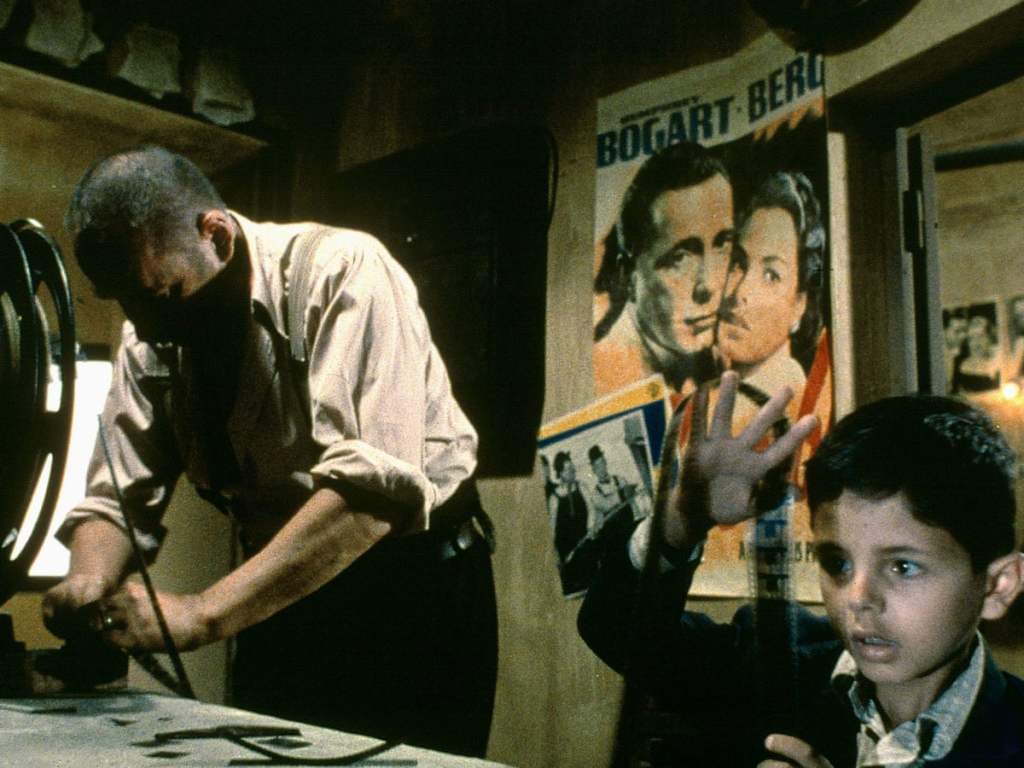
1. Cinema Paradiso (1988)
Genre: Coming Of Age, Melodrama
2. The Legend of 1900 (1998)
Genre: Drama, Music, Period Drama

3. Everybody’s Fine (1990)
Genre: Drama, Road Movie
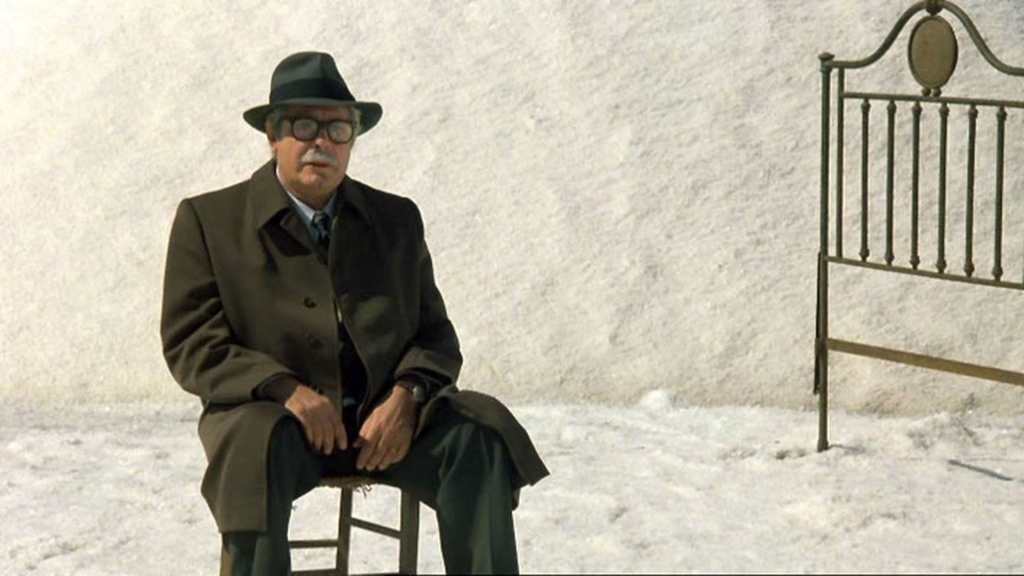
4. A Pure Formality (1994)
Genre: Mystery, Psychological Thriller, Police Procedural

5. The Best Offer (2013)
Genre: Mystery, Drama, Romance

6. Ennicio: The Maestro (2021)
Genre: Biography Documentary, Music Documentary

7. The Star Maker (1995)
Genre: Drama, Comedy
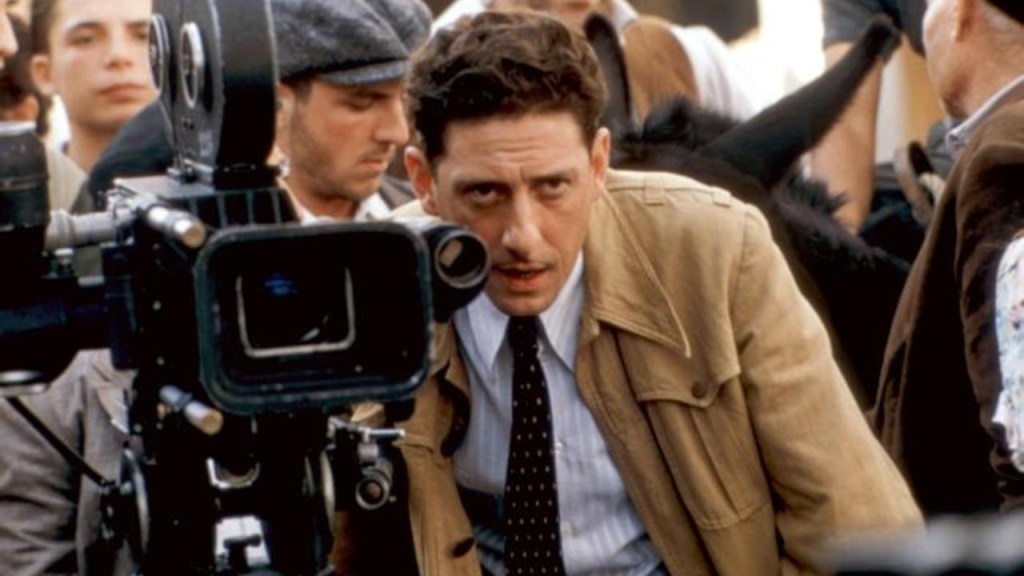
8. Malena (2000)
Genre: Drama, Coming-of-Age
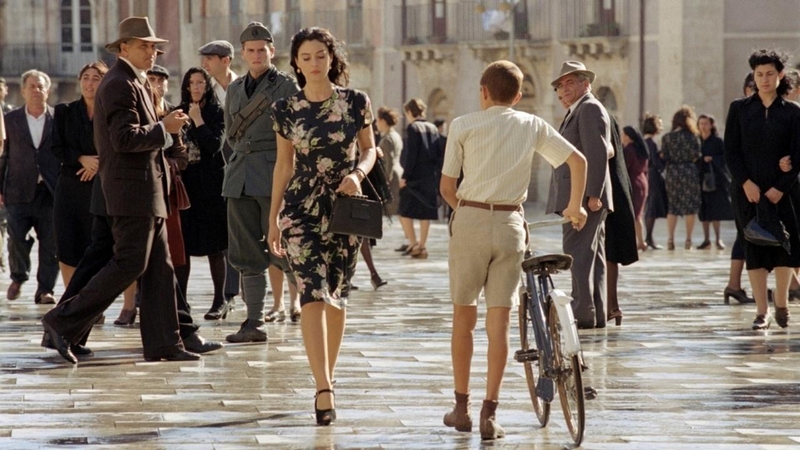
9. The Unknown Woman (2006)
Genre: Drama, Thriller, Mystery

10. The Professor (1986)
Genre: Drama, Gangster Film, Prison Film, Biographical

Giuseppe Tornatore: Themes and Style
Themes:
- Nostalgia and Memory: Tornatore often explores themes of nostalgia and memory, as evident in his highly acclaimed film, Cinema Paradiso. He uses the medium to reflect on the past, often imbued with a sense of longing and fondness for days gone by.
- Love for Cinema: A profound love and reverence for the art of filmmaking permeate Tornatore’s works. Cinema Paradiso is a love letter to cinema, capturing the magic and transformative power of film.
- Sicilian Identity: The culture, landscape, and identity of Sicily are deeply woven into Tornatore’s narratives. His films often serve as a canvas that illustrates the vibrant and complex tapestry of Sicilian life and heritage.
- Human Connections: His stories consistently spotlight the dynamics of human relationships and connections, be they romantic, familial, or platonic. He delicately unravels the intricacies and depth of human emotions and interactions in his narratives.
Styles:
- Visual Poetry: Tornatore is celebrated for his visually poetic and picturesque cinematography. Each frame is meticulously crafted, resembling a moving painting that effectively conveys mood and atmosphere.
- Musical Collaboration: His collaboration with renowned composer Ennio Morricone has resulted in iconic and unforgettable film scores. The music in Tornatore’s films is not merely a background element but a character in itself, significantly enhancing the emotional depth and resonance of his stories.
- Narrative Structure: Tornatore often employs a non-linear or segmented narrative structure, masterfully weaving through different periods and perspectives to create a cohesive and engaging story.
- Symbolism and Metaphor: He frequently utilises symbols and metaphors to communicate deeper meanings and themes. His films are layered, allowing audiences to peel back and interpret the many nuanced messages embedded within.
Directorial Signature:
- Emotional Depth: His films are characterised by a deep emotional core, connecting with audiences on a profound level. Tornatore masterfully elicits empathy, joy, sorrow, and nostalgia through his storytelling.
- Attention to Detail: Every detail, from set design to costume, is carefully considered and crafted to contribute to the film’s overall aesthetic and thematic coherence.
Giuseppe Tornatore: The 267th Greatest Director


 Bronze Screen Dream