

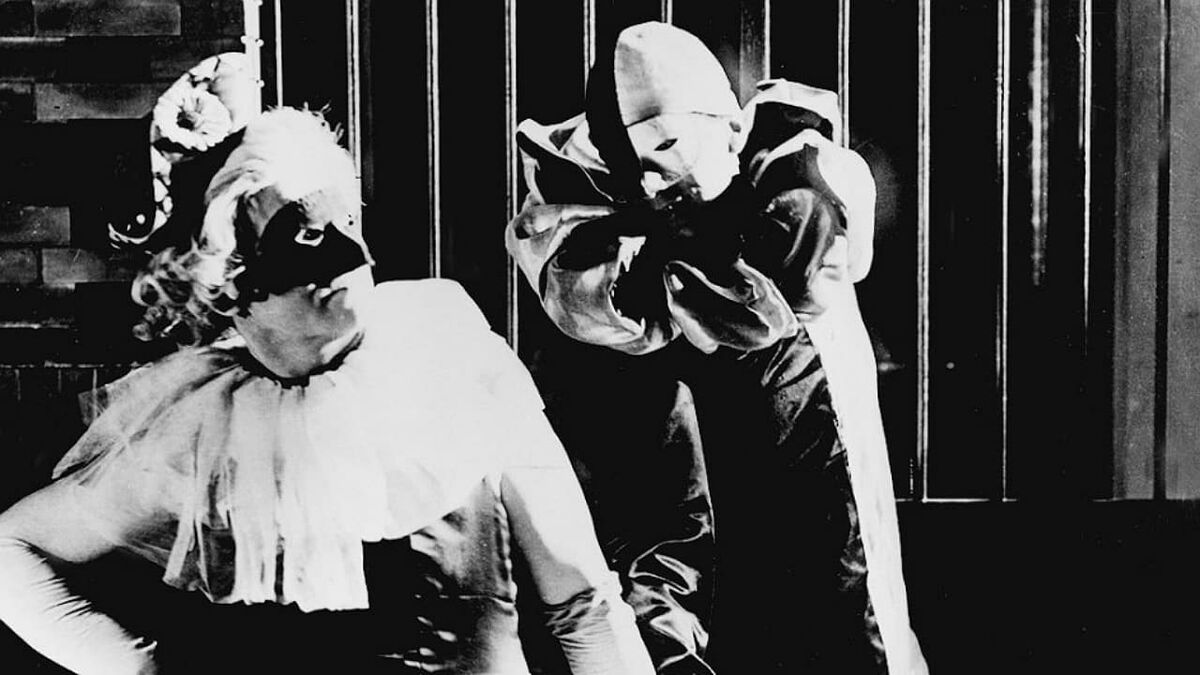
Germaine Dulac, a prominent French filmmaker, is most renowned for her significant contributions to the Impressionist and Surrealist film movements. Her pioneering work in these genres is best exemplified by her films La Souriante Madame Beudet (The Smiling Madame Beudet) and La Coquille et le Clergyman (The Seashell and the Clergyman). Dulac’s filmmaking career was marked by a transition from commercial works to more avant-garde expressions, influenced by her early journalistic pursuits in feminist magazines and her experience as a theatrical critic.
Dulac’s career in film began in earnest after her encounter with actress Stacia Napierkowska, which led to the founding of D.H. Films. Her early films, produced between 1915 and 1920, displayed a blend of commercial sensibilities and emerging experimental techniques. Her first major success, Âmes de fous, was a melodrama that showcased her burgeoning narrative and visual style. Collaboration with Louis Delluc on La Fête espagnole further established her as a key figure in French Impressionist Cinema. Throughout her career, Dulac’s films often contrasted the modernity of urban France with the traditional life of rural areas, reflecting a common dichotomy in her work. She continued to produce both commercial films and pre-Surrealist narratives, leading to her most famous works. Her approach to cinema, which she termed “pure cinema,” influenced the French Cinema pur film movement and included experimental shorts based on music.
Dulac’s films were characterised by innovative techniques and a sharp critique of gender roles, making her one of the first feminist film directors. As a queer woman, she was instrumental in bringing queer bodies and themes to the forefront of cinema. Her films often explored gender expectations and societal norms, portraying women in ways that subverted traditional expectations. For instance, La Coquille et le Clergyman is noted for its impact and controversy, exploring the erotic fantasies of a priest. Her films like Princesse Mandane and La Belle Dame sans Merci depicted complex female characters challenging societal norms. Dulac’s portrayal of women as flâneurs, unafraid to explore, smoke, drink, and express their sexuality, was revolutionary for its time.

Germaine Dulac (1882 – 1942)
Calculated Films:
- The Smiling Madame Beudet (1923)
- The Seashell and the Clergyman (1928)
Similar Filmmakers
- Abel Gance
- Alberto Cavalcanti
- Dimitri Kirsanoff
- Dziga Vertov
- Fernand Leger
- Hans Richter
- Jean Cocteau
- Jean Epstein
- Jean Vigo
- Louis Delluc
- Luis Bunuel
- Man Ray
- Marcel L’Herbier
- Margaret Tait
- Maya Deren
- Rene Clair
- Sergei Eisenstein
- Walter Ruttmann

Germaine Dulac’s Top 5 Films Ranked
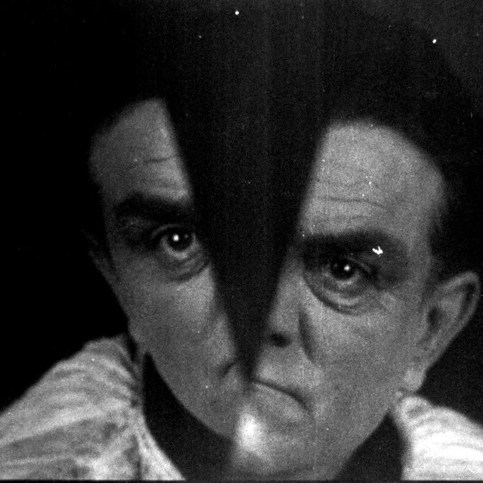
1. The Seashell and the Clergyman (1928)
Genre: Experimental, Surrealism

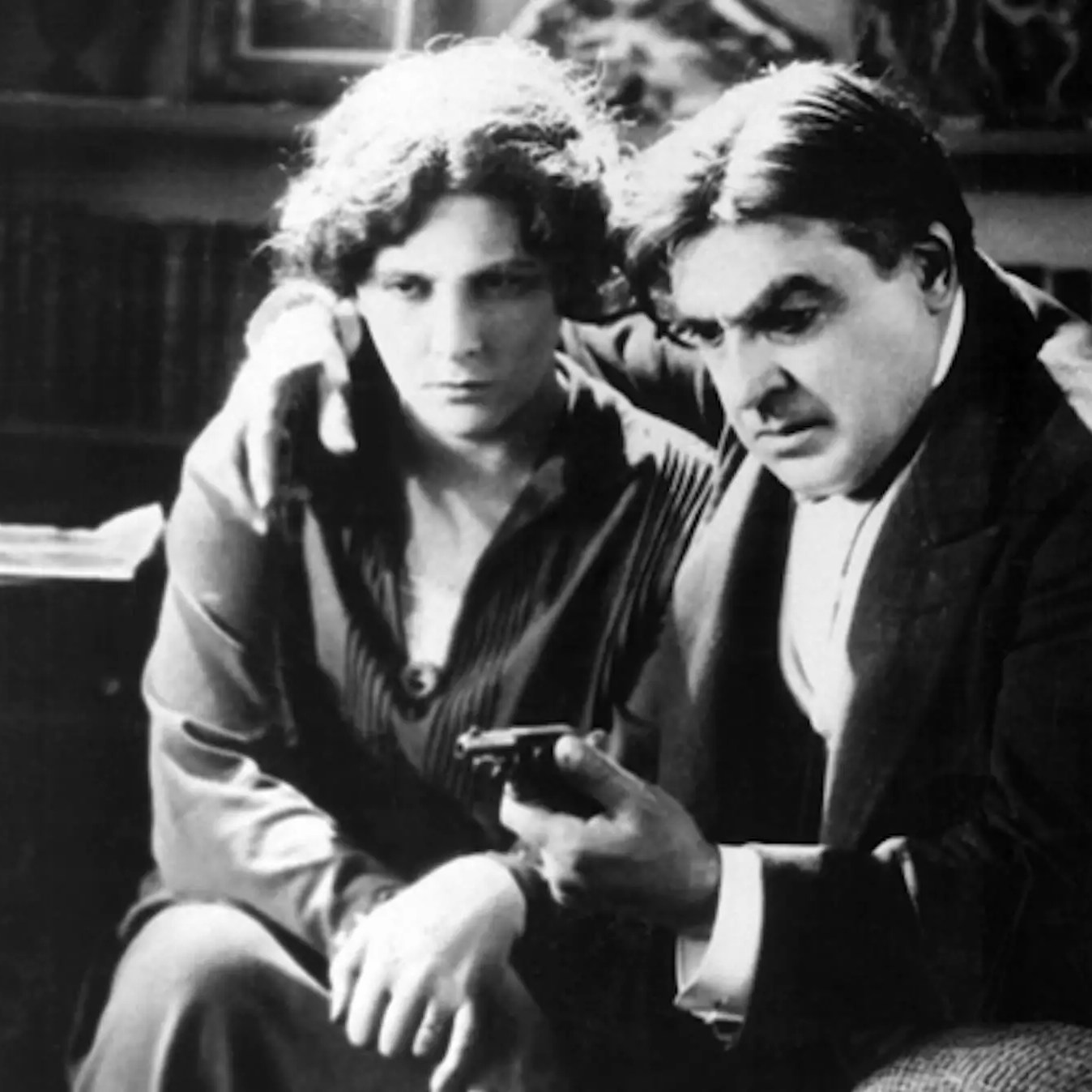
2. The Cigarette (1919)
Genre: Drama
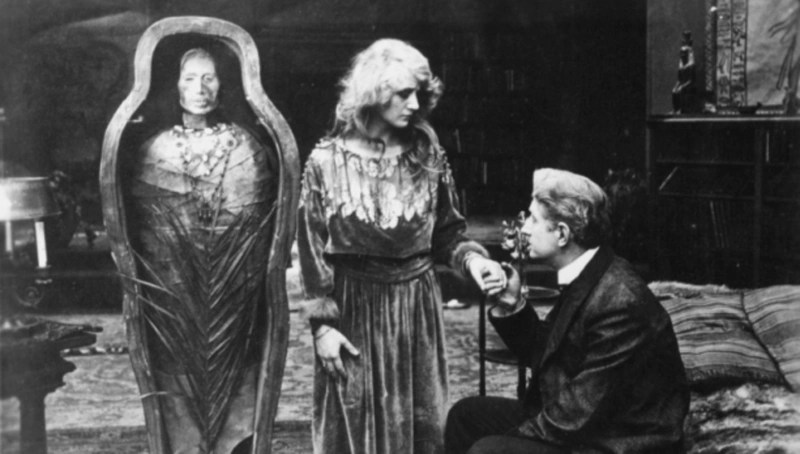
3. The Smiling Madame Beudet (1923)
Genre: French Impressionist Cinema, Psychological Drama

4. Arabesque (1929)
Genre: Experimental, Cinema Pur

5. Disque 957 (1929)
Genre: Cinema Pur, Music

Germaine Dulac: Themes and Style
Themes:
- Feminist Perspectives: Dulac often explored themes of female independence and identity. In La Souriante Madame Beudet (The Smiling Madame Beudet), she delves into the inner life of a housewife, highlighting the struggles and aspirations of women in a male-dominated society.
- Psychological Exploration: Her films frequently delve into the psychological aspects of her characters. La Coquille et le Clergyman (The Seashell and the Clergyman) is considered one of the first surrealist films, exploring the subconscious and dreamlike states.
- Social Critique: Dulac used her films to critique societal norms and values. She often focused on the bourgeoisie and the emptiness of their existence, as seen in her satirical approach in Âmes de fous (Souls of the Insane).
- Surrealism and Dreams: Surreal and dream-like elements are a recurring theme in her work, where she blurs the line between reality and imagination, creating a sense of disorientation and mystery.
- Emotional States and Experiences: Dulac was interested in portraying the complexity of human emotions and experiences, often focusing on the inner turmoil and existential crises of her characters.
Styles:
- Impressionist Cinematography: Dulac’s work is characterised by her impressionist style, using innovative cinematography and editing techniques to evoke emotions and moods rather than relying on narrative structure.
- Symbolism and Metaphors: She frequently used symbols and metaphors to convey deeper meanings. In The Seashell and the Clergyman, her use of surreal imagery creates a symbolic language that transcends traditional storytelling.
- Experimental Editing: Dulac was a pioneer in experimental editing techniques. She employed rapid cuts, overlapping images, and other avant-garde editing methods to create a sense of rhythm and to manipulate the viewer’s perception of time and space.
- Visual Poetry: Her films are often likened to visual poems, where she uses the camera like a paintbrush to create evocative and visually stunning scenes.
- Use of Light and Shadow: Dulac’s effective use of light and shadow contributes to the emotional and psychological depth of her films, enhancing the mood and atmosphere.
Directorial Signature:
- Pioneering Female Director: As one of the few women directors of her time, Dulac’s perspective brought a unique voice to cinema, particularly in her exploration of women’s roles and emotions.
- Avant-Garde Innovator: She is recognised for her contributions to avant-garde cinema, constantly experimenting with film form and technique, which set her apart from her contemporaries.
- Emphasis on Visuals Over Narrative: Dulac often prioritised visual expression over linear storytelling, believing that cinema’s power lies in its ability to visually represent emotions and ideas.
- Focus on Rhythmic Structure: Dulac’s films often exhibit a rhythmic structure, where she carefully orchestrates the pacing and timing to create a unique cinematic rhythm that aligns with the emotional and thematic content of her work.
Germaine Dulac – Great Director


 Bronze Screen Dream