
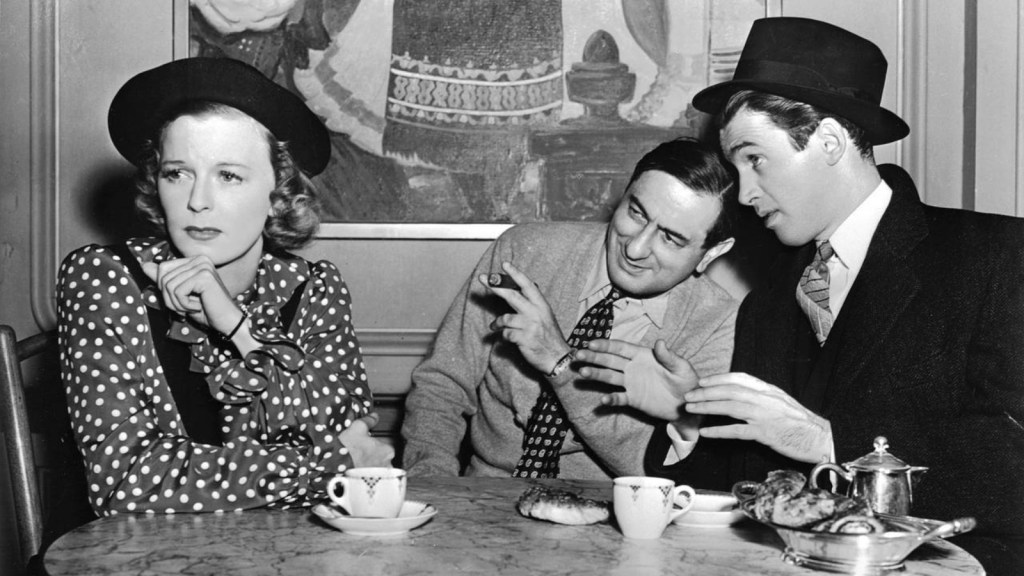
Ernst Lubitsch was a German director known for his distinctive blend of charm, wit, and sophistication, commonly referred to as the “Lubitsch Touch.” He was celebrated for his unique contribution to the romantic comedy and musical comedy genres. Lubitsch’s films frequently explored romantic and sexual relationships with lighthearted humour and nuanced storytelling. The renowned director left a lasting impression on Hollywood with films like Trouble in Paradise and The Shop Around the Corner, which showcased his subtle, sophisticated approach to cinema.
Born in Berlin, Lubitsch began his career in silent cinema in Germany before migrating to the United States in the 1920s. Initially directing silent films in Hollywood, he successfully transitioned to sound films, a testament to his skill and adaptability as a filmmaker. Over his prolific career, he directed over 70 films, blending European sensibilities with Hollywood style, and eventually became one of the most influential figures in the American film industry.
The Lubitsch Touch
Lubitsch’s cinema is known for its comedic elegance and sophistication, often set in glamorous locales and high society circles. The “Lubitsch Touch” is characterised by its innuendo-filled humour, subtlety, and elegant storytelling. He was adept at circumventing the restrictions of the Production Code in the 1930s and 1940s through double entendre and suggestion. Instead of explicitly depicting romantic or sexual themes, Lubitsch masterfully hinted at them, creating an atmosphere of sophistication and wit.
His films are notable for their character-centred narratives, which delved into his characters’ desires, foibles, and relationships. By infusing empathy and depth into these portrayals, Lubitsch brought a unique blend of comedy and depth to his works. The costumes, set designs, and overall visual style of his films exuded charm and refinement, contributing to the captivating allure of his storytelling.
Being a native of Berlin, Lubitsch’s work showcases a distinctive European influence. His films frequently featured European settings and sensibilities, offering a nuanced humour that contrasted with the more straightforward comedy found in many American films of the time. This distinctive approach helped set Lubitsch apart, adding to his unique place in Hollywood.
Lubitsch’s influence on Hollywood cinema is far-reaching and significant. His innovative approach to comedy, sophisticated visual style, and ability to delicately handle controversial themes profoundly impacted the romantic comedy genre and Hollywood filmmaking in general. Directors like Billy Wilder, Wes Anderson, and the Coen brothers have acknowledged Lubitsch’s influence on their work, a testament to his enduring legacy in global cinema.

Ernst Lubitsch (1892 – 1947)
Calculated Films:
- I Dont Want To Be A Man (1918)
- The Doll (1919)
- The Oyster Princess (1919)
- Madame DuBarry (1919)
- The Wildcat (1921)
- Lady Windermere’s Fan (1925)
- The Student Prince in Old Heidelberg (1927)
- The Smiling Lieutenant (1931)
- One Hour With You (1932)
- The Broken Lullaby (1932)
- Trouble in Paradise (1932)
- Design for Living (1933)
- The Merry Widow (1934)
- Angel (1937)
- Bluebeard’s Eighth Wife (1938)
- Ninotchka (1939)
- The Shop Around The Corner (1940)
- To Be or Not to Be (1942)
- Heaven Can Wait (1943)
- Cluny Brown (1946)
Similar Filmmakers


Ernst Lubitsch’s Top 10 Films Ranked
1. To Be or Not to Be (1942)
Genre: Satire, Comedy, Spy, War

2. Trouble in Paradise (1932)
Genre: Romantic Comedy, Crime
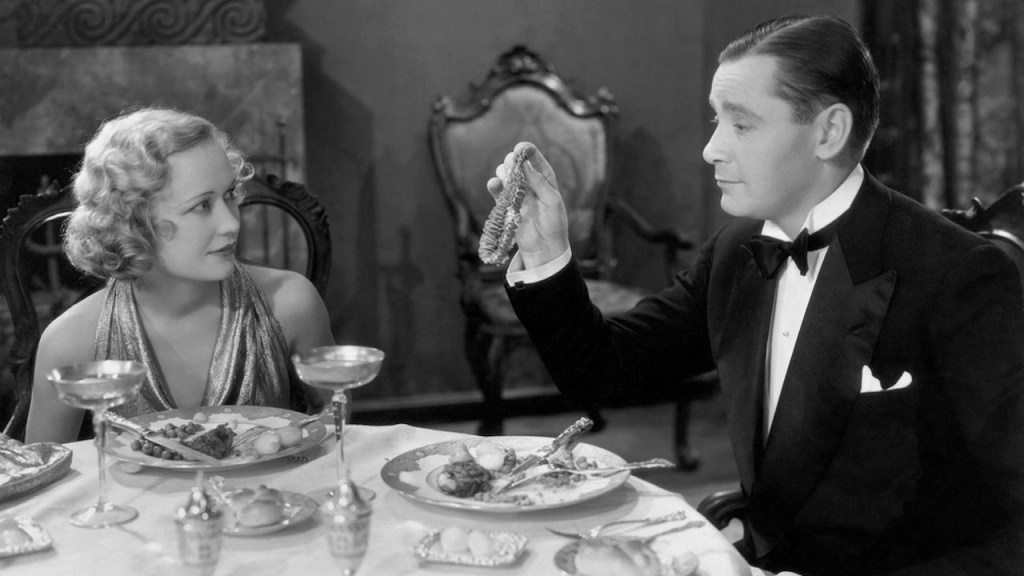
3. The Shop Around The Corner (1940)
Genre: Romantic Comedy

4. Ninotchka (1939)
Genre: Romantic Comedy, Satire

5. Design for Living (1933 )
Genre: Romantic Comedy, Screwball Comedy

6. The Broken Lullaby (1932)
Genre: Drama, Melodrama, War
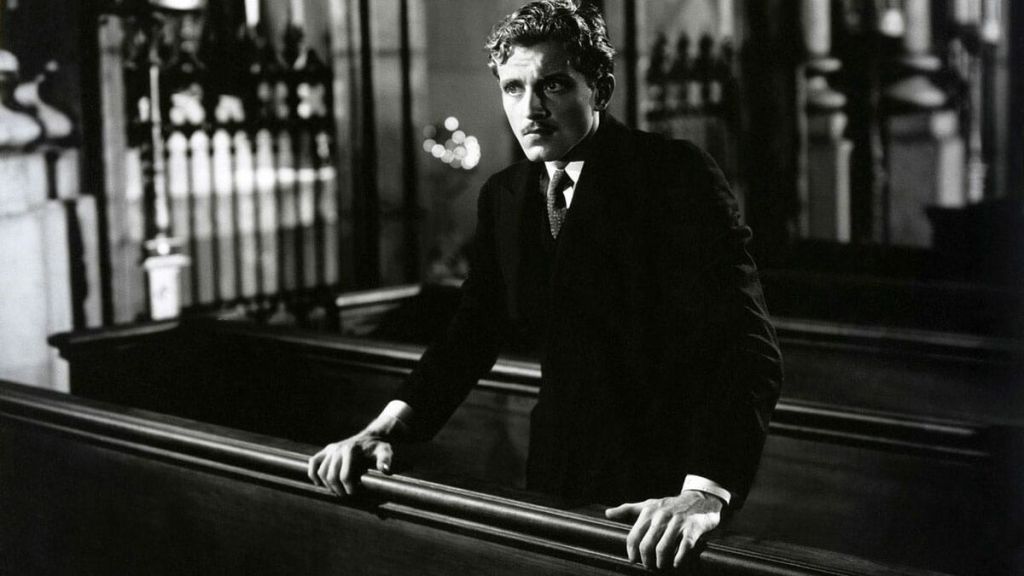
7. Cluny Brown (1946)
Genre: Romantic Comedy, Satire

8. The Student Prince in Old Heidelberg (1927)
Genre: Romance, Melodrama

9. Heaven Can Wait (1943)
Genre: Romantic Comedy

10. Angel (1937)
Genre: Romance

Ernst Lubitsch: Themes and Style
Themes:
- Romantic Comedies: Many of Lubitsch’s films revolve around romantic entanglements, misunderstandings, and amorous escapades, often set against sophisticated backdrops.
- Class & Society: His films frequently depict the dynamics between different social classes, with a special emphasis on the aristocracy and bourgeoisie.
- Infidelity & Desire: The complexities of relationships, including the temptations of infidelity and the intricacies of desire, play significant roles in his narratives.
- Morality & Ethical Quandaries: Beneath the comedic surface, Lubitsch’s films often grapple with deeper moral questions, presenting characters in situations where they must choose between personal desires and societal expectations.
Styles:
- Wit & Elegance: Lubitsch was renowned for his sharp wit and elegant style. His films often possess a light, breezy feel yet are meticulously crafted.
- Innovative Transitions: He employed imaginative scene transitions, using visual and auditory cues to lead from one scene to another.
- Use of Doors: Doors in Lubitsch’s films are more than just props; they often function as tools for comic timing, barriers between characters, or gateways to secret worlds.
- Subtlety & Suggestion: Rather than showing everything explicitly, Lubitsch was a master of suggestion. He often conveyed a lot with very little, leaving much to the audience’s imagination. This became famously known as the “Lubitsch Touch.”
Directorial Signature:
- Innuendo & Implication: Lubitsch had a unique ability to imply sexual or controversial situations without explicitly showing them. He was a master of the unseen and the unsaid, using gestures, glances, or props to suggest what was happening off-screen.
- Double Entendre: His dialogue often had layers of meaning, with one line serving both a comedic purpose and a deeper implication.
- Sophistication: His films exuded a European sophistication, characterised by posh settings, lavish costumes, and a sense of worldliness.
- Empathy for Characters: Despite their flaws and often questionable choices, Lubitsch presented his characters with deep compassion, allowing the audience to relate to, laugh with, and sometimes even root for them.
Ernst Lubitsch: The 27th Greatest Director

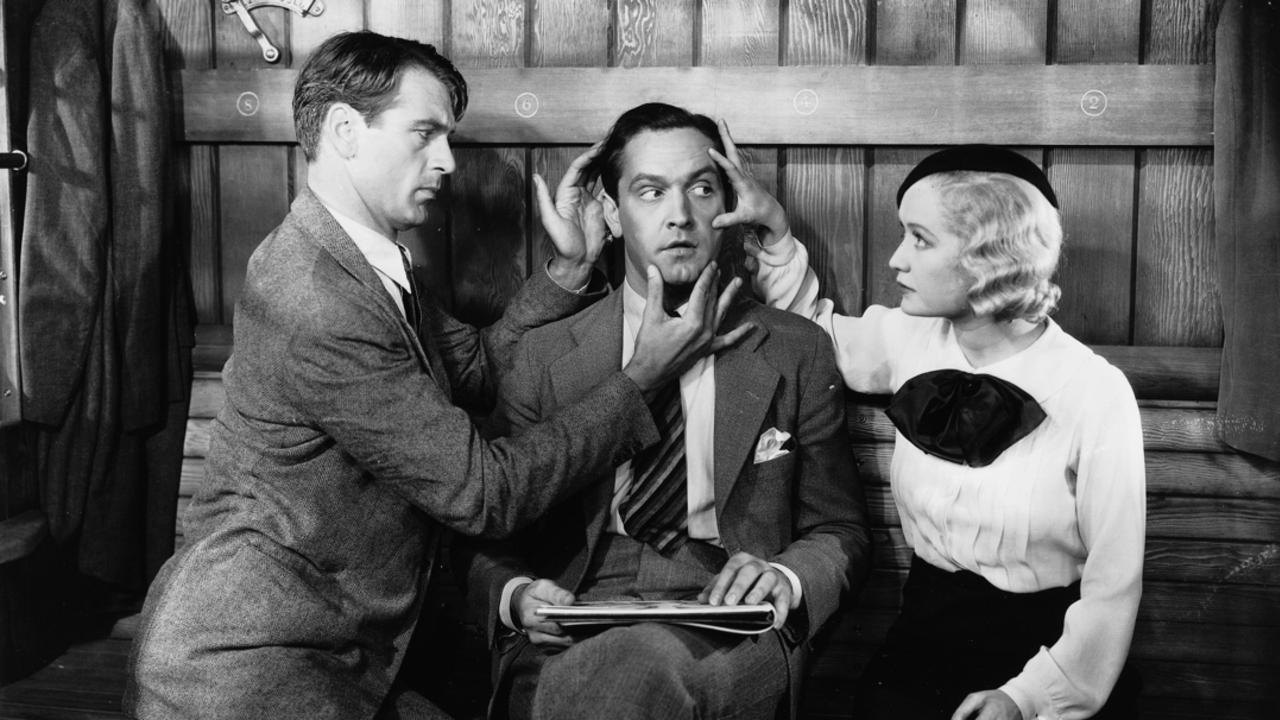

 Bronze Screen Dream