

Ermanno Olmi was an acclaimed Italian film director known for his deep-rooted humanism and subtle, simple storytelling. His cinema, heavily influenced by Italian Neorealism, centred on the lives of ordinary people in everyday situations, skillfully blending social commentary with a sense of poetic realism. Olmi’s masterpieces like Il Posto and The Tree of Wooden Clogs exemplify his commitment to exploring the dignity and worth of individuals, particularly those from working-class and rural backgrounds.
Born into a working-class family, Olmi began his career making short films and documentaries for a factory’s social club, a phase that deeply influenced his understanding and portrayal of the working class. This early experience grounded his filmmaking in a naturalistic style, as seen in his use of non-professional actors, natural lighting, and on-location shooting. Such an approach enhanced the authenticity of his films, lending a raw and tangible quality to his narratives.
Olmi’s films distinguished themselves with their understated, simple narratives, allowing the characters and their experiences to take centre stage. This narrative simplicity was often punctuated by deep spiritual and religious themes, a testament to Olmi’s strong Catholic faith. Films like The Tree of Wooden Clogs depict the spiritual lives of their characters with deep reverence, adding a philosophical depth to their everyday struggles.
Ermanno Olmi’s lasting influence on film history is undoubted. His humanistic approach to cinema, focusing on the dignity of ordinary people, set a high standard for realism in film. Moreover, his fusion of naturalistic elements, religious themes, and social commentary in simple, linear narratives significantly contributed to the fabric of Italian Neorealism, leaving an enduring legacy. His distinct style influenced countless filmmakers, and his unique blend of realism and spirituality continues to resonate in contemporary cinema.
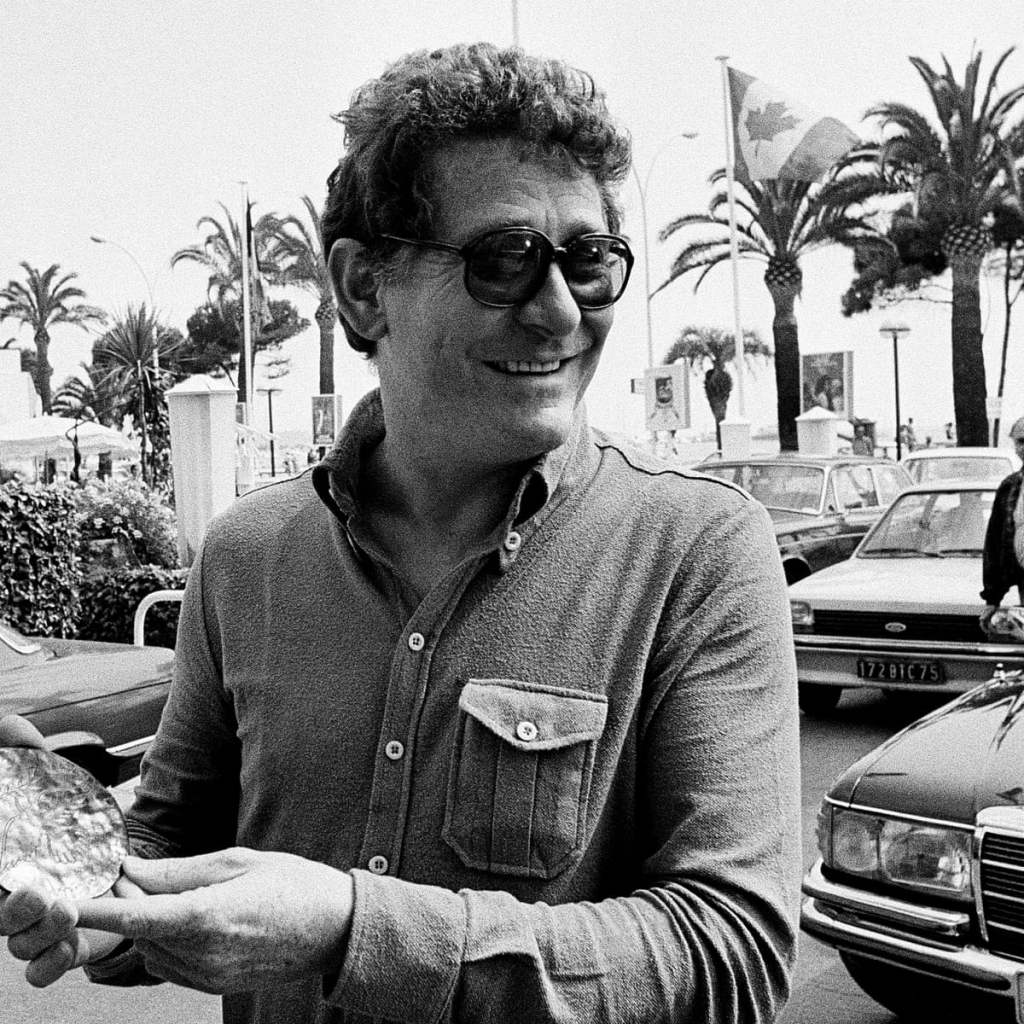
Ermanno Olmi (1931 – 2018)
Calculated Films:
- Il Posto (1961)
- The Fiances (1963)
- The Tree of Wooden Clogs (1978)
Similar Filmmakers


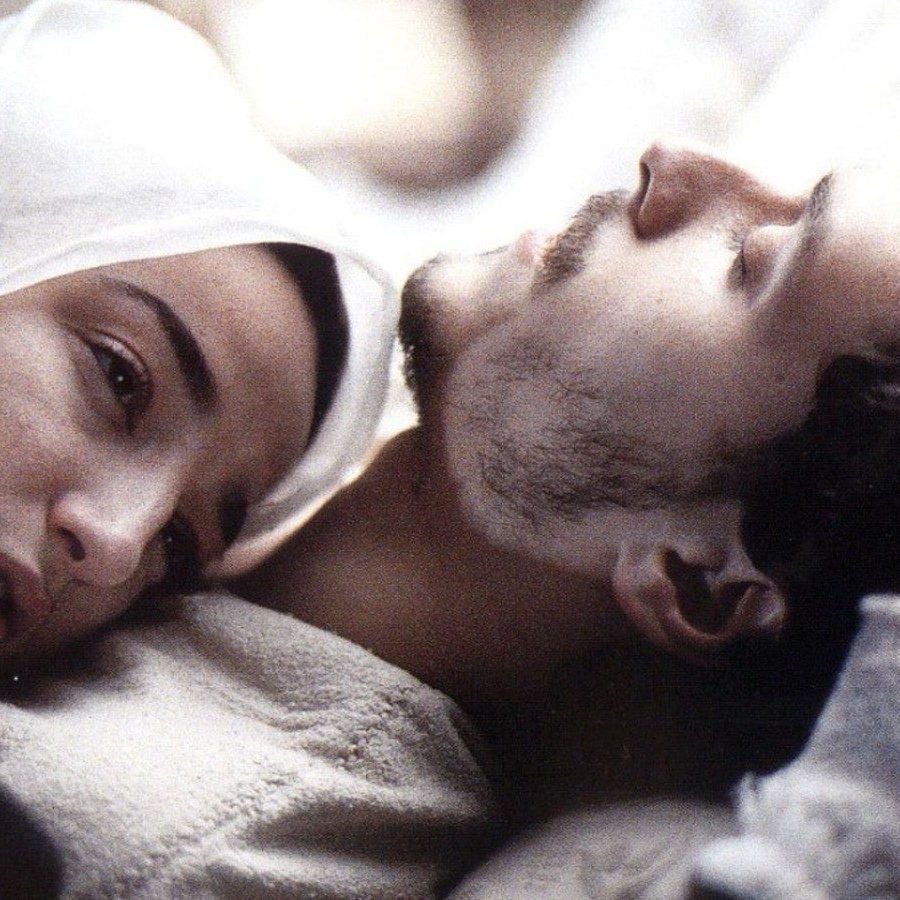
Ermanno Olmi’s Top 10 Films Ranked
1. Il Posto (1961)
Genre: Drama, Coming-of-Age

2. The Tree of Wooden Clogs (1978)
Genre: Period Drama, Slice of Life

3. The Fiances (1963)
Genre: Drama

4. Time Stood Still (1959)
Genre: Drama, Comedy
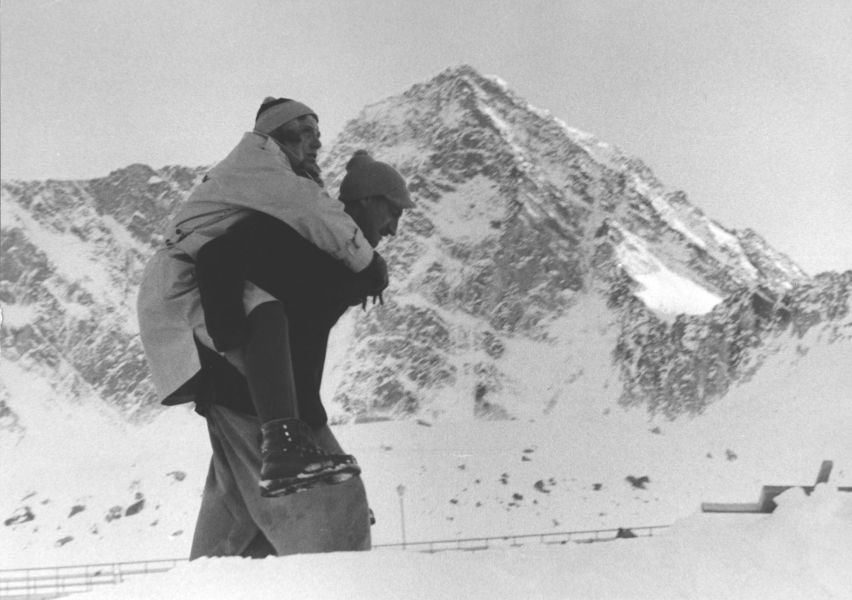
5. The Legend of the Holy Drinker (1988)
Genre: Drama, Magical Realism

6. The Profession of Arms (2001)
Genre: War, Period Drama, Medieval, Biographical
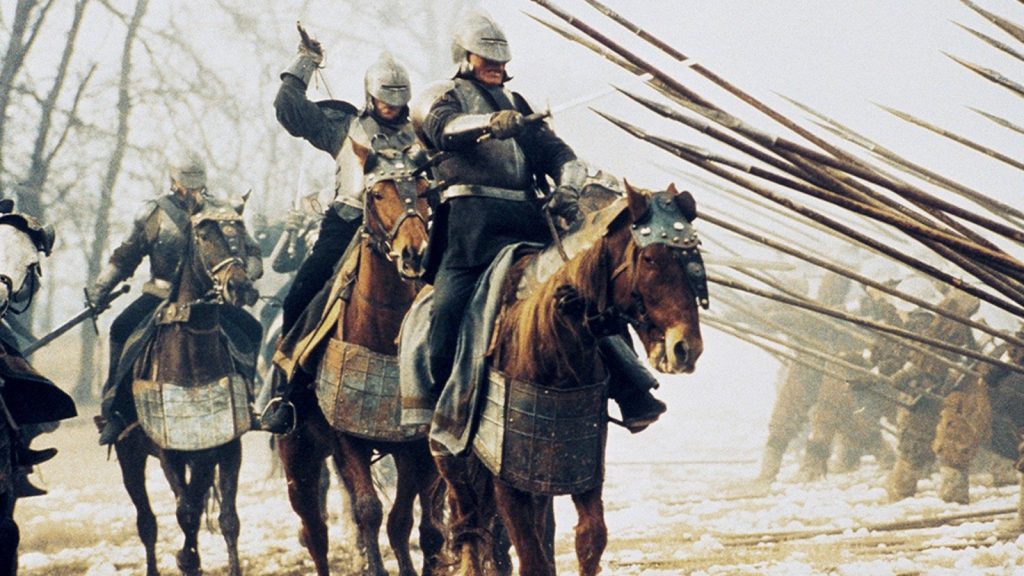
7. The Crush (1967)
Genre: Drama, Romance
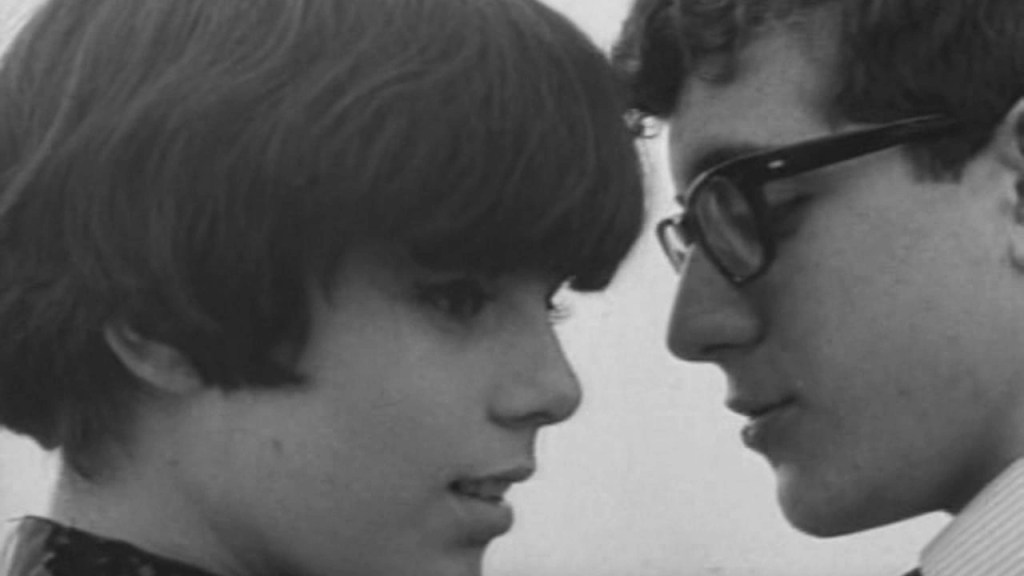
8. The Circumstance (1973)
Genre: Drama

9. Greenery Will Bloom Again (2014)
Genre: War, Drama

10. Singing Behind Screens (2003)
Genre: Drama, Magical Realism

Ermanno Olmi: Themes and Style
Themes:
- Ordinary Lives: Olmi was known for spotlighting the everyday lives of normal people. His films often revolve around common people, their routines, and the subtle moments of beauty and tragedy woven through their daily experiences.
- Social Realism: Many of his works exhibit a strong inclination towards social realism. Olmi delves into the socio-economic conditions, depicting the struggles and aspirations of working-class characters, often with a critical yet compassionate lens.
- Spirituality: There is a recurring exploration of spiritual themes in Olmi’s works. He examines the intertwining of faith, morality, and the human condition, reflecting on the deeper, intangible aspects of existence.
- Nature: The natural environment plays a crucial role in Olmi’s films. Nature is not merely a backdrop but a character in itself, often mirroring or contrasting the emotional states and destinies of the human characters.
Styles:
- Visual Style: Olmi’s visual approach is noted for its simplicity and eloquence. He employs a naturalistic style of cinematography, utilising natural light and minimalist composition to create an atmosphere that is both authentic and poetic.
- Narrative Technique: He adopts a contemplative narrative style, often avoiding dramatic plot twists or sensational events. Instead, Olmi’s stories unfold gradually, revealing the depth and complexity of characters and situations through subtle, nuanced storytelling.
- Non-professional Actors: Olmi frequently worked with non-professional actors to achieve a high degree of realism and authenticity in performances. This choice also reinforces the director’s commitment to representing the lives of ‘real’ people on screen.
Directorial Signature:
- Humanistic Approach: At the heart of Olmi’s directorial signature is a deeply humanistic approach. His films resonate with empathy and understanding towards the characters, portraying their flaws, virtues, and dilemmas with equal importance.
- Visual Poetry: Despite their simplicity, Olmi’s films are visually poetic. Every frame is meticulously crafted to convey not just the visual but also the emotional and spiritual dimensions of the story. The use of light, shadow, and colour is subtle yet powerful in evoking mood and atmosphere.
- Subtle Storytelling: Olmi’s storytelling is marked by subtlety and restraint. He doesn’t resort to overt dramatisation or spectacle but relies on the quiet strength of his characters and the eloquence of visual language to engage the audience.
- Integration of Sound & Music: Sound and music are integrated seamlessly into his films to enhance the emotional depth and atmospheric quality of the narrative. Olmi uses soundscapes and musical scores that are understated yet deeply resonant, further immersing the viewer in the world of the film.
Ermanno Olmi: The 191st Greatest Director


 Bronze Screen Dream