
Erich von Stroheim, an Austrian-American filmmaker, was one of the most influential and uncompromising figures in the era of silent cinema. Known as the “man you love to hate” for his onscreen persona as a villain, he garnered equal fame as an innovative director. Stroheim’s works, most notably Greed and Foolish Wives, are widely regarded as landmarks in film history, offering intricate character studies and pioneering a realistic, unflinching approach to storytelling.
Stroheim’s path to filmmaking was an unconventional one. Starting as an assistant to D. W. Griffith, he eventually transitioned to acting before directing his first film Blind Husbands. His films explored human frailty, greed, and the darker aspects of relationships, often set against the backdrop of decadent high society. Films like Foolish Wives and Queen Kelly are prime examples of his ability to portray the intersection of lust, power, and money in a detailed and uncompromising manner.
He was known for his meticulous attention to detail and his commitment to authenticity. His sets were painstakingly constructed, and his characters were well-dressed, creating an immersive atmosphere that brought his narratives to life. Greed, for example, is a testament to Stroheim’s relentless pursuit of realism. The movie was shot extensively on location in San Francisco and Death Valley, an unprecedented move at the time, capturing the grim and gritty ambience of Frank Norris’s novel, upon which the film is based.
However, Stroheim’s insistence on total control and his extravagant production methods often led to conflict with studio executives, which unfortunately resulted in some of his work’s heavy editing and alteration. This struggle is epitomised by the fate of Greed, which was drastically cut from its original 8-hour running time to a fraction of that, much to Stroheim’s dismay.
Stroheim’s influence on cinema is significant and lasting. He’s often cited as a major influence on directors like Billy Wilder and Orson Welles. His dedication to realism, his willingness to explore the darker aspects of human nature, and his refusal to compromise his artistic vision have ensured his place in film history. His influence extends beyond the United States and Europe, inspiring directors worldwide. Despite the controversies during his career, modern critical reappraisal has solidified Stroheim’s position as one of his time’s most pioneering and influential directors.
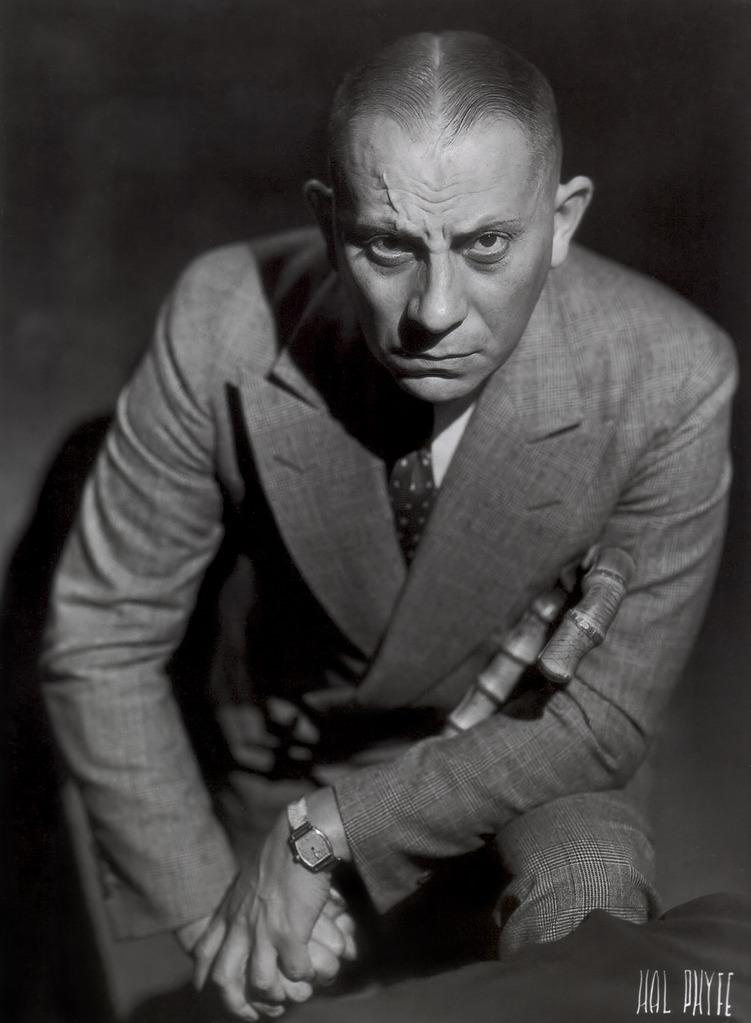
Erich von Stroheim (1885 – 1957)
Calculated Films:
- Blind Husbands (1919)
- Foolish Wives (1922)
- Greed (1924)
- The Merry Widow (1925)
- The Wedding March (1928)
- Queen Kelly (1929)
Similar Filmmakers

Erich Von Stroheim’s Top Films Ranked
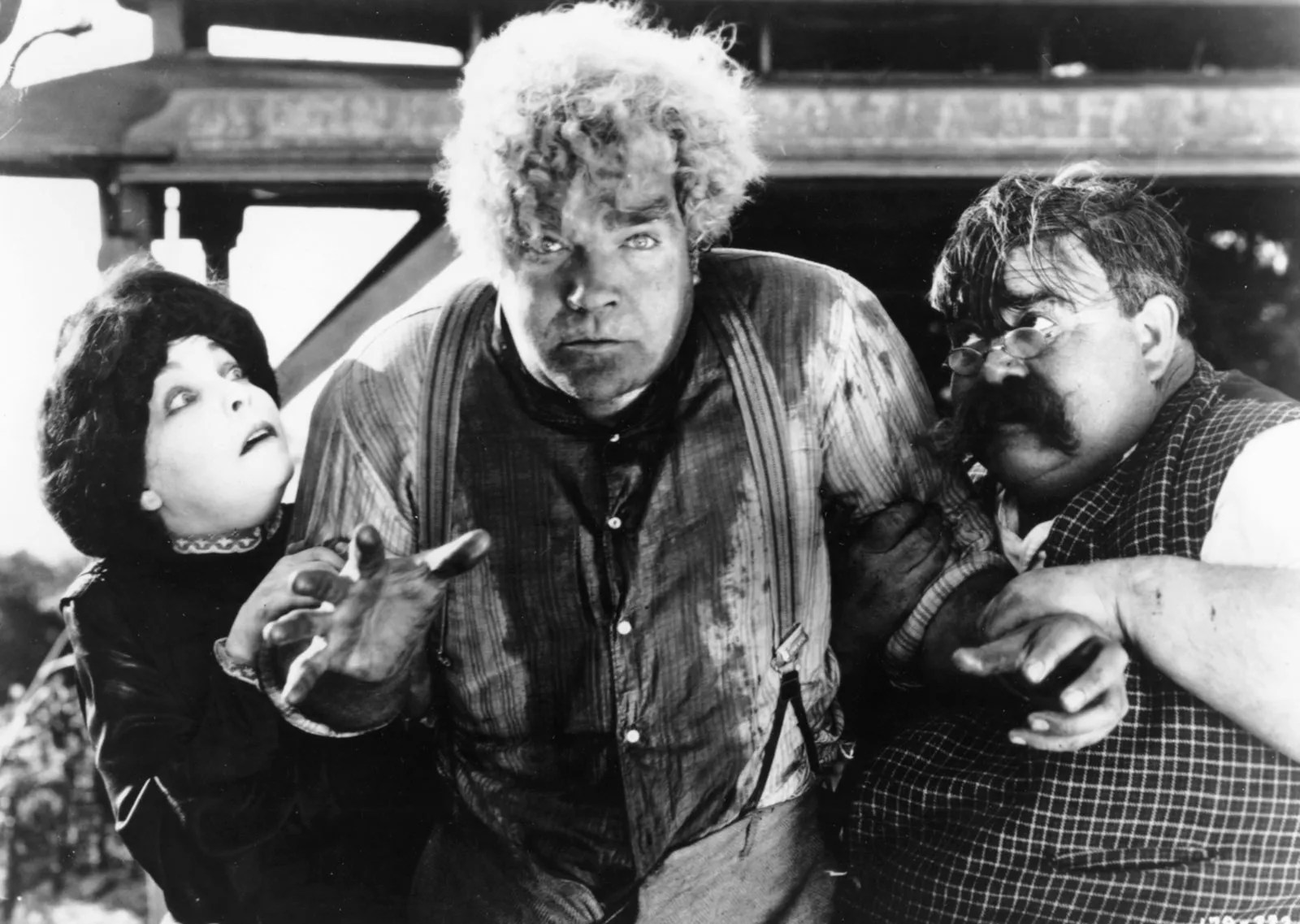
1. Greed (1924)
Genre: Psychological Drama
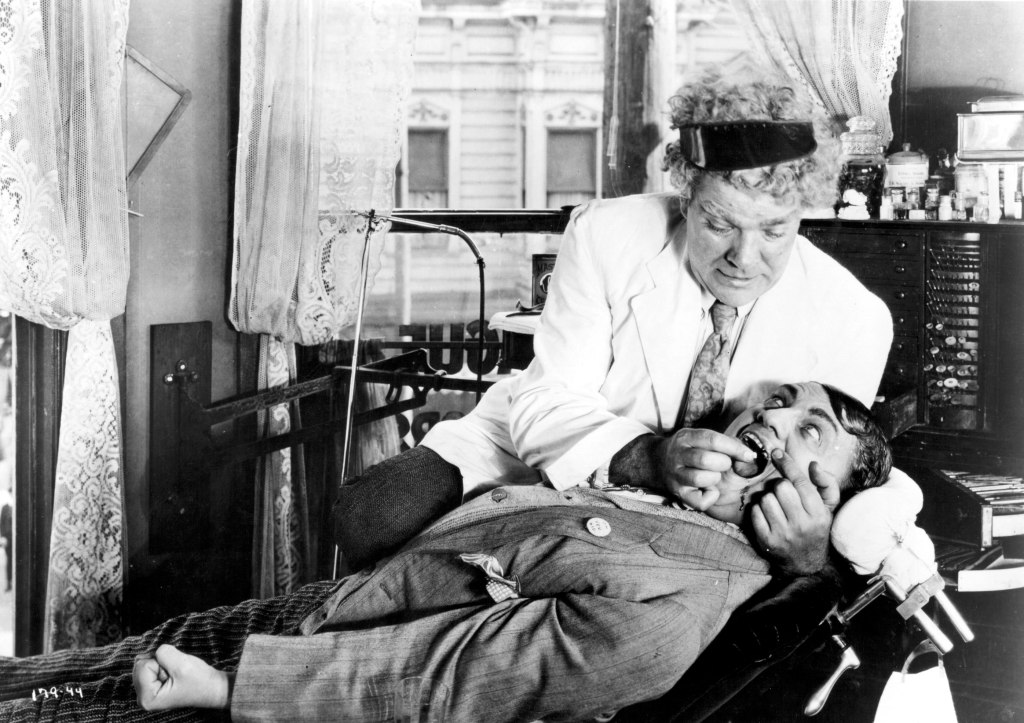
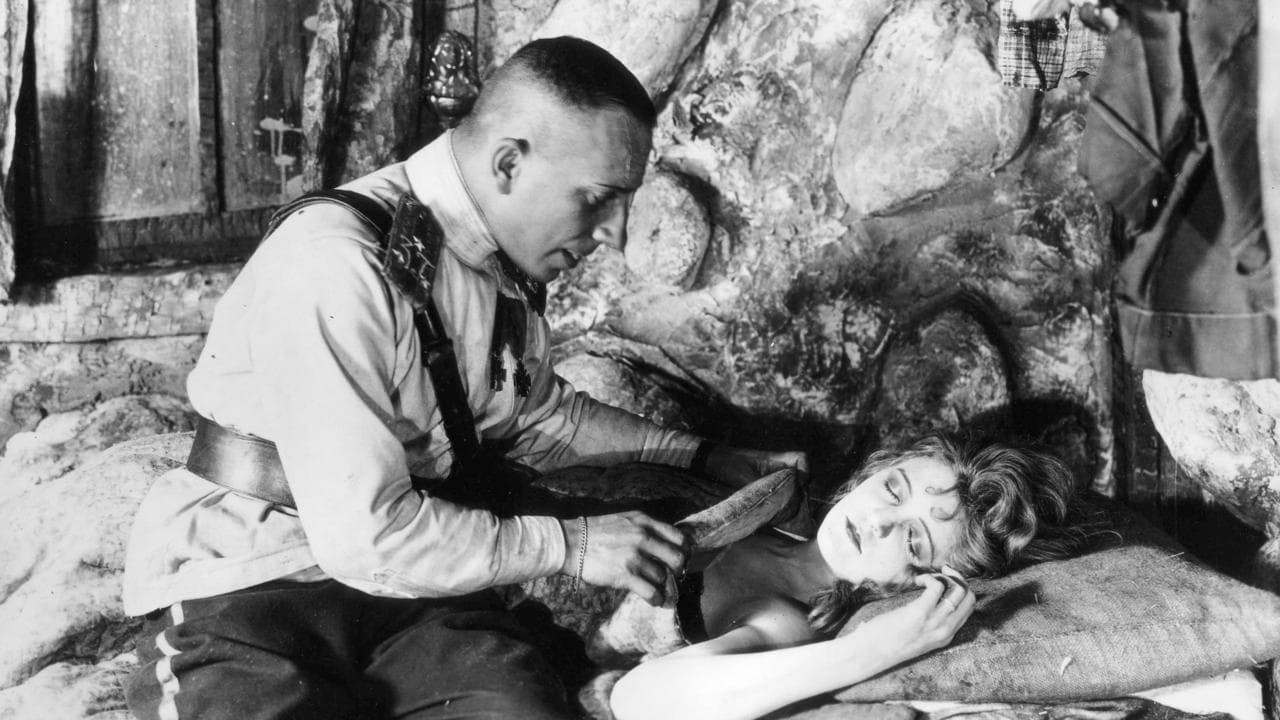
2. The Wedding March (1928)
Genre: Romance, Drama
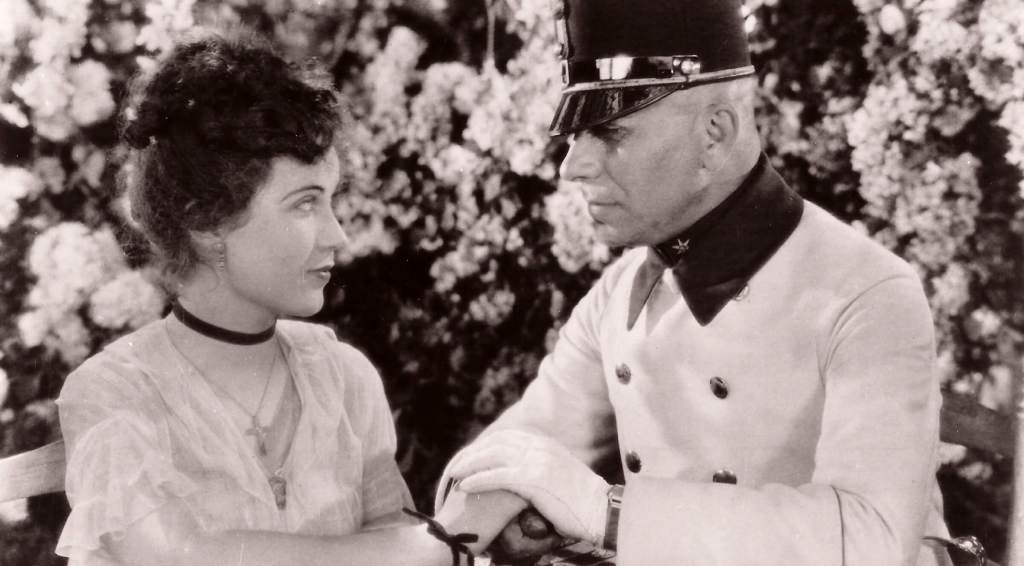
3. Foolish Wives (1922)
Genre: Drama
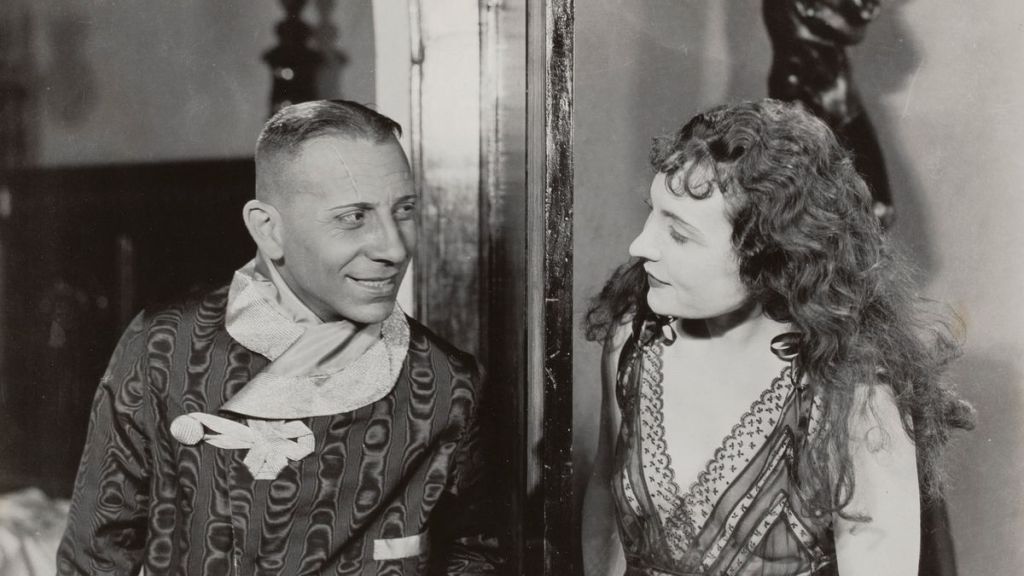
4. The Merry Widow (1925)
Genre: Drama
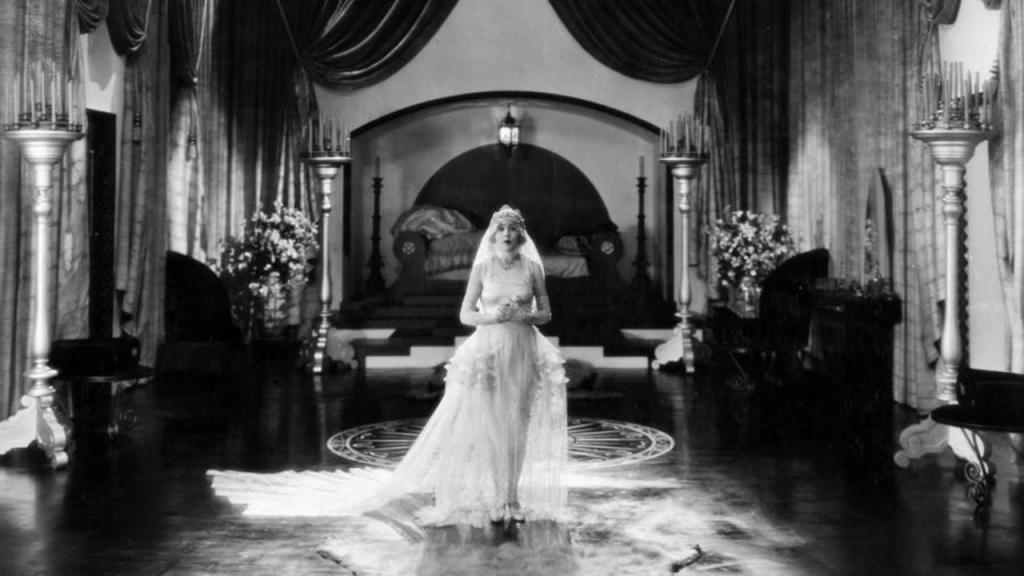
5. Queen Kelly (1932)
Genre: Romance, Melodrama
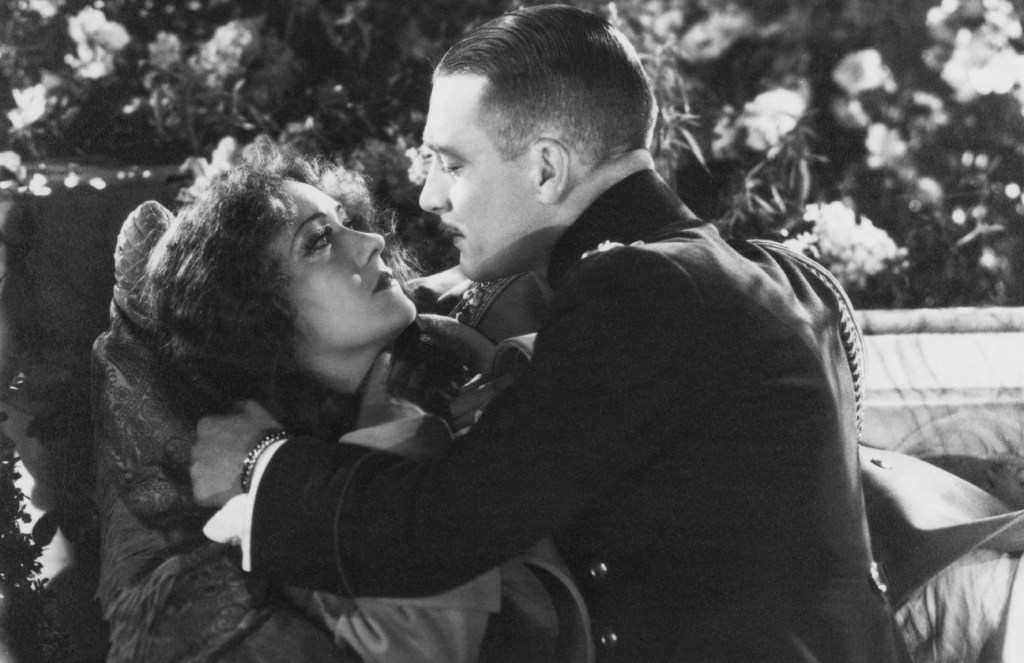
6. Blind Husbands (1919)
Genre: Romance, Melodrama
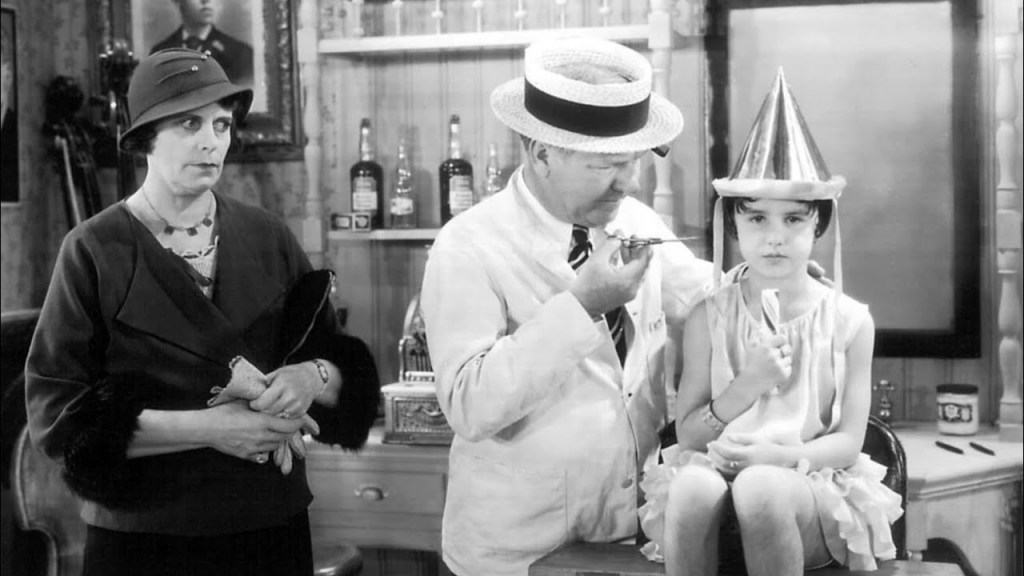
7. Hello, Sister! (1933)
Genre: Romance, Drama

Erich von Stroheim: Themes and Style
Themes:
- Decadence and Moral Corruption: Stroheim frequently touched upon the theme of moral decay within the upper echelons of society. He often showcased the excesses and extravagances of the rich, juxtaposed with their moral bankruptcy.
- Illusion vs. Reality: Many of Stroheim’s characters live in a world of illusion, hiding behind their societal masks, which invariably crumble to reveal their true selves.
- Fatalism and Despair: Stroheim had a bleak outlook on love and relationships, often showing them culminating in tragedy. His characters frequently grapple with their fate, embodying a sense of hopelessness.
- Class Struggle: Stroheim’s works often explore the divide between the haves and the have-nots, focusing on the tension and power dynamics between different social classes.
Styles:
- Meticulous Realism: Stroheim was renowned for his obsessive attention to detail. He insisted on filming on location when possible and used authentic props and costumes, even if they weren’t visible on screen.
- Extended Narratives: He preferred lengthy, in-depth storytelling, which was evident in his multi-hour epics. This often led to confrontations with studios and producers who wanted to trim his films, resulting in many being cut significantly before release.
- Complex Characters: Stroheim avoided one-dimensional characters. His protagonists, as well as antagonists, were multi-faceted individuals with intricate backstories.
- Sexual Undertones: His films often contained implicit (and sometimes explicit) sexual themes, which were considered daring for their time. This occasionally caused clashes with censors.
Directorial Signature:
- Autocratic Control: Often referred to as the “Man You Love to Hate,” Stroheim was known for his dictatorial approach to filmmaking. He was deeply involved in every aspect, from writing to set design to editing.
- Cameos: Stroheim enjoyed inserting himself into his movies. He played significant roles in some and had minor appearances in others.
- Authenticity: Stroheim’s insistence on authenticity sometimes bordered on the extreme. For example, in Foolish Wives, he had sets built to recreate the Monte Carlo environment, costing the studio significantly.
- Narrative Ambition: His films, uncut, were incredibly long by standard norms. Greed originally spanned nearly 10 hours, although the studio later cut it down to around two.
Erich von Stroheim: The 127th Greatest Director
 Bronze Screen Dream