

Douglas Sirk, a German director known for his Hollywood melodramas, has left an indelible mark on cinema. With a filmography dominated by emotionally intense narratives, often focusing on romantic or familial conflicts, Sirk’s style is characterised by its vibrant visuality and subtle social commentary. Films like Imitation of Life and All That Heaven Allows cemented his reputation as a master of the melodrama genre.
Sirk’s spent his formative years in German theatre before transitioning to Hollywood cinema. His films recurrently grappled with themes of longing, repression, and societal constraints, as seen in Magnificent Obsession, where personal losses and societal expectations mark the protagonists’ lives. Sirk’s collaboration with actors such as Rock Hudson and Jane Wyman contributed to the emotional intensity of these films, their performances etching the emotional contour of his narratives.
Sirk’s unique visual style sets his films apart. His penchant for lush colour schemes, meticulous compositions, and elaborate set designs imbued his melodramas with a distinct aesthetic that was enticing and reflective of the narrative’s emotional depth. For instance, Written on the Wind is renowned for its vibrant colour palette and intricate set design, which heightened the film’s dramatic intensity. His visual style, both flamboyant and disciplined, further underscored the societal critiques that lay beneath the surface of his films.
Subversive Melodrama
Despite their melodramatic framework, Sirk’s films are marked by subtle social commentary. He deftly tackled class distinctions, gender roles, and racial prejudice, often using irony to underscore the contradictions in post-war American society. Imitation of Life, for example, is not merely a family drama but an incisive critique of racial prejudices and societal expectations of women. Sirk’s distinctive use of irony and critique amplified the emotional texture of his narratives, highlighting the gap between appearances and reality.
Sirk’s influence on later filmmakers is significant, and his work has been instrumental in shaping the trajectory of both New Hollywood and independent cinema movements. He has influenced filmmakers like Todd Haynes, who cited Sirk as a major influence on his film Far From Heaven. Another director considerable influenced by him is Rainer Werner Fassbinder, who credited Sirk with inspiring his own melodramas. This wide-ranging impact underscores Sirk’s importance and confirms his status as a vital figure in film history.
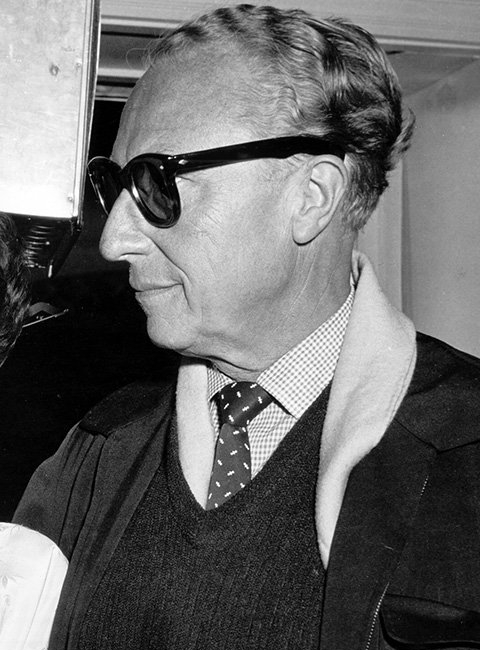
Douglas Sirk (1897 – 1987)
Calculated Films:
- Has Anybody Seen My Gal? (1952)
- Magnificent Obsession (1954)
- All That Heaven Allows (1955)
- Written on the Wind (1956)
- The Tarnished Angels (1957)
- A Time To Love and A Time To Die (1958)
- Imitation of Life (1959)
Similar Filmmakers
- Curtis Bernhardt
- Edmund Goulding
- Frank Borzage
- George Cukor
- Hugo Haas
- John M. Stahl
- Josef von Sternberg
- Luchino Visconti
- Marcel Carne
- Max Ophuls
- Michael Powell & Emeric Pressburger
- Nicholas Ray



Douglas Sirk’s Top 10 Films Ranked
1. Imitation of Life (1959)
Genre: Melodrama, Family Drama

2. All that Heaven Allows (1955)
Genre: Melodrama, Romance
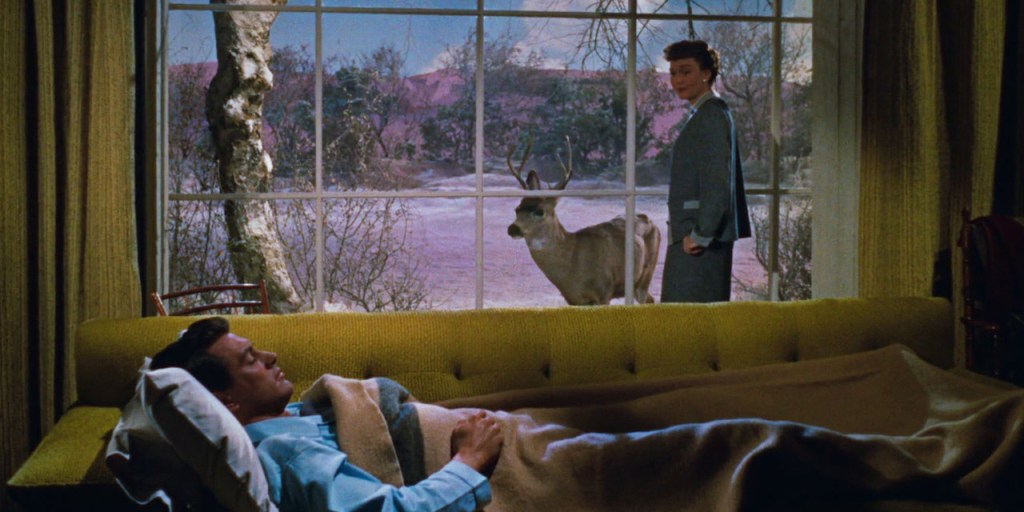
3. A Time to Love and a Time to Die (1958)
Genre: War, Romance, Melodrama

4. There’s Always Tomorrow (1955)
Genre: Melodrama, Family Drama

5. Written on the Wind (1956)
Genre: Melodrama, Southern Gothic, Family Drama

6. The Tarnished Angels (1957)
Genre: Melodrama
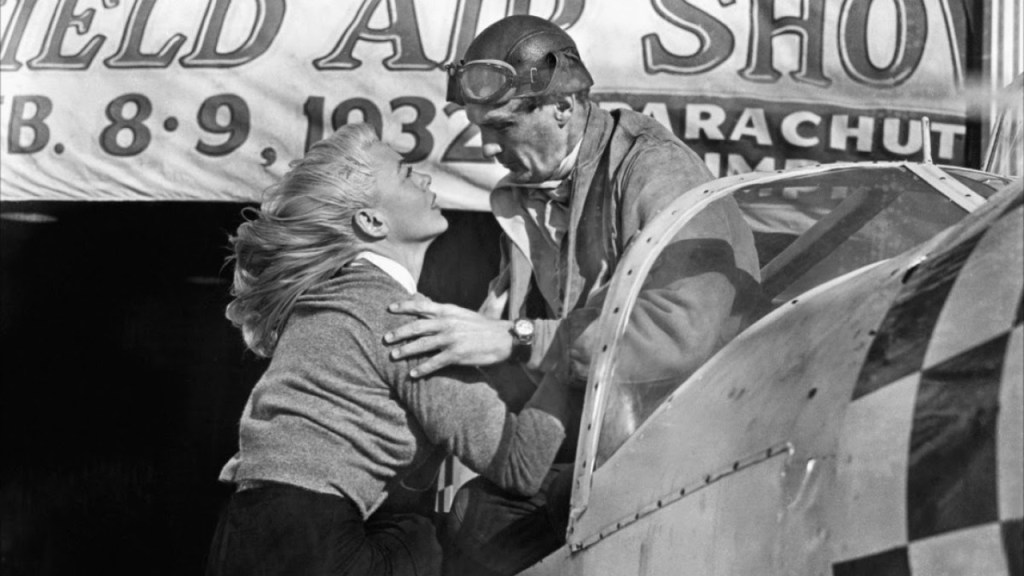
7. Magnificent Obsession (1954)
Genre: Melodrama, Romance
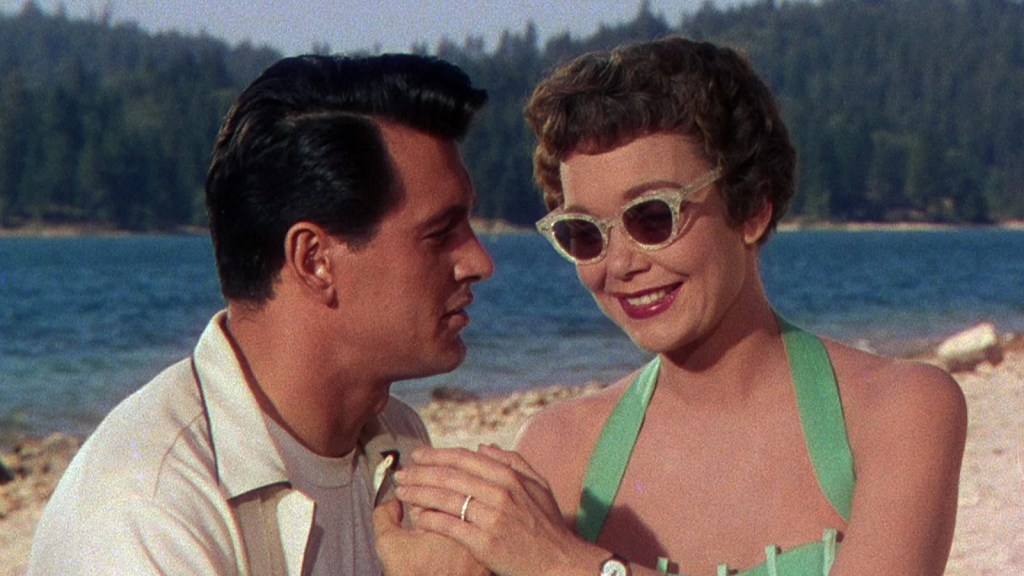
8. Has Anybody Seen My Gal? (1952)
Genre: Comedy

9. A Scandal in Paris (1946)
Genre: Biographical, Heist Film
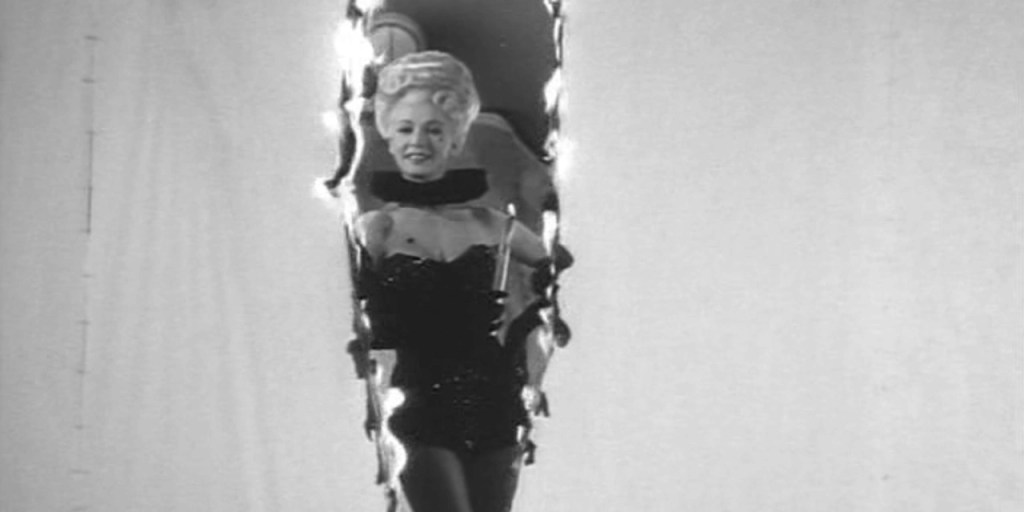
10. Final Accord (1936)
Genre: Drama

Douglas Sirk: Themes and Style
Themes:
- Class and Social Mobility: Sirk often portrayed the struggles and aspirations of characters in a class-based society. In films like Written on the Wind and All That Heaven Allows, he examines the constraints and repercussions of trying to transcend one’s social class.
- Romantic Entanglements and Love: Central to many of Sirk’s films, the complexities of romantic relationships often play out against societal norms and expectations, as seen in Magnificent Obsession and Imitation of Life.
- Family Dynamics: The familial relationships, especially the tensions and conflicts between generations, are focal points in films like There’s Always Tomorrow.
- Race and Identity: Imitation of Life is one of Sirk’s most poignant examinations of racial identity, where a mixed-race character tries to pass as white, showcasing the societal pressures and personal anguish tied to race.
- Materialism and its Discontents: Sirk critiques the shallow pursuits and superficiality of post-war American society. He highlights the empty promises of material success in films like All That Heaven Allows.
Styles:
- Melodramatic Flourish: Sirk’s films are marked by high emotional intensity, and he often uses melodrama as a tool to heighten the narrative’s emotional stakes.
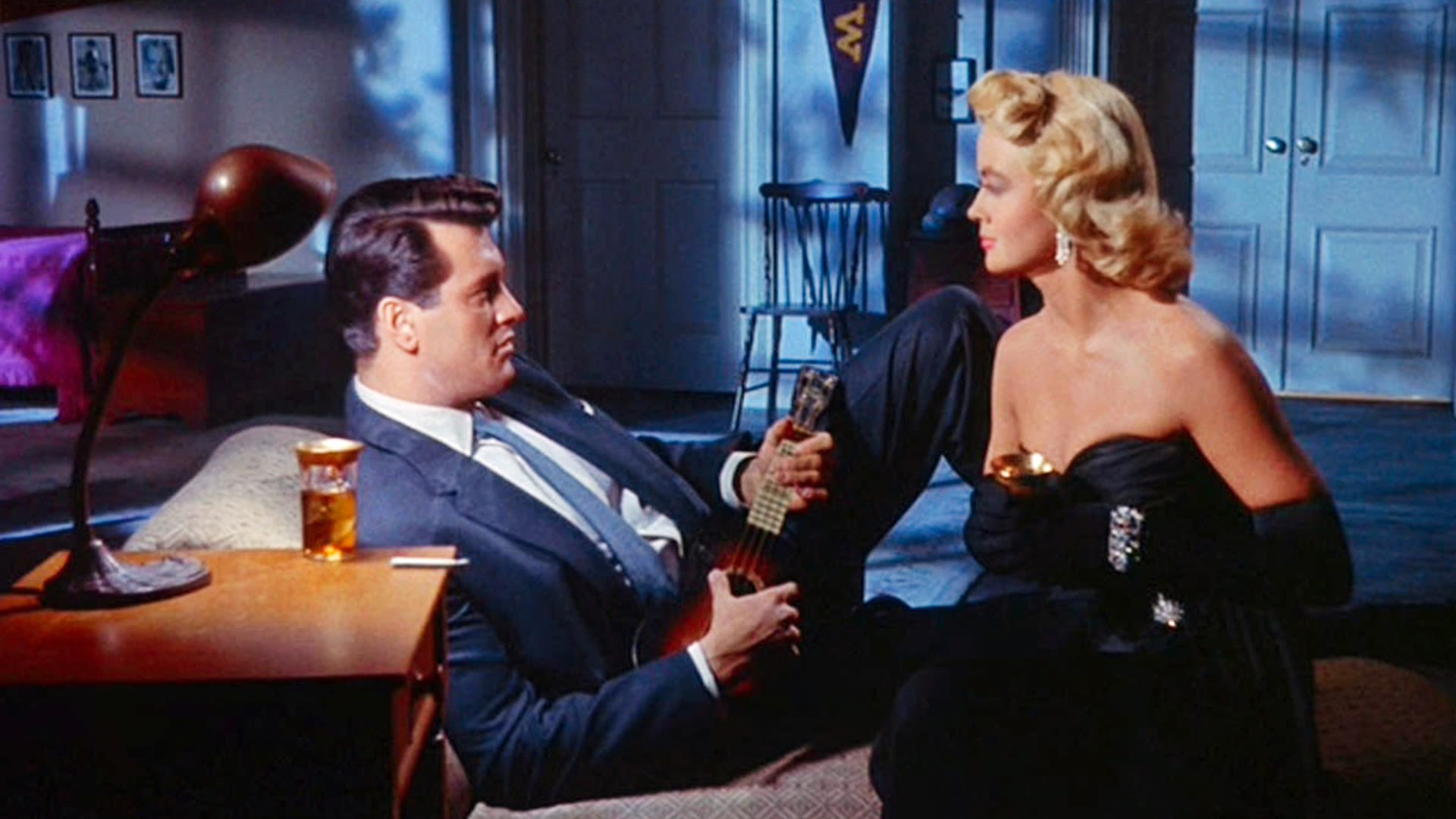
- Vibrant Technicolor: The lush, saturated colours in his films, particularly in All That Heaven Allows and Written on the Wind, amplify the emotional depth and drama of the storylines.
- Reflective Surfaces: Mirrors, glass, and water surfaces frequently appear in his films, symbolising introspection, duality, and characters’ inner conflicts.
- Framing and Composition: Sirk often used doorways, windows, and other architectural elements to frame characters, hinting at their trapped or constrained circumstances.
- Contrast of Settings: The juxtaposition of different environments, such as the urban vs. rural divide in All That Heaven Allows, often underscores the societal divides and character conflicts in his stories.
Directorial Signature:
- Critique of American Society: Sirk’s films, while appearing as standard melodramas on the surface, often carry deeper critiques of 1950s American society, particularly its materialism, conservatism, and racial tensions.
- Layered Storytelling: Beneath the melodramatic surface, Sirk’s narratives are filled with subtexts, nuances, and underlying commentaries that require attentive viewing to fully appreciate.
- Visual Symbolism: His meticulous attention to visual elements, from set design to costumes, often serves as symbolic representations of characters’ emotions or societal critiques.
- Collaboration with Actors: Sirk had a knack for drawing out intense and memorable performances from his actors, often working with the same ones repeatedly, like Rock Hudson and Jane Wyman, to develop intricate character portrayals.
- Irony and Ambiguity: While his films might seem straightforward, Sirk often infuses them with layers of irony, leaving the audience to question and interpret the true nature and motivations of the characters and the world they inhabit.
Douglas Sirk: The 97th Greatest Director


 Bronze Screen Dream