

Denis Villeneuve, a French-Canadian director, is renowned for his masterful visual storytelling and exploration of complex, often dark themes. Villeneuve’s distinctive cinematic style is clearly visible in his diverse work, from critically acclaimed dramas like Incendies to groundbreaking science fiction epics like Blade Runner 2049 and Dune.
Villeneuve’s journey to cinema was unconventional. He initially studied sciences before shifting his focus to film, a transition that perhaps contributes to his meticulous and thoughtful filmmaking approach. His films often feature intricate, non-linear plots and involve complex issues and moral ambiguities. This complexity is paired with an exploration of darkness, where Villeneuve delves into the unsettling aspects of human nature, revealing themes of violence, trauma, and ethical uncertainty.
Villeneuve’s films are striking, often deploying evocative imagery and meticulous production design to complement the narrative. His collaboration with acclaimed cinematographers like Roger Deakins contributes to the visually arresting quality of his films, creating highly atmospheric and immersive experiences. His focus on sound design further enhances his visual storytelling, using it strategically to build tension and evoke emotional states in the viewer.
“Film is pop art”
Villeneuve’s contribution to science fiction has been significant, with his adaptations of complex literary works like Blade Runner 2049 and Dune. His deft handling of these dense narratives and his ability to translate them into visually stunning and thematically rich films has established him as a prominent figure in the genre. His films often conclude with thought-provoking ambiguity, inviting viewers to contemplate the narrative’s implications and meanings.
Despite his films’ complexity and profound themes, Denis Villeneuve has achieved both critical acclaim and commercial success. His influence extends to filmmakers worldwide, inspiring them with his visual language and approach to complex narratives. Ultimately, Villeneuve’s impact on film history, particularly within the sci-fi genre, establishes him as one of the most compelling directors of the contemporary cinematic landscape.

Denis Villeneuve (1967 –)
Calculated Films:
- Incendies (2010)
- Prisoners (2013)
- Sicario (2015)
- Arrival (2016)
- Blade Runner: 2049 (2017)
- Dune (2021)
Similar Filmmakers


Denis Villeneuve’s Top 10 Films Ranked
1. Incendies (2010)
Genre: Drama, Mystery, War

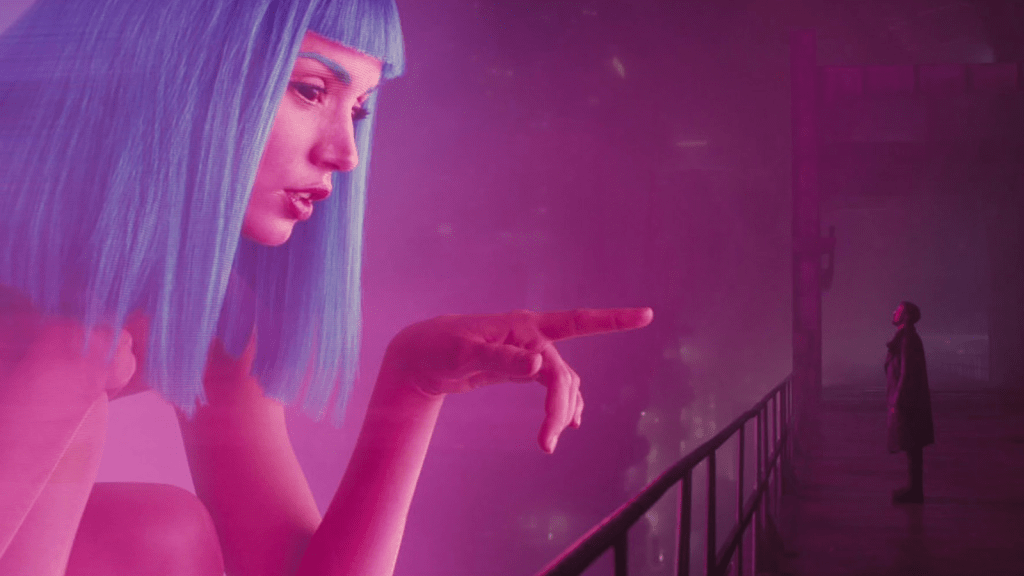
2. Blade Runner 2049 (2017)
Genre: Cyberpunk, Tech-Noir, Dystopian, Mystery
3. Prisoners (2013)
Genre: Thriller, Mystery, Drama, Crime, Police Procedural

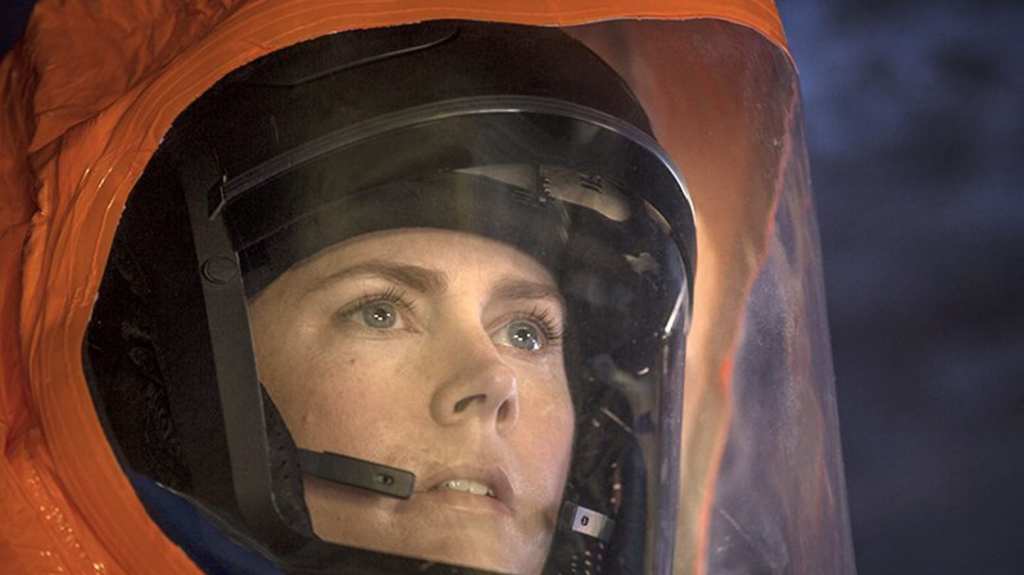
4. Arrival (2016)
Genre: Sci-Fi, Psychological Drama
5. Sicario (2015)
Genre: Crime, Thriller, Police Procedural

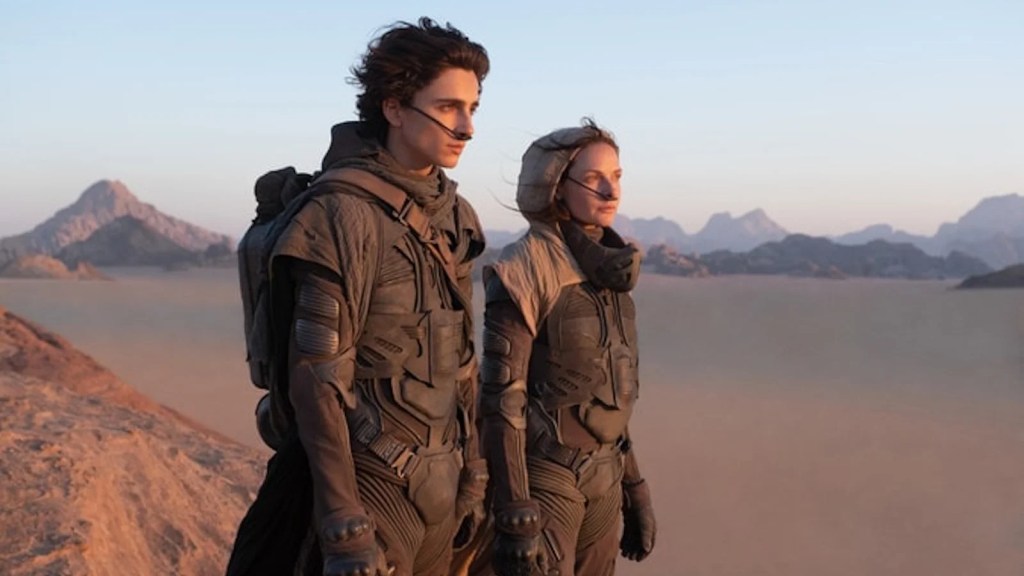
6. Dune (2021)
Genre: Space Opera, Epic
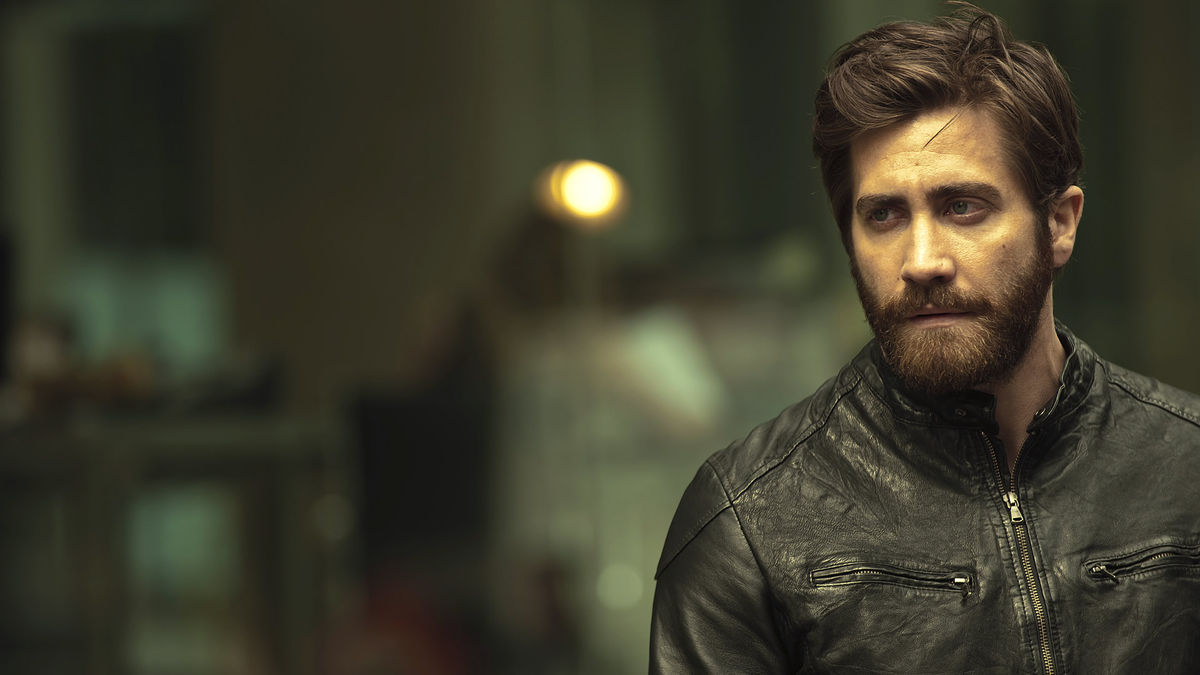
7. Enemy (2013)
Genre: Psychological Thriller, Mystery

8. Polytechnique (2009)
Genre: Crime, Drama

9. Maelstrom (2000)
Genre: Psychological Drama

10. August 32nd on Earth (1998)
Genre: Road Movie, Romance

Denis Villeneuve: Themes and Style
Themes:
- Complex Characters: Villeneuve’s films often centre around deeply layered and complex characters, each grappling with personal demons, moral dilemmas, or larger-than-life challenges.
- Morality and Ethics: From Sicario to Prisoners, the director continually explores moral grey areas, putting characters in situations where right and wrong aren’t easily discernible.
- Humanity vs. Technology/Aliens: Seen notably in Blade Runner 2049 and Arrival, Villeneuve delves into the interaction between humans and advanced technology or extraterrestrial beings.
- Memory & Identity: Especially prevalent in Blade Runner 2049, the ideas of memory and self-identity, as well as how they shape our understanding of reality, are recurring themes.
- War and Conflict: Whether personal, as in Incendies, or on a global scale, as in Dune, Villeneuve frequently examines the consequences of conflict on the human psyche.
Styles:
- Atmospheric Cinematography: Villeneuve, often collaborating with renowned cinematographers like Roger Deakins, crafts visually stunning films. His scenes are immersive, with a focus on creating mood and atmosphere.
- Slow Burn Narrative: Many of his films unfold at a measured pace, allowing tension to build gradually. This pace is complemented by intricate plot developments that require viewer engagement.
- Use of Music: Soundtracks and scores (think Jóhann Jóhannsson or Hans Zimmer) play a crucial role in establishing mood and tone in Villeneuve’s films. The music often adds to the intensity and emotion of a scene.
- Minimalistic Dialogue: Villeneuve allows visuals to speak volumes. He often uses quiet moments, relying on facial expressions, body language, and visuals to convey the story.
Directorial Signature:
- Visceral Emotional Impact: Villeneuve doesn’t shy away from uncomfortable or gut-wrenching sequences. His movies often leave audiences in contemplation, evoking strong emotional reactions.
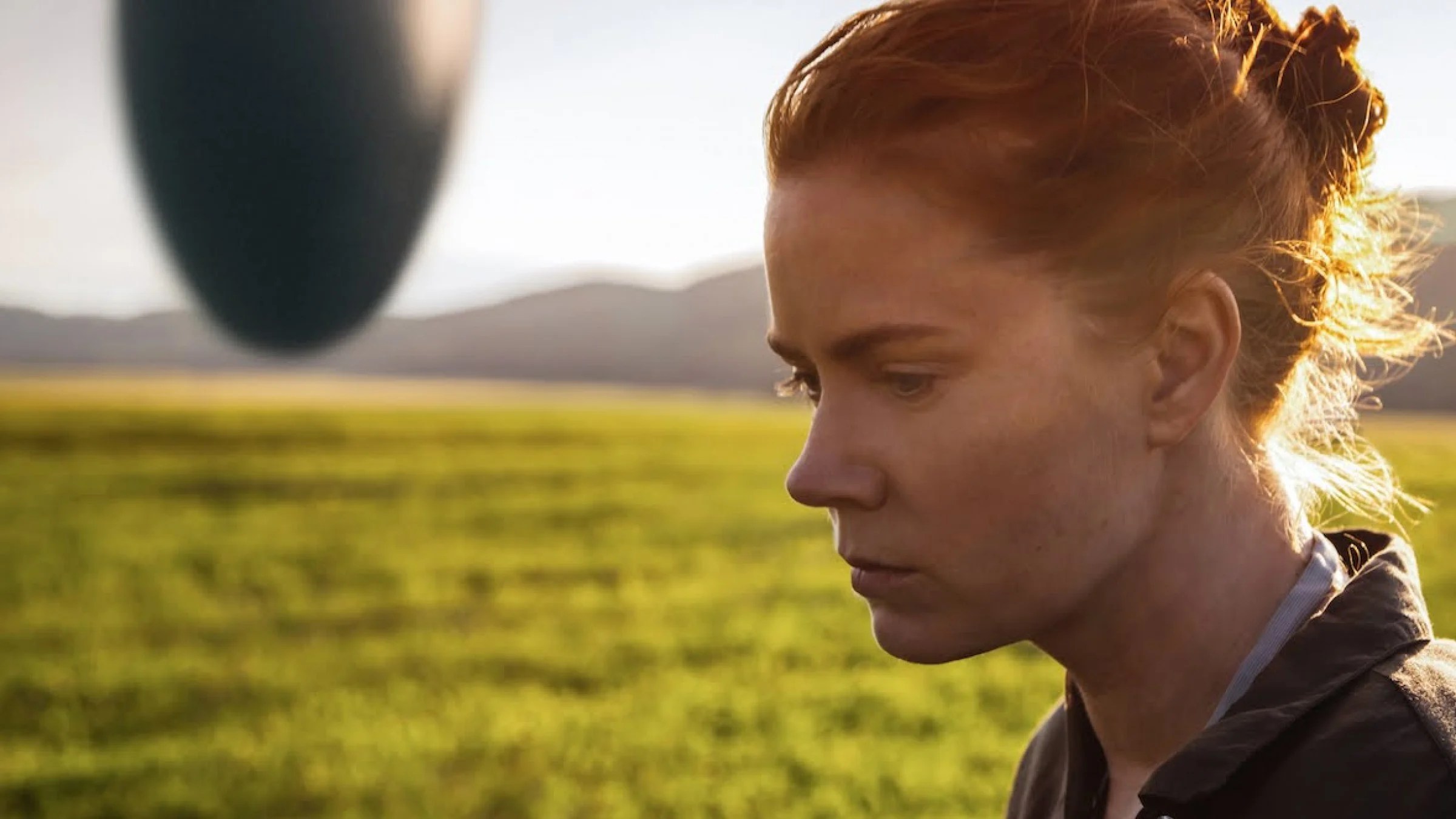
- Striking Visual Sequences: Whether it’s the hauntingly beautiful alien ships in Arrival or the vast desert landscapes in Dune, Villeneuve is known for creating unforgettable visual moments.
- Intellectual Engagement: Villeneuve’s films are thought-provoking. They aren’t just surface-level entertainment; they demand intellectual engagement, prompting viewers to ask questions and seek deeper meanings.
Denis Villeneuve: The 128th Greatest Director


 Bronze Screen Dream