
D.W. Griffith, a seminal figure of early American cinema, is best known for his pioneering techniques that significantly shaped the language of film. Notably, his innovative use of the close-up shot, cross-cutting, and narrative storytelling established standards for the cinematic medium. Griffith’s work, while influential, is not without controversy—his 1915 film, The Birth of a Nation, although recognised for its epic storytelling and innovative techniques, is heavily criticised for its overtly racist content and the glorification of the Ku Klux Klan.
Born in Kentucky, D.W. Griffith started his career as a playwright and actor before transitioning to film, joining the Biograph Company in 1908. Over the next five years, he directed hundreds of short films, honing his innovative filmmaking techniques and laying the groundwork for his most influential and contentious works. His collaborations with actors such as Lillian Gish and Richard Barthelmess resulted in some of the most memorable performances of the silent era, demonstrating Griffith’s ability to elicit emotionally rich portrayals.
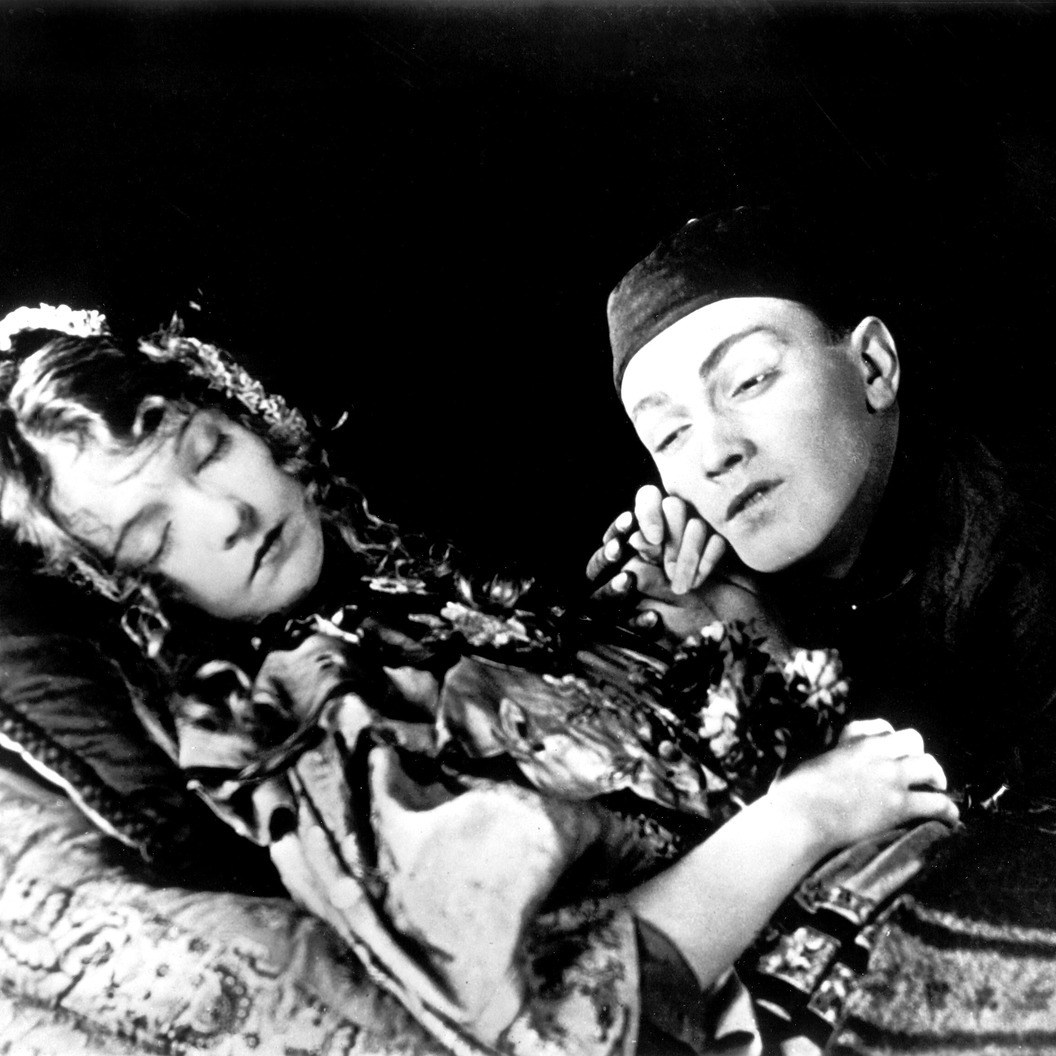
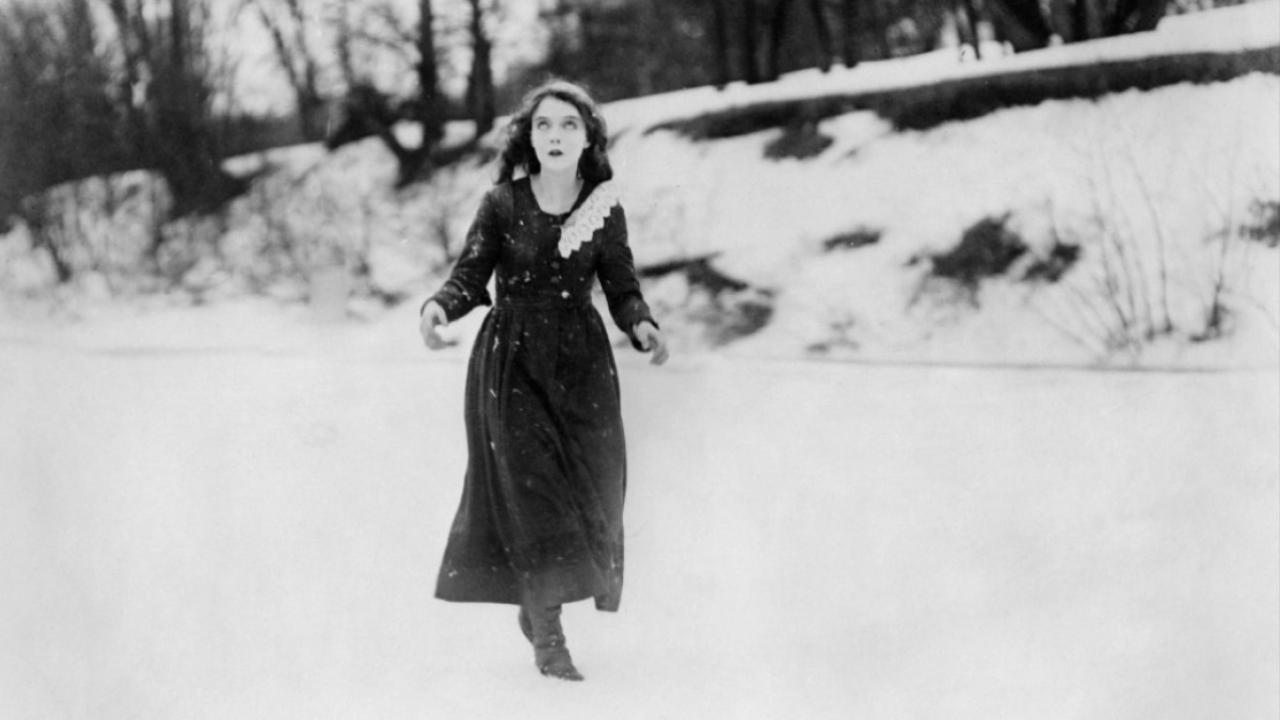
Griffith’s films often exhibited social issues of the time, showcasing his adeptness at intertwining commentary with narrative. In Way Down East, Griffith critiqued societal attitudes towards women, while Broken Blossoms explored themes of race and violence. Despite the controversial aspects of his works, Griffith’s ability to tackle these issues marked a new level of maturity in American cinema.
Another defining element of Griffith’s filmmaking was his development of film grammar, including the concept of continuity editing. By ensuring that action flowed seamlessly from one shot to the next, he created the illusion of continuous time and space, thus enhancing the narrative coherence of his films. This technique and his use of close-ups and cross-cutting highlighted Griffith’s skill at manipulating filmic elements to augment the storytelling experience.
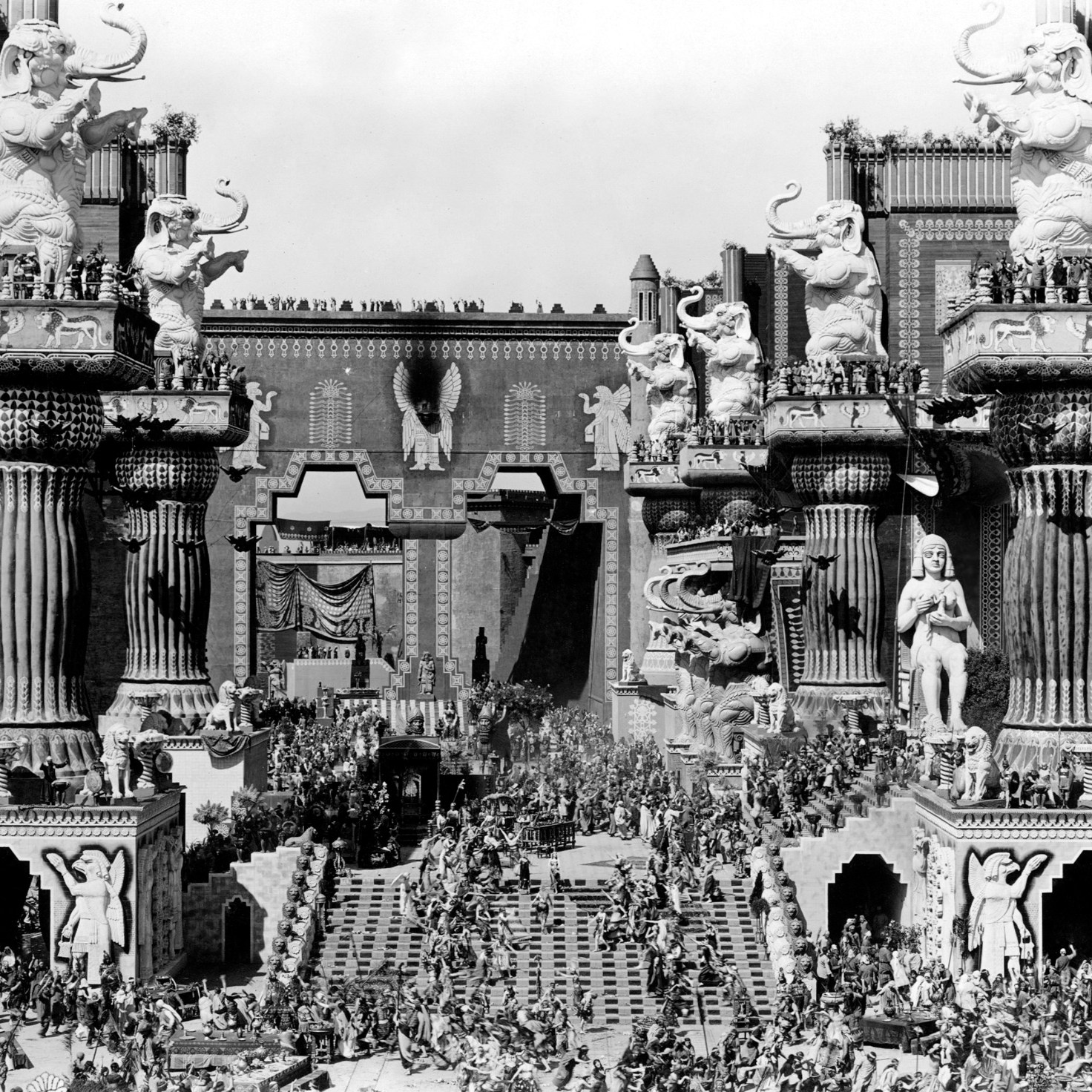
In response to the backlash against The Birth of a Nation, Griffith made Intolerance, an ambitious epic interweaving four parallel stories from different historical periods. Showcasing Griffith’s filmmaking virtuosity, the film contrasted the themes of love and human cruelty across time, marking an ambitious narrative experiment for its era. Beyond his creative endeavours, Griffith co-founded United Artists in 1919 alongside Charlie Chaplin, Mary Pickford, and Douglas Fairbanks, allowing filmmakers greater control over their works and pioneering the idea of directorial autonomy in Hollywood.
Griffith’s enduring impact on cinema is apparent in the work of many influential directors, nationally and internationally, including Sergei Eisenstein, John Ford, and Jean-Luc Godard, who have acknowledged his influence on their filmmaking. However, his legacy is marred by controversy, with The Birth of a Nation promoting harmful racial stereotypes. Despite this, his technical and narrative contributions have become integral to the language of cinema, cementing his status as a key figure in film history.
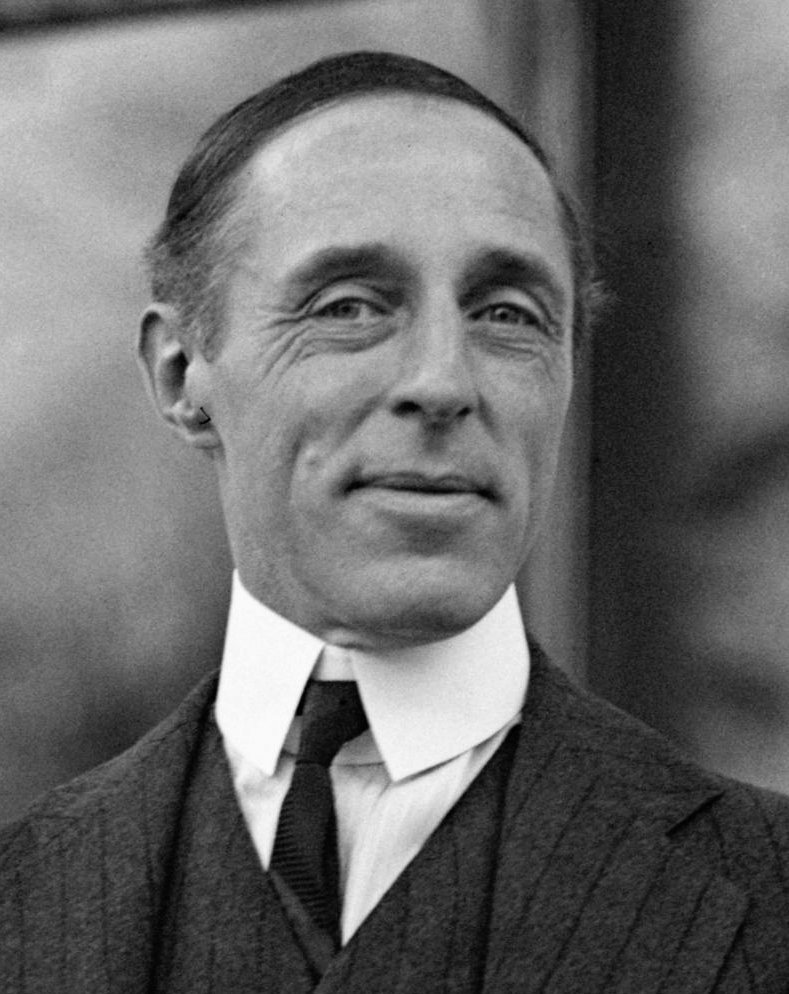
D.W. Griffith (1875 – 1948)
Calculated Films:
- The Birth of a Nation (1915)
- Intolerance (1916)
- Hearts of the World (1918)
- Broken Blossoms (1919)
- True Heart Susie (1919)
- A Romance of Happy Valley (1919)
- Way Down East (1920)
- Orphans of the Storm (1921)
- Dream Street (1921)
- Isn’t Life Wonderful (1924)
Similar Filmmakers
- Frank Borzage
- Frank Lloyd
- Henry King
- John Ford
- King Vidor
- Lois Weber
- Maurice Tourneur
- Oscar Micheaux
- Raoul Walsh
- Rex Ingram
- Sergei Eisenstein
- Victor Fleming

D.W. Griffith’s Top 10 Films Ranked
1. Intolerance (1916)
Genre: Anthology Film, Period Drama, Romance, Epic

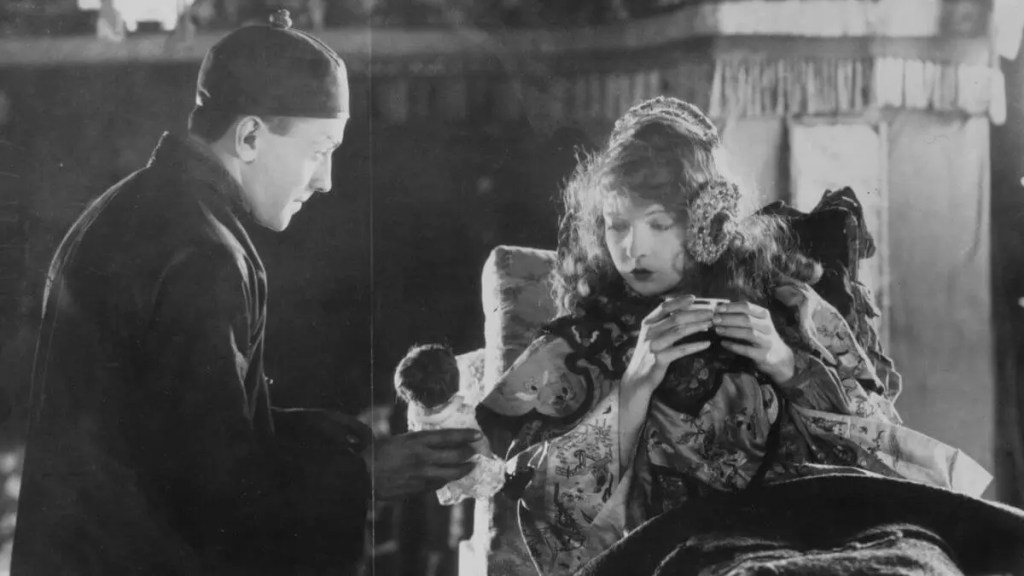
2. Broken Blossoms (1919)
Genre: Melodrama, Romance
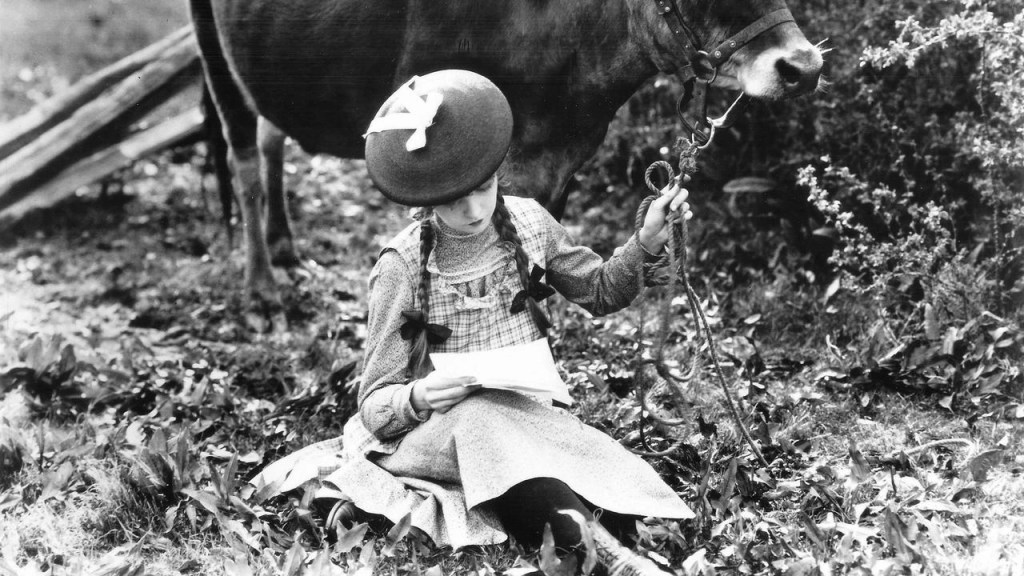
3. True Heart Susie (1919)
Genre: Melodrama, Romance
4. The Birth of a Nation (1915)
Genre: Period Drama, War, Melodrama, Propaganda Film, Epic

5. Way Down East (1920)
Genre: Melodrama, Romance

6. Isn’t Life Wonderful (1924)
Genre: Drama, Romance

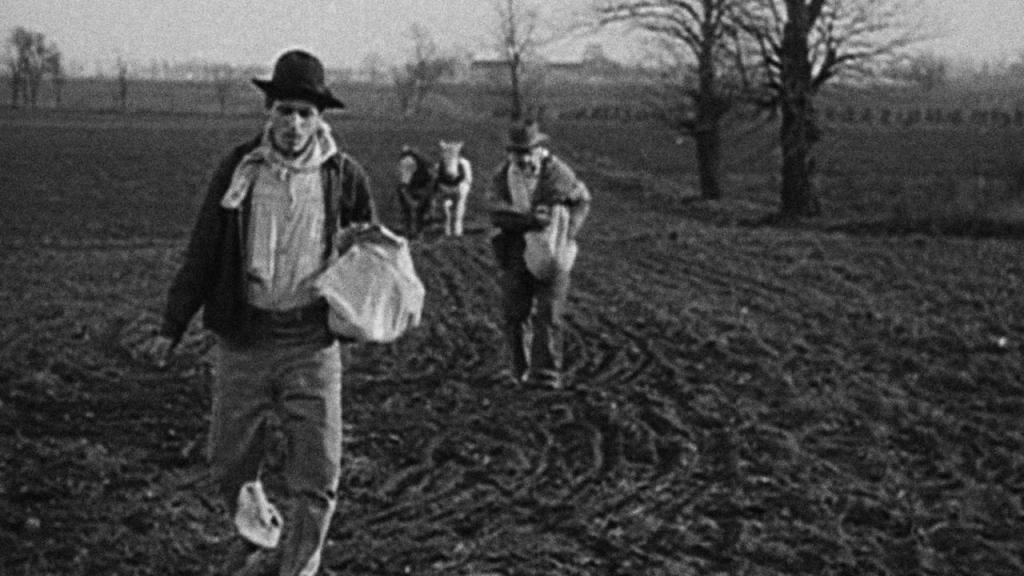
7. A Corner in Wheat (1909)
Genre: Drama
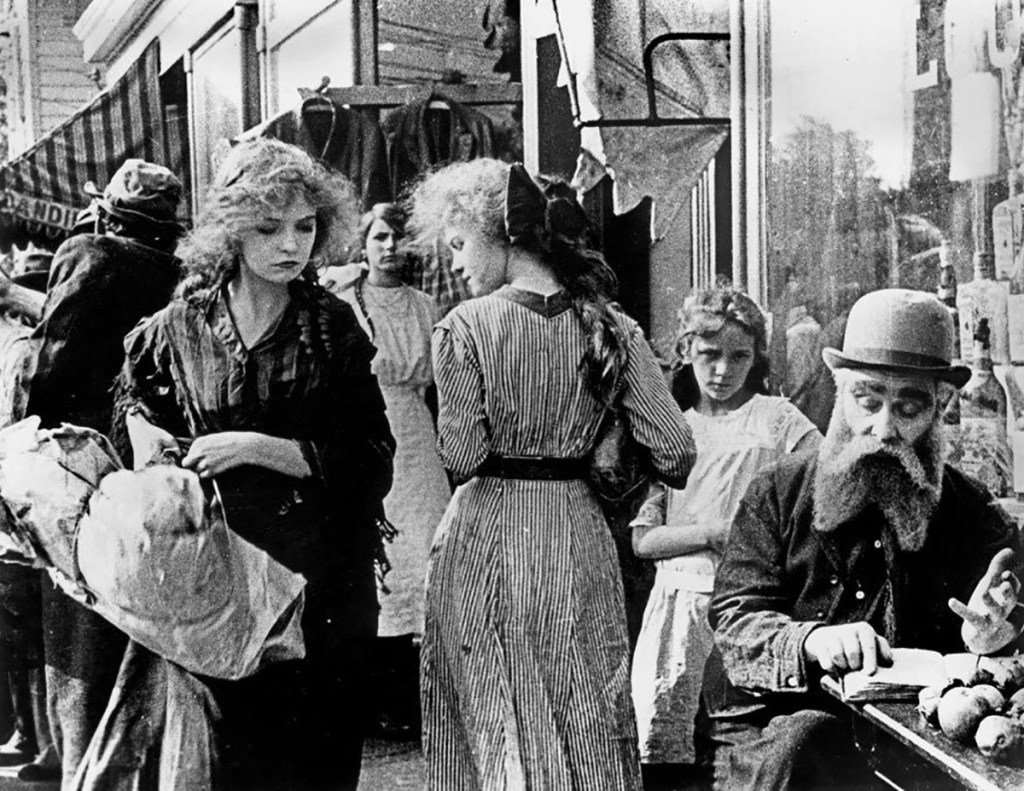
8. The Musketeers of Pig Alley (1912)
Genre: Gangster Film
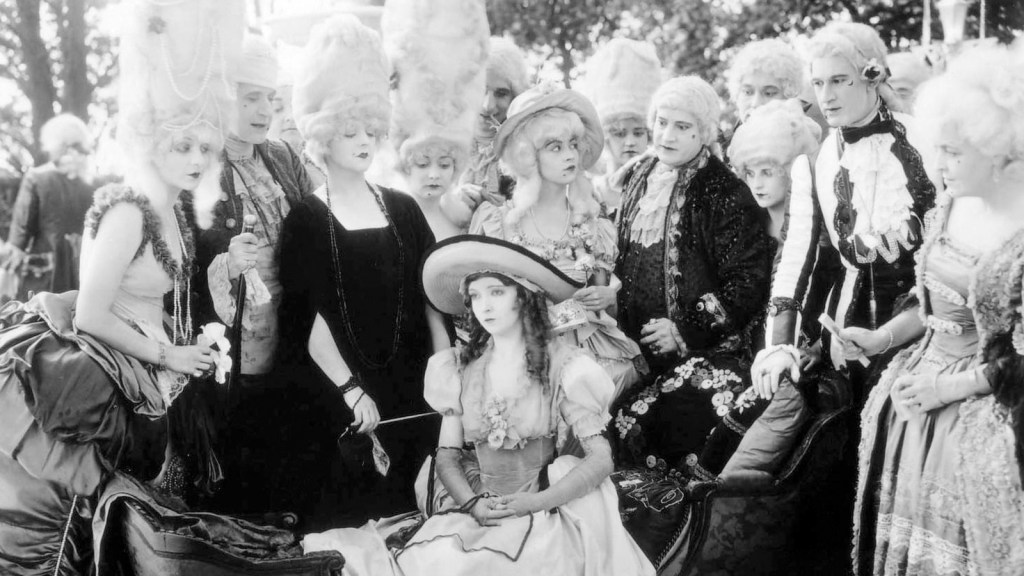
9. Orphans of the Storm (1921)
Genre: Period Drama, Melodrama
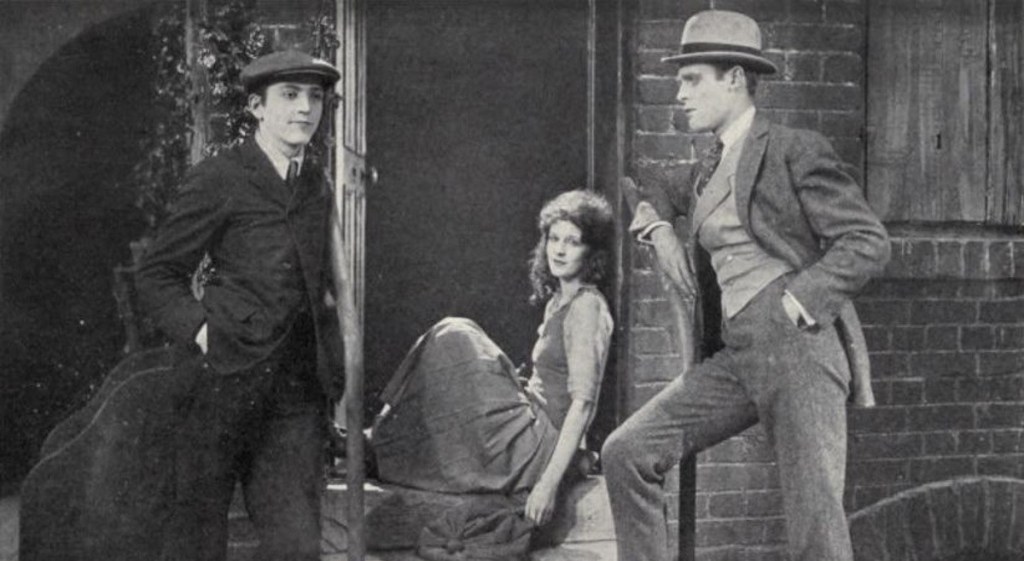
10. Dream Street (1921)
Genre: Drama, Crime, Comedy
D.W. Griffith: Themes and Style
Themes:
- Moral Polarisation: Griffith often depicted stark moral contrasts, as seen in Intolerance, where he contrasts human cruelty with kindness across different epochs, emphasising universal moral choices.
- Social Injustice: Many of Griffith’s works, including The Birth of a Nation, deal with social issues like racism, although his portrayal has been widely criticised for promoting racial stereotypes and glorifying the Ku Klux Klan.
- Romanticism: Griffith’s films frequently explore romantic themes, highlighted by idealised love and dramatic relationships, such as the intense love triangle in Broken Blossoms.
- Epic Narration: He was known for epic storytelling with sweeping narratives that covered vast historical events, as showcased in Intolerance, which weaves multiple storylines across different ages.
- Redemption and Sacrifice: A recurring theme in Griffith’s films is the idea of personal redemption through sacrifice, often with characters facing moral dilemmas, as seen in Way Down East.
Styles:
- Cross-cutting: In films like The Birth of a Nation, Griffith popularised the use of cross-cutting to build suspense, showing two parallel actions happening simultaneously but in different locations.
- Close-ups and Intimate Framing: He frequently employed close-ups to capture the emotional subtlety of actors’ performances, which was a significant shift from the wide, stage-like framing of earlier cinema.
- Experimental Lighting: Griffith experimented with lighting for dramatic effect, using it to enhance mood and realism, as well as to focus attention on characters or important details within scenes.
- Elaborate Sets and Costumes: In Intolerance, he utilised elaborate sets and costumes to create an authentic feel and transport audiences to different historical periods and locations.
- Fluid Camera Movement: Moving beyond static shots, Griffith incorporated tracking shots and pans, allowing for more dynamic visual storytelling, as seen in Orphans of the Storm.
Directorial Signature:
- Innovative Editing Techniques: Griffith’s signature as a director is often associated with his pioneering use of editing techniques, such as parallel editing, jump cuts, and fade-outs, to enhance narrative complexity.
- Complex Female Characters: Despite the times, Griffith’s films, such as True Heart Susie, often featured complex female characters who were central to the narrative and possessed a degree of psychological depth.
- Ensemble Casts: He frequently worked with large ensemble casts, managing multiple characters and storylines to build a cohesive narrative tapestry.
- Pathos: Griffith had a penchant for melodrama and sentimentality, aiming to elicit strong emotional responses from the audience, a technique he mastered in films like Broken Blossoms.
- Social Commentary: His directorial work often included social commentary, which at times was progressive, such as criticising intolerance, but at other times regressive, as seen in the racial portrayals in The Birth of a Nation.
D.W. Griffith: The 73rd Greatest Director
 Bronze Screen Dream