

Joel and Ethan Coen, collectively known as the Coen Brothers, are among the most distinctive filmmakers in contemporary cinema. The Coens are known for their unique blend of art cinema and popular genres, quirky and memorable characters, and precise control over every aspect of their films. They deftly blend and subvert genre conventions, creating a cinematic universe filled with distinctive dialogue, recurring themes of fate and existentialism, and an interplay of comedy and tragedy that is both absurdly funny and deeply unsettling.
The Coen Brothers were born and raised in Minnesota, a location that has often figured prominently in their work. They began their collaborative career with Blood Simple in 1984, a neo-noir thriller that introduced audiences to their singular style. Over the following decades, the Coens have produced a diverse and acclaimed body of work, spanning genres from noir to screwball comedy, from westerns to gangster films, consistently reinventing and playfully deconstructing cinematic traditions.
A unique blending of genres and subversion of conventions characterises their films. From the darkly comic crime saga Fargo and the absurdist comedy The Big Lebowski to the grim neo-western No Country for Old Men, their work consistently defies easy categorisation. Similarly, their dialogue, often imbued with regional dialects and period-specific slang, creates distinct and memorable characters. These characters frequently grapple with themes of fate, existentialism, and moral ambiguity, often finding themselves in absurd or chaotic situations that lead to darkly comic or tragic outcomes.
“We’ve never considered our stuff either homage or spoof.”
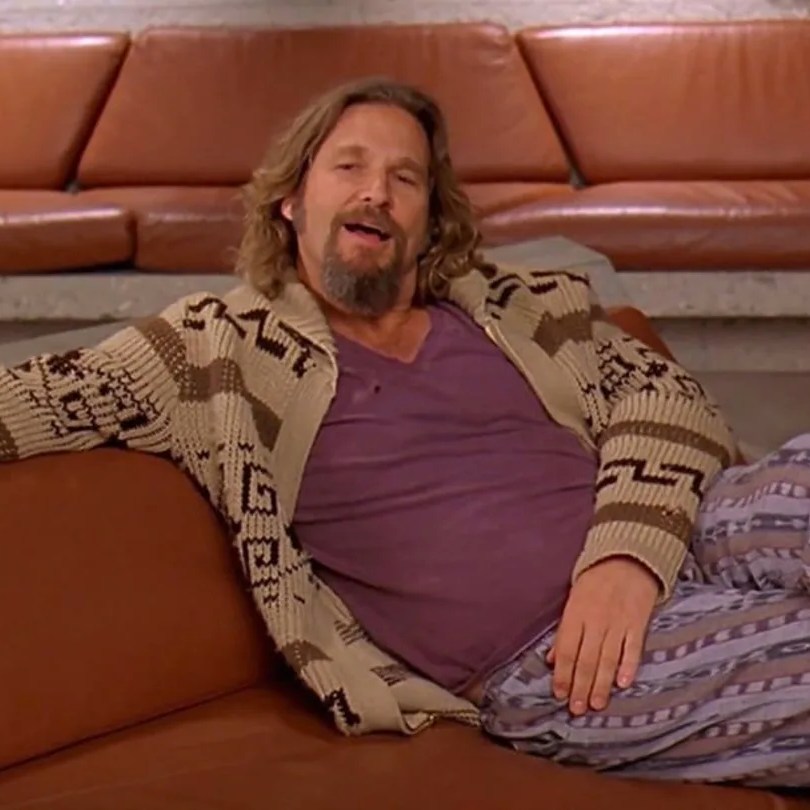
Collaborating frequently with cinematographer Roger Deakins, the Coens have developed a visual style that complements their narratives’ tone and themes. They craft meticulously composed shots, often utilising stark, dramatic landscapes that lend a visual richness to their films. Equally important are their characters, which range from the naive Jerry Lundegaard in Fargo to the laid-back Dude in The Big Lebowski. These eccentric, often morally ambiguous characters are integral to the Coens’ distinctive style and the often absurd worlds they inhabit.
The Coens’ films also uniquely balance comedy and tragedy. This interplay, combined with their exploration of moral quandaries, produces an absurdly funny and deeply unsettling tone. Their work is characterised by meticulousness, from the precision of their scripts to their hands-on involvement in editing (under the pseudonym Roderick Jaynes), ensuring a level of control that contributes to the coherence and distinctiveness of their filmography.
With their unique approach to filmmaking, the Coen Brothers have significantly influenced contemporary cinema. Filmmakers such as Bong Joon-ho, Edgar Wright, and Rian Johnson have cited the Coens as a major influence. Their idiosyncratic style, recurring themes, and playful subversion of genre have shaped a new generation of filmmakers.
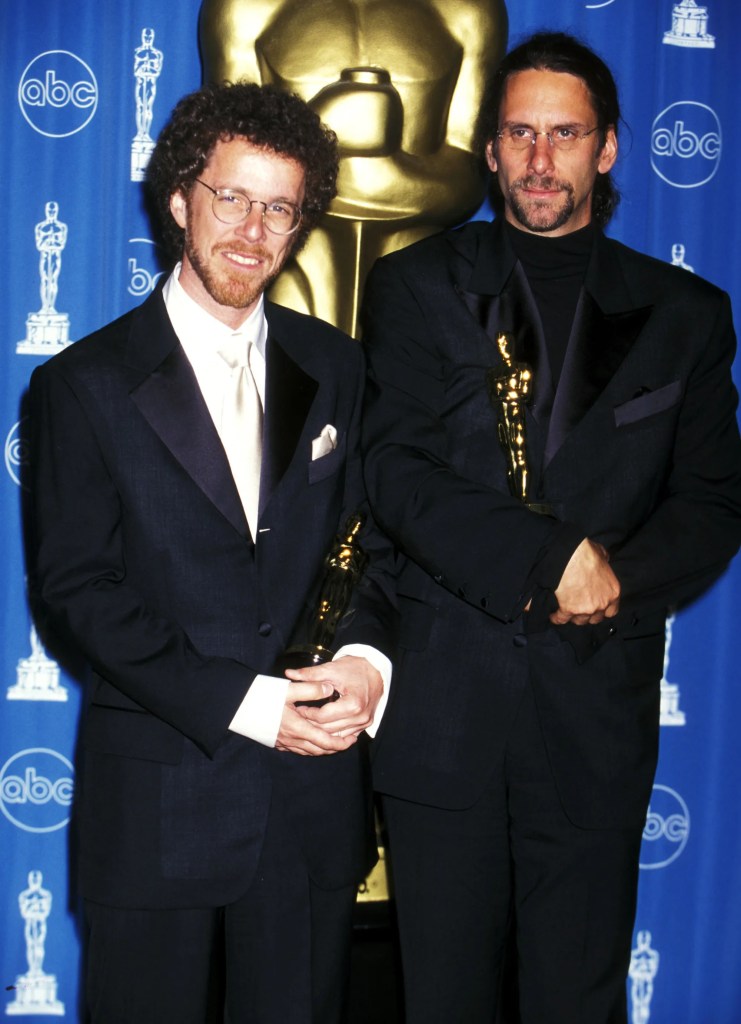
Joel Coen (1954 – -) & Ethan Coen (1957 – -)
Calculated Films:
- Blood Simple (1984)
- Raising Arizona (1987)
- Miller’s Crossing (1990)
- Barton Fink (1991)
- The Hudsucker Proxy (1994)
- Fargo (1996)
- The Big Lebowski (1998)
- O Brother, Where Art Thou? (2000)
- The Man Who Wasn’t There (2001)
- No Country For Old Men (2007)
- A Serious Man (2009)
- True Grit (2010)
- Insider Llewyn Davis (2013)
Similar Filmmakers

The Coen Brother’s Top 10 Films Ranked
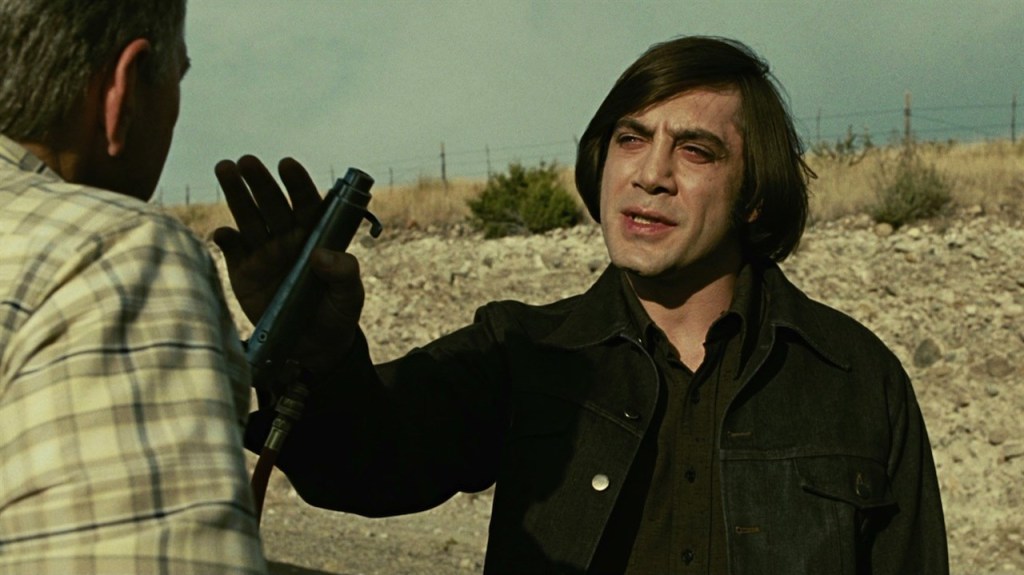
1. No Country For Old Men (2007)
Genre: Thriller, Crime, Neo-Western
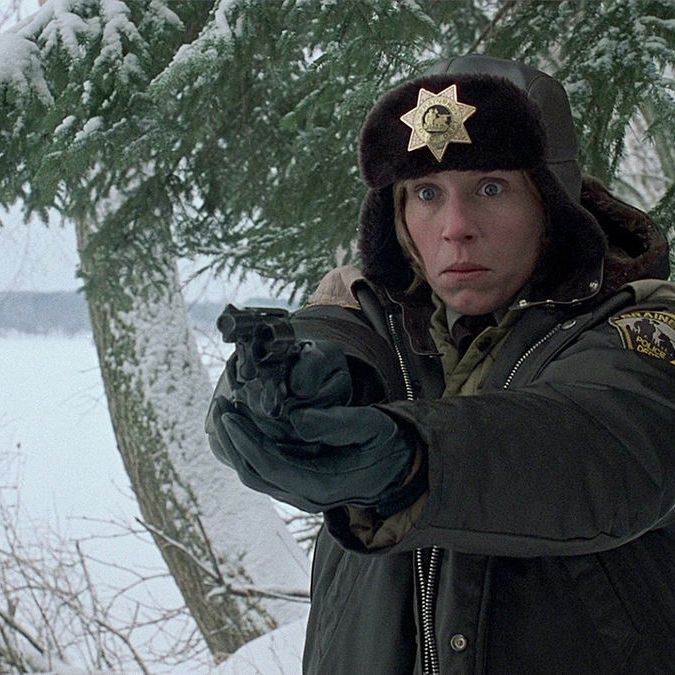
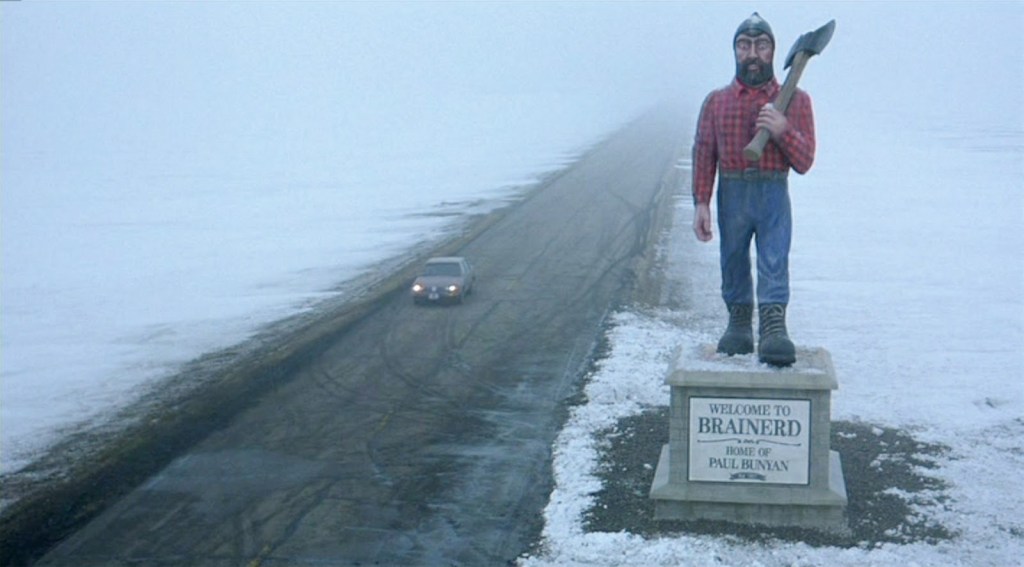
2. Fargo (1996)
Genre: Crime, Black Comedy, Police Procedural
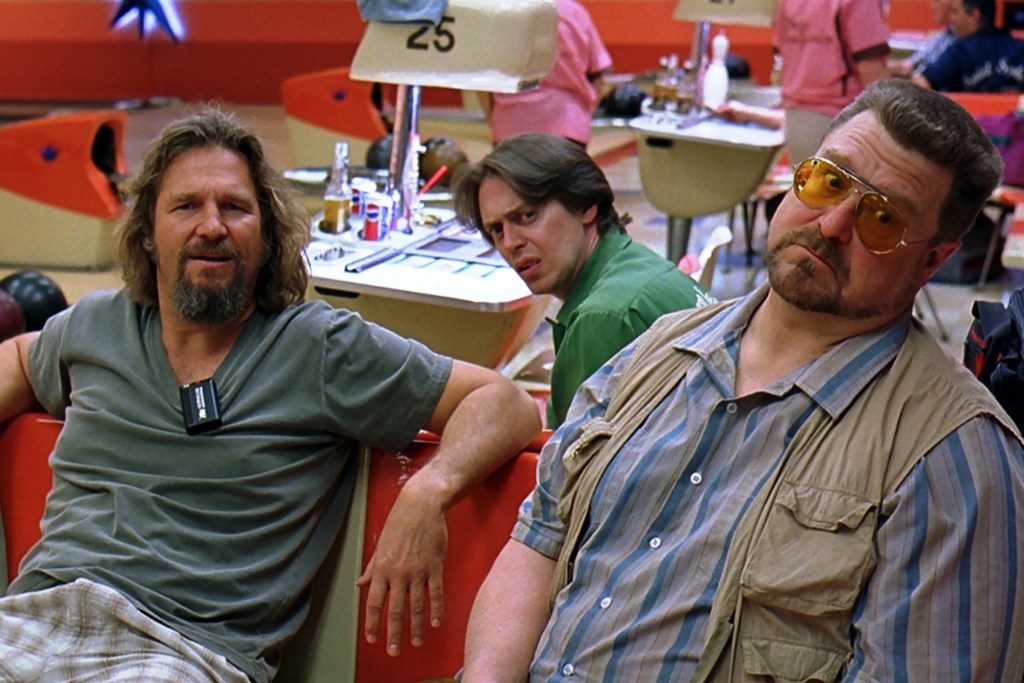
3. The Big Lebowski (1998)
Genre: Comedy, Buddy
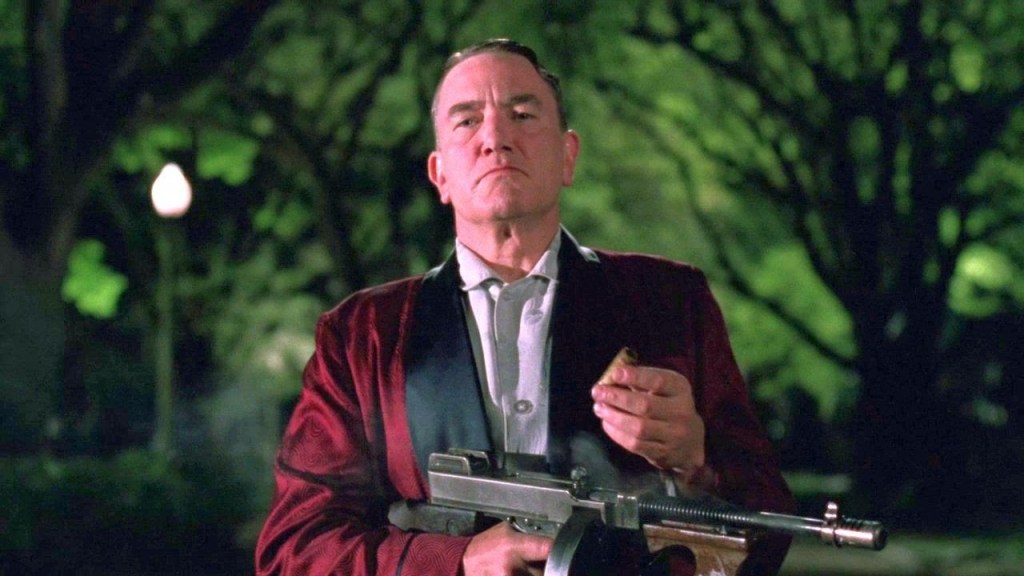
4. Miller’s Crossing (1990)
Genre: Gangster Film, Neo-Noir, Drama, Period Drama
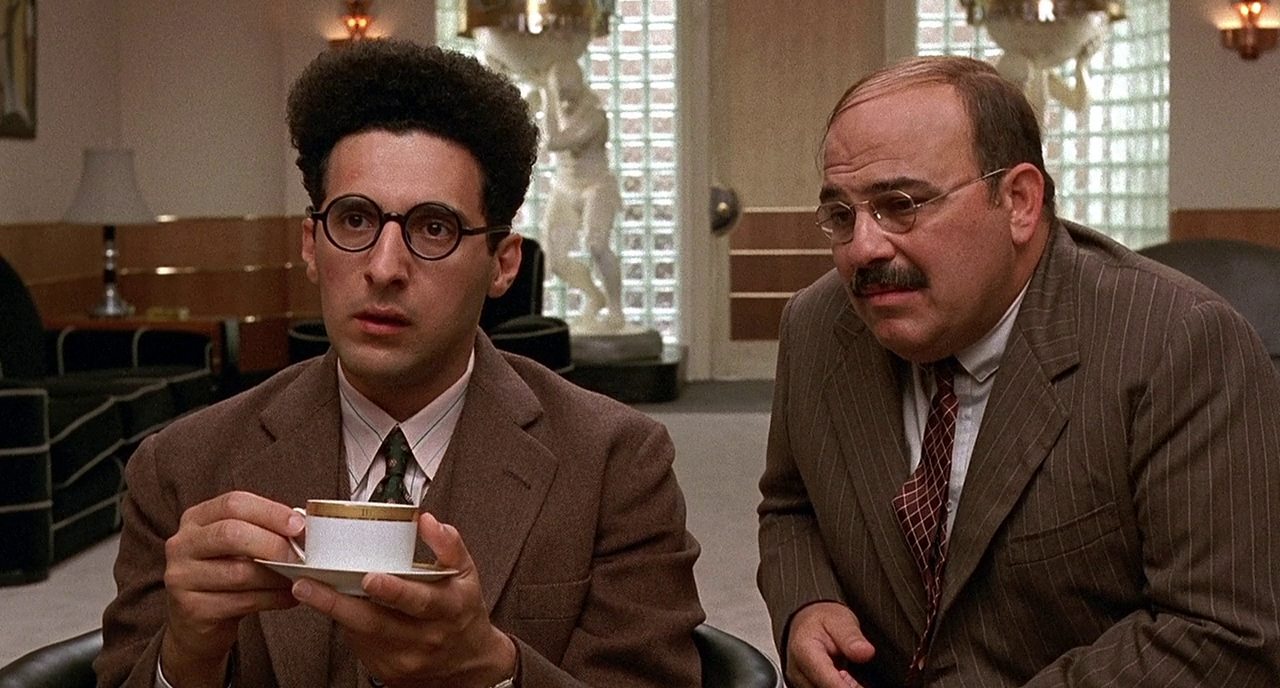
5. Barton Fink (1991)
Genre: Black Comedy, Satire, Psychological Drama

6. Inside Llewyn Davis (2013)
Genre: Music, Drama, Period Drama

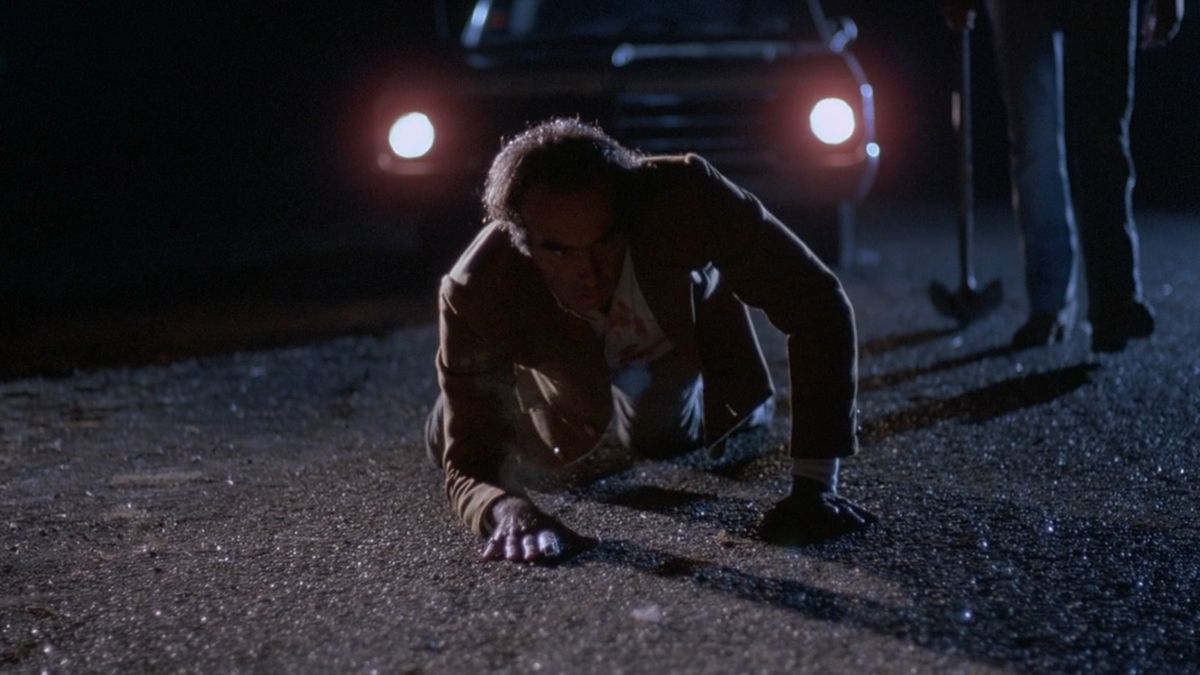
7. Blood Simple (1984)
Genre: Crime, Thriller, Neo-Noir

8. O Brother, Where Art Thou? (2000)
Genre: Comedy, Adventure, Road Movie, Buddy
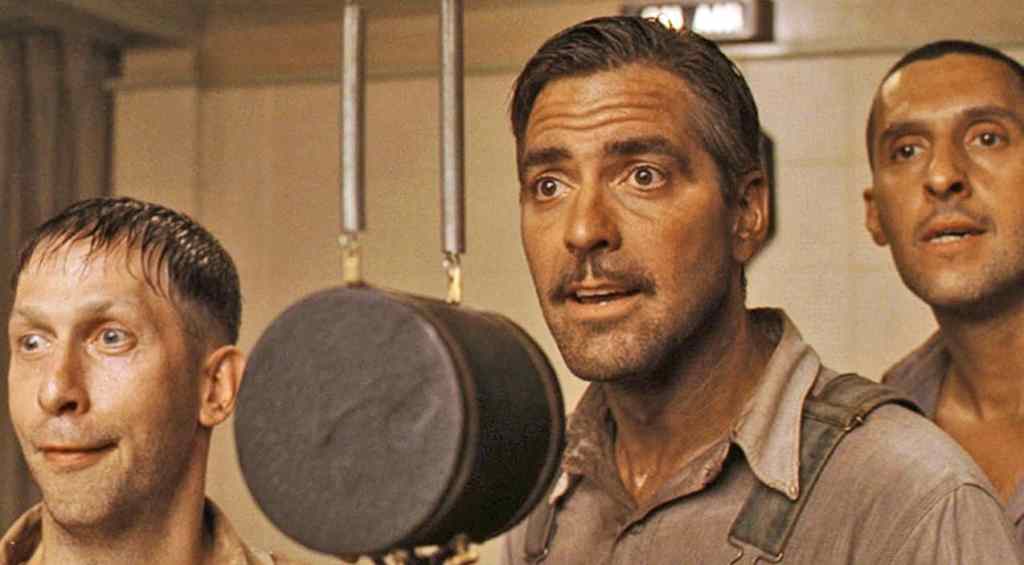
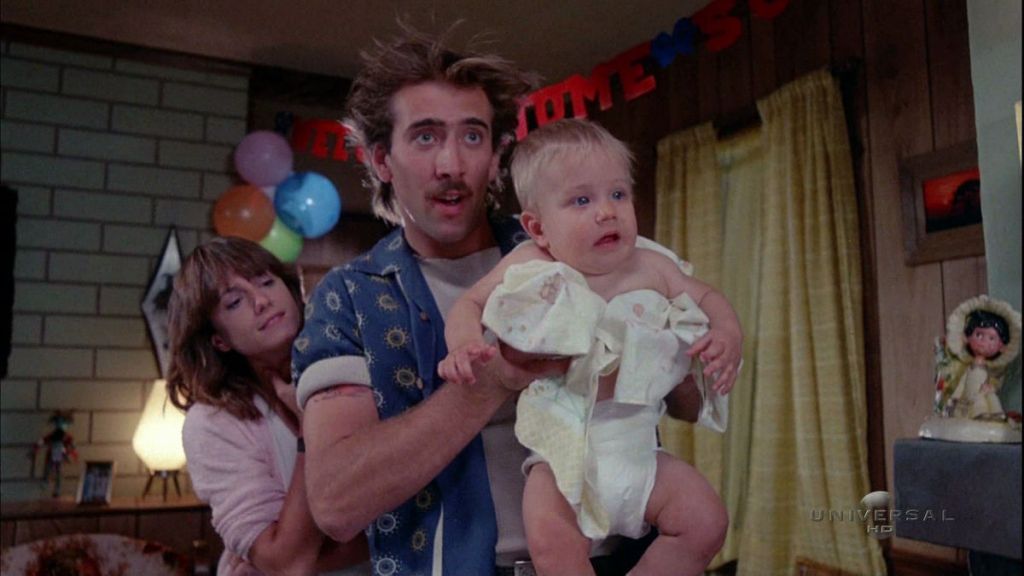
9. Raising Arizona (1987)
Genre: Comedy, Crime
10. The Man Who Wasn’t There (2001)
Genre: Neo-Noir, Drama, Crime, Period Drama

The Coen Brothers: Themes and Style
Themes:
- Moral Conundrums and Crime: The Coen Brothers frequently explore the theme of crime, often depicting characters who are caught in complex ethical dilemmas, as seen in No Country for Old Men and Fargo.
- Fate and Circumstance: Their films often ponder the roles of luck and chance in life’s outcomes. The random violence and unpredictability of events in The Man Who Wasn’t There exemplifies this theme.
- American Regionalism: They frequently focus on specific American regions, capturing the distinct local colour and cultural quirks, from the Minnesotan setting of Fargo to the Old West in True Grit.
- Existentialism: Many of their films, such as A Serious Man, tackle existential questions, showing characters grappling with the meaning of their existence within an often indifferent universe.
- The Absurdity of Life: There is often a darkly comedic sense that life’s most significant events can be absurd or influenced by trivialities, a theme humorously explored in The Big Lebowski.
Styles:
- Visual Flair and Composition: The Coen Brothers are known for their meticulous visual composition, creating evocative and memorable imagery, with The Grand Budapest Hotel serving as a prime example.
- Genre Blending: They often blend and bend genres, infusing dark humour into otherwise serious narratives or injecting elements of drama into comedies, making their filmography diverse and unpredictable.
- Sharp Dialogue: Their films feature sharp, witty dialogue that is often heavily stylised, contributing to the unique tone and memorability of films like O Brother, Where Art Thou?
- Symbolism: They frequently use symbolism to enhance the narrative depth, as seen in the recurring motif of the hat in Miller’s Crossing, representing various themes such as power and identity.
- Quirky Characters: The Coen Brothers’ films are populated by eccentric and idiosyncratic characters, each with their own peculiarities, making films like Raising Arizona stand out.
Directorial Signature:
- Eccentric Storytelling: Their storytelling is characterised by a unique blend of the eccentric and the ordinary, making their work instantly recognisable.
- Collaborative Consistency: They often collaborate with the same ensemble of actors and production crew, creating a consistent aesthetic and performance style across their films.
- Controlled Direction: The Coen Brothers are known for their precise and controlled direction, with every aspect of the film, from the script to the editing, meticulously planned and executed.
- Soundtrack as a Storyteller: Music is used not just to set the tone but also to advance the story, with soundtracks that often feel like a narrative force in their own right, as evidenced by the folk music in Inside Llewyn Davis.
- Dark Humour: They have a distinctive brand of dark humour that permeates their work, allowing them to tackle serious subjects with a comedic touch that both disarms and engages the audience, a technique effectively used in Burn After Reading.
The Coen Brothers: The 24th Greatest Director


 Bronze Screen Dream