
Clint Eastwood is a renowned American filmmaker and actor celebrated for his enduring contributions to cinema. Known for his minimalist style and exploration of themes such as morality, redemption, and the blurred lines between heroes and villains, Eastwood has built an impressive body of work that touches upon the American identity. As both an actor and a director, often performing in his own films, he brings a unique perspective to his projects, which range across genres and frequently explore notions of masculinity, violence, and power.
Eastwood’s journey in cinema began with acting, where he rose to fame in the Western genre, particularly with the “Dollars Trilogy” directed by Sergio Leone. This early career established Eastwood as a key figure in Hollywood, and it was in the early-1970s he transitioned to directing, starting with Play Misty for Me. However, it wasn’t until the 1990s, with Unforgiven, that Eastwood began to garner significant critical acclaim as a director, indicating his late-blooming success behind the camera.
His directorial style is characterised by its straightforward, unpretentious, and grounded approach. Eastwood’s films are known for their economy of dialogue and deliberate pacing, echoing a minimalist aesthetic. This also extends to his guidance of actors, encouraging naturalistic performances and preferring fewer takes, a testament to his trust in his performers’ abilities to inhabit their characters without over-rehearsing. Eastwood’s hands-off approach to directing has resulted in some of cinema’s most authentic and memorable performances.
Actor-Turned-Director
Beyond his minimalistic visual style, Eastwood’s films often integrate music prominently, an influence of his enthusiasm for jazz. Sometimes contributing to the film scores himself, his passion lends a unique rhythm and tone to his movies. Moreover, Eastwood’s frequent collaborations with cinematographer Tom Stern and editor Joel Cox have helped establish a consistent aesthetic across his filmography, further enhancing his work’s visual and tonal quality.
Eastwood’s films grapple with significant themes, often delving into morality, redemption, and the complexities of the American identity. The director’s own experiences and perceptions seep into his narratives, particularly in how they navigate masculinity and the exploration of violence and power. This thematic preoccupation has seen Eastwood’s directorial efforts evolve from the Western genre, where he first made his mark as an actor, to include diverse genres, from dramas like Million Dollar Baby to biographical films such as American Sniper.
As an influential figure in American cinema, Clint Eastwood has left an indelible impact on the industry, inspiring a new generation of filmmakers both within and outside the United States, including directors such as David Mackenzie and Xavier Beauvois. His legacy as both an actor and a director has profoundly influenced the Western genre and beyond. From his minimalist directorial style to his thematic explorations, Eastwood continues to shape the landscape of cinema, illustrating his enduring significance in film.

Clint Eastwood (1930 – -)
Calculated Films:
- High Plains Drifter (1973)
- The Outlaw Josey Wales (1976)
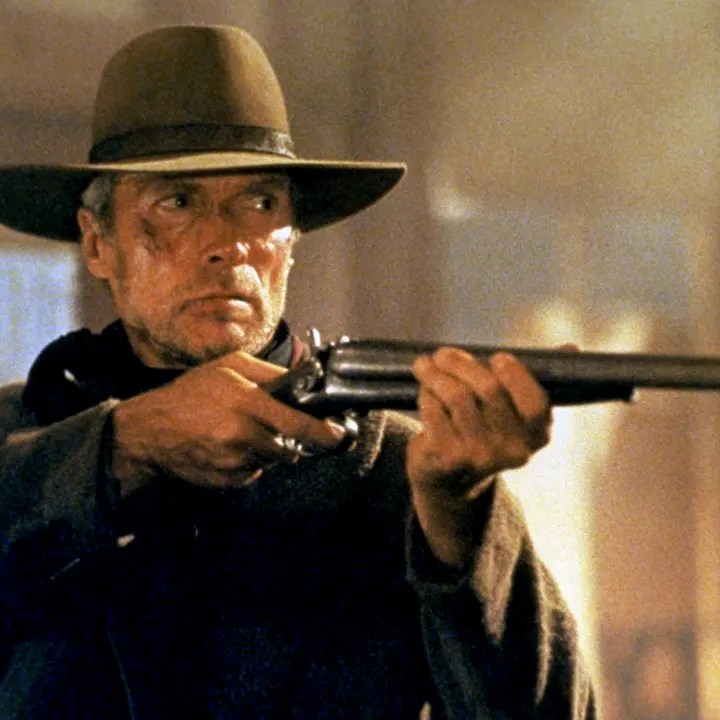
- Unforgiven (1992)
- The Bridges of Madison County (1995)
- Mystic River (2003)
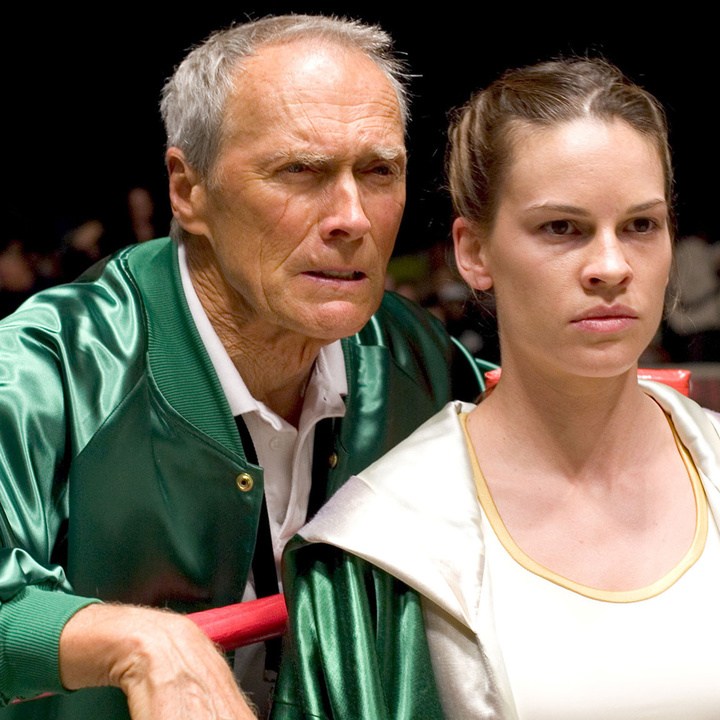
- Million Dollar Baby (2004)
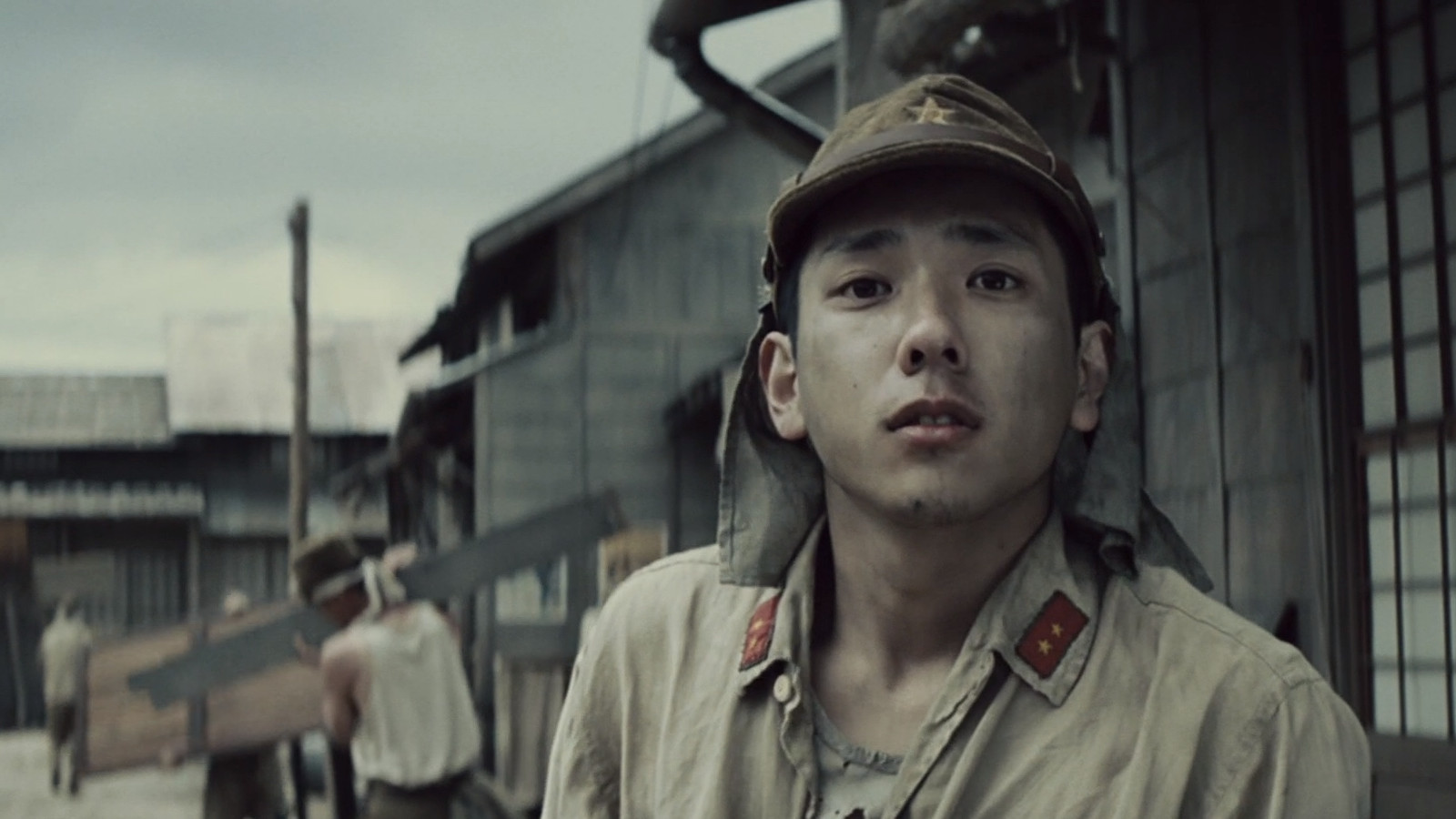
- Letters From Iwo Jima (2006)
- Gran Torino (2008)
- Changeling (2008)
Similar Filmmakers
Clint Eastwood’s Top 10 Films Ranked
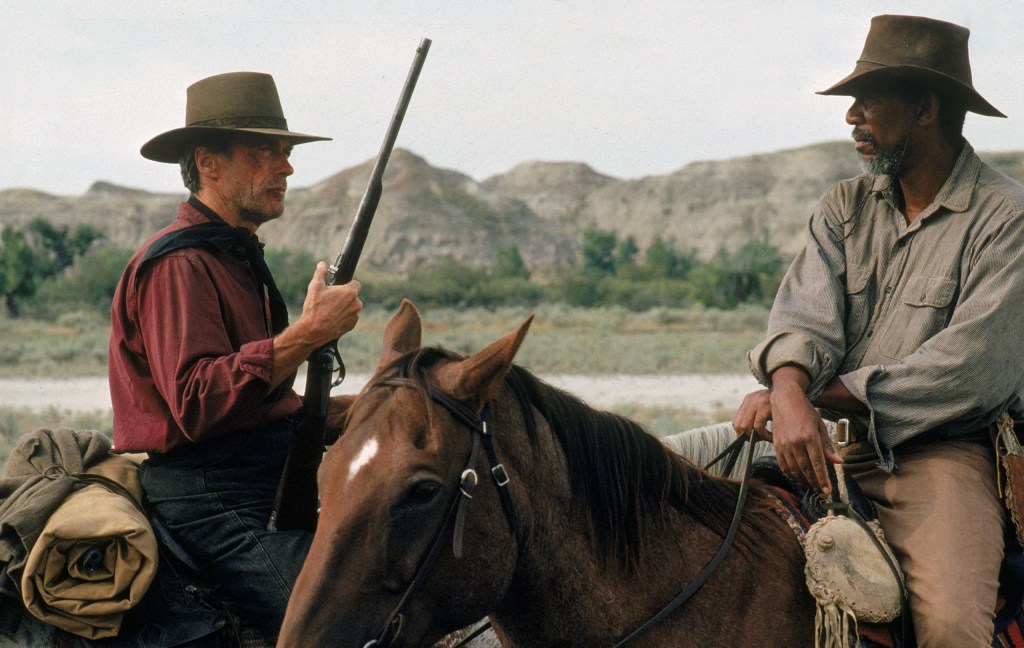
1. Unforgiven (1992)
Genre: Revisionist Western, Drama
2. Mystic River (2003)
Genre: Mystery, Crime, Thriller, Drama

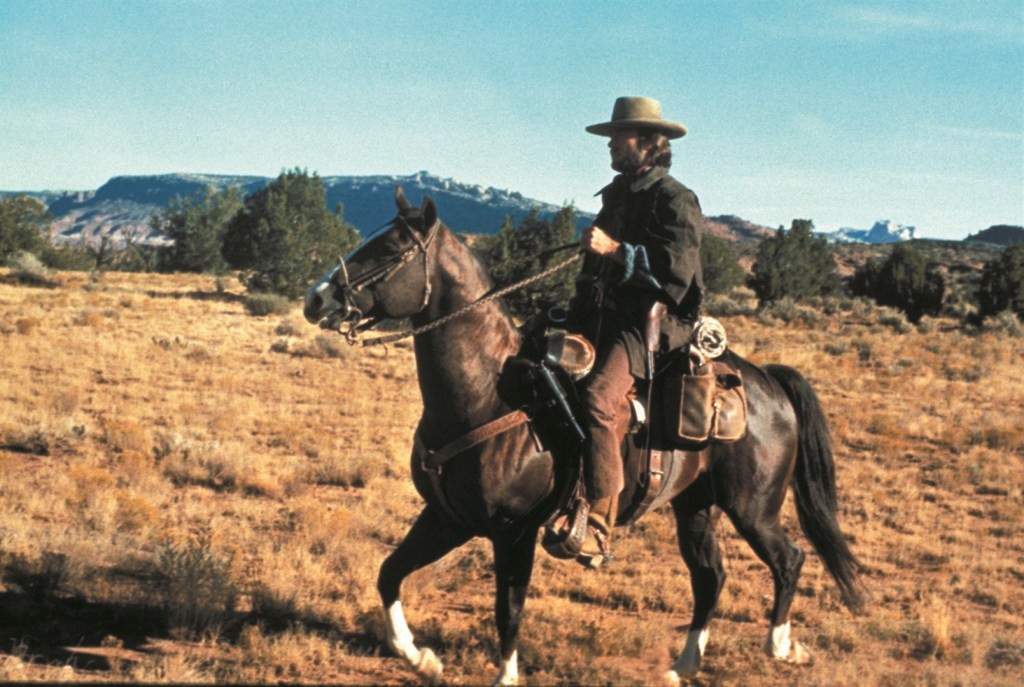
3. The Outlaw Josey Wales (1976)
Genre: Revisionist Western
4. Letters From Iwo Jima (2006)
Genre: War, Period Drama

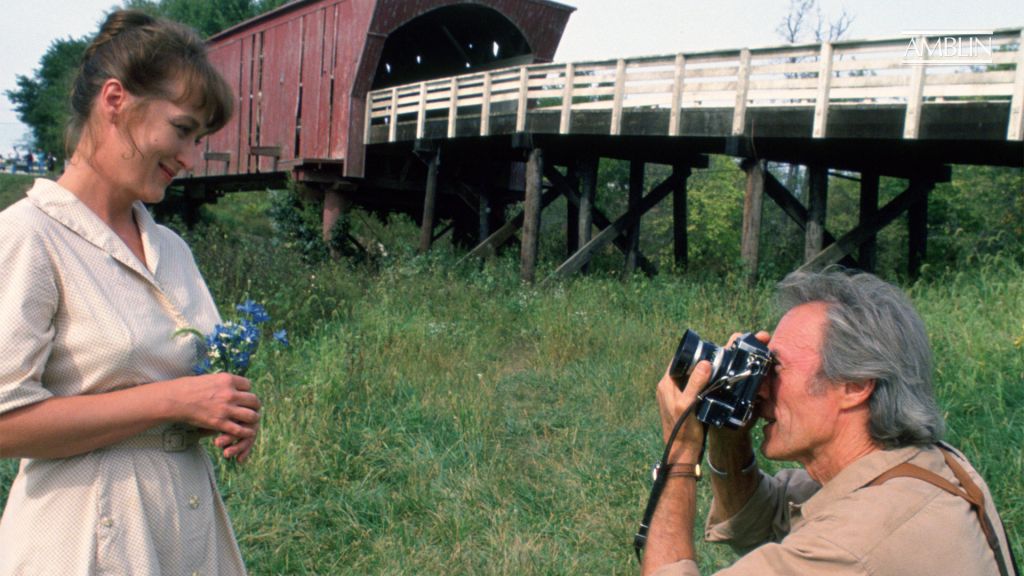
5. The Bridges of Madison County (1995)
Genre: Romance, Melodrama
6. Million Dollar Baby (2004)
Genre: Sports, Drama, Melodrama

7. Gran Torino (2008)
Genre: Drama, Crime

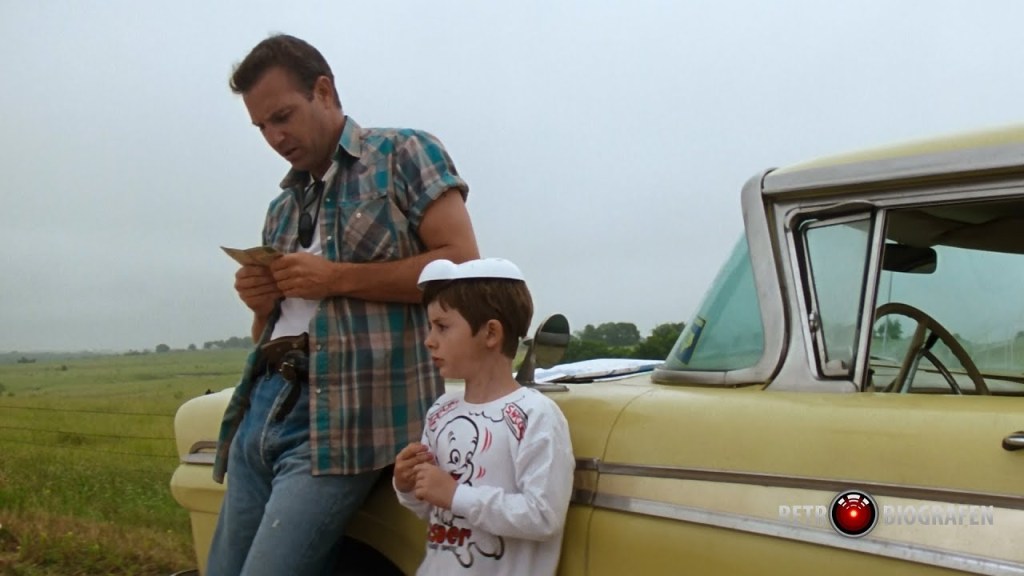
8. A Perfect World (1993)
Genre: Drama, Crime, Road Movie
9. High Plains Drifter (1973)
Genre: Revisionist Western

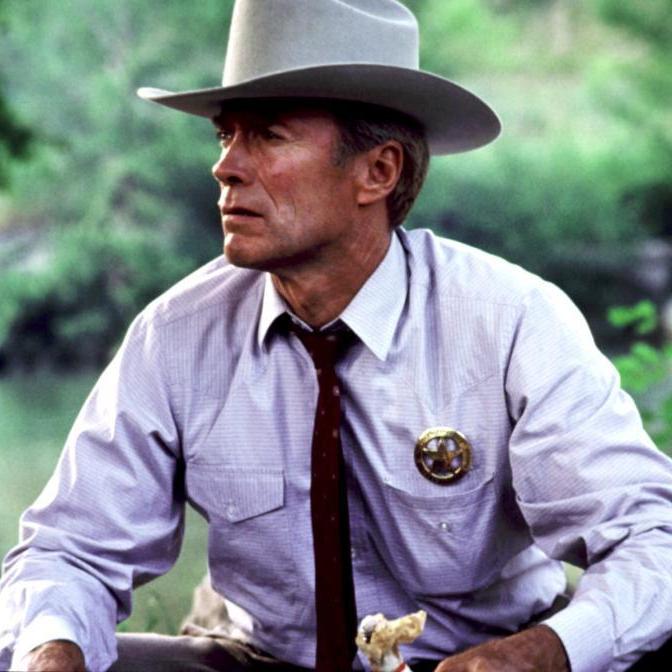
10. Pale Rider (1985)
Genre: Western

Clint Eastwood: Themes and Style
Themes:
- Moral Ambiguity and Redemption: Eastwood often explores the grey areas of morality in films like Unforgiven and Gran Torino. Characters grapple with their pasts and seek redemption in complex moral landscapes where the line between right and wrong is blurred.
- Masculinity and Toughness: Many of Eastwood’s films, including Dirty Harry and The Bridges of Madison County, interrogate the concept of masculinity, often portraying tough, silent protagonists who embody traditional masculine traits while also challenging them.
- Violence and Its Consequences: Eastwood’s work doesn’t shy away from violence, but it also critically examines its impact on individuals and society. In Mystic River, the violent act at the heart of the story has reverberating effects on the characters’ lives.
- Ageing and Mortality: Films like Million Dollar Baby and The Mule often feature protagonists who are in the twilight of their lives, dealing with issues of ageing, legacy, and the inevitable approach of mortality.
- American History and Mythology: Eastwood has a keen interest in American history and myths, as showcased in Flags of Our Fathers and Letters from Iwo Jima, which dissect the narrative of war and heroism.
Styles:
- Minimalist Storytelling: Eastwood’s directorial style is often characterised by a minimalist approach, using sparse dialogue and a straightforward narrative structure, as seen in High Plains Drifter and Pale Rider.
- Natural Lighting and Real Locations: He favours natural lighting and authentic locations over elaborate sets, which grounds his films in a realistic aesthetic, visible in Bird and Changeling.
- Economic Filmmaking: Eastwood is known for his efficient filmmaking, often coming in under budget and finishing ahead of schedule. His no-nonsense approach to production means that his films are usually lean and focused.
- Diegetic Music: Eastwood often uses diegetic music to enhance the mood, sometimes scoring the films himself, as in Play Misty for Me, adding a personal touch that complements the narrative tone.
- Subdued Performances: He frequently elicits quiet, introspective performances from his actors, encouraging a naturalistic acting style that emphasises internal emotion over external expression.
Directorial Signature:
- Strong, Silent Protagonists: A hallmark of Eastwood’s films is the presence of a strong, silent type, a character of few words but decisive actions, epitomised by his own roles in The Good, The Bad and The Ugly and his direction of Sully.
- Classical Composition: Eastwood often employs classical composition in his shots, favouring balanced frames and depth of field to create a timeless look that harks back to the golden age of cinema.
- Understated Editing: His editing style is typically understated, avoiding quick cuts or flashy transitions in favour of a seamless narrative flow that maintains the story’s continuity and coherence.
- Themes of Justice: Whether it’s the vigilante law enforcement of Dirty Harry or the flawed justice system in True Crime, Eastwood frequently returns to the theme of justice, questioning its nature and the means by which it is achieved.
- Revisiting and Revising Mythology: Eastwood has a penchant for revisiting historical or genre mythologies only to revise or critique them, as seen in Unforgiven, which deconstructs the myths of the Old West.
Clint Eastwood: The 76th Greatest Director



 Bronze Screen Dream