

Claude Chabrol was one of the most prominent figures in the French New Wave cinema movement of the late 1950s and 1960s. He is often considered one of the movement’s founders, despite his work being less experimental and more grounded in traditional narrative structure than his New Wave compatriots. Born in 1930, he directed his first film, Le Beau Serge, in 1958, and throughout his career, he directed more than 50 feature films, many of which are considered classics of French and world cinema.
Chabrol’s films are best known for their exploration of the bourgeois lifestyle and its underlying psychological tensions. His work often dealt with themes of infidelity, guilt, and murder, primarily set against the backdrop of the French middle class. His films, such as Les Biches and La Femme Infidèle, are marked by a cynical view of human nature and a deep understanding of the dark undercurrents of society.
Chabrol had a knack for unveiling the inherent hypocrisy and moral decadence within the seemingly perfect, outwardly respectable French bourgeoisie. His approach to filmmaking was more traditional, focusing on a coherent narrative structure, sharp dialogue, and intricate character development rather than the radical experimentation favoured by some of his New Wave peers.
Chabrol’s films are recognised for their restrained elegance and subtle camera work. Rather than employing flamboyant techniques or overtly dramatic compositions, Chabrol opted for a more understated style, allowing the narrative and the performances to take centre stage. His films, such as Le Boucher, are characterised by their meticulous framing, precise editing, and careful use of colour to evoke mood and atmosphere.
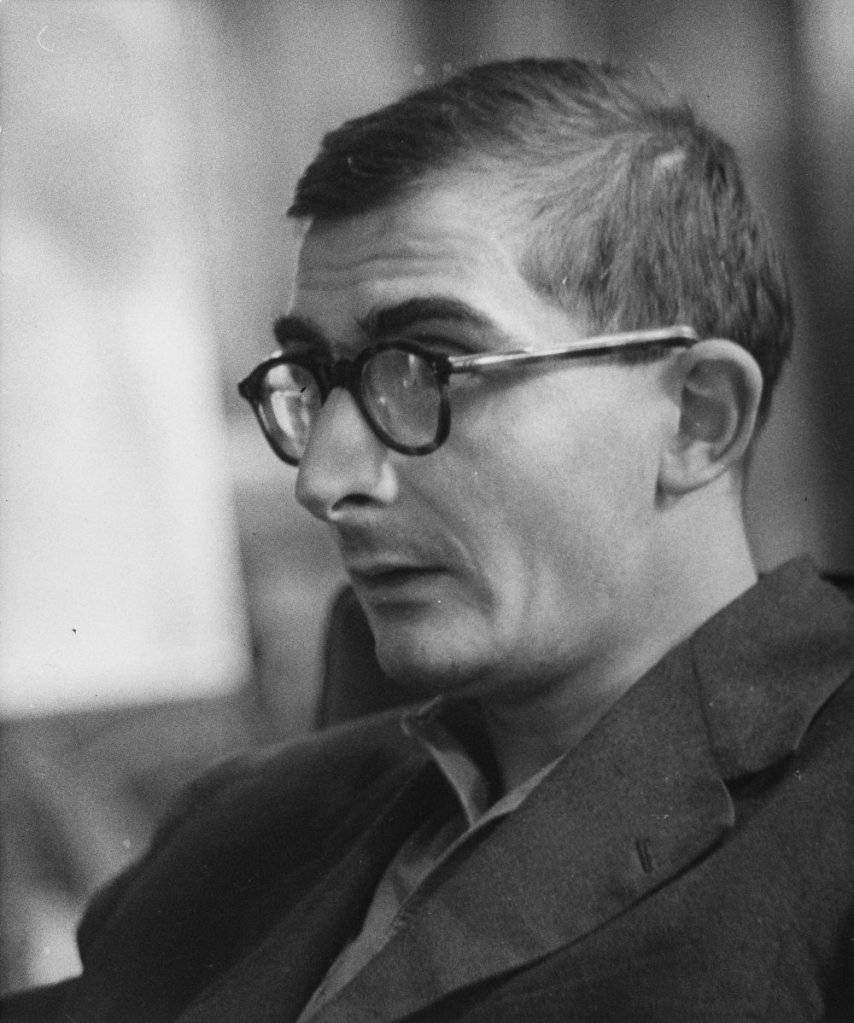
Claude Chabrol (1930 – 2010)
Calculated Films:
- This Man Must Die (1969)
- La Femme Infidele (1969)
- Le Boucher (1970)
- La Ceremonie (1995)
Similar Filmmakers
- Alfred Hitchcock
- Barbet Schroeder
- Bertrand Tavernier
- Brian De Palma
- Claude Miller
- Costa-Gavras
- Joseph Losey
- Louis Malle
- Michael Haneke
- Michel Deville
- Olivier Assayas
- Roman Polanski
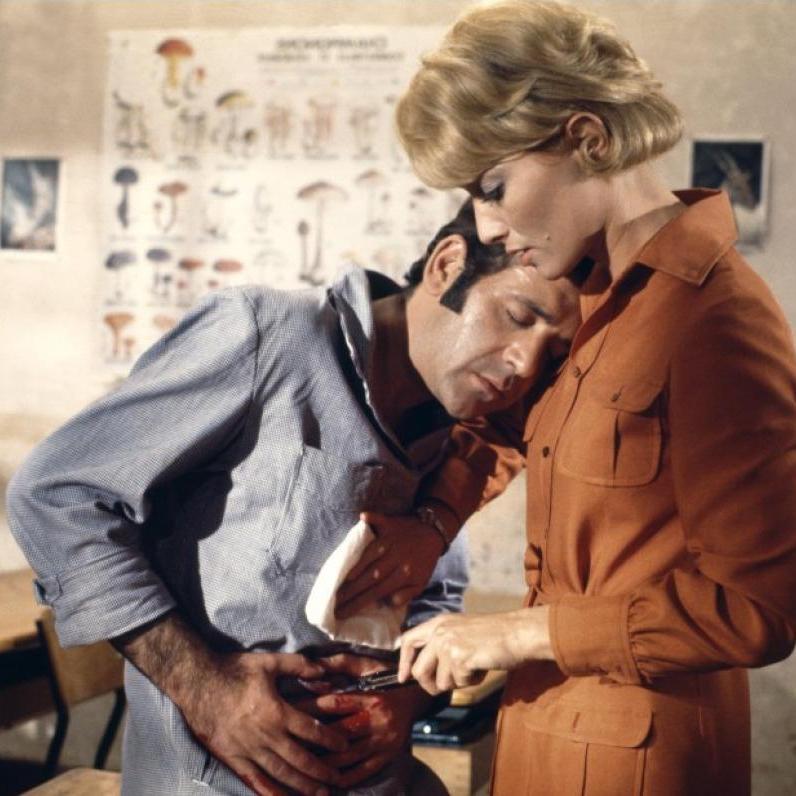
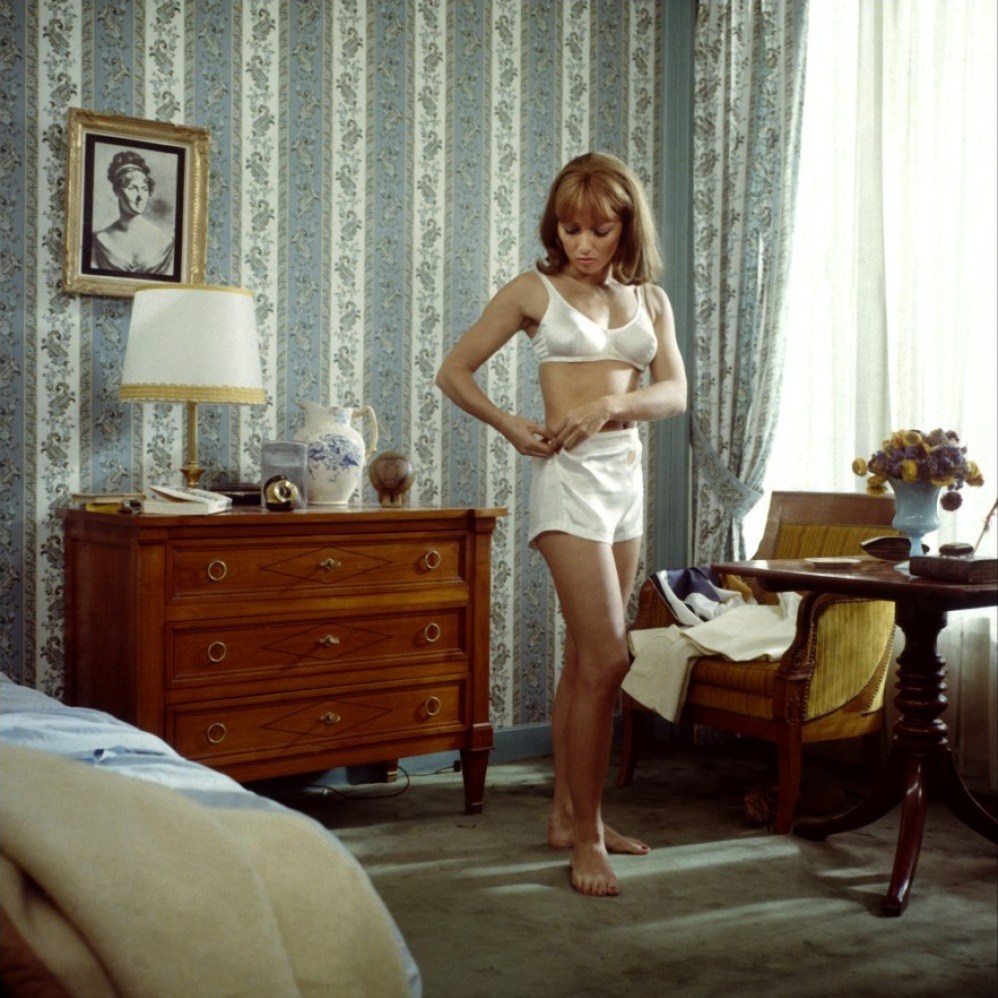
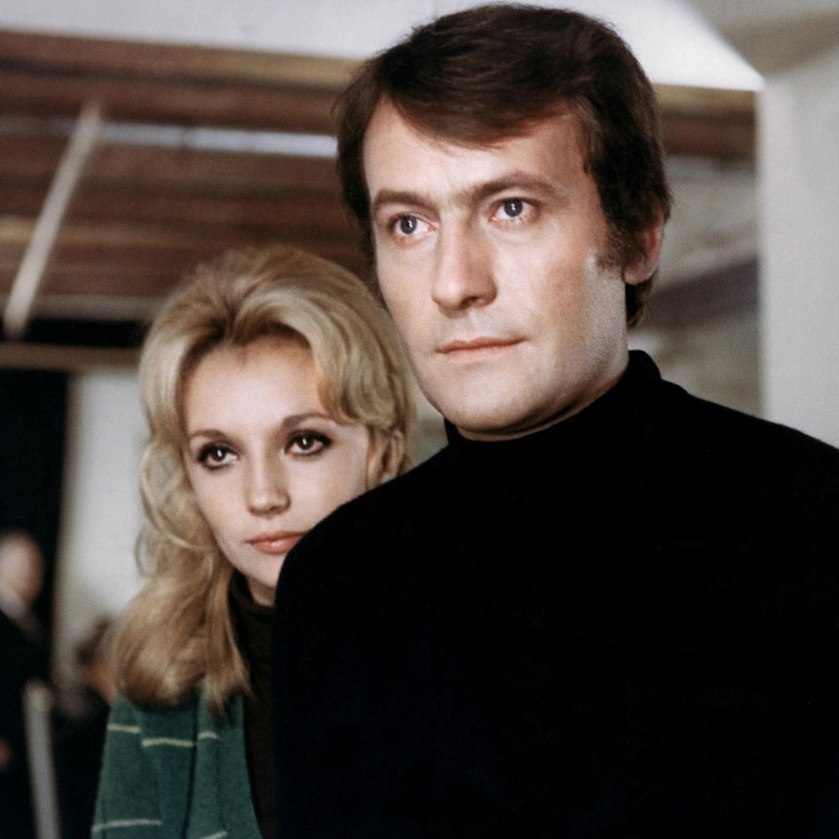
Claude Chabrol’s Top 5 Films Ranked
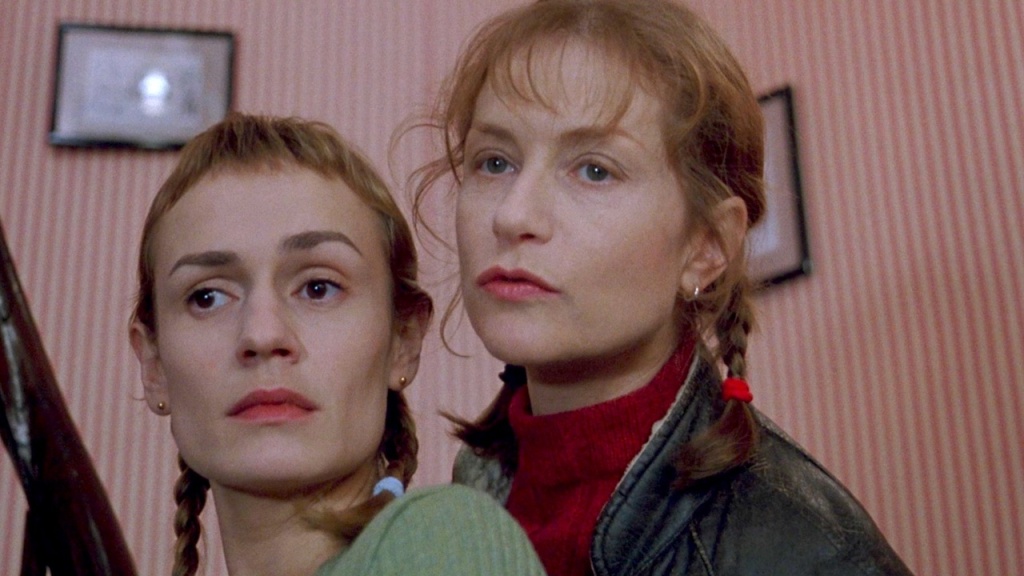
1. La Ceremonie (1995)
Genre: Drama, Psychological Thriller
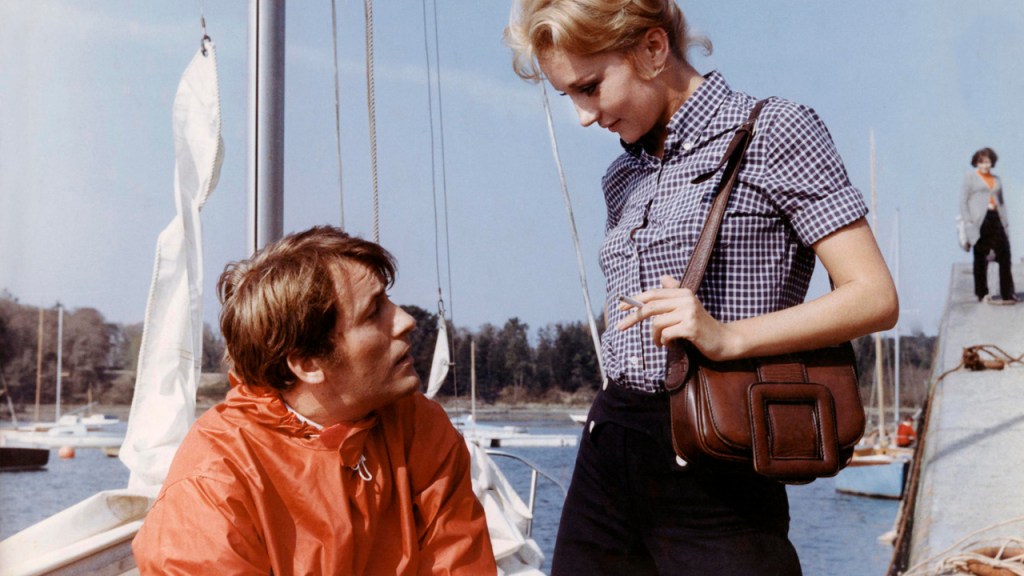
2. This Man Must Die (1969)
Genre: Psychological Thriller
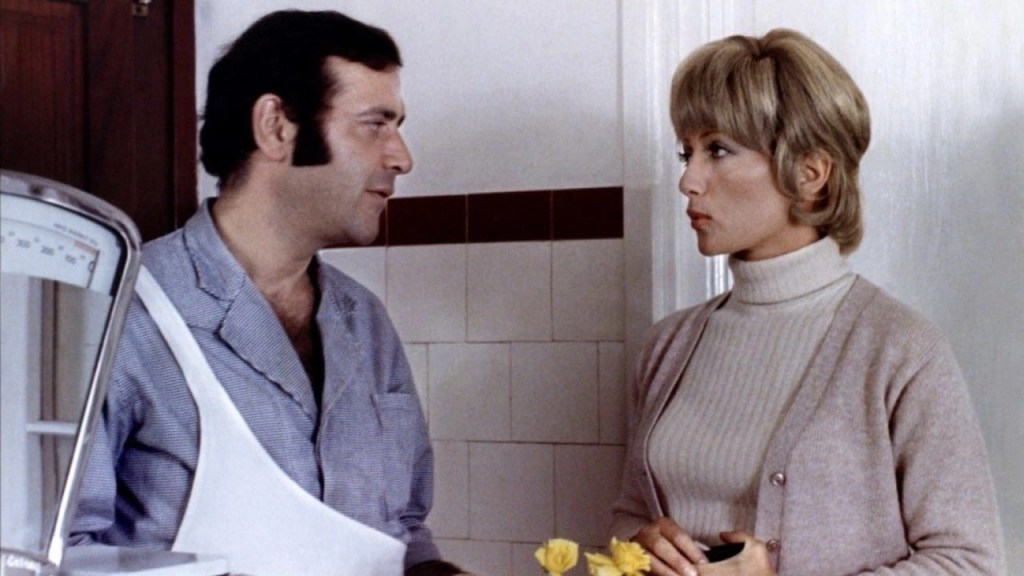
3. Le Boucher (1970)
Genre: Psychological Thriller, Crime
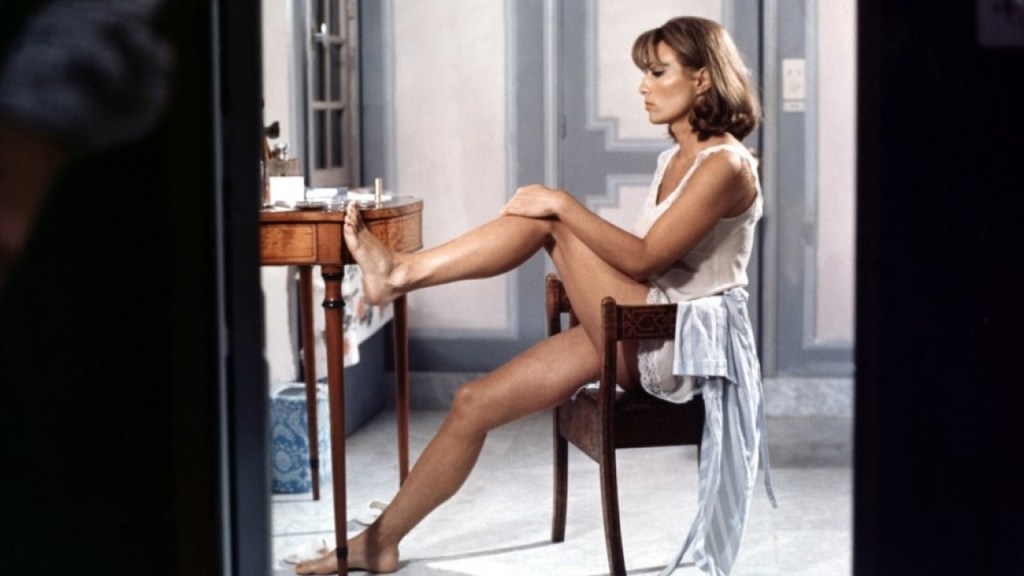
4. La Femme Infidele (1969)
Genre: Crime, Drama
5. Story of a Woman (1988)
Genre: Biographical
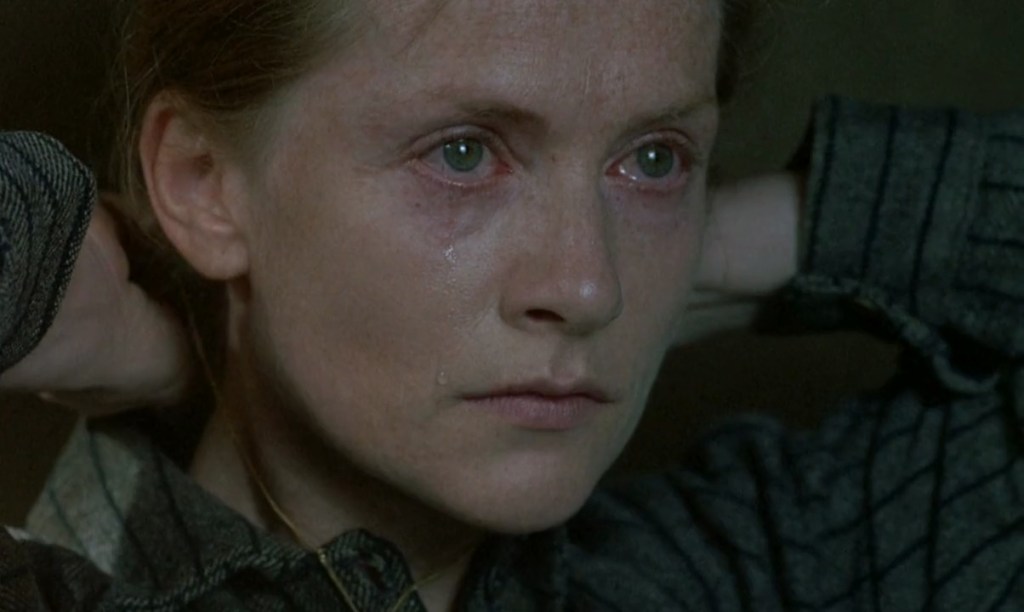
Claude Chabrol: Themes and Style
Themes:
- Bourgeoisie Malaise: Chabrol frequently delved into the lives of the French middle and upper classes, exposing their hypocrisies, moral corruption, and underlying tensions.
- Domestic Strife and Marital Betrayal: Many of his films, such as La Femme Infidèle, explore the turbulence, infidelities, and deceit within married life.
- Crime and Morality: Chabrol was interested in crime not just as an action but also its moral and psychological implications. His characters often blur the lines between victim and perpetrator.
- Obsession and Madness: Films like L’Enfer depict the destructive power of jealousy and obsession, leading to intense psychological distress.
Styles:
- Understated Suspense: Often dubbed the “French Hitchcock,” Chabrol had a knack for creating suspense out of ordinary situations. He built tension slowly, preferring understated unease to overt shock.
- Detailed Character Study: Chabrol’s films are less about plot twists and more about deep dives into character psyche, motivations, and contradictions.
- Visual Precision: Chabrol often employed a precise visual style with meticulously framed shots. His use of colour, particularly in his later films, was also significant, conveying the emotional tone of the narrative.
- Subtle Humor: Despite the dark themes, Chabrol’s films are not devoid of humour. He often employed a dry, sardonic wit to underscore the absurdities of his characters’ lives.
Directorial Signature:
- Opening Sequences: Chabrol was known for his distinctive opening scenes. They often served as a microcosm of the film, introducing key themes or setting the tone for what’s to come.
- Complex Female Characters: Chabrol had a penchant for creating intricate female characters, ranging from the distressed to the diabolical. They often formed the emotional core of his narratives.
- Recurring Collaborators: He frequently collaborated with certain actors, such as Stéphane Audran, and crew members, leading to a consistent aesthetic and thematic resonance across films.
- Moral Ambiguity: One of Chabrol’s trademarks was his refusal to provide clear moral judgments. His films often leave the audience in a state of contemplation, questioning societal norms and personal biases.
Claude Chabrol – Great Director


 Bronze Screen Dream