
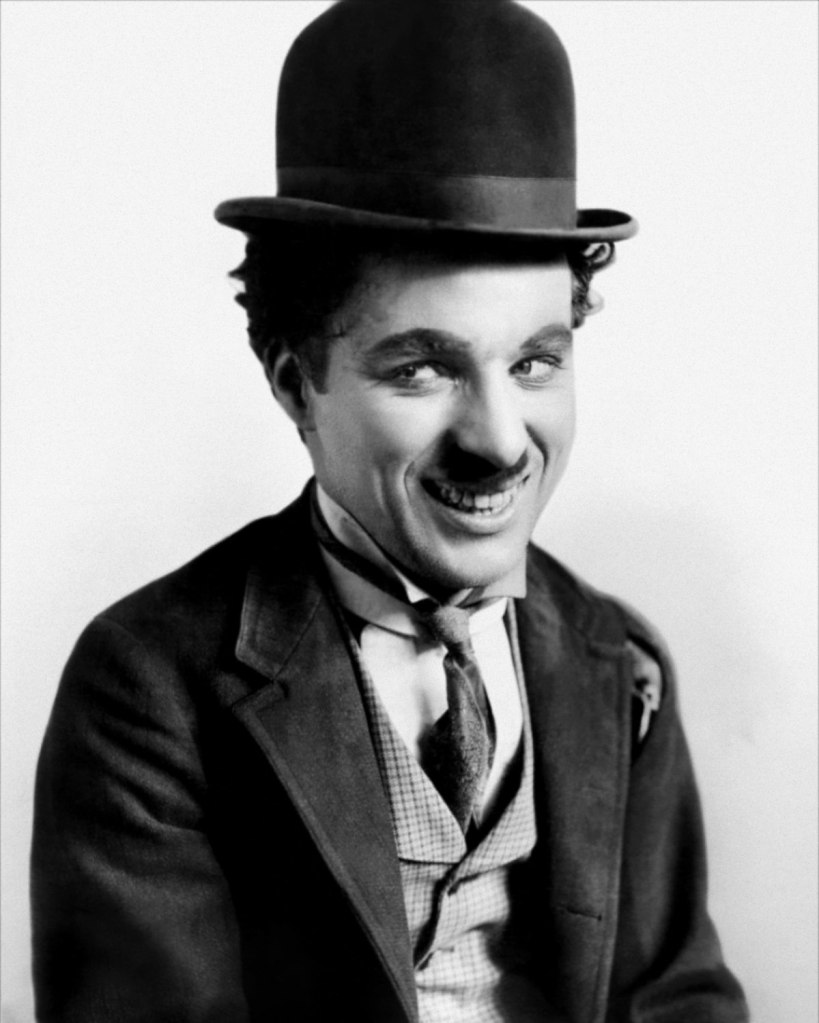
Charlie Chaplin was a British film director universally recognised for his iconic character “The Tramp” and his significant contributions to the silent film era. His work, including renowned films like The Kid, City Lights, and Modern Times, is characterised by its blend of comedy and social commentary, poignant sentimentality, and innovative physical comedy. Chaplin’s films often explore themes of poverty, injustice, and the human spirit.
Beginning his entertainment career in vaudeville, Chaplin quickly ascended to international stardom during the silent film era of the 1910s and 1920s. He found early success with Keystone Studios, later forming United Artists with Mary Pickford, Douglas Fairbanks, and D.W. Griffith. Films like The Kid and The Gold Rush became instant classics, showcasing not just Chaplin’s comedic prowess but also his ability to touch the hearts of audiences.
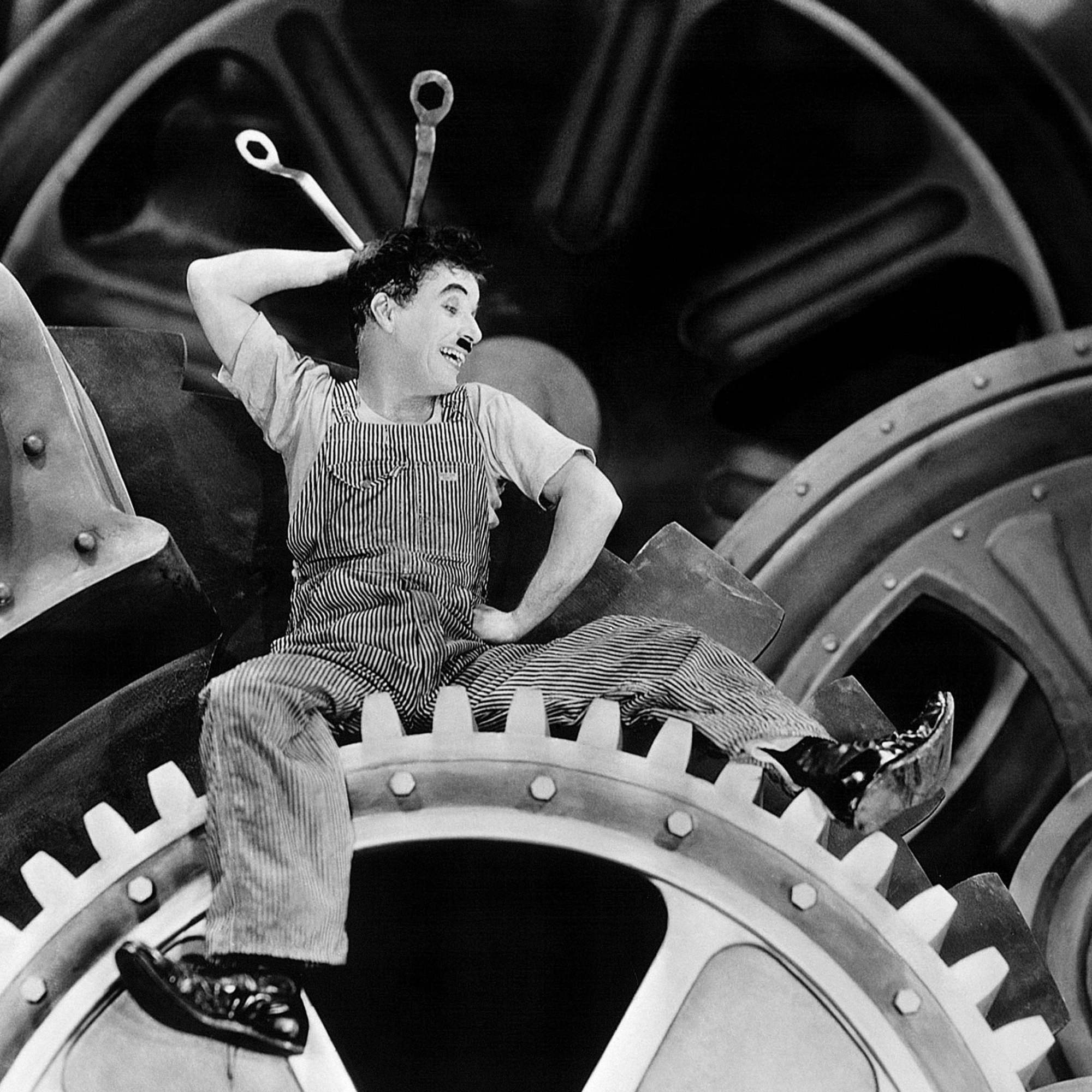
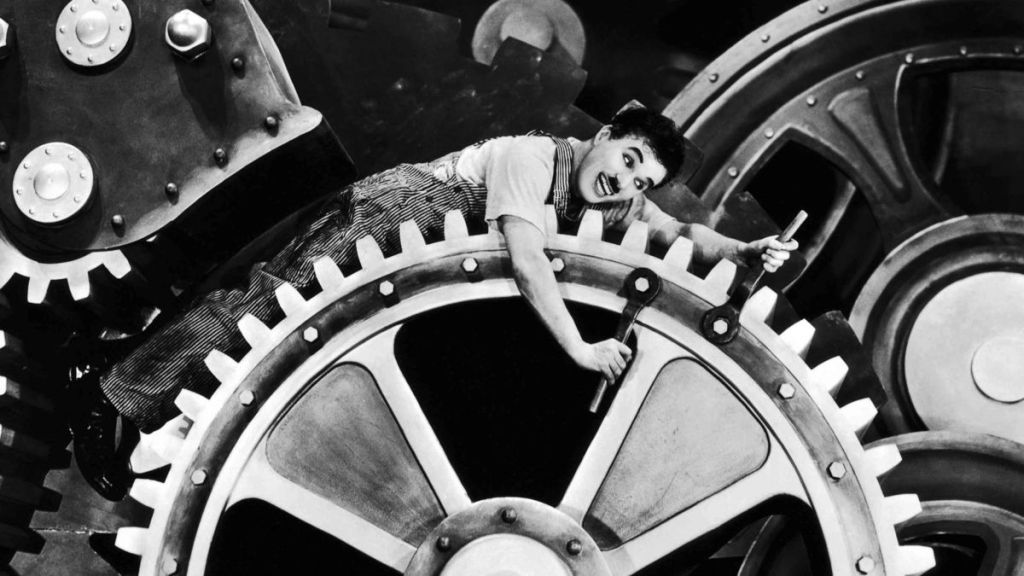
Chaplin’s films consistently touched on the struggles of the common man in a rapidly industrialising world. His characters often faced hardship, poverty, and societal injustices, with Modern Times portraying the dehumanising effects of the assembly line on workers. Yet, despite these serious themes, Chaplin always managed to infuse his films with hope and a belief in the human spirit.
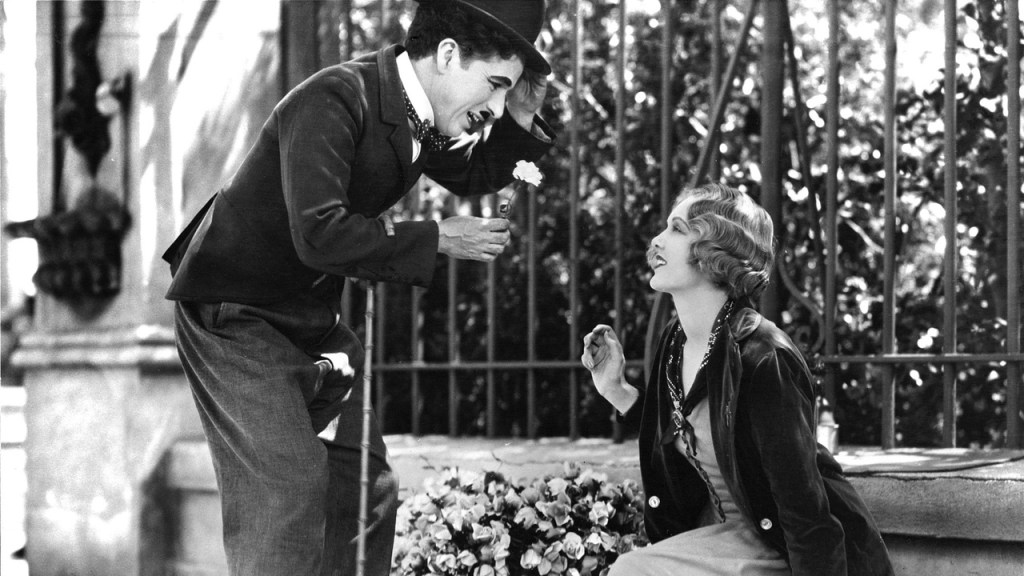
Beyond the broader societal themes, Chaplin’s films often included love and its challenges, as seen in City Lights, where The Tramp falls for a blind flower girl and goes to great lengths to help her. Additionally, the pursuit of the “American Dream” and the clash between the rich and the poor were common motifs exemplified in films like The Immigrant.
Careful, Charming and Influential
Chaplin was known for his meticulous approach to filmmaking. He often took on multiple roles – actor, director, producer, and even composer. His visual style was distinct, with careful attention to framing, pacing, and the interplay of light and shadow. Though primarily associated with black-and-white films, his keen understanding of visual storytelling translated effortlessly, even without the use of dialogue.
One of the most defining features of Chaplin’s work was his seamless blend of comedy and drama. While many comedians of the era focused primarily on slapstick, Chaplin’s humour was deeply rooted in character and situation, allowing him to convey deeper messages without losing charm or wit. His use of music, particularly compositions he wrote himself, like “Smile,” further enhanced the emotive depth of his films.
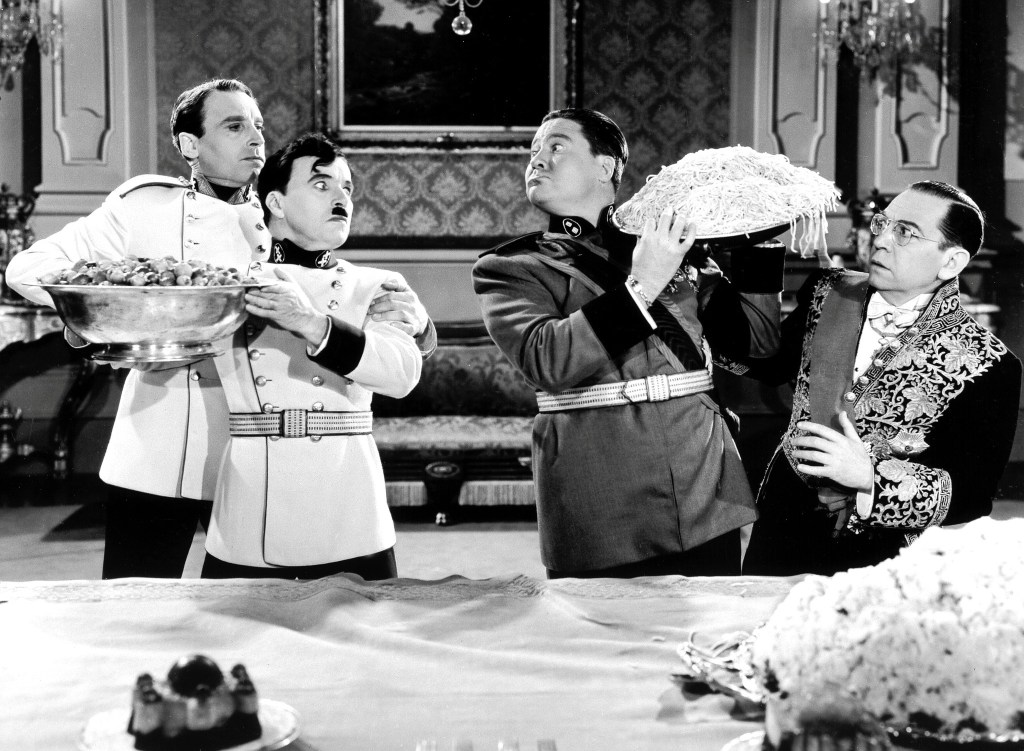
Throughout the decades, Chaplin’s legacy has remained strong, cementing him as one of the most influential filmmakers in history. While he faced personal and political challenges, especially during the McCarthy era in the United States, his body of work stands testament to his genius. Even today, films like The Great Dictator, a satirical takedown of Adolf Hitler, are hailed for their boldness and relevance. Charlie Chaplin, with his iconic bowler hat and cane, remains a symbol of cinema’s power to entertain, enlighten, and inspire.
Charlie Chaplin (1889 – 1977)
Calculated Films:
- The Tramp (1915)
- The Champion (1915)
- Easy Street (1916)
- One A.M. (1916)
- The Immigrant (1917)
- The Cure (1917)
- The Adventure (1917)
- A Dog’s Life (1918)
- Shoulder Arms(1918)
- Sunnyside (1919)
- The Kid (1921)
- Pay Day (1922)
- The Pilgrim (1923)
- A Woman of Paris (1923)
- The Gold Rush (1925)
- The Circus (1928)
- City Lights (1931)
- Modern Times (1936)
- The Great Dictator (1940)
- Monsieur Verdoux (1947)
- Limelight (1952)
Similar Filmmakers
- Billy Wilder
- Buster Keaton
- Carl Reiner
- Edward F. Cline
- Ernst Lubitsch
- Fatty Arbuckle
- Federico Fellini
- Frank Capra
- Frank Tashlin
- Fred C. Newmeyer
- Jacques Tati
- Leo McCarey
- Mack Sennett
- Max Linder
- Mel Brooks
- Preston Sturges
- Rene Clair
- Woody Allen


Charlie Chaplin’s Top 10 Films Ranked
1. City Lights (1931)
Genre: Slapstick, Romance
2. Modern Times (1936)
Genre: Slapstick, Satire, Romance
3. The Great Dictator (1940)
Genre: Satire, Slapstick, War, Drama, Comedy, Political Drama
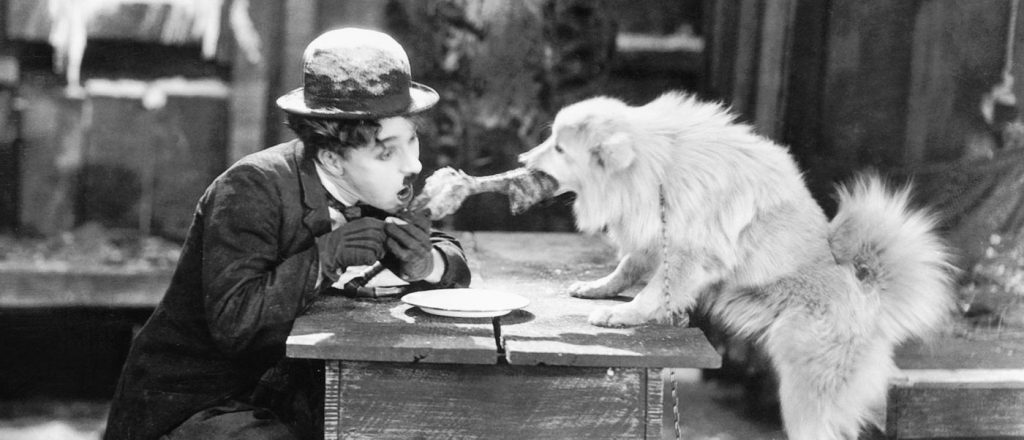
4. The Gold Rush (1925)
Genre: Slapstick, Adventure, Drama
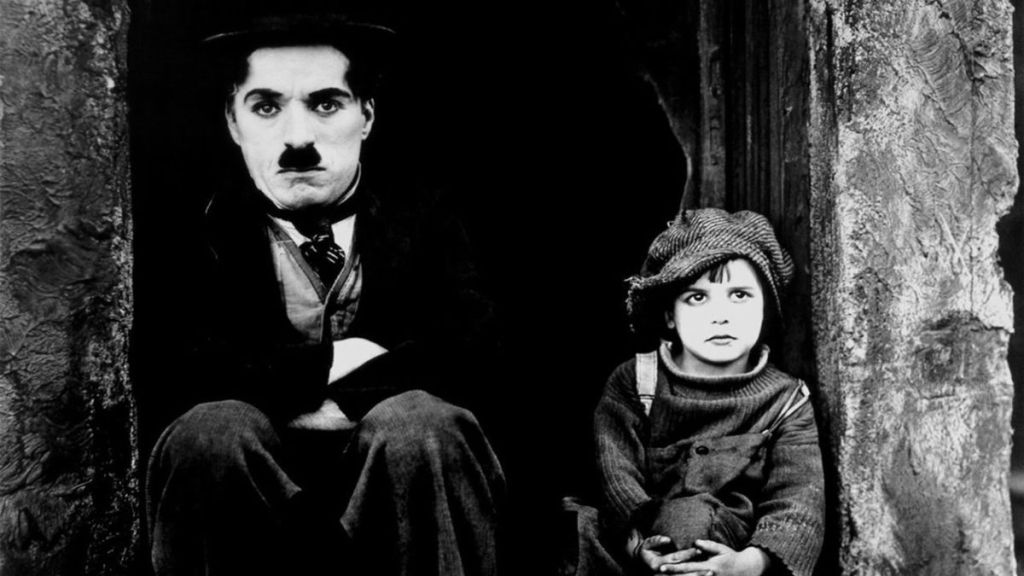
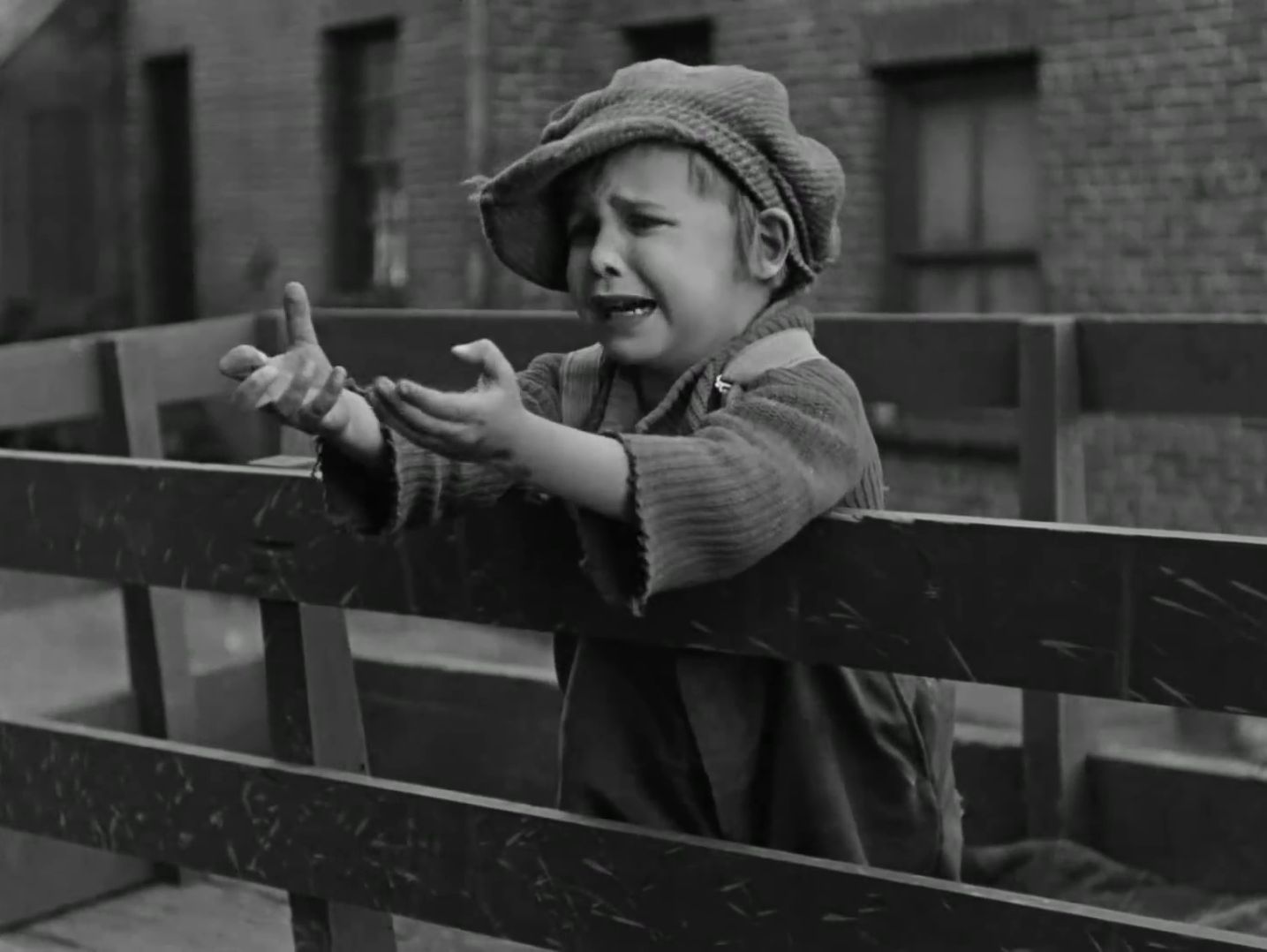
5. The Kid (1921)
Genre: Melodrama, Slapstick
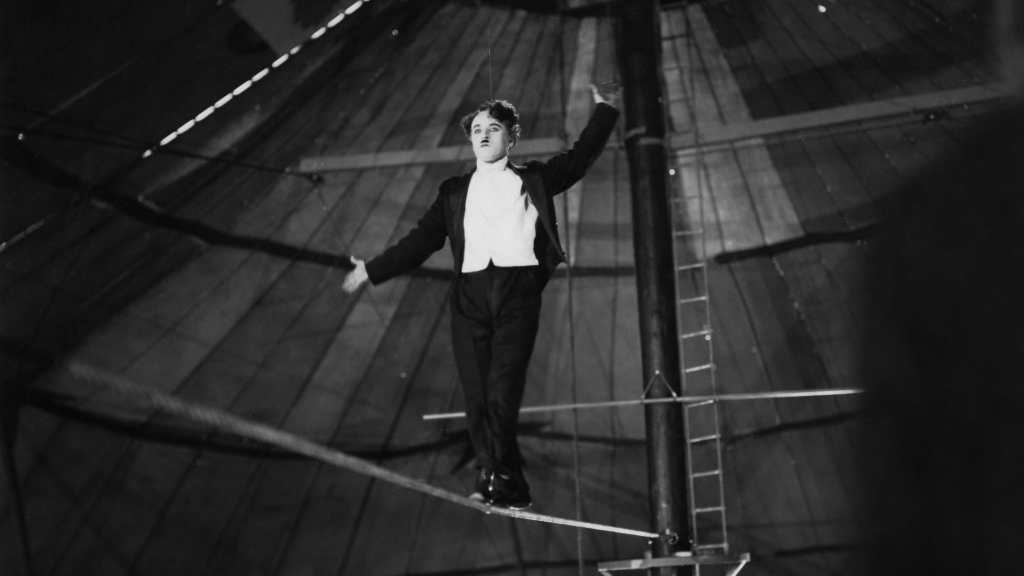
6. The Circus (1928)
Genre: Slapstick, Romance
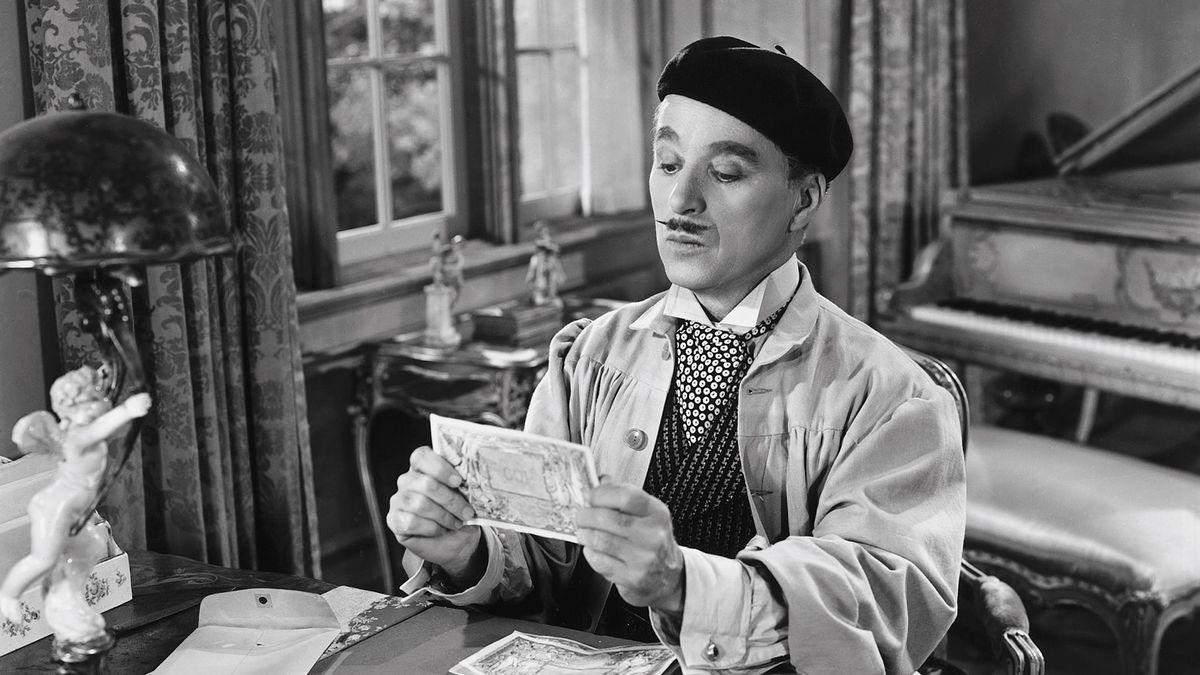
7. Monsieur Verdoux (1947)
Genre: Black Comedy, Crime, Drama

8. Limelight (1952)
Genre: Melodrama

9. A Dog’s Life (1918)
Genre: Slapstick

10. The Immigrant (1917)
Genre: Slapstick

Charlie Chaplin: Themes and Style
Themes:
- The Little Tramp: Chaplin’s iconic character who embodies resilience, hope, and humour amidst adversity. The character frequently struggles with the hardships of modern society but retains an optimistic spirit.
- Class Disparities: Many of Chaplin’s films, like Modern Times and The Kid, address the vast difference between the rich and the poor, highlighting the struggles of the underprivileged.
- Innocence and Love: Chaplin often explored the theme of innocent love and its power to triumph over adversity, as seen in films like City Lights.
- Industrialisation and Modernity: Films like Modern Times critique the dehumanising effects of mechanisation and industrialised society.
- Authority and Power: Chaplin frequently depicted the absurdities and corruptions of power, be it in the form of policemen, politicians, or other authority figures.
Styles:
- Physical Comedy: Chaplin was a master of slapstick and used his body as a tool for comedic expression. His movements were graceful, balletic, and perfectly timed.
- Pathos: Chaplin seamlessly blended comedy with heartfelt emotion, eliciting both laughter and tears from his audience. His films often contained deeply emotional moments.
- Silent Film Mastery: Even as the film industry transitioned to talkies, Chaplin’s command over silent storytelling remained unparalleled. He utilised facial expressions, body language, and visual cues to convey his narratives.
- Minimal Dialogue: Even in his sound films, Chaplin often used dialogue sparingly, preferring to convey story and emotion through visuals and action.
- Music: Chaplin composed scores for many of his films. His music enhanced the emotional depth and comedy of his movies.
Directorial Signature:
- Control Over Production: Chaplin was known for his meticulous attention to detail. He often took on multiple roles—acting, directing, writing, producing, and even composing music—to ensure his vision was realised.
- Recurring Cast and Crew: Chaplin frequently collaborated with a consistent group of actors and crew members, creating a cohesive environment.
- Socio-Political Commentary: Beneath the humour, many of Chaplin’s films offer sharp critiques of societal issues, making them relevant beyond their comedic value.
- Balanced Narrative: Chaplin’s films are characterised by a delicate balance between comedy and drama, ensuring that neither overshadows the other.
- Visual Innovation: Despite the limitations of early filmmaking technology, Chaplin consistently innovated with camera techniques and visual tricks to enhance his storytelling.
Charlie Chaplin: The 11th Greatest Director
 Bronze Screen Dream