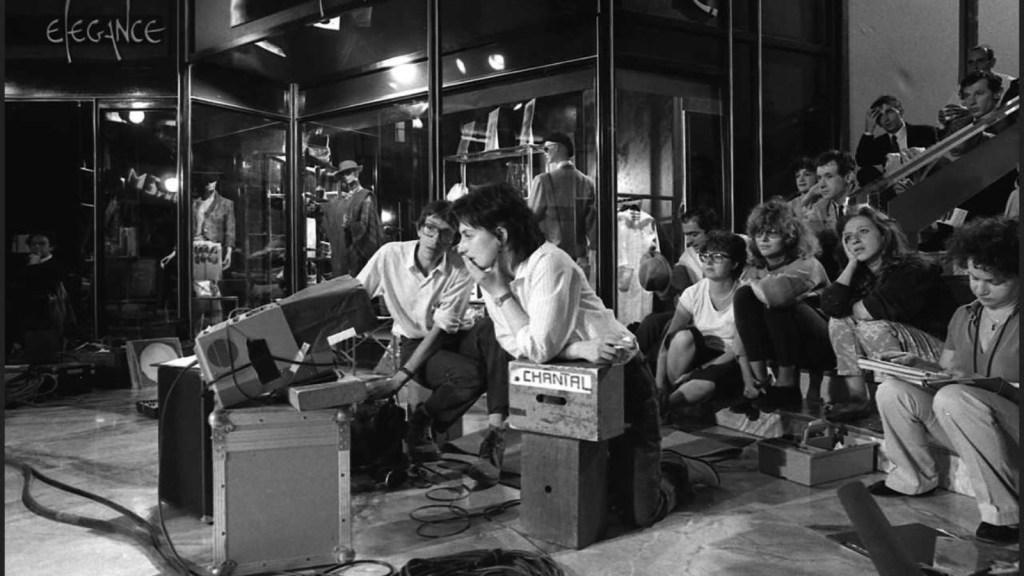
Chantal Akerman was a groundbreaking Belgian filmmaker renowned for her innovative form and structure, feminist perspective, and exploration of identity. Often subverting traditional narrative structures, Akerman’s films foreground the nuances of daily life and mundane tasks, reflecting her unique approach to storytelling. Her work is recognised for exploring her identity as a Belgian, Jewish, and queer woman, with her feminist perspective making significant contributions to the cinema, including her seminal work Jeanne Dielman, 23 quai du Commerce, 1080 Bruxelles.
Akerman’s journey in filmmaking began at a young age after viewing Jean-Luc Godard‘s Pierrot le Fou, which inspired her to pursue a career in cinema. She entered the Belgian film school INSAS but soon left, preferring to learn about filmmaking through practical experience. Her first short film, Saute ma ville, was made when she was eighteen. In the following years, she developed her distinctive style and thematic interests, producing a diverse filmography that spans narrative cinema, documentary, and experimental film.
Akerman’s films are marked by long, static takes, minimal editing, and innovative use of space. This distinctive visual style, often associated with the avant-garde and structuralist film movements, gives her films a unique rhythm and demands active viewer engagement. Her work carefully frames and composes physical spaces to convey characters’ psychological states and social contexts subtly. The attention paid to the representation of time, depicting real-time actions, and focusing on routine and repetition, further define her cinematic language.
The Director of Sight & Sound’s ‘Greatest Film’
The sound design in Akerman’s films is as vital as the visual elements. Whether capturing the noise of a bustling city or the quiet sounds of a domestic space, her careful attention to sound enhances the atmosphere and impact of her images. This meticulous integration of sound and image further solidifies her reputation as a master of form and structure.
In her work, Akerman often grapples with themes of exile, dislocation, and the trauma of the Holocaust, reflecting her family history. These themes intertwine with autobiographical elements, as films like News from Home and No Home Movie draw directly from her experiences. The fusion of personal and universal themes makes Akerman’s filmography deeply introspective and emotionally resonant.
Akerman’s influence on cinema is vast. Filmmakers such as Kelly Reichardt, Todd Haynes, and Apichatpong Weerasethakul have cited her as a significant influence. Her radical reinterpretation of cinematic form and narrative, combined with her incisive exploration of identity and gender, has left a lasting impact on film history. Chantal Akerman’s legacy remains profound, as she continually pushed the boundaries of what cinema could be, inspiring countless filmmakers to do the same.

Chantal Akerman (1950 – 2015)
Calculated Films:
- Jeanne Dielman, 23, Quai du Commerce 1080 Bruxelles (1975)
- News From Home (1976)
- The Meetings of Anna (1978)
- Toute une Nuit (1982)
- From The East (1993)
- Portrait of a Young Girl at the End of the 60s in Brussels (1994)
- No Home Movie (2015)
Similar Filmmakers

Chantal Akerman’s Top 10 Films Ranked
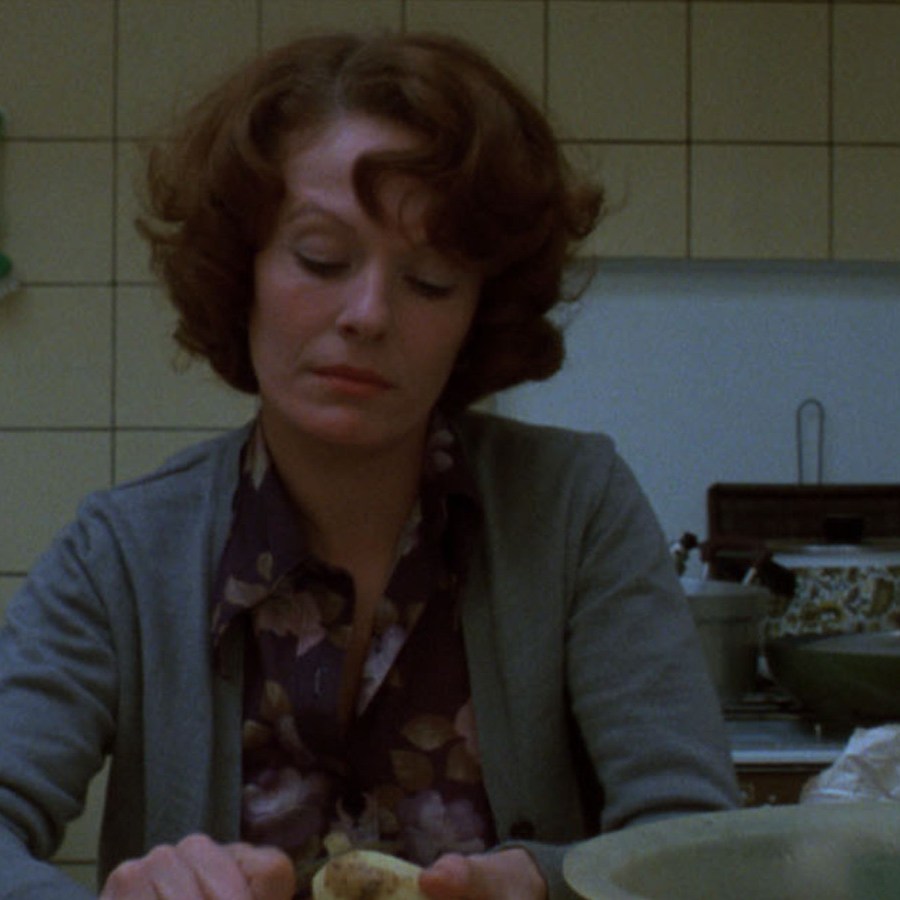
1. Jeanne Dielman, 23, Quai du Commerce 1080 Bruxelles (1975)
Genre: Drama, Slow Cinema

2. News From Home (1976)
Genre: Essay Film, Slow Cinema
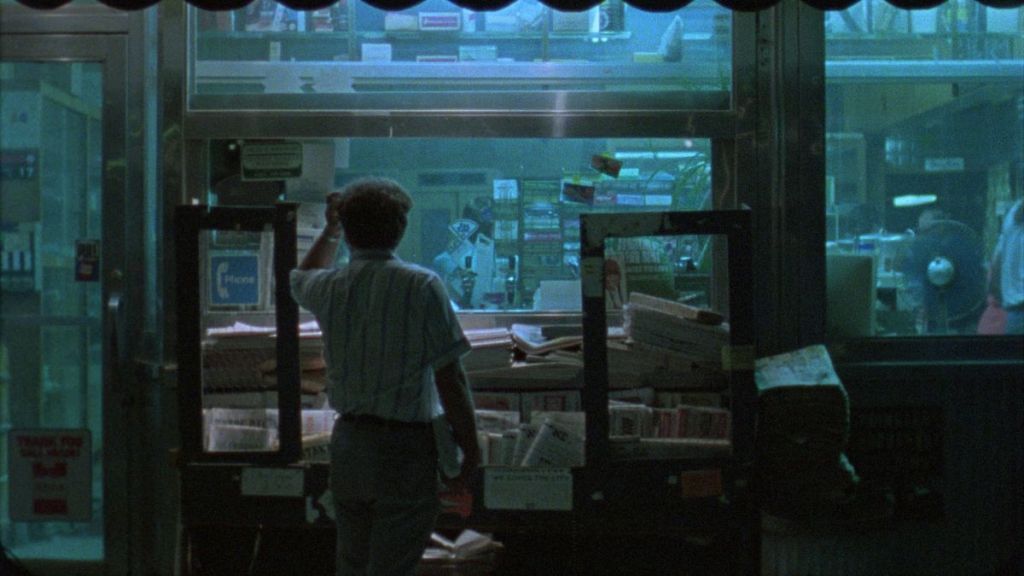
3. Portrait of a Young Girl at the End of the 60s in Brussels (1994)
Genre: Coming-of-Age, Slice of Life, Drama
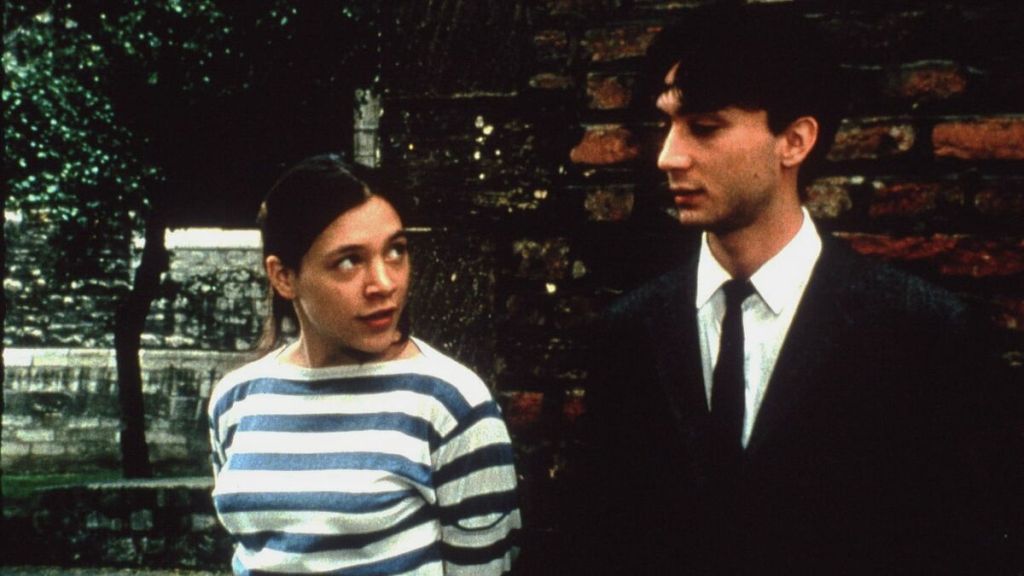
4. The Meetings of Anna (1978)
Genre: Drama
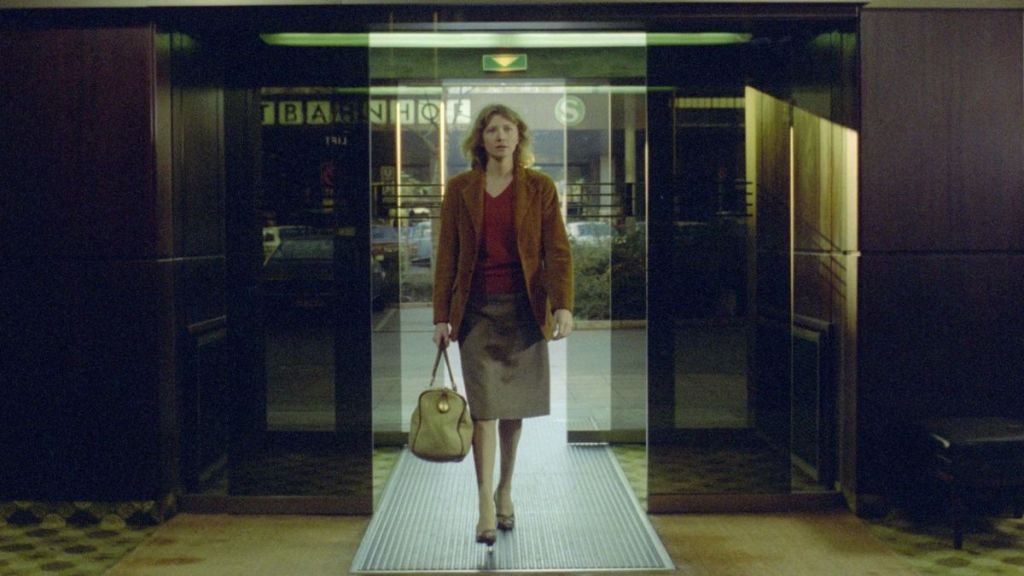
5. From The East (1993)
Genre: Essay Film, Direct Cinema, Slow Cinema
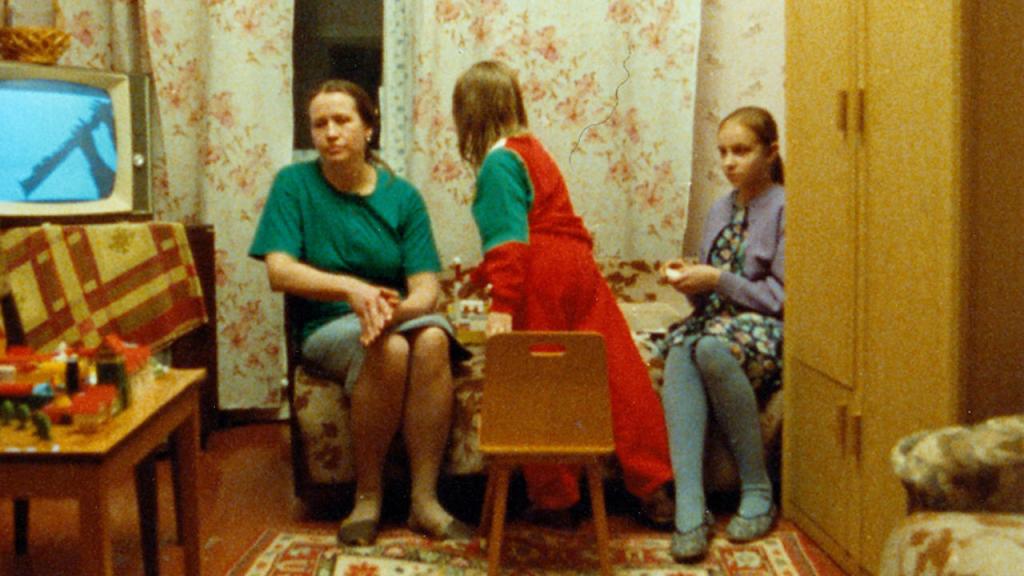
6. Toute une Nuit (1982)
Genre: Romance
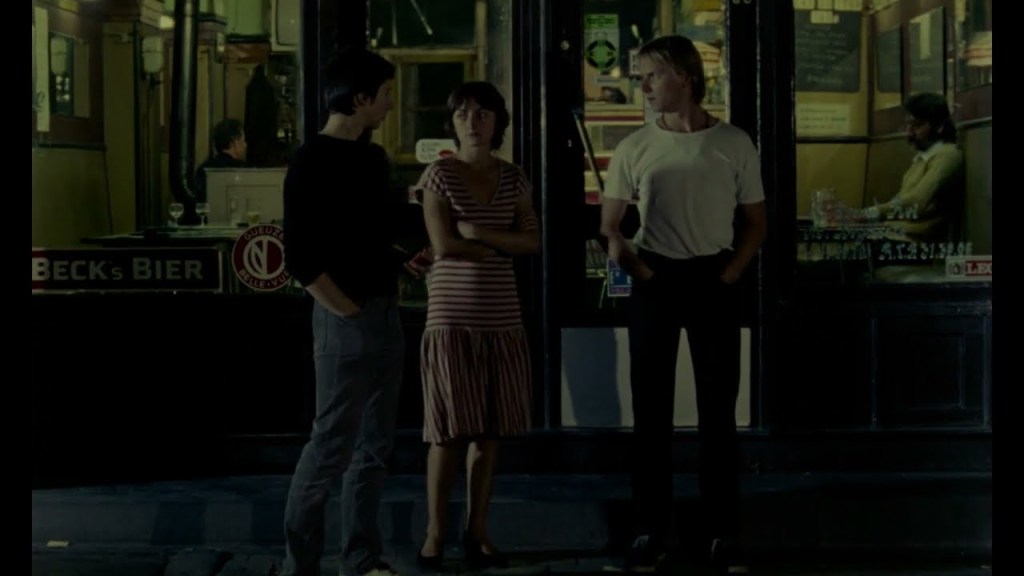
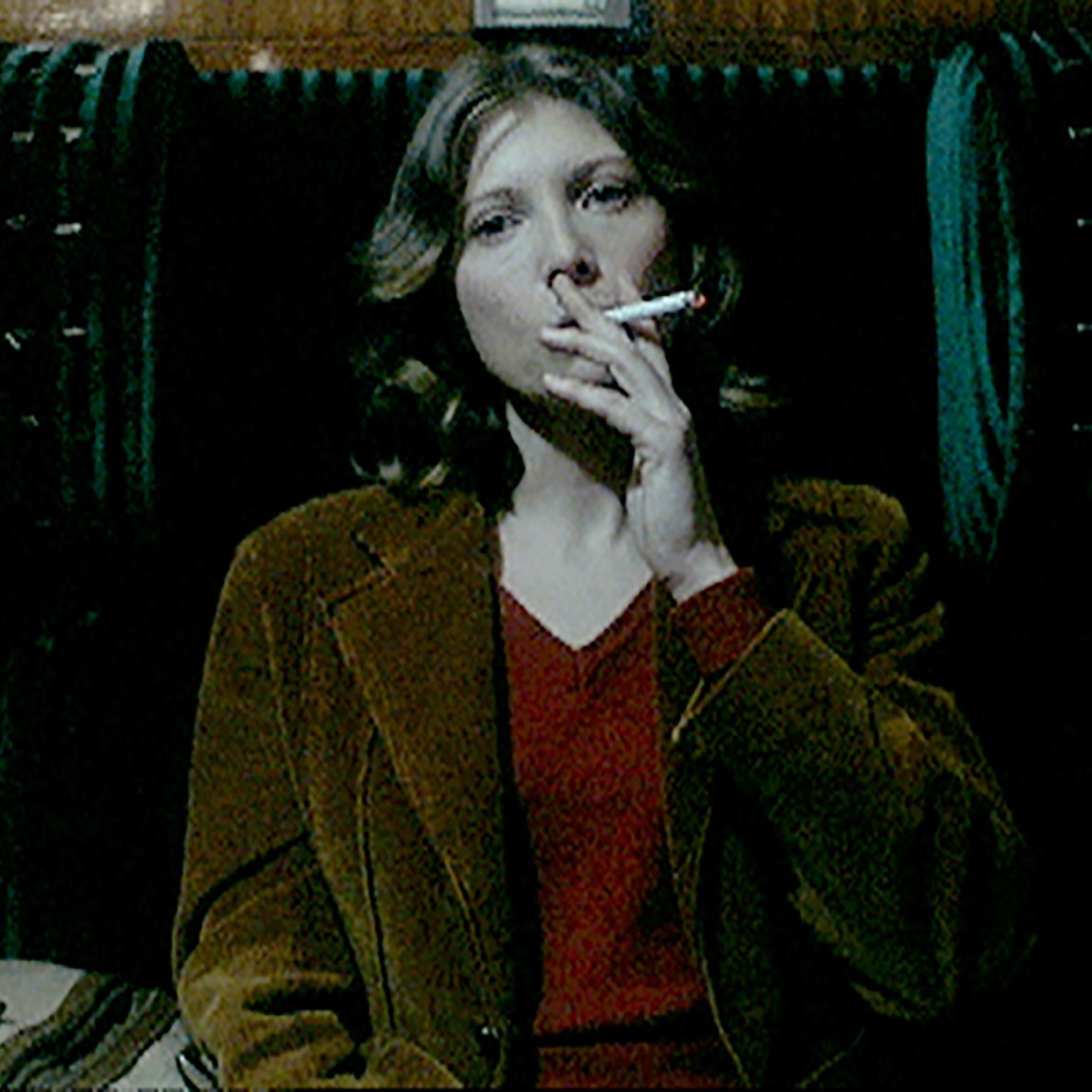
7. Je, Tu, Il, Elle (1974)
Genre: Drama, Slow Cinema
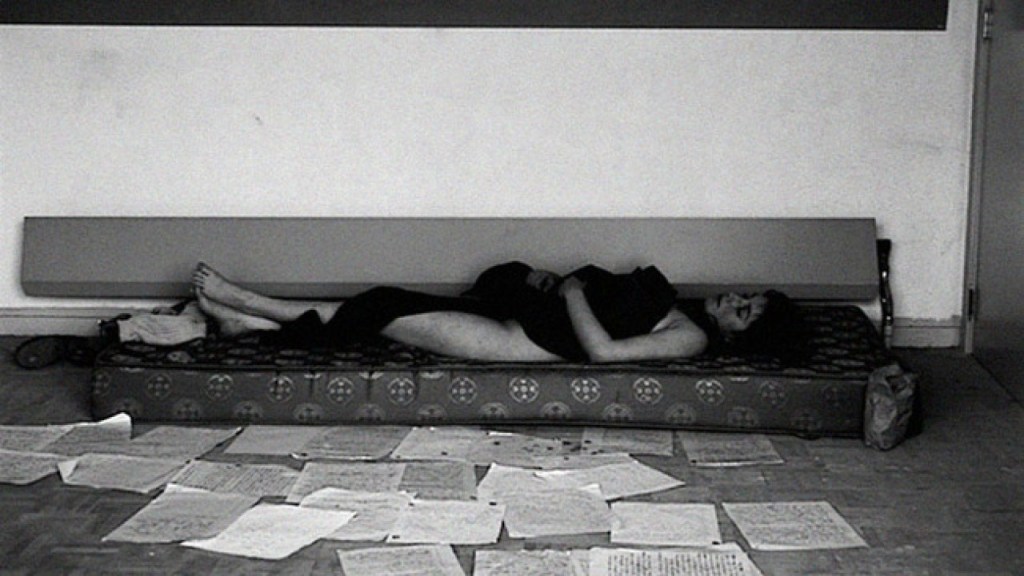
8. No Home Movie (2015)
Genre: Diary Film

9. One Day Pina Asked… (1983)
Genre: Art Documentary, Dance Film
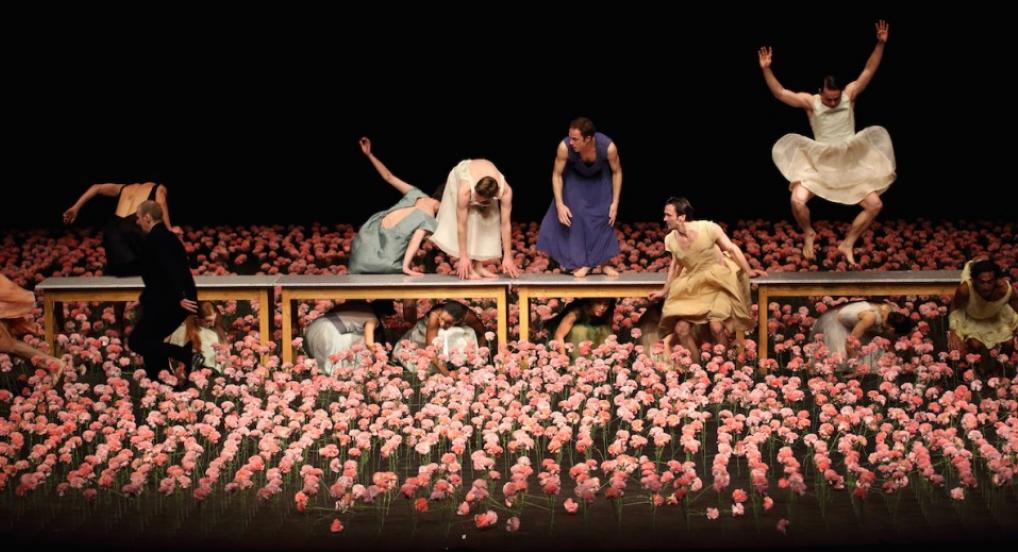
10. Golden Eighties (1986)
Genre: Comedy, Musical, Romance

Chantal Akerman: Themes and Style
Themes:
- Everyday Life & Women’s Experience: Akerman often depicted the mundane daily routines and lives of women, shining a light on their inner world and external environment. In films like Jeanne Dielman, 23 Quai du Commerce, 1080 Bruxelles, she minutely observed her characters’ everyday activities, highlighting the importance and complexity of women’s experience in domestic spaces.
- Feminism & Gender: Her work is heavily influenced by feminist thought, with a keen focus on exploring female identity and autonomy. She used cinema as a tool to challenge traditional gender roles and societal expectations imposed on women.
- Identity & Alienation: Akerman, a Jewish woman whose family suffered during the Holocaust, often addressed themes of identity, displacement, and alienation in her films. Films like News from Home are introspective explorations of the self, deeply entwined with feelings of solitude and disconnection.
- Sexuality: She openly addressed sexuality in her work, exploring the nuances of desire and intimacy with a candid, sensitive approach. Je Tu Il Elle is noted for its exploration of sexual identity and its frank, uninhibited portrayal of lesbian sexuality.
Styles:
- Minimalism: Akerman adopted a minimalist aesthetic, often with long takes, stationary camera positions, and sparse dialogue. This style creates a contemplative space for the audience, drawing attention to the visual composition and subtle movements within the frame.
- Long Takes: Her use of extended, unbroken takes allowed viewers to immerse themselves fully in the atmosphere and emotions of the scenes. This technique also enhanced the sense of real-time progression and the significance of ordinary moments.
- Static Camera & Framing: Many of her films employed a fixed camera angle, focusing on a single space where action unfolds. This static framing contributed to the atmosphere of isolation and introspection prevalent in her films.
Directorial Signature:
- Narrative Structure: Akerman’s films often eschew traditional narrative structures, opting for a fragmented or episodic approach that mirrors the complexity of human experience. Her narrative style allows for a deep emotional engagement with the characters and themes rather than relying on plot-driven storytelling.
- Visual Language: She had a distinctive visual language characterised by its simplicity and depth, where every shot is meticulously composed to convey a myriad of emotions and ideas. The optical element in her films is not merely supportive of the narrative but is integral to understanding the subtleties of the characters and their environment.
- Personal & Autobiographical Elements: Many of her films incorporated autobiographical elements, offering a deeply personal insight into the themes she explored. The intersection of the individual and political in her work made her films profoundly resonant and emotionally powerful.
Chantal Akerman: The 82rd Greatest Director

 Bronze Screen Dream