

Bruno Dumont is a French film director celebrated for his distinctive style in crafting avant-garde cinema that provokes and challenges its audience. Dumont is best known for his films that engage with the philosophical and spiritual aspects of human existence, utilising the landscapes of his native Northern France as significant elements within his narratives.
Dumont’s films often take place in bleak, rural settings and feature characters who are grappling with deep existential questions. In Humanité, a police detective investigates a brutal murder while also struggling with his own crisis of faith. In Flandres, a group of young soldiers confront the horrors of war and their moral degradation. His use of non-professional actors and his minimalist visual style have earned him comparisons to filmmakers like Robert Bresson and the Dardenne brothers. He often uses long takes and stark, unadorned cinematography to create a sense of realism and immediacy.
In recent years, Dumont has experimented with new genres and styles, such as the comedy-drama P’tit Quinquin and the musical Jeannette: The Childhood of Joan of Arc. These films showcase Dumont’s versatility as a filmmaker and his willingness to take risks and challenge expectations.
Dumont’s filmography explores profound themes such as faith, existential despair, and the human condition, presented through a lens of minimalism and austerity. His works often feature non-professional actors, providing an authentic and raw energy to the screen, as evidenced in La Vie de Jésus and L’Humanité. The former, La Vie de Jésus, reveals a startling and unglamorous side of life, diving deep into the nuances of suffering and salvation, while L’Humanité similarly delves into the depth of human emotions and the quest for meaning amid the mundane and painful aspects of existence.

Bruno Dumont (1958 – -)
Calculated Films:
- Li’l Quinquin (2014)
Similar Filmmakers
- Abbas Kiarostami
- Alain Cavalier
- Albert Serra
- Andrei Tarkovsky
- Bela Tarr
- Bruno Nuytten
- Carl Theodor Dreyer
- Gaspar Noe
- Ingmar Bergman
- Jessica Hausner
- Lars von Trier
- Lucrecia Martel
- Michael Haneke
- Nuri Bilge Ceylan
- Pascale Ferran
- Robert Bresson
- Theo Angelopoulos
- Ulrich Seidl


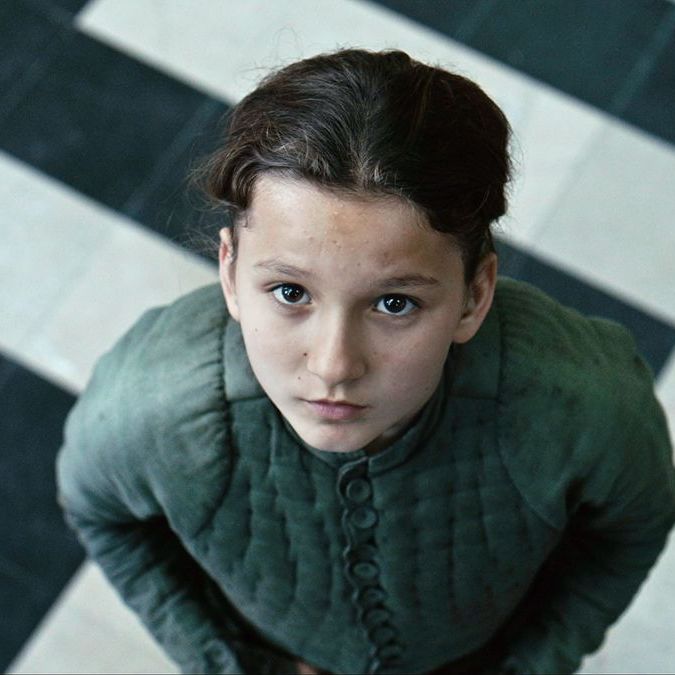
Bruno Dumont‘s Top 5 Films Ranked
1. Li’l Quinquin (2014)
Genre: Drama, Comedy, Mystery, Crime, Police Procedural, Black Comedy

2. L’humanite (1999)
Genre: Psychological Drama, Crime
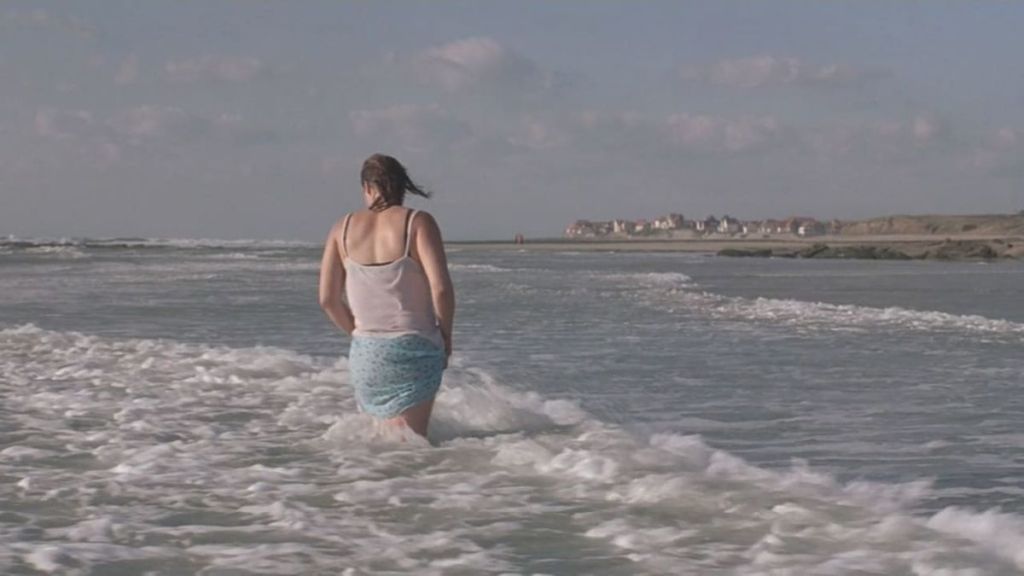
3. Outside Satan (2011)
Genre: Drama, Slow Cinema, Crime

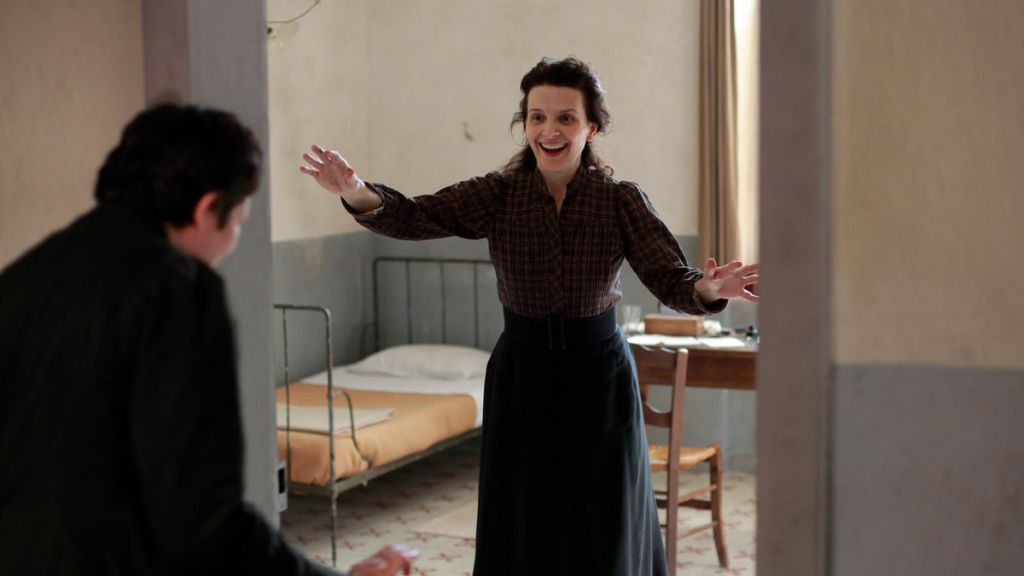
4. Camille Claudel 1915 (2013)
Genre: Biographical, Psychological Drama, Period Drama
5. Hadewijch (2009)
Genre: Drama

Bruno Dumont: Themes and Style
Themes:
- Existential Despair & Redemption: Dumont’s films often explore themes of existential despair and the quest for redemption. His characters typically grapple with issues of morality, faith, and the human condition, navigating through a world marked by bleakness and absurdity.
- Religion & Spirituality: Religion and spirituality play significant roles in Dumont’s works. His characters are often depicted in the process of spiritual awakening or the throes of religious torment, providing deep insight into the complex relationship between faith and human nature.
- Social Realism: He often sheds light on the grim realities of life, including poverty, violence, and societal decay. The filmmaker does not shy away from addressing pressing social issues and presenting a raw, unfiltered portrayal of humanity.
Styles:
- Minimalism: Dumont’s directorial style is characterised by minimalism. He employs a sparse narrative style, simple dialogue, and a restrained visual aesthetic to create films that are contemplative and intensely focused on the characters’ internal struggles.
- Visual Style: His films are visually striking, often utilising the natural landscape as a significant element in storytelling. Dumont carefully composes each frame to convey a sense of place and atmosphere that complements and enhances the narrative.
- Non-Professional Actors: He often casts non-professional actors in his films, aiming to capture the raw, authentic emotions and experiences of ordinary people. This approach lends a documentary-like feel to his works, grounding them in reality.
- Slow Pacing: Dumont’s films are noted for their deliberate pacing. He takes his time to develop characters and situations, allowing audiences to immerse themselves fully in the world he creates.
Directorial Signature:
- Provocative Storytelling: Dumont’s films are often provocative and challenging, prompting viewers to reflect on their own beliefs and assumptions. He does not provide easy answers, instead inviting audiences to engage with the material on a deeper, more personal level.
- Intense Emotional Depth: His works are emotionally intense and often unsettling. The filmmaker delves deep into the human psyche, presenting characters that are complex, flawed, and profoundly human.
- Absence of Sentimentality: Despite their emotional depth, Dumont’s films are not sentimental. He approaches his subjects with a cold, dispassionate eye, allowing the inherent drama of the human condition to unfold without manipulation or melodrama.
- Juxtaposition of the Sacred and Profane: In Dumont’s cinema, the sacred and the profane exist side by side, often within the same character or situation. This juxtaposition creates a disconcerting, surreal atmosphere that is uniquely his own.
Bruno Dumont- Great Director


 Bronze Screen Dream