

Brian De Palma is an American filmmaker known for his richly stylised and suspenseful narratives. Often compared to Alfred Hitchcock, De Palma’s work is renowned for its unique blend of stylistic bravura, genre deconstruction, thematic depth, and narrative complexity. With significant contributions to crime and thriller genres and a cinematic style marked by bold visual flourishes and intricate plotting, films like Scarface and The Untouchables bear what is often referred to as the ‘De Palma touch’.
De Palma began making short films while studying physics at Columbia University. He came to prominence during the “New Hollywood” wave of filmmaking in the 1960s and 1970s, along with directors like Martin Scorsese, Francis Ford Coppola, and Steven Spielberg. His early works, such as Greetings and Hi, Mom! showcased his flair for satirical commentary and his burgeoning visual style. His breakout film, Carrie, introduced him to a wider audience and firmly established his reputation.
A master of suspense, De Palma’s films often revolve around themes of obsession, guilt, voyeurism, and duality. His storytelling is marked by complex and intricate plots featuring unexpected twists and turns, flashbacks, and narrative ambiguity. Films like Dressed to Kill and Body Double bear testimony to his Hitchcockian influence, employing suspenseful plots, innovative use of point of view, and camera techniques such as split-screen and split diopter shots.
The Intersection of Violence, Sexuality and Style
De Palma’s films frequently explore themes of violence and sexuality. He often presents these themes graphically and explicitly, stirring controversy. His distinct visual style, characterised by long, intricate tracking shots, split-screen sequences, and creative use of colour and composition, heightens the drama and emotion in his films. His movies’ dark humour and satirical elements critique societal norms, institutions, and genre conventions.
An integral component of De Palma’s films is their memorable musical scores. His collaborations with composers like Pino Donaggio and Ennio Morricone have enhanced his films’ emotional impact and suspense. His longstanding partnerships with actors like Al Pacino and John Travolta and screenwriter Oliver Stone have produced some of his most critically and commercially successful films.
De Palma’s cinematic style and narrative prowess have significantly imprinted filmmaking. Directors like Quentin Tarantino and Paul Thomas Anderson have cited De Palma as a major influence. Through his distinct cinematic language and challenging themes, De Palma has solidified his place in film history as a bold and innovative auteur.

Brian De Palma (1940 – -)
Calculated Films
- Sisters (1972)
- Phantom of the Paradise (1974)
- Carrie (1976)
- Dressed to Kill (1980)
- Blow Out (1981)
- Scarface (1983)
- The Untouchables (1987)
- Carlito’s Way (1993)
- Mission: Impossible (1996)
Similar Filmmakers


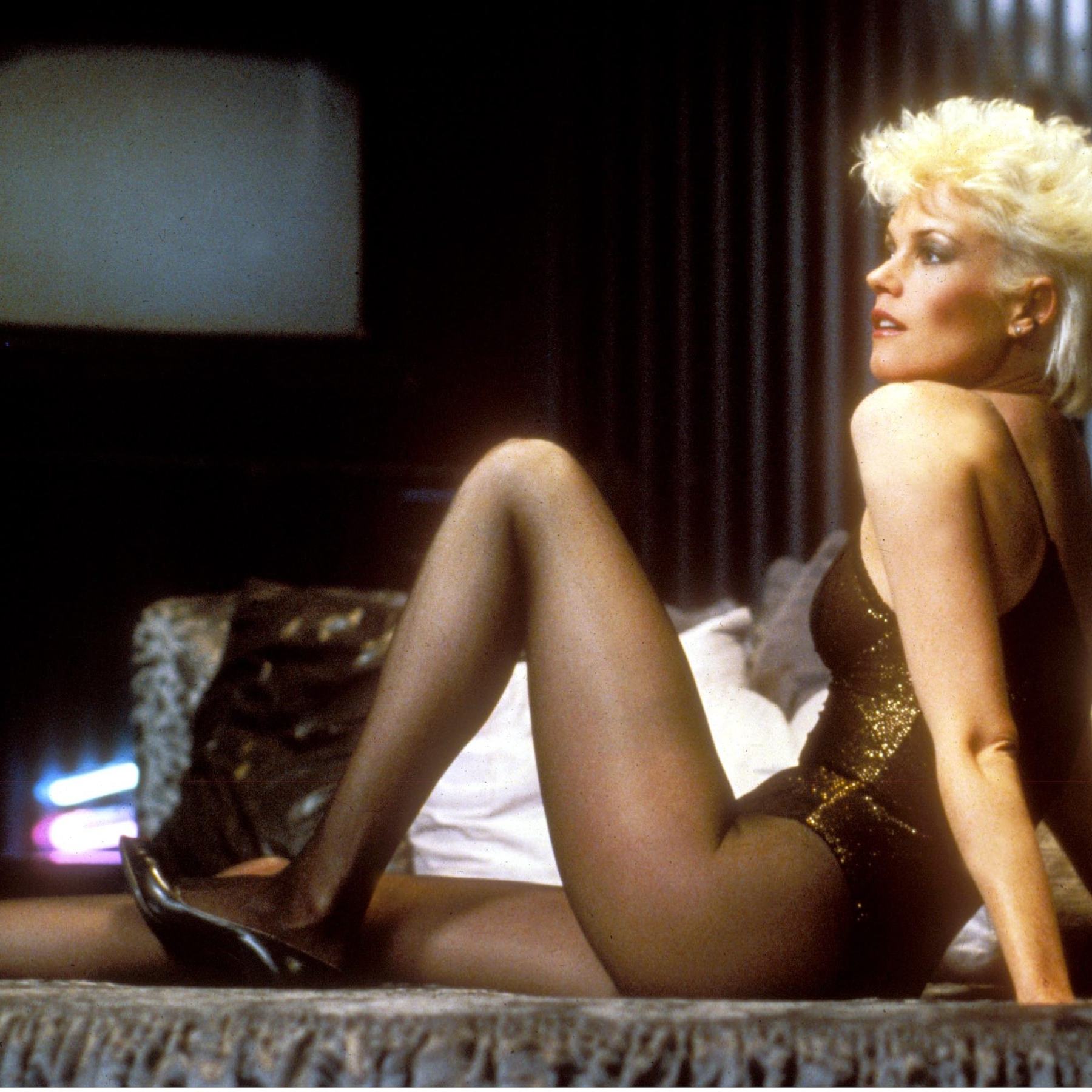
Brian De Palma’s Top 10 Films Ranked
1. Scarface (1983)
Genre: Gangster Film, Drama

2. Carrie (1976)
Genre: Supernatural Horror, Drama
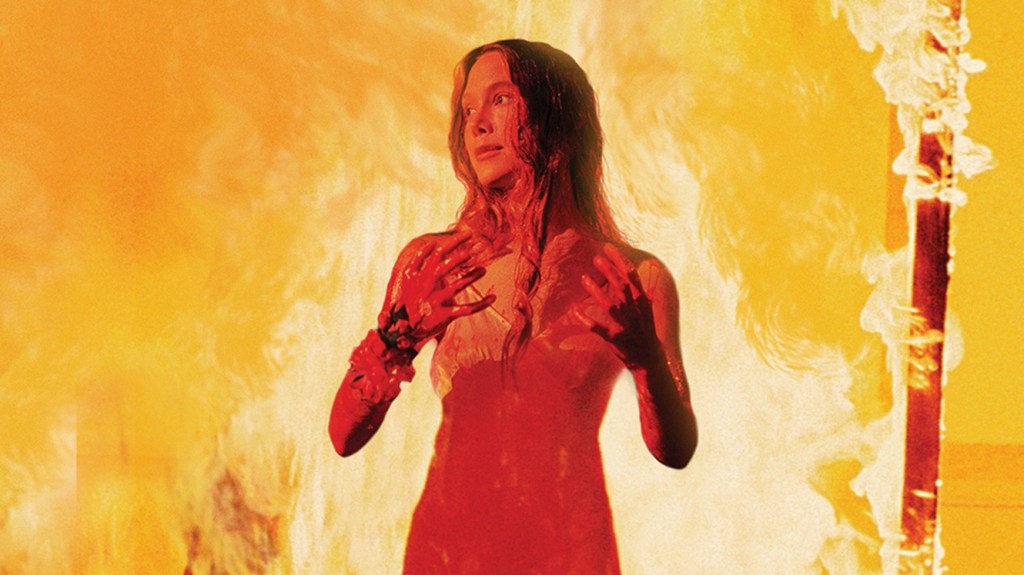
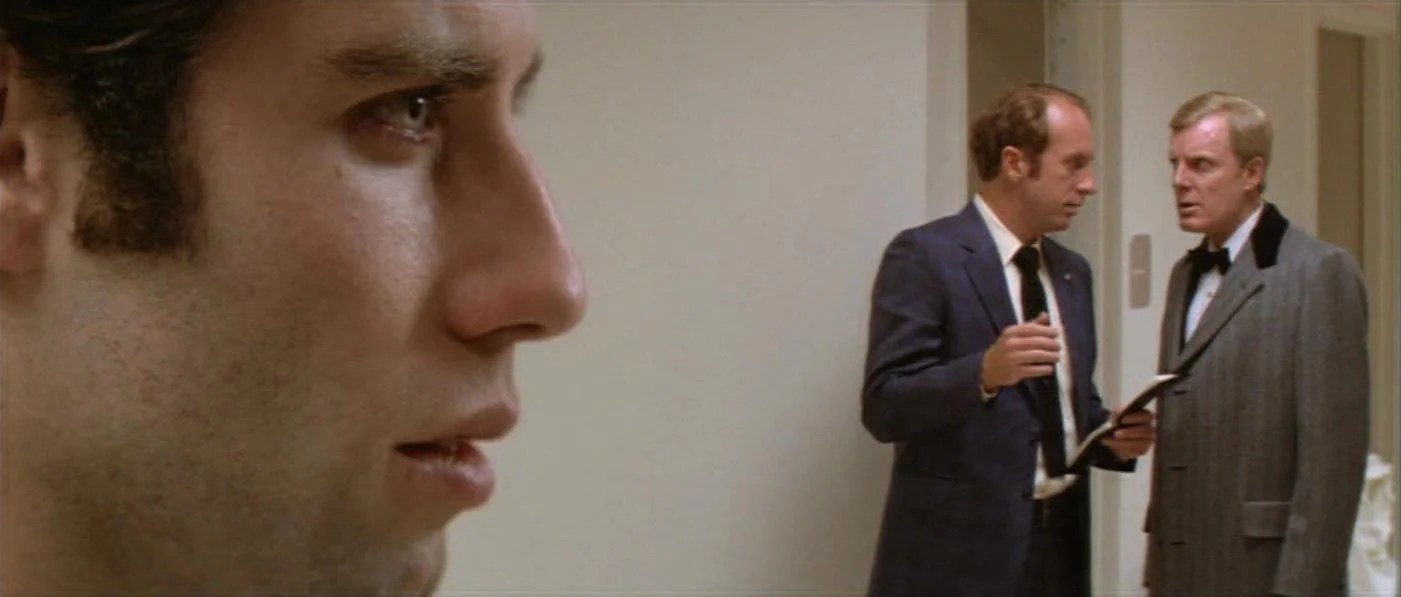
3. Blow Out (1981)
Genre: Thriller, Mystery, Neo-Noir
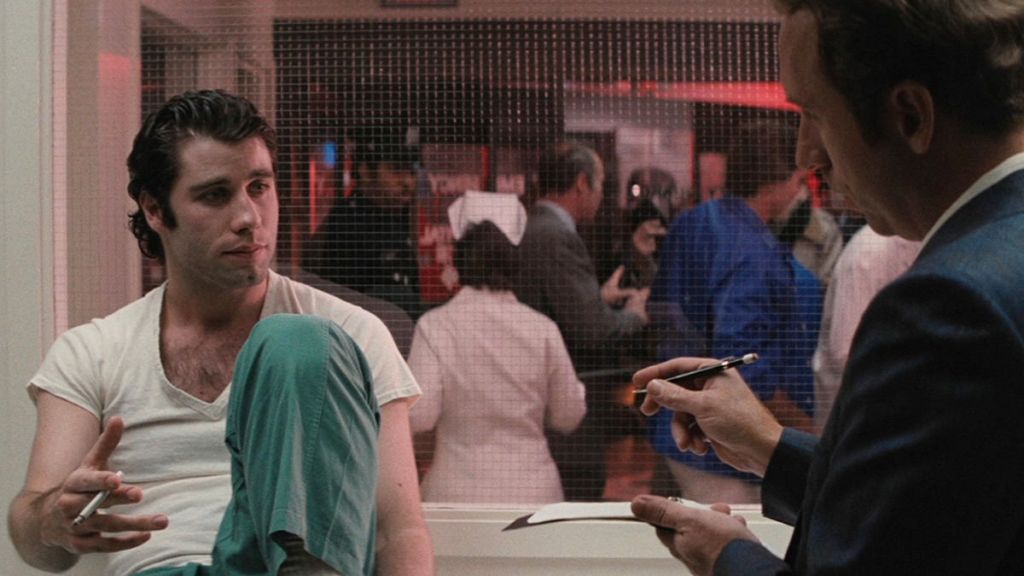
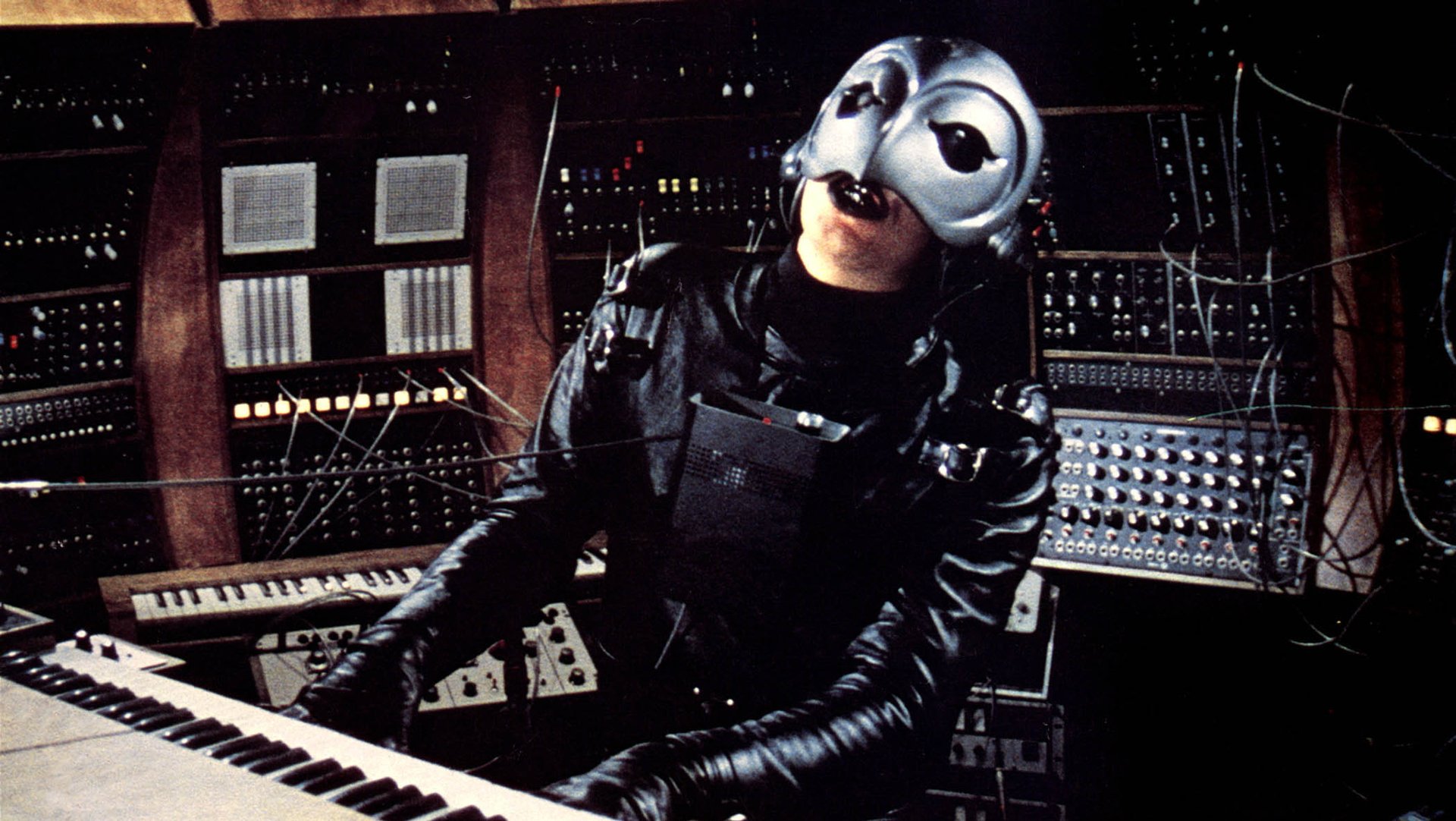
4. Phantom of the Paradise (1974)
Genre: Rock Opera, Satire

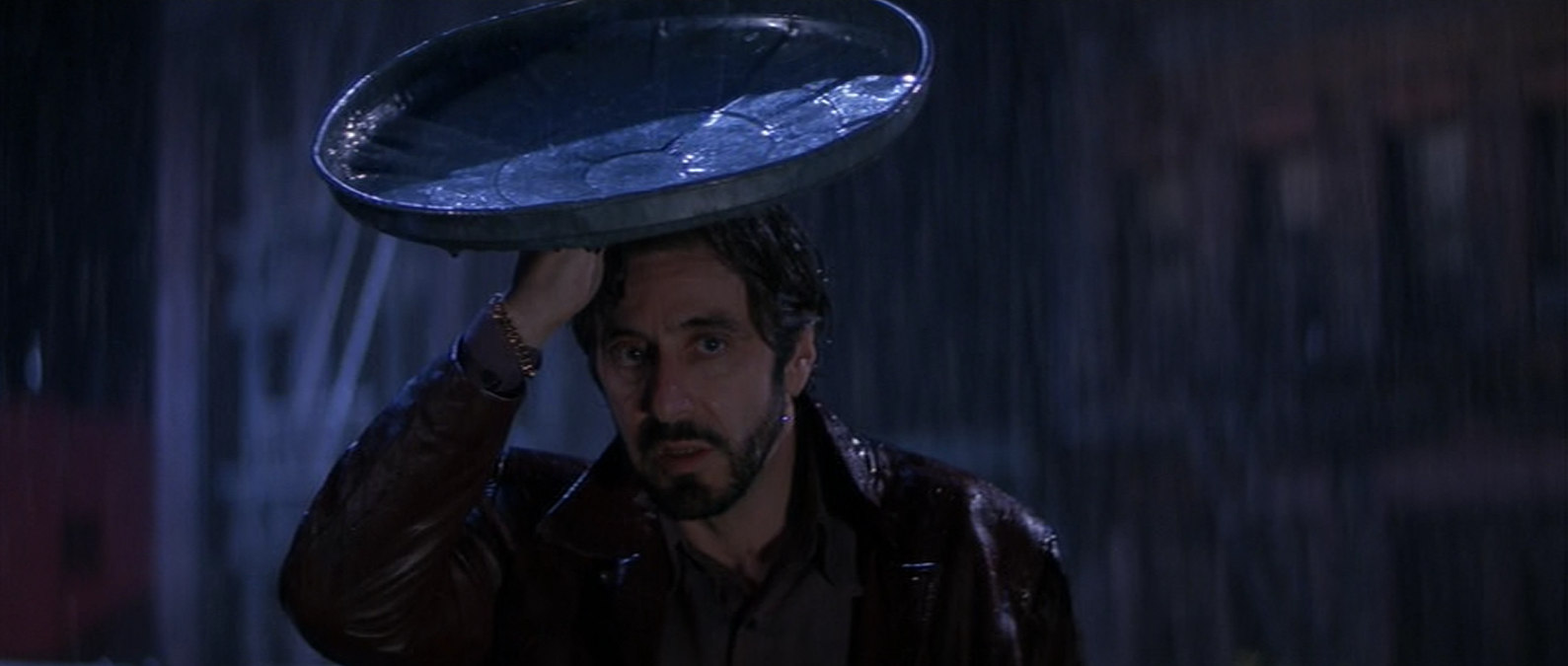
5. Carlito’s Way (1993)
Genre: Gangster Film, Drama
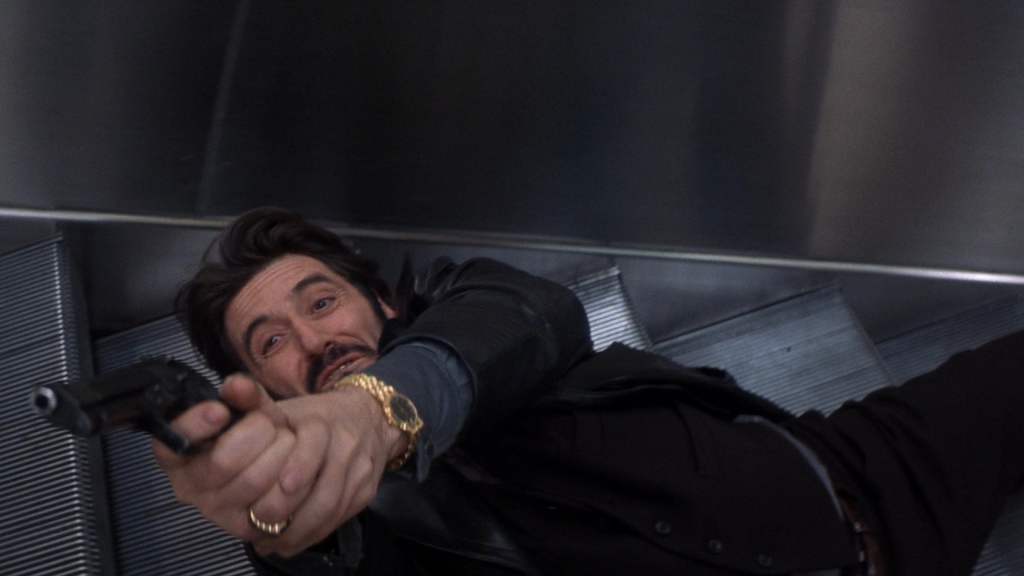
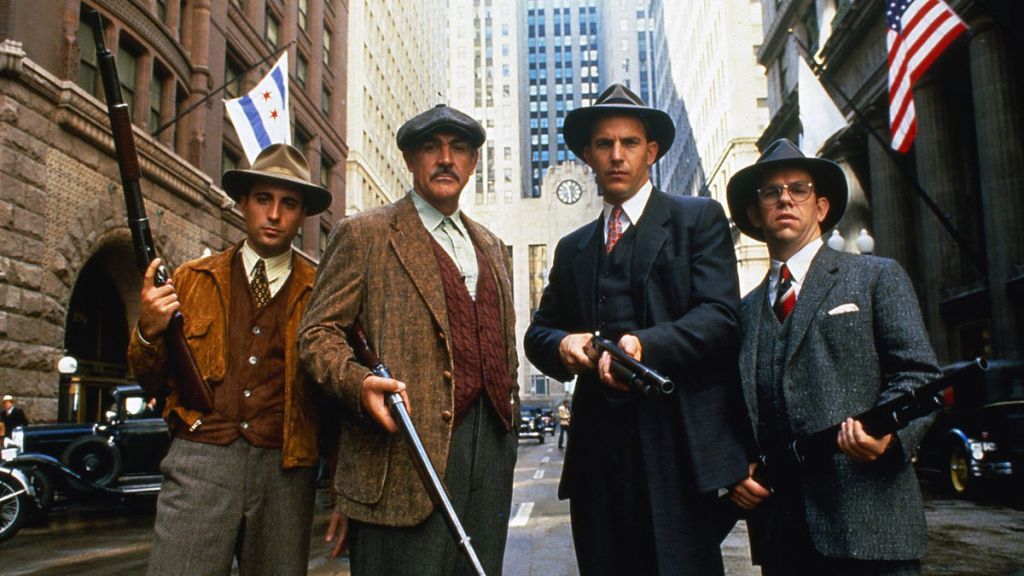
6. The Untouchables (1987)
Genre: Crime, Police Procedural, Period Drama, Gangster Film
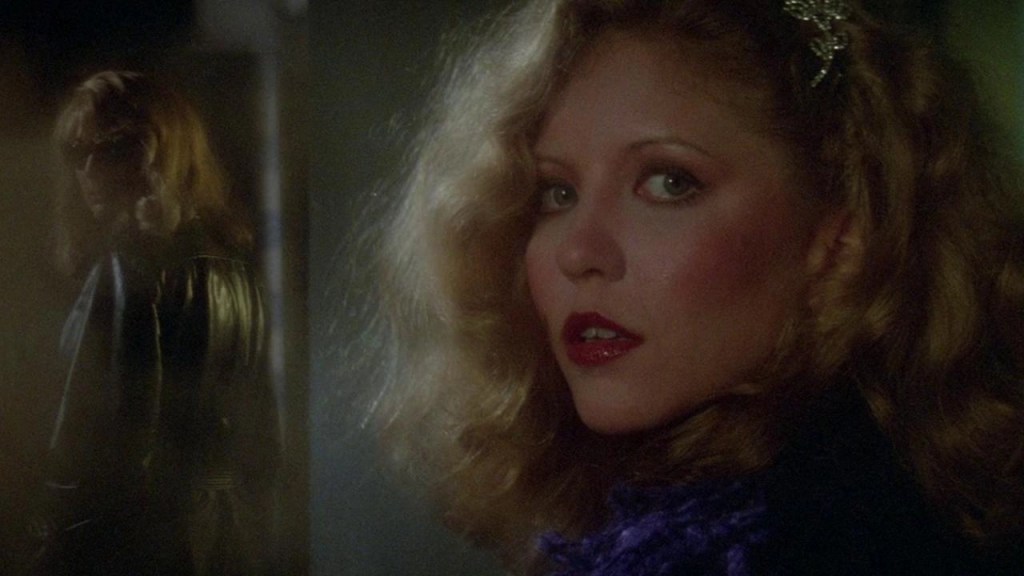
7. Dressed To Kill (1980)
Genre: Erotic Thriller, Mystery, Psychological Thriller
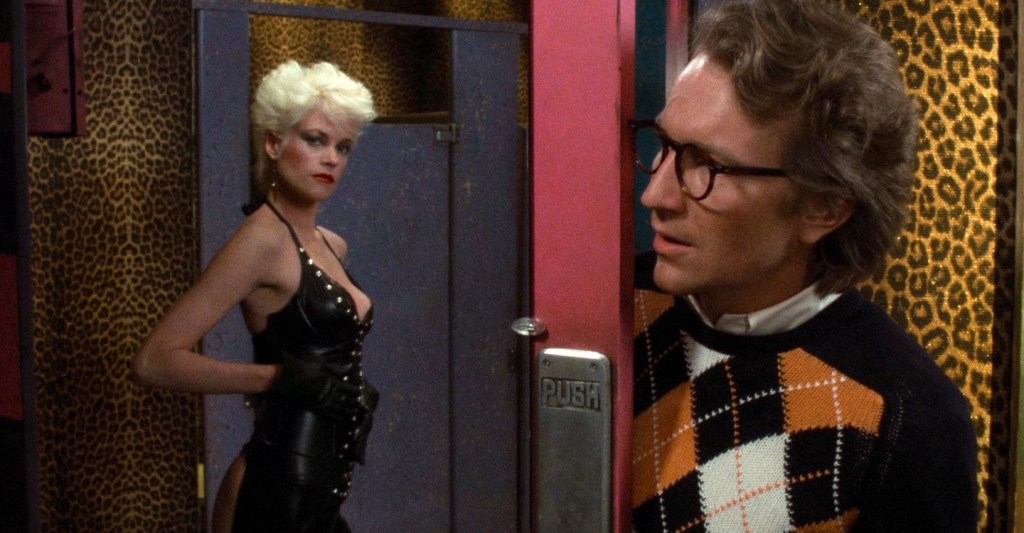
8. Body Double (1984)
Genre: Erotic Thriller, Mystery
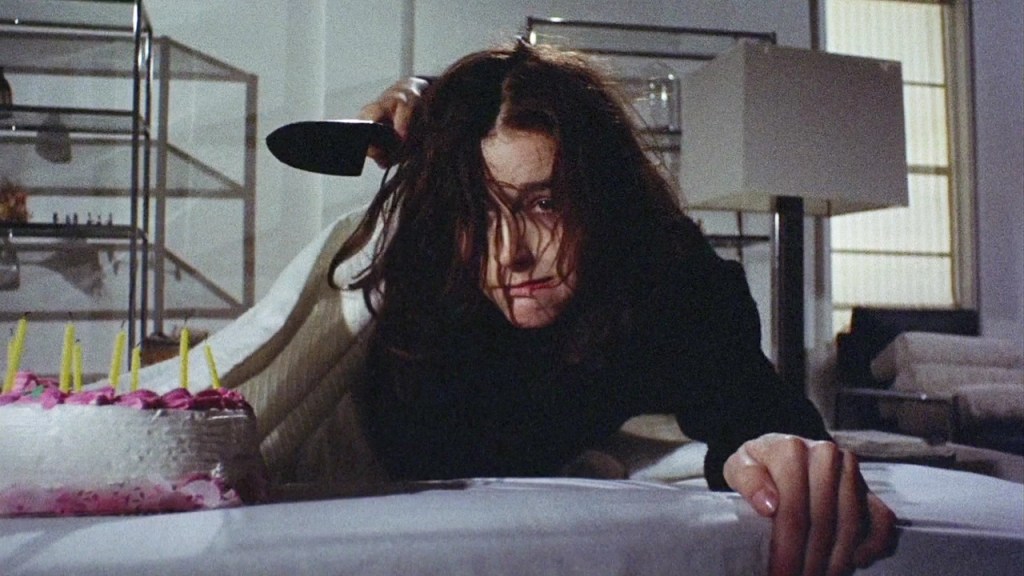
9. Sisters (1972)
Genre: Psychological Thriller, Horror
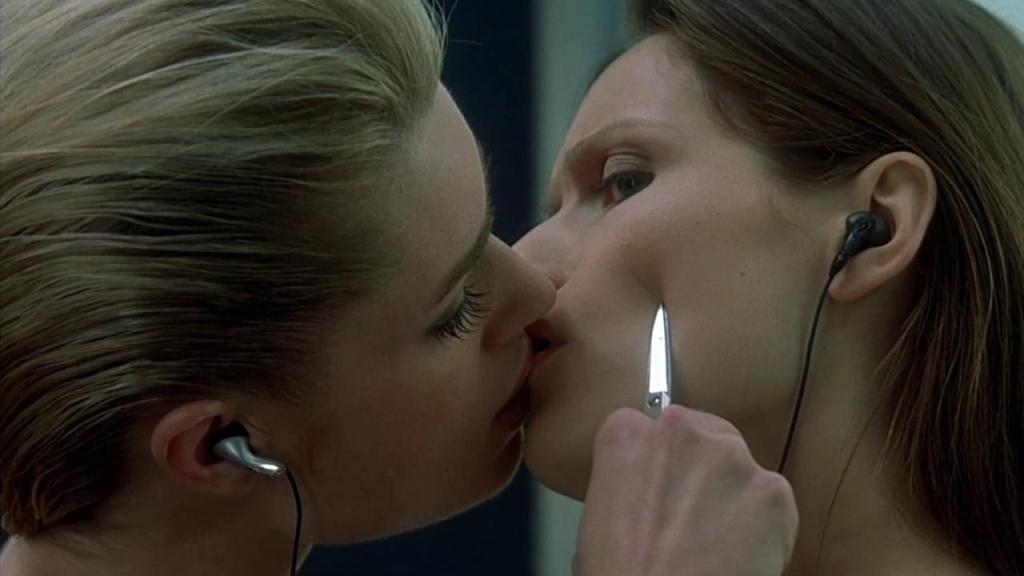
10. Femme Fatale (2002)
Genre: Erotic Thriller, Mystery, Crime
Brian De Palma: Themes and Style
Themes:
- Obsession and Voyeurism: De Palma often explores voyeurism, with characters spying on others, often leading to obsession, as seen in Body Double and Blow Out. His films frequently dissect the act of watching, aligning the audience’s gaze with that of the characters.
- Duality and Identity: Many of De Palma’s films, such as Sisters and Dressed to Kill, feature characters with dual identities or split personalities, questioning the nature of identity and the self.
- Crime and Corruption: He frequently addresses themes of crime and the corrupting influence of power, notably in Scarface and The Untouchables, showcasing the rise and fall of characters within criminal worlds.
- The Nature of Reality: De Palma often blurs the line between reality and illusion, with films like Mission: Impossible and Femme Fatale presenting complex narratives where what is real is constantly in question.
- War and Politics: In films such as Casualties of War and Redacted, De Palma delves into the moral complexities of war and the impact of politics on individual lives, reflecting on the ethics of violence.
Styles:
- Split Screens and Long Takes: De Palma’s use of split screens allows for simultaneous multiple perspectives, as seen in Carrie, while his extended long takes, like the prom scene in Carrie or the museum sequence in Dressed to Kill, build tension and showcase a choreographed reality.
- Stylish Violence and Graphic Content: His films often feature graphic violence, presented in a stylised manner that borders on the operatic, which is a hallmark of his work, as in Scarface and The Fury.
- Hitchcockian Influence: De Palma’s work is heavily influenced by Alfred Hitchcock, with homages in his use of suspense, psychological twists, and complex female characters, particularly evident in Obsession and Body Double.
- Baroque Visuals: His films are known for their elaborate visual style, with dramatic lighting and intricate set pieces, creating an almost baroque aesthetic, as in the superb sequences of Phantom of the Paradise.
- Innovative Sound Design: Sound plays a crucial role in De Palma’s films, often used innovatively to heighten suspense or to reveal the character’s inner thoughts, notably in Blow Out, where sound recording is central to the plot.
Directorial Signature:
- Cinematic Flourishes: De Palma’s signature includes a penchant for visual and cinematic flourishes, such as the use of slow motion during pivotal scenes for dramatic effect, visible in Carrie and The Untouchables.
- Femme Fatales: His films often feature strong, mysterious women who play pivotal roles in the narrative, embodying both danger and desire, which can be seen in characters from Body Double and Femme Fatale.
- Pivotal Set Pieces: De Palma is known for constructing unforgettable set pieces that become the visual and emotional centrepieces of his films, such as the prom scene in Carrie or the Union Station sequence in The Untouchables.
- Technical Innovation: He often pushes the boundaries of film technology, using tools like the Steadicam in pioneering ways, as he did in Carlito’s Way, to create fluid, dynamic scenes that enhance storytelling.
- Puzzle-like Narratives: De Palma frequently crafts narratives that resemble puzzles, requiring the audience to piece together the story, often leading to multiple interpretations, as exemplified by the layered storytelling in Mission: Impossible.
Brian De Palma: The 87th Greatest Director

 Bronze Screen Dream