
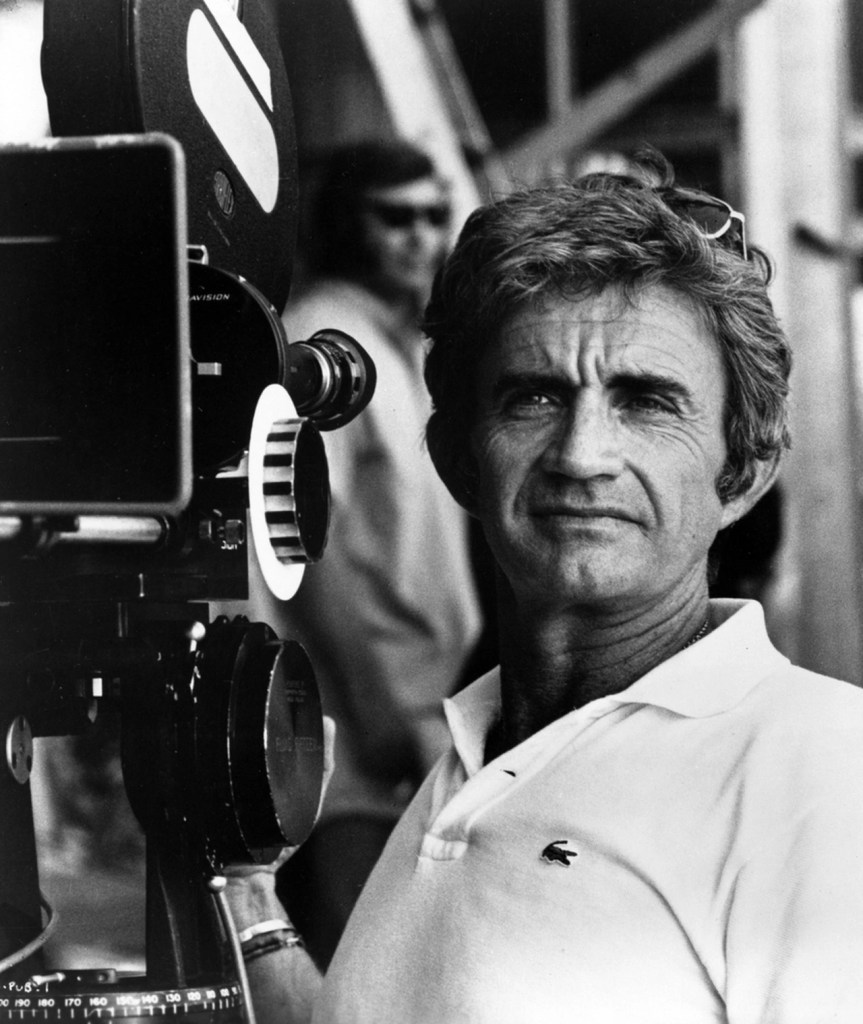
Blake Edwards was an American film director best known for his mastery of blending comedy with drama. He gained widespread fame for his work on films like Breakfast at Tiffany’s, which showcased his ability to create complex and charming characters, and the Pink Panther series, which became synonymous with slapstick comedy and visual humour. Edwards’s films are often associated with elegance and wit, but he was equally adept at dealing with more serious themes.
Edwards’s filmography frequently dealt with recurring themes of love, human fragility, and comedic mishaps in everyday life. He had a unique ability to draw out the absurdity of ordinary situations, making them both relatable and hilarious, as seen in films like The Party. Edwards’s attention to detail in character development and his embrace of slapstick and sophisticated comedy created a unique blend that resonated with audiences. This balance allowed his films to traverse genres and appeal to many viewers. The visual elegance in his work, such as the timeless portrayal of New York in Breakfast at Tiffany’s, complemented the emotional depth of his storytelling.
Moreover, Edwards’s approach towards cinema often involved collaboration with key actors and crew, most notably with composer Henry Mancini, with whom he crafted some of the most iconic film scores. His influence on cinema is evident in how contemporary filmmakers approach comedy, blending it with character-driven narratives. Edwards was never confined to a single genre but continuously evolved his style, demonstrating his wide-ranging talents across comedy, romance and drama.
Blake Edwards (1922 – 2010)
Calculated Films:
- Breakfast at Tiffany’s (1961)
- The Party (1968)
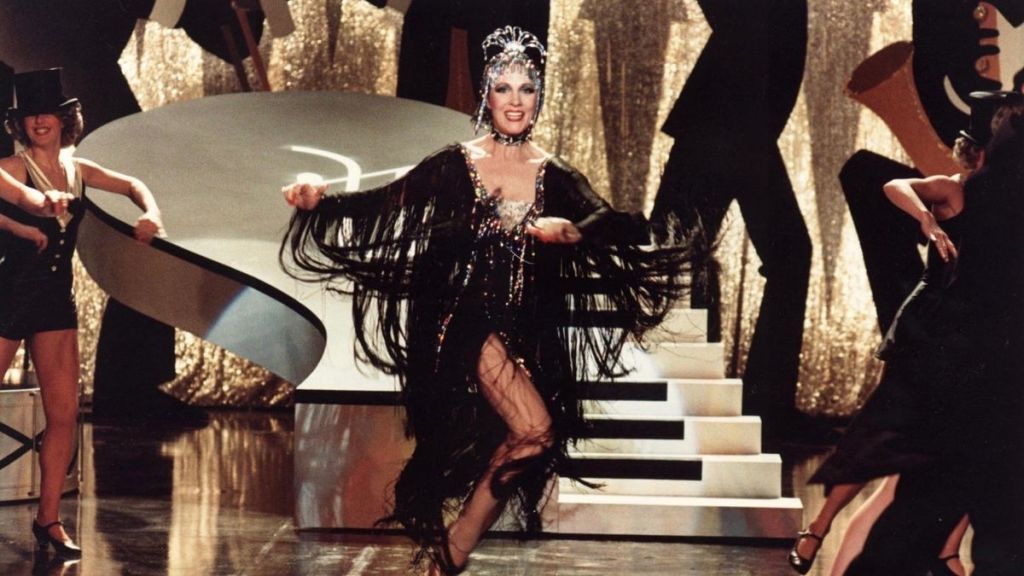
- Victor/Victoria (1982)
Similar Filmmakers
- Billy Wilder
- Carl Reiner
- Ernst Lubitsch
- Francis Veber
- Frank Capra
- Frank Tashlin
- Garry Marshall
- Gene Saks
- Howard Hawks
- Jacques Tati
- Leo McCarey
- Martin Brest
- Mel Brooks
- Preston Sturges
- Rob Reiner
- Richard Quine
- Stanley Donen
- Woody Allen


Blake Edwards’s Top 5 Films Ranked
1. Victor/Victoria (1982)
Genre: Musical, Comedy
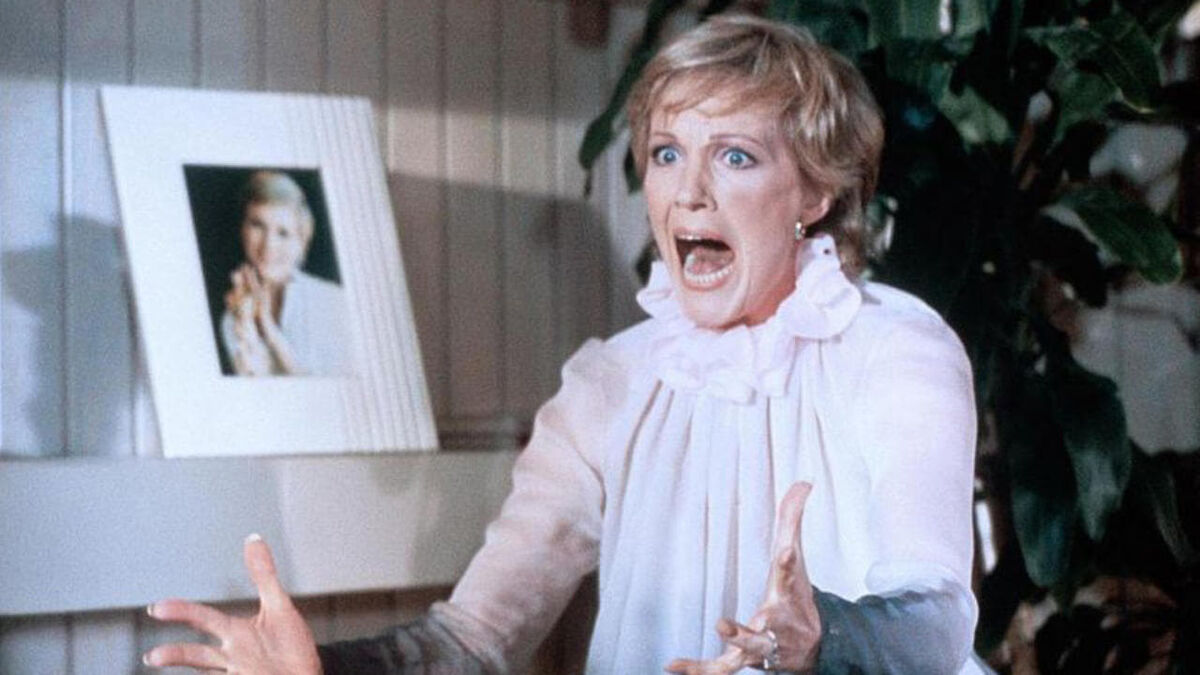
2. Breakfast at Tiffany’s (1961)
Genre: Romantic Comedy, Drama

3. Days of Wine and Roses (1962)
Genre: Drama, Romance

4. A Shot in the Dark (1964)
Genre: Comedy, Mystery

5. The Party (1968)
Genre: Slapstick, Comedy

Blake Edwards: Themes and Style
Themes:
- Complex Relationships: Edwards often delved into the intricacies of human relationships, especially the dynamics between men and women, as seen in films like 10 and That’s Life!
- Identity and Role Reversals: Movies like Victor/Victoria play with gender roles and identity, challenging societal norms and expectations.
- Underdog Triumphs: Whether it’s Inspector Clouseau in the Pink Panther series or the characters in S.O.B., Edwards showcased characters often perceived as failures who somehow manage to come out on top.
- The Struggle of the Artist: S.O.B. and The Party examine the challenges faced by artists in the entertainment industry, often satirising Hollywood’s inner workings.
Styles:
- Slapstick Comedy: Edwards was a master of slapstick, utilising visual gags and physical comedy. This is most evident in the Pink Panther series, where Inspector Clouseau’s antics provide relentless comedic moments.
- Character-driven Stories: Instead of relying solely on plot-driven narratives, Edwards built his films around well-developed characters, ensuring that viewers felt connected to their journeys.
- Jazz Influence: Edwards frequently collaborated with composer Henry Mancini, incorporating jazz-infused scores in his films, most notably in Breakfast at Tiffany’s and the Pink Panther series.
- Satirical Elements: Many of Edwards’s films satirise societal norms, Hollywood conventions, and general human folly, making them both comedic and critical.
Directorial Signature:
- Collaboration with Peter Sellers: Edwards’s frequent collaboration with actor Peter Sellers, especially in the Pink Panther series, created some of cinema’s most memorable comedic moments.
- Strong Female Characters: Edwards had a knack for crafting strong, independent female characters, such as Holly Golightly in Breakfast at Tiffany’s or Victoria Grant in Victor/Victoria.
- Visual and Physical Comedy: Edwards had an innate ability to craft visually comedic scenes, relying on carefully timed gags, facial expressions, and physical antics to evoke laughter.
- Personal Touch: Edwards’s personal experiences often influenced his work, making them deeply introspective while retaining their broad appeal. S.O.B., for instance, is a biting satire on Hollywood inspired by his own experiences in the industry.
Blake Edwards – The 281st Greatest Director



 Bronze Screen Dream