
Below are some of the best Swedish directors ever. Click on their pictures to discover more about them
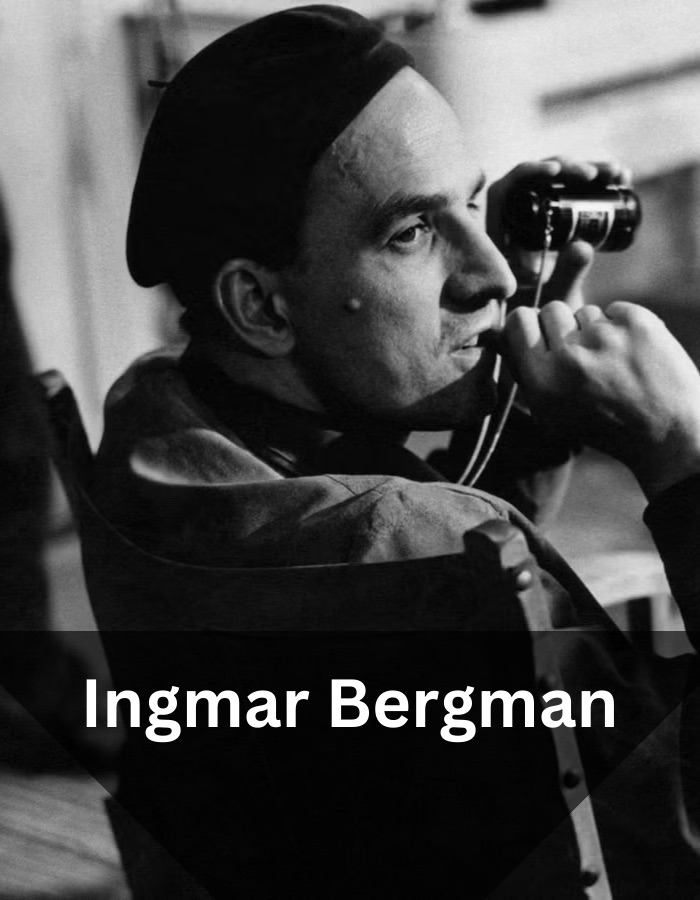

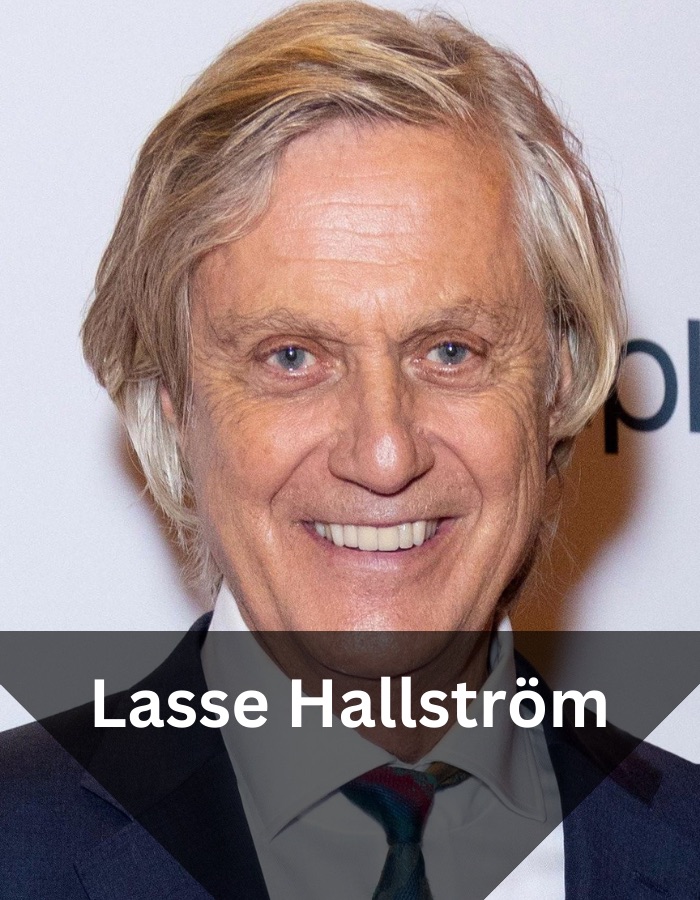


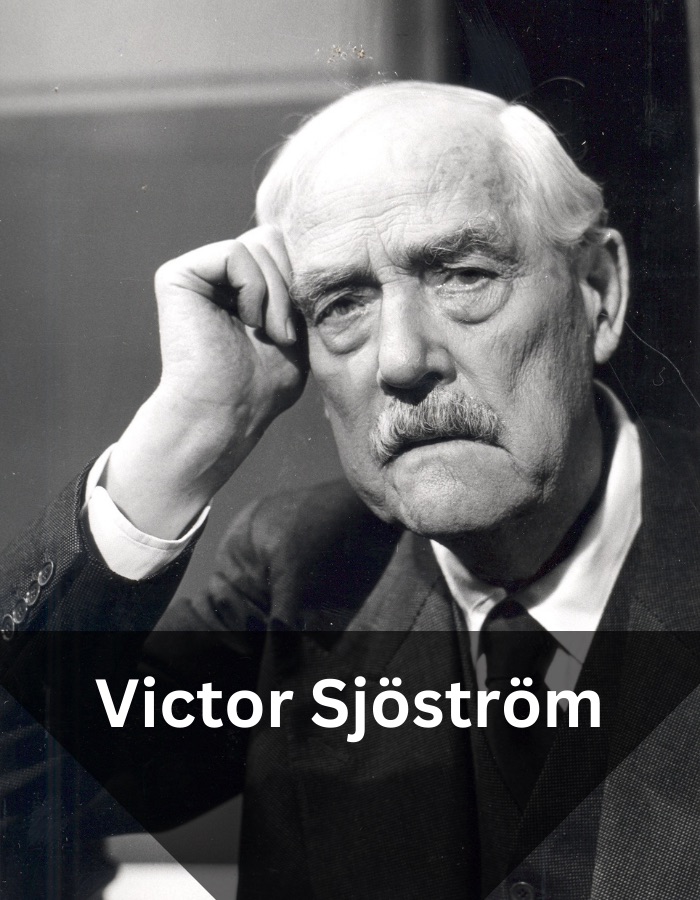
A Brief History of Swedish Cinema
The early 20th century marked the beginning of Swedish cinema, with Victor Sjöström and Mauritz Stiller emerging as pioneering figures. Their films, characterised by a distinctive blend of deep psychological insight and innovative use of landscape, played a crucial role in the formation of Sweden’s cinematic identity. This era was known for its exploration of complex human emotions and moral dilemmas, often set against the stark, captivating beauty of the Swedish countryside. The film “The Phantom Carriage”, directed by Sjöström, is a notable example from this period, known for its narrative complexity and groundbreaking special effects.
The mid-20th century saw the rise of Ingmar Bergman, arguably Sweden’s most famous director, who brought Swedish cinema to the forefront of international acclaim. Bergman’s films, such as “The Seventh Seal” and “Wild Strawberries”, are renowned for their existential themes, exploration of the human psyche, and innovative narrative structures. His works often delve into questions of faith, morality, and the human condition, making him a central figure in world cinema. Bergman’s influence extended beyond the screen, as he also contributed significantly to the development of scriptwriting and theatrical direction in Sweden.
In recent decades, Swedish cinema has continued to evolve, with directors like Lukas Moodysson and Roy Andersson gaining international recognition. Moodysson’s “Show Me Love” and Andersson’s “You, the Living” exemplify the diversity of contemporary Swedish cinema, ranging from intimate character studies to surreal, satirical commentaries on modern life. This period is characterised by a blend of social realism, dark humour, and an unflinching willingness to address complex social issues.
 Bronze Screen Dream