
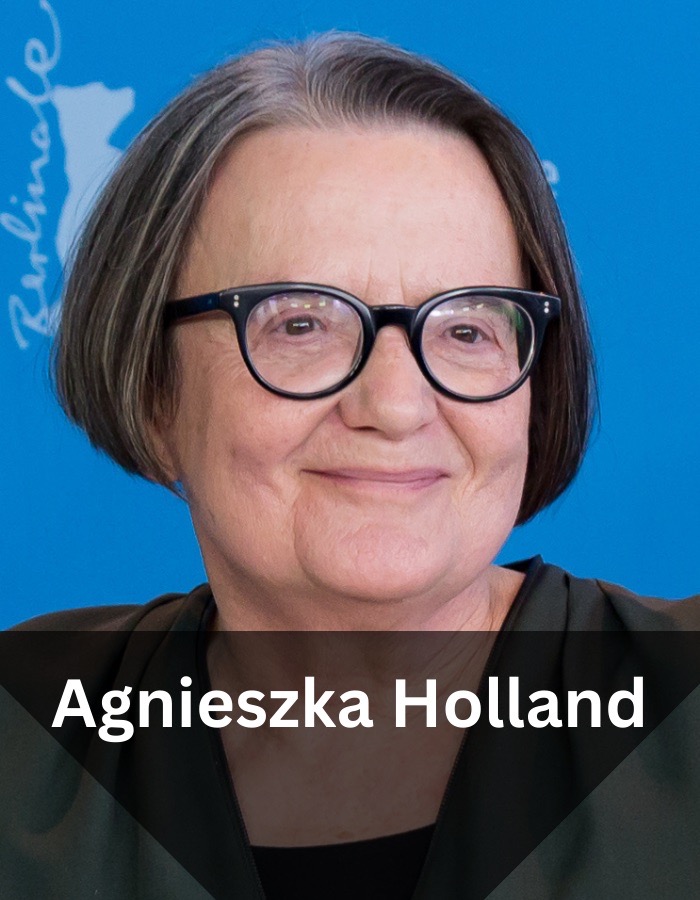
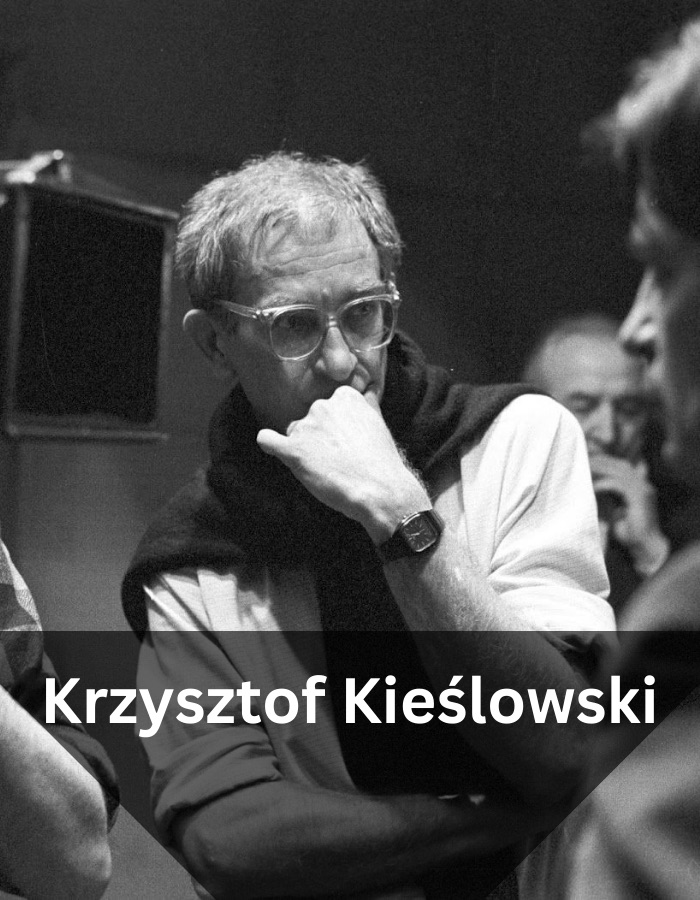
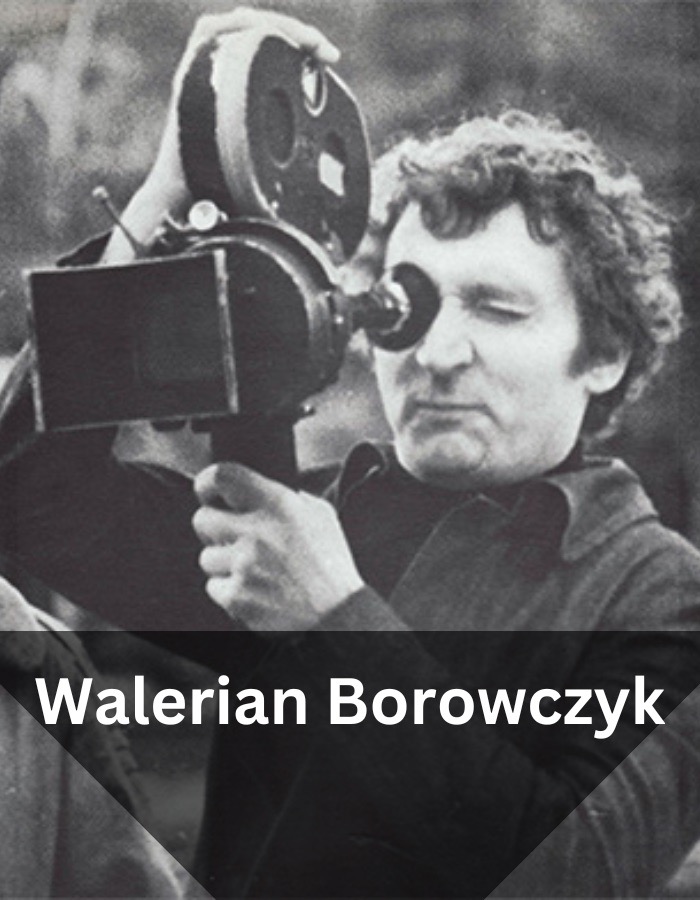
Below are some of the best Polish directors ever. Click on their pictures to discover more about them.







A Brief History of Polish Cinema
During the interwar period, Poland saw the emergence of its film industry, with Warsaw and Łódź becoming the primary centres of film production. This era was characterised by a focus on national themes and the adaptation of literary works, with films often being silent. The outbreak of World War II brought significant disruption and destruction, but post-war, the industry experienced a revival under the state-controlled film production system, leading to the creation of many iconic films and movements.
The period from the 1950s to the 1980s is often regarded as the golden age of Polish cinema, marked by the emergence of the Polish Film School movement. This movement, characterised by its emphasis on personal experiences and the harsh realities of war and occupation, produced many internationally acclaimed films. Directors such as Andrzej Wajda, whose works like “Ashes and Diamonds” and “Man of Marble” are considered masterpieces, and Krzysztof Kieślowski, known for his “Three Colors” trilogy and “The Decalogue”, played a pivotal role in bringing Polish cinema to the global stage. Their films not only won numerous awards at international film festivals but also influenced filmmakers around the world.
In recent years, Polish cinema has continued to evolve, reflecting the country’s changing social and political landscape. Contemporary directors such as Paweł Pawlikowski, whose films “Ida” and “Cold War” received international acclaim, including an Academy Award for Best Foreign Language Film, and Agnieszka Holland, known for politically charged works like “Europa Europa” and “In Darkness”, have both continued to fly the flag of Polish cinema.
 Bronze Screen Dream