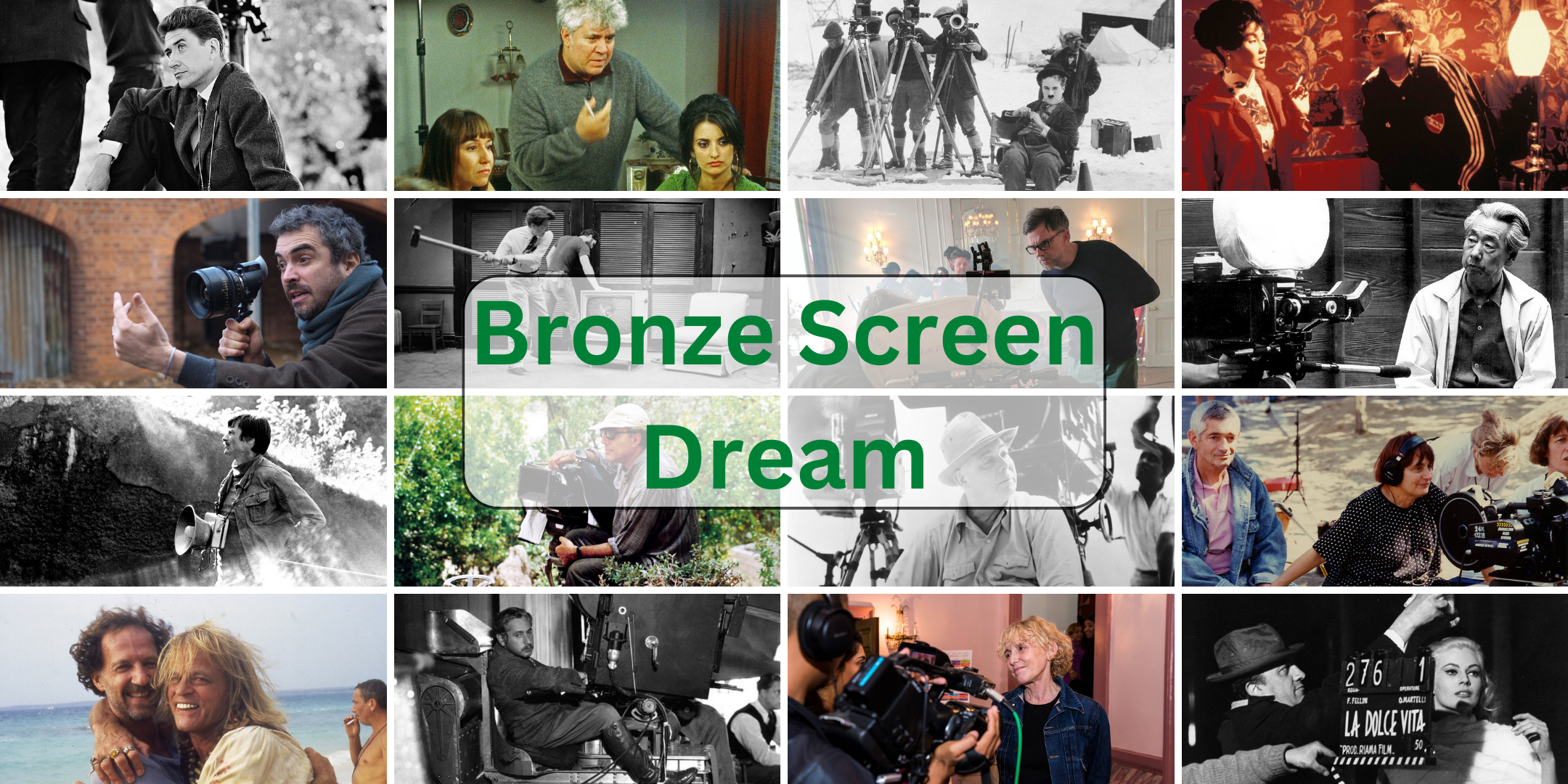
Click on their pictures to discover more about them.

A Brief History of Italian Cinema
Italian cinema began at the end of the 19th century, but the first significant period was during the 1910s with the rise of silent films. During this time, Italy was known for its epic historical dramas, often referred to as “sword-and-sandal” films, which gained international fame. Directors like Giovanni Pastrone, whose 1914 film “Cabiria” was a landmark in cinema history for its innovative use of long tracking shots and complex narrative, were pioneers in these early days.
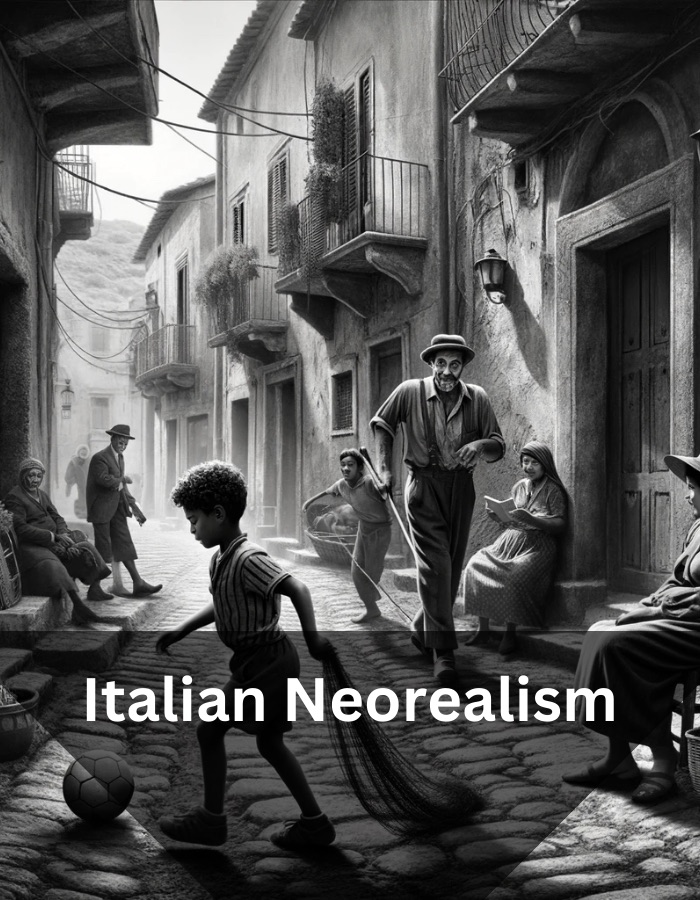
The advent of sound in the 1930s brought a new era of Italian cinema. This period saw the rise of “Telefoni Bianchi” films, characterised by their light-hearted, escapist themes, often set in bourgeois environments. However, the most significant cinematic movement in Italy during this time was Neorealism, which emerged in the mid-1940s as a response to the devastation of World War II. This movement aimed to depict the harsh realities of everyday life, often using non-professional actors and shooting on location. Directors like Roberto Rossellini with “Rome, Open City” and Vittorio De Sica with “Bicycle Thieves” became the face of this influential movement.
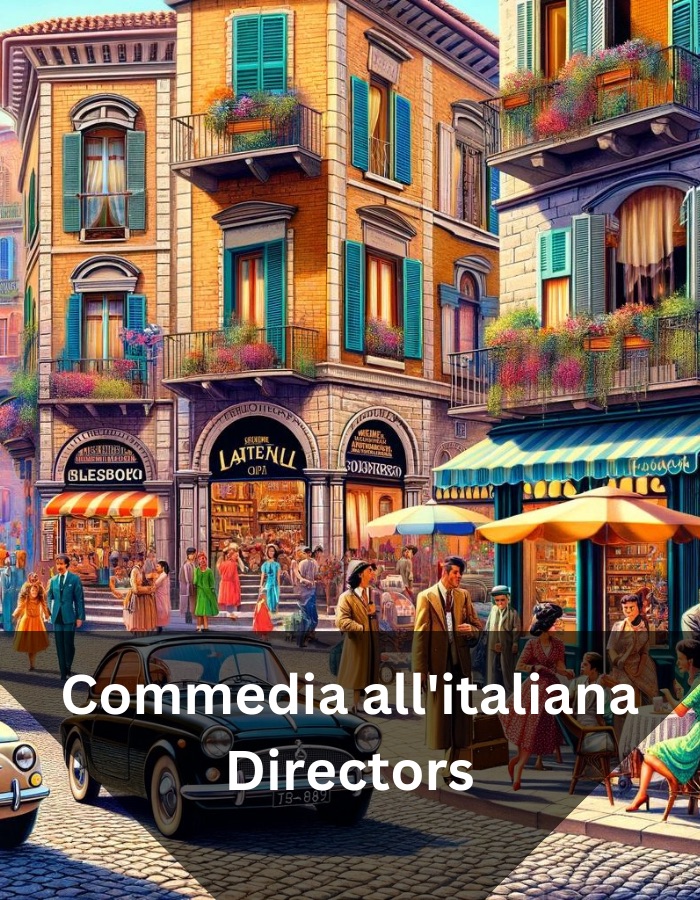
Post-war Italian cinema in the 1950s and 1960s saw a diversification in styles and narratives. The era was marked by the works of Federico Fellini and Michelangelo Antonioni, who moved away from Neorealism’s raw depiction of reality. Fellini’s “La Dolce Vita” and Antonioni’s “L’Avventura” showcased a more stylised, introspective approach, exploring existential themes and the human psyche. This period also saw the rise of Italian comedy, with directors like Mario Monicelli and Dino Risi presenting a humorous yet often poignant look at Italian society.
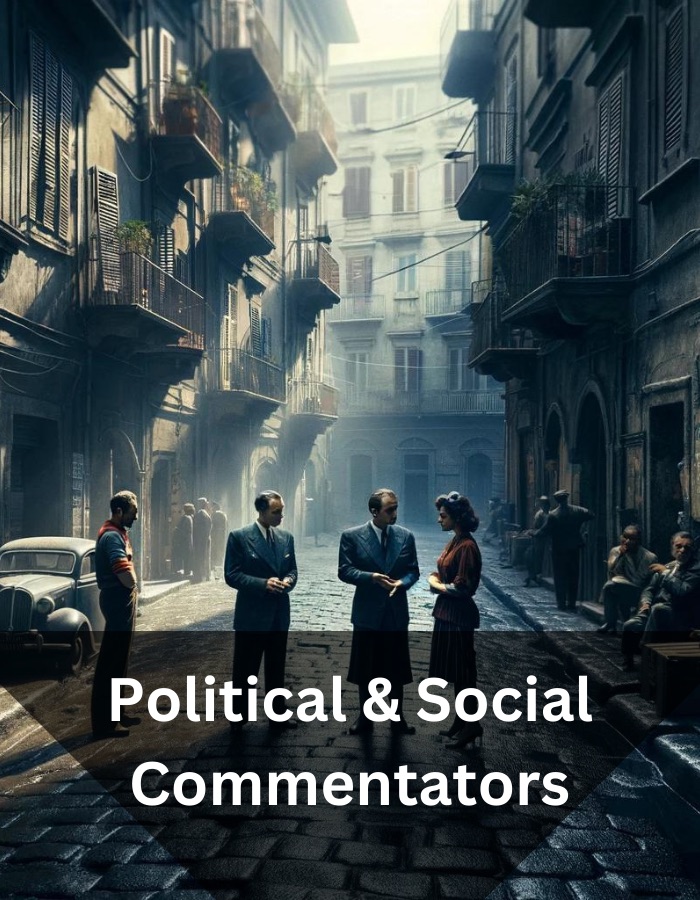
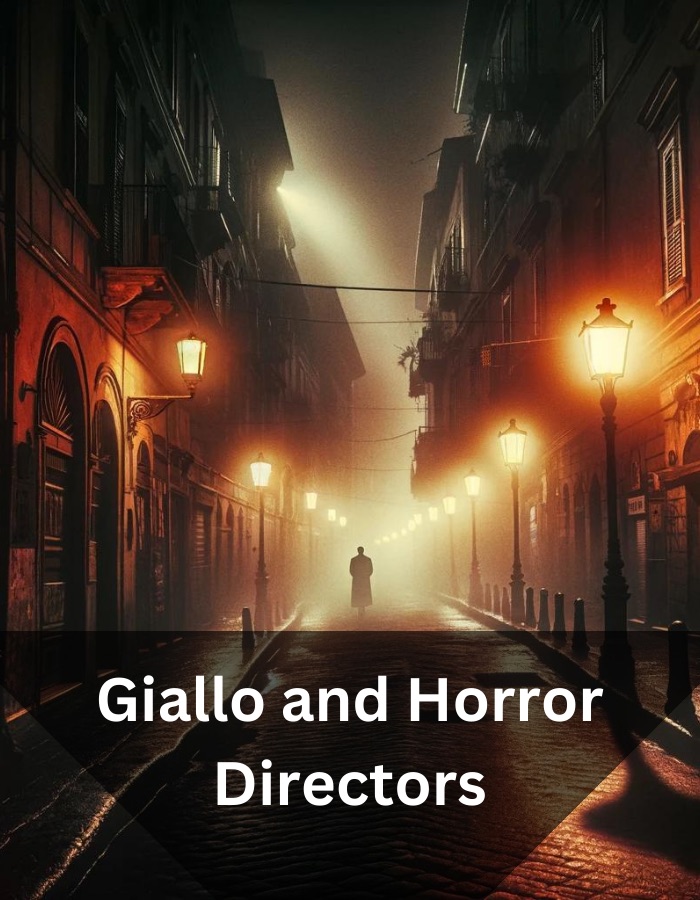
The 1970s and 1980s were a period of both challenge and innovation for Italian cinema. Political cinema became prominent with directors like Bernardo Bertolucci and Pier Paolo Pasolini, who combined artistic expression with political and social commentary. Pasolini’s “The Gospel According to St. Matthew” and Bertolucci’s “The Conformist” are notable examples. During this time, the Italian horror and giallo genres also rose to prominence, with directors like Dario Argento and Lucio Fulci creating visually striking and narratively complex films.
In recent decades, Italian cinema has continued to evolve, with directors like Giuseppe Tornatore, whose “Cinema Paradiso” is a love letter to the movies, and Paolo Sorrentino, known for “The Great Beauty”, which won an Oscar for Best Foreign Language Film.
 Bronze Screen Dream