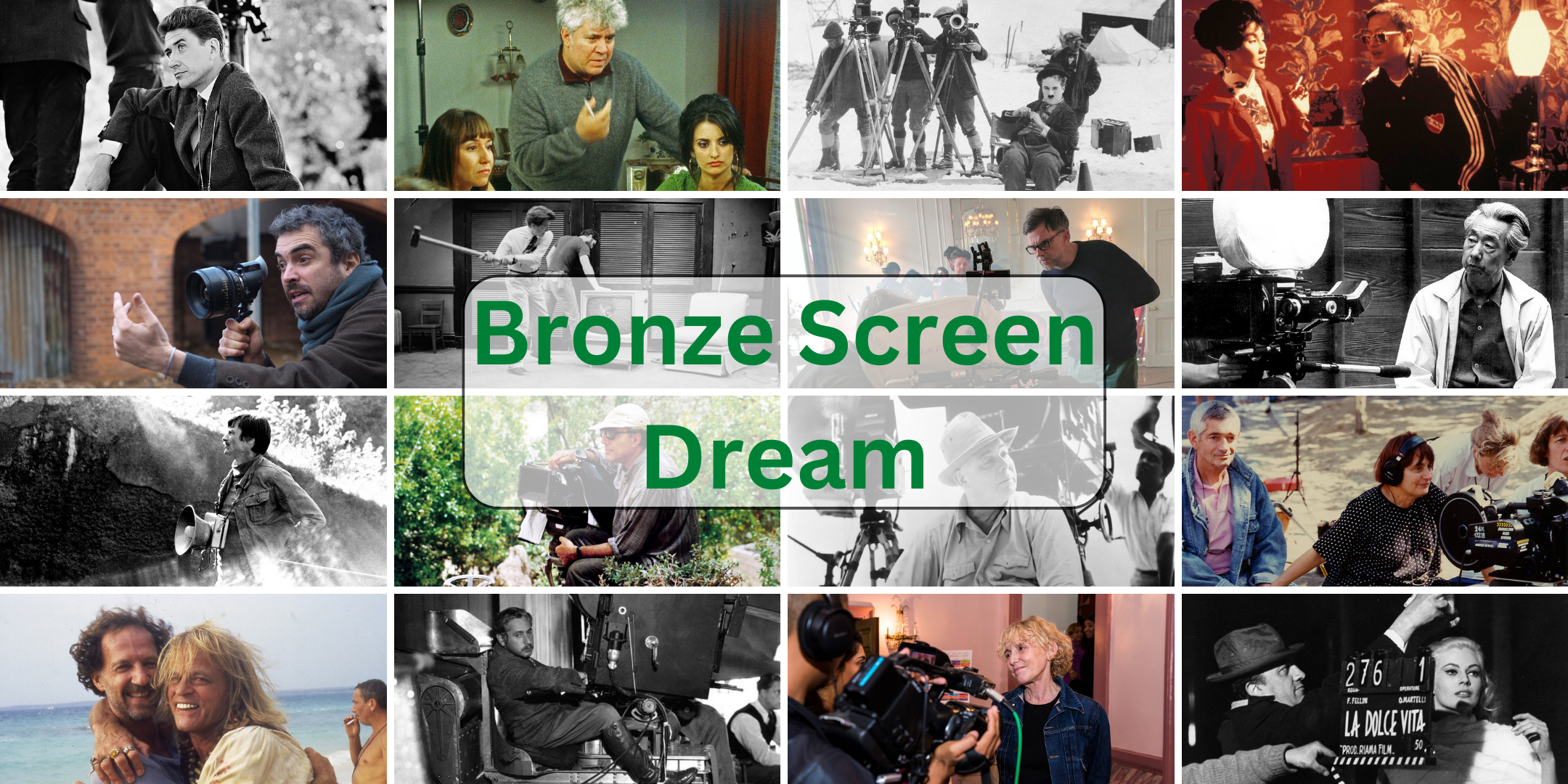
Below are some of the best Austrian directors ever. Click on their pictures to discover more about them.

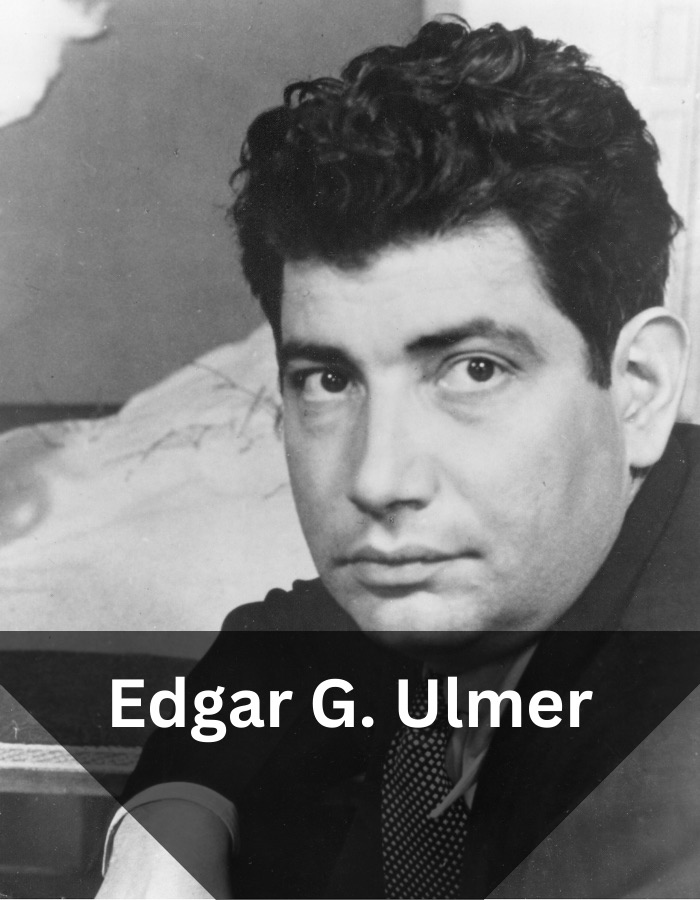

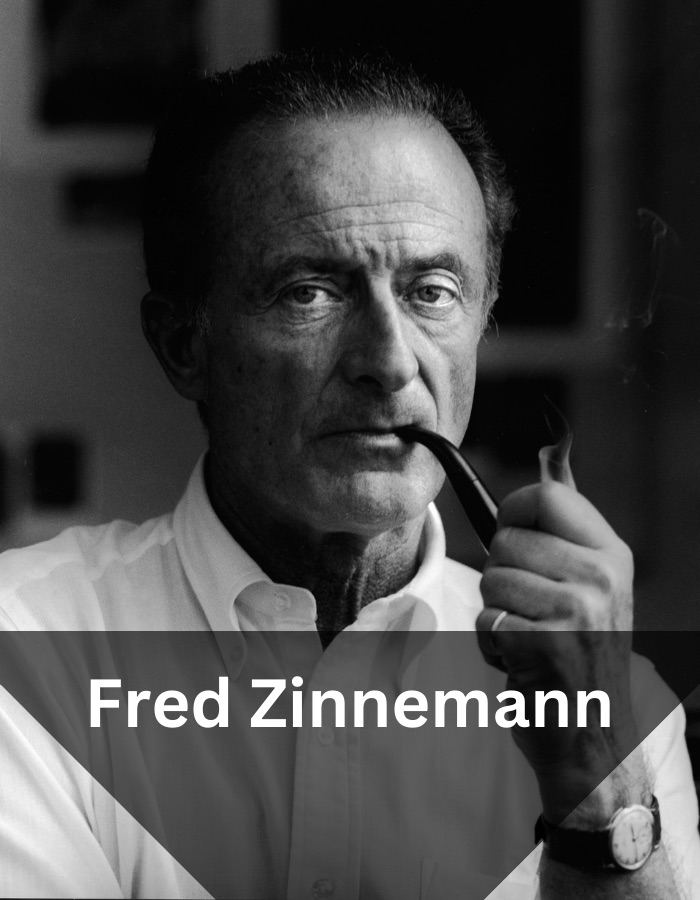


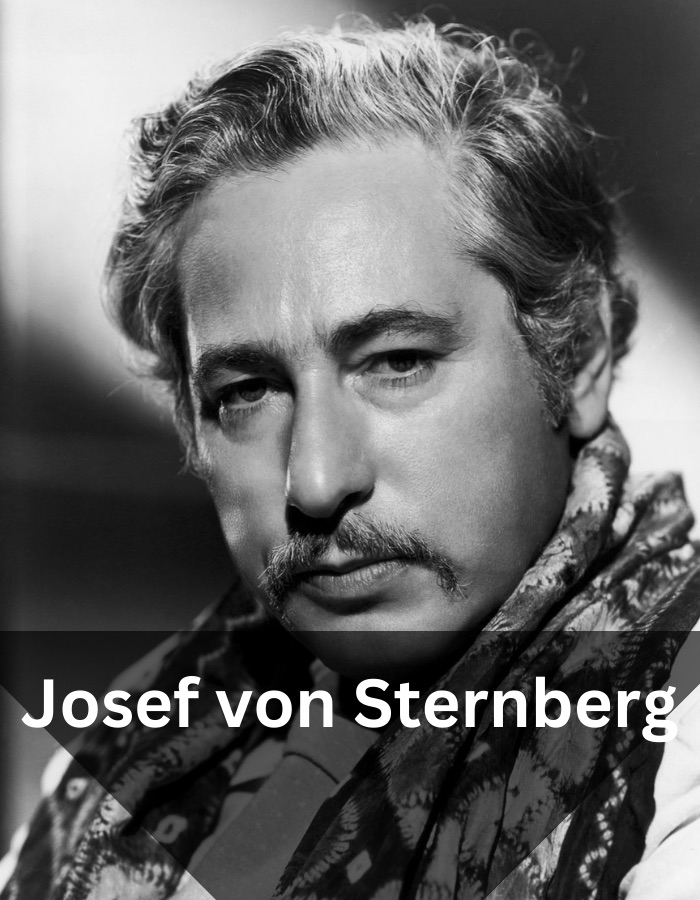


A Brief History of Austrian Cinema
The first Austrian film, a comedy called “Der Müller und sein Kind” directed by Ferdinand Bloch-Bauer, was released in 1908. In the silent era, Austria became known for its historical and costume dramas, with directors like Luise Kolm and Jacob Fleck making significant contributions. The 1920s and 30s saw Austria, particularly Vienna, emerging as a substantial film hub in Europe, rivalling the industries in Germany and France. This era was marked by the works of directors like Willi Forst and Walter Reisch, who brought sophistication and a distinct style to Austrian cinema.
The period following World War II was a time of rebuilding for Austrian cinema. The 1950s and 60s witnessed a resurgence, with a focus on popular genres like Heimatfilme (regional homeland films) and Musikfilme (music films), reflecting a yearning for stability and nostalgia in the post-war era. During this time, notable directors like Franz Antel and Ernst Marischka contributed significantly to the Austrian film landscape, often blending entertainment with subtle social and political commentary. However, this period also saw Austrian cinema struggling to find a distinct identity, often overshadowed by the larger German film industry.
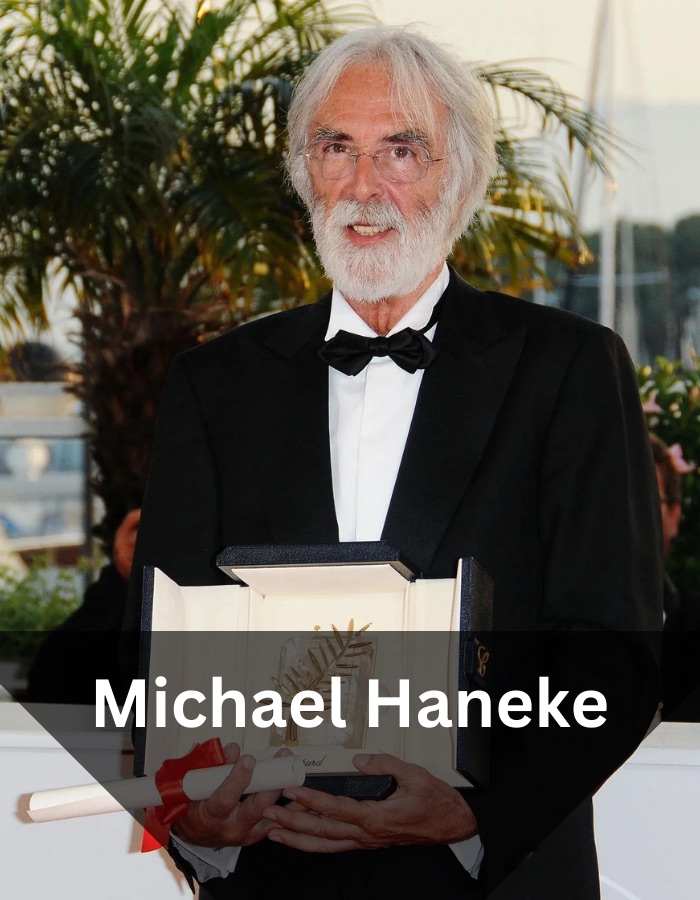
In the latter part of the 20th century, Austrian cinema began to gain international recognition, particularly in arthouse and avant-garde filmmaking. Peter Kubelka, a prominent figure in this movement, is renowned for his structural films like “Arnulf Rainer” and “Unsere Afrikareise”, which broke traditional narrative structures and explored the materiality of the film medium. This period also saw the rise of other experimental filmmakers like Valie Export and Kurt Kren, who challenged conventional cinematic forms and themes. Moving into the 21st century, Austrian cinema has continued to evolve, with directors like Michael Haneke and Ulrich Seidl gaining international acclaim for their thought-provoking and often controversial works, gaining Austria a distinctive identity even compared to their neighbours.
 Bronze Screen Dream