

Basil Dearden, an English film director, is celebrated for his significant contributions to mid-20th century British cinema. He began his directorial journey at Ealing Studios, co-directing comedies with Will Hay, such as Black Sheep of Whitehall and The Goose Steps Out. Dearden’s first solo directorial effort was The Bells Go Down, followed by a diverse array of films, including The Halfway House, Dead of Night, and The Captive Heart. One of his most notable Ealing films, The Blue Lamp, introduced the character PC George Dixon, who became a fixture in British television. Dearden’s early career was marked by successful collaborations with producer Michael Relph, leading to significant hits and festival entries.
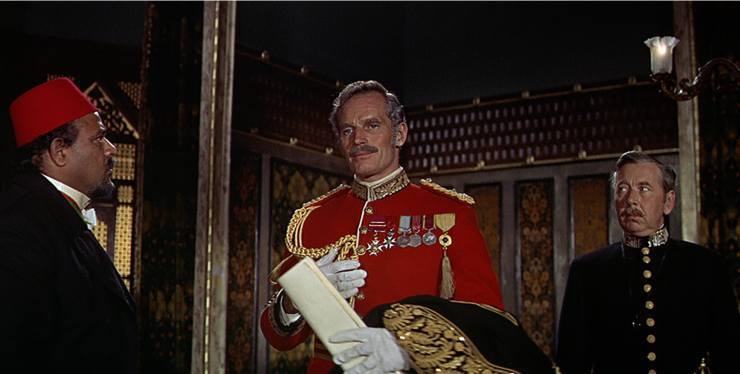
In the late 1950s, Dearden’s career took a turn towards addressing social issues, a path not commonly pursued in British cinema at the time. Along with Relph, he made a series of films, beginning with Sapphire, a thriller about race relations. This phase of his career included works like The League of Gentlemen, a cynical comedy, and Victim, a groundbreaking thriller about homosexuality. These films reflected Dearden’s evolving style and thematic focus, showcasing his willingness to explore contentious subjects. His later works included Woman of Straw and Masquerade, and he was also responsible for directing Khartoum, a significant historical epic. His final film was The Man Who Haunted Himself, which he wrote and directed.
Dearden’s directorial style is characterised by its intelligence and capability, as well as a willingness to tackle controversial and challenging subjects. His work with Relph after the 1940s highlighted this aspect, dealing with themes like race relations in Sapphire and the plight of homosexuals in Victim. He was not just confined to serious themes, as he also demonstrated a skill for handling big action scenes, as seen in Khartoum, and an affinity for comedy, evident in The Smallest Show on Earth.
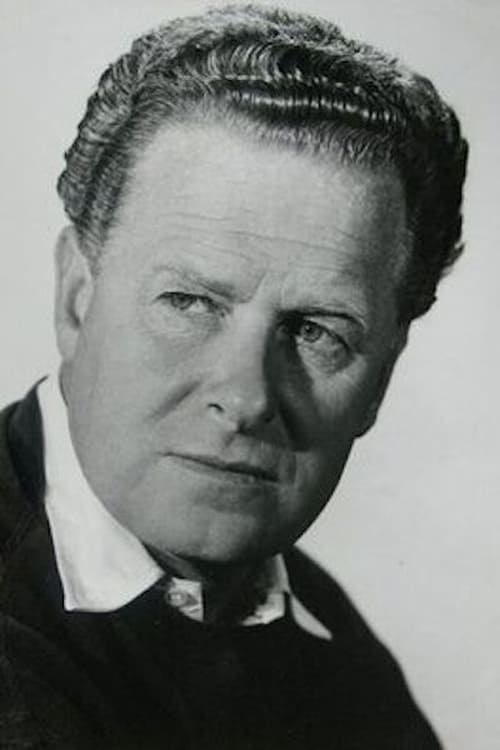
Basil Dearden (1911 – 1971)
Calculated Films:
- Dead of Night (1945)
- Victim (1961)
Similar Filmmakers
- Anthony Asquith
- Bryan Forbes
- Carol Reed
- David Lean
- Guy Green
- J. Lee Thompson
- Jack Clayton
- John and Roy Boulting
- John Schlesinger
- Karel Reisz
- Ken Loach
- Lewis Gilbert
- Lindsay Anderson
- Michael Powell & Emeric Pressburger
- Robert Hamer
- Roy Ward Baker
- Thorold Dickinson
- Tony Richardson
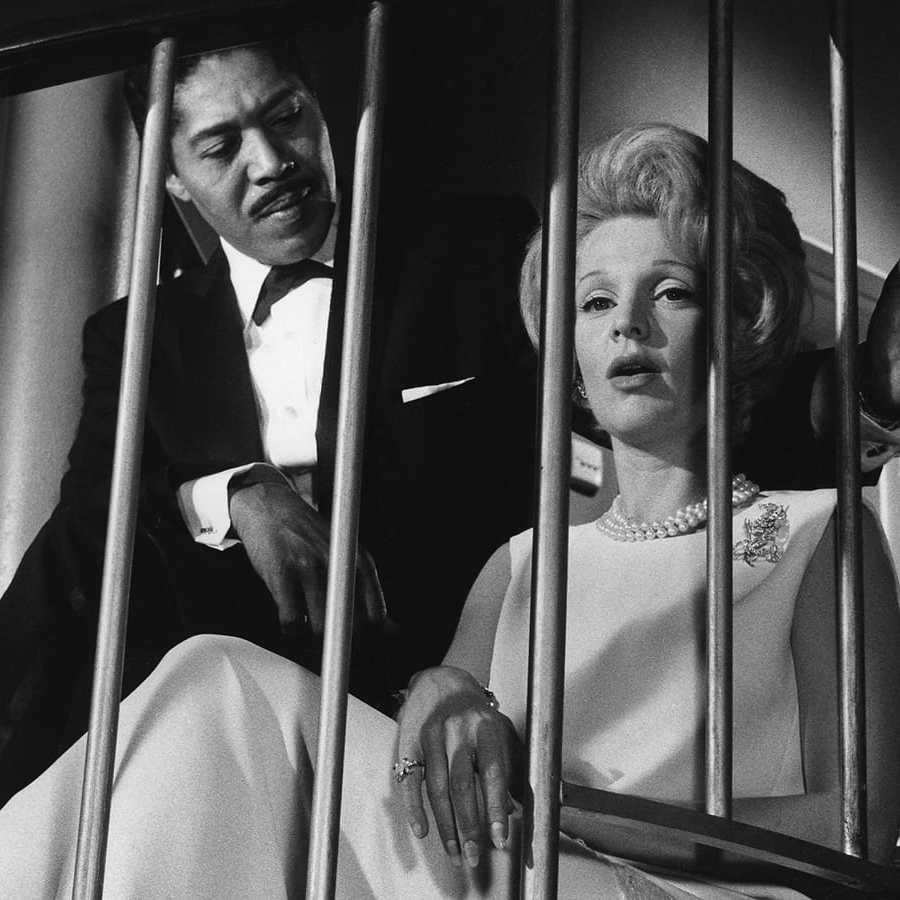

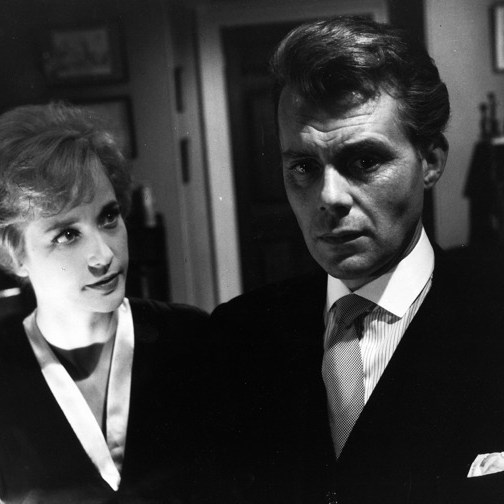
Basil Dearden‘s Top 5 Films Ranked
1. Victim (1961)
Genre: Drama

2. Dead of Night (1945)
Genre: Anthology Film, Psychological Horror

3. The League of Gentlemen (1960)
Genre: Heist Film, Comedy

4. Khartoum (1966)
Genre: Period Drama, War, Adventure

5. Sapphire (1959)
Genre: Whodunnit
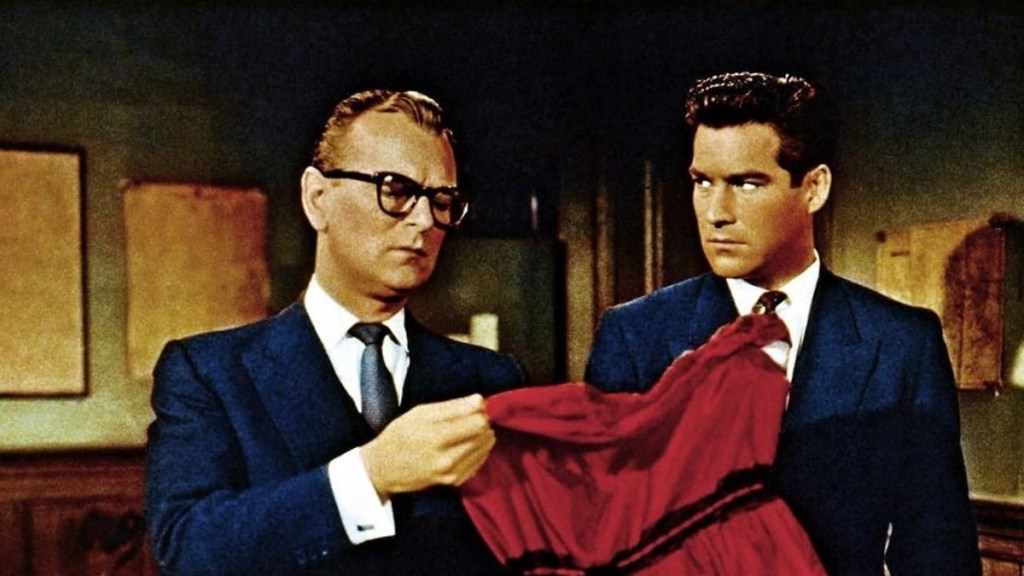
Basil Dearden: Themes and Style
Themes:
- Social Issues and Progressivism: Dearden frequently addressed social issues of his time. In Victim, he tackled the then-taboo subject of homosexuality, contributing to public discourse and eventual legal reform in the UK.
- Racial and Ethnic Tensions: He explored themes of racial and ethnic tensions in films like Sapphire, highlighting issues of racism and prejudice in a changing British society.
- Crime and Morality: Dearden often delved into crime, morality, and the complexities of justice. His film The League of Gentlemen combines crime with a critique of post-war British society.
- Psychological Depth: Psychological analysis of characters is a common theme. In The Mind Benders, he explores the effects of sensory deprivation, reflecting a deeper interest in the human psyche.
- Post-War British Society: Many of Dearden’s films reflect the changing face of post-WWII British society, dealing with issues such as class, social change, and the breakdown of traditional norms.
Styles:
- Realism: Dearden’s style is marked by a strong sense of realism. He often shot on location, as seen in Sapphire, to authentically capture the environment and social context.
- Ensemble Casts: He frequently used ensemble casts, allowing for a multi-faceted exploration of themes. This approach is evident in The League of Gentlemen, where a diverse group of characters enriches the narrative.
- Narrative Structure: Dearden often employed complex narrative structures, intertwining multiple storylines to provide a comprehensive view of the themes he addressed, as in Victim, where intersecting lives illuminate the central issue.
- Taut Direction: His films are known for their taut direction and efficient storytelling, maintaining a brisk pace and engaging narrative flow.
- Visual Storytelling: Dearden’s use of visual elements to advance the narrative is notable. He utilised cinematography and production design to reinforce themes and character development.
Directorial Signature:
- Social Conscience: Dearden’s films are distinguished by their social conscience. He used cinema as a tool to explore and comment on contemporary social issues, often pushing the boundaries of what was acceptable in British cinema at the time.
- Balanced Approach: Despite tackling controversial subjects, Dearden’s approach was often balanced, seeking to present multiple perspectives within his narratives, as seen in Sapphire.
- Collaboration with Michael Relph: A significant aspect of his signature style was his long-standing collaboration with producer and writer Michael Relph. This partnership was key to the development of many of his socially conscious films.
- Evolution Over Career: Dearden’s style evolved from more conventional post-war British cinema to increasingly complex and socially aware films, reflecting his growing confidence in addressing challenging topics.
- Subtlety in Social Commentary: While deeply engaged with social issues, Dearden often wove his commentary into the fabric of his stories subtly, allowing the audience to engage with the narrative on multiple levels.
Basil Dearden – Great Director



 Bronze Screen Dream