
Allan Dwan was a Canadian-American film director best known for his remarkably prolific career that spanned over four decades in Hollywood. He directed over 400 films, transitioning from the silent era into the age of sound, making him one of the most enduring figures in cinema history. His filmography, rich in genre diversity, includes notable works with major stars like Douglas Fairbanks in the adventure-filled Robin Hood and Gloria Swanson in the drama Stage Struck. Known for pioneering innovative techniques, Dwan played a crucial role in the evolution of cinematic language, introducing the dolly shot. This innovation significantly changed the dynamics of film visual expression.
Dwan’s filmography encompasses various genres, including westerns, romantic comedies, and war films. Each genre under his direction was given a unique touch, demonstrating his vast creative palette. For instance, a film like The Iron Mask showcases his flair for grandiose adventure epics, while Sands of Iwo Jima depicts his adept handling of war narratives. His work was also characterised by its efficient filmmaking, often completing films ahead of schedule and under budget. This characteristic made him a cherished asset for major studios like Paramount, 20th Century Fox, and Republic Pictures.
Despite never getting the acclaim of his contemporaries, Dwan remains a curious character of early Hollywood. His ability to work across various levels of production scale, from shoestring budgets to lavish productions, without compromising the narrative integrity or entertainment value, speaks volumes about his versatility and commitment to the craft. He was a director’s director, often praised by his peers for his ingenuity and problem-solving skills on set.
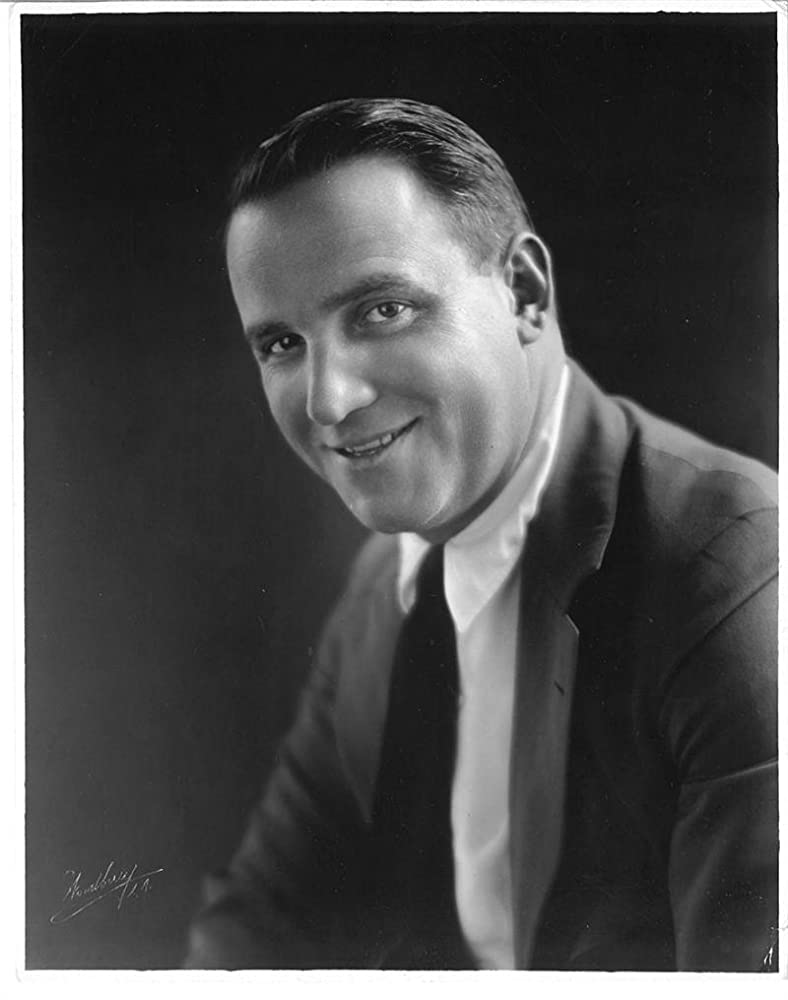
Allan Dwan (1885 – 1981)
Calculated Films:
- The Good-Bad Man (1916)
- Robin Hood (1922)
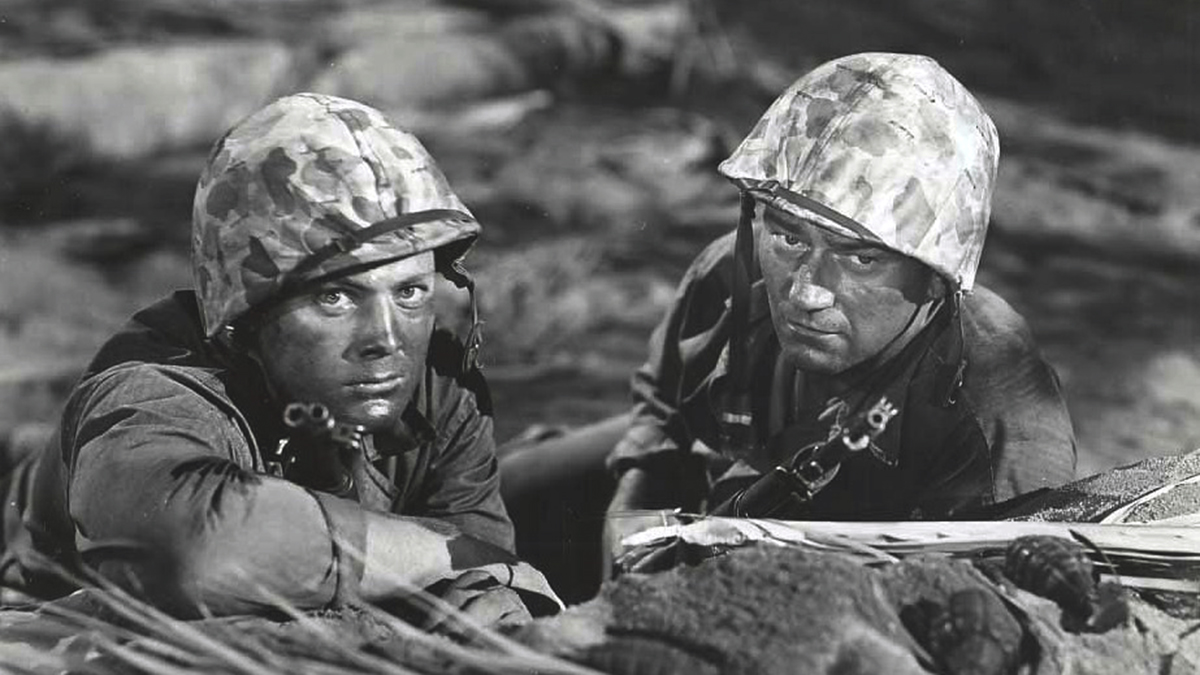
- Sands of Iwo Jima (1949)
Similar Filmmakers
- Andre de Toth
- Byron Haskin
- Cecil B. DeMille
- Edgar G. Ulmer
- Edward Ludwig
- Fred Niblo
- Henry King
- Howard Hawks
- John Ford
- Joseph Kane
- Joseph H. Lewis
- King Vidor
- Michael Curtiz
- Raoul Walsh
- Roy William Neill
- William A. Wellman
- William Cameron Menzies
- William K. Howard

Allan Dwan’s Top 5 Films Ranked
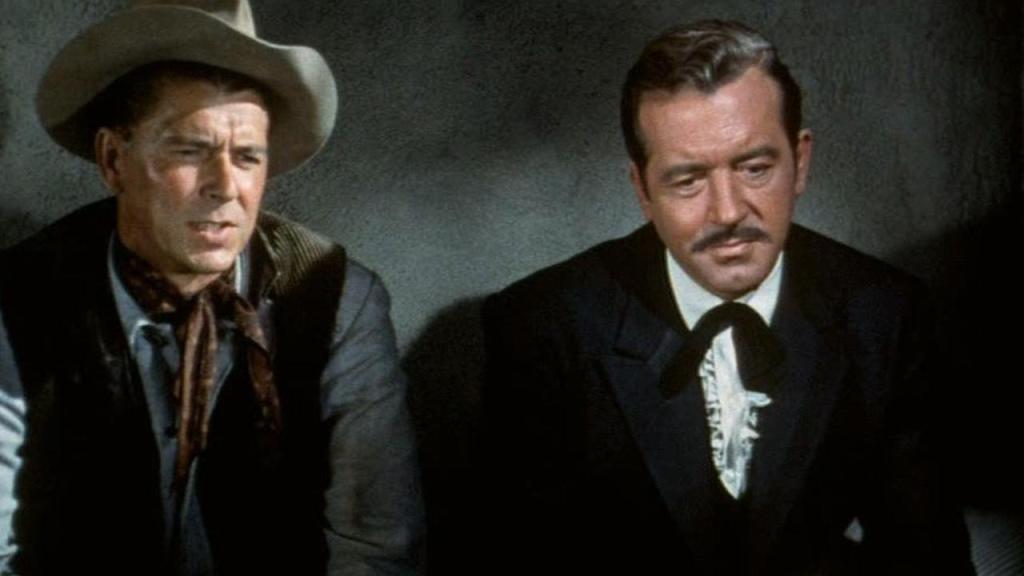
1. Silver Lode (1954)
Genre: Western
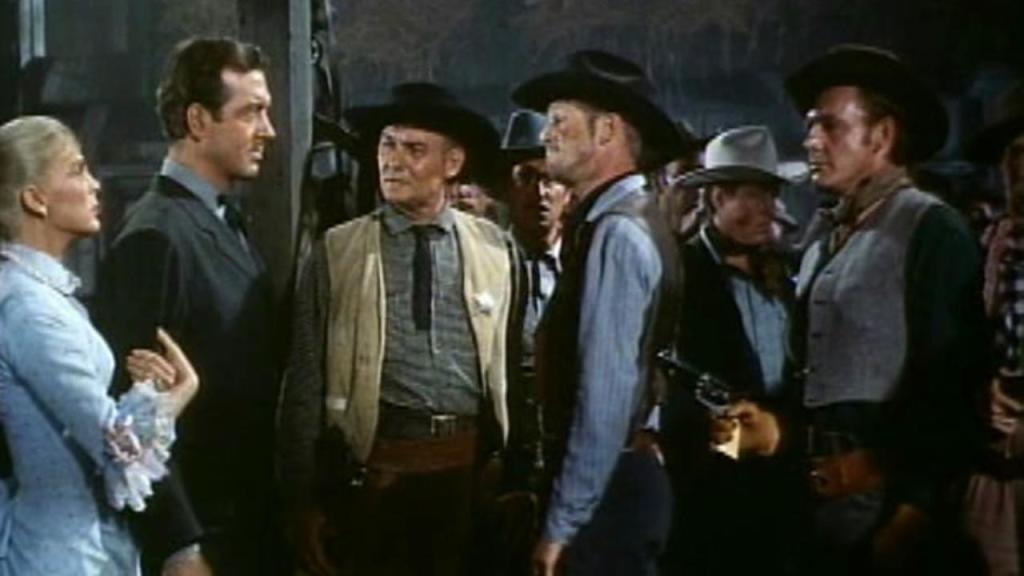
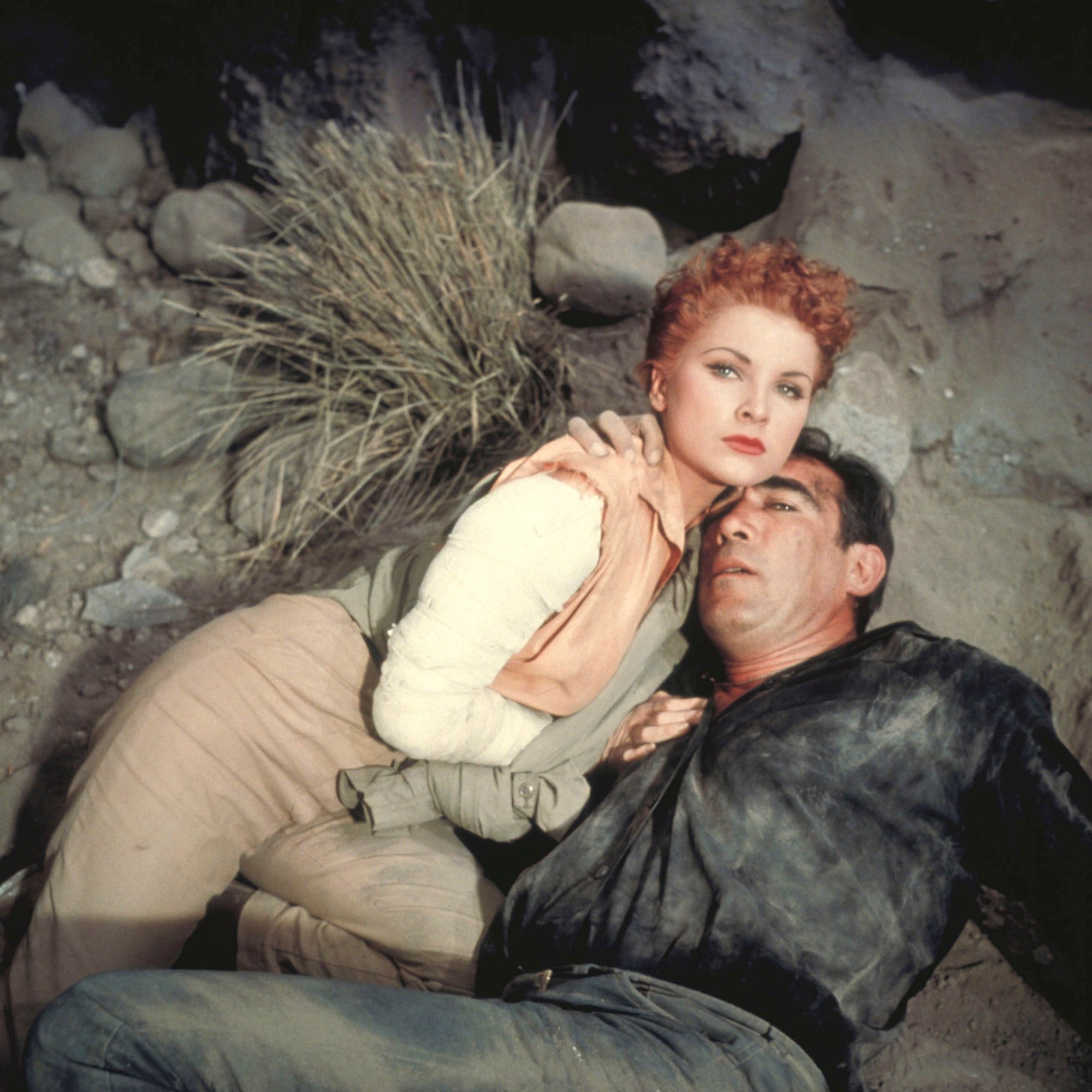
2. The River’s Edge (1957)
Genre: Adventure, Neo-Western, Crime
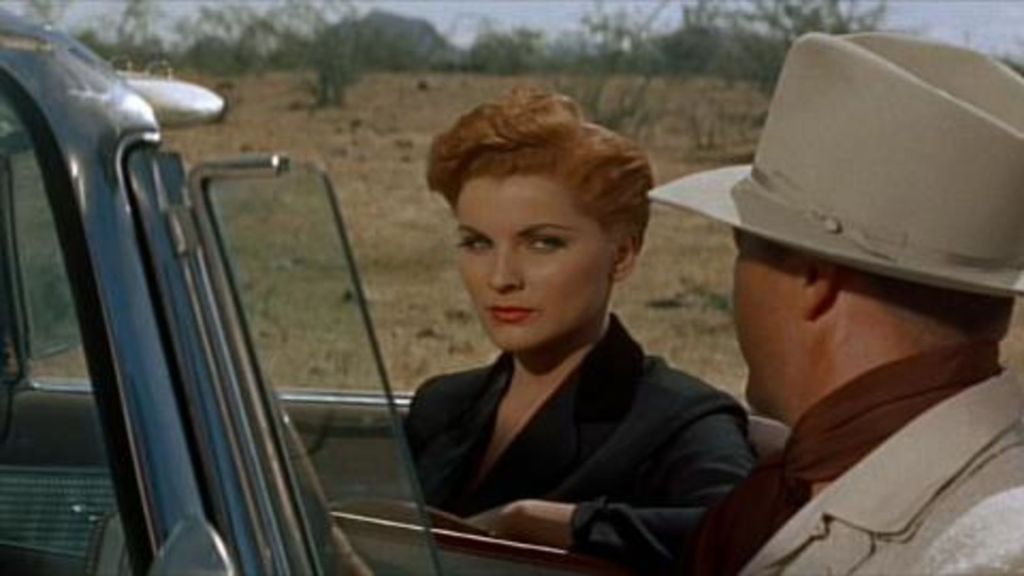
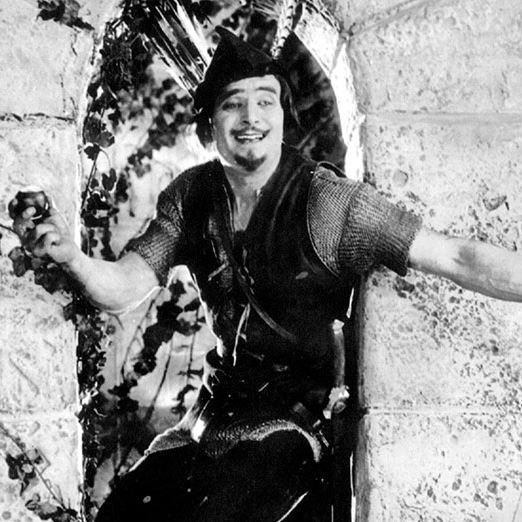
3. Robin Hood (1922)
Genre: Swashbuckler, Medieval
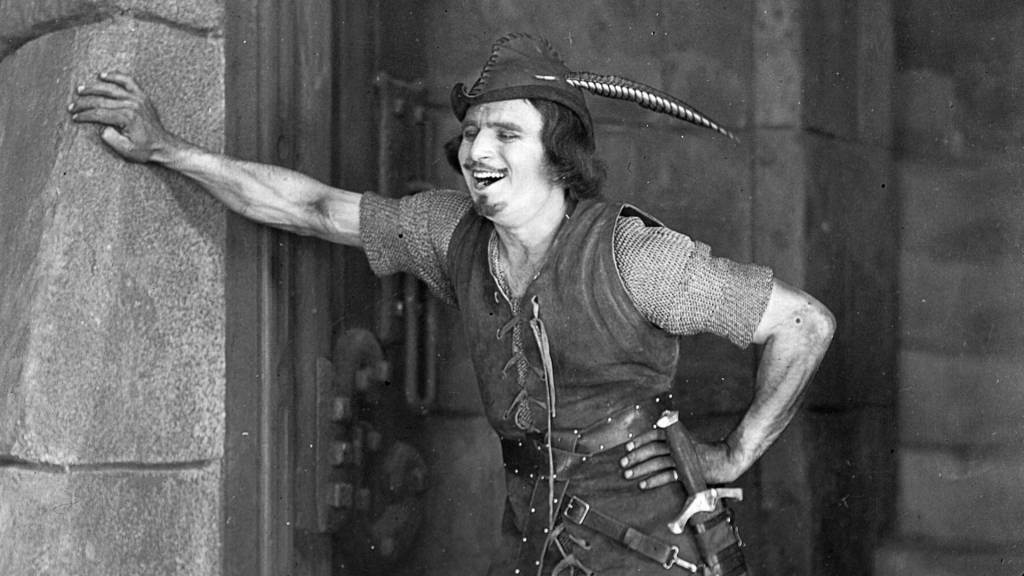
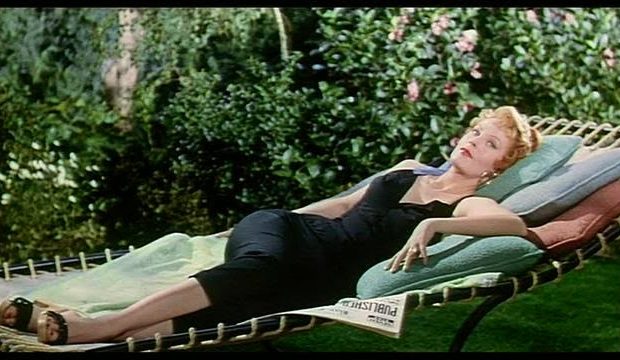
4. Slightly Scarlet (1956)
Genre: Film Noir
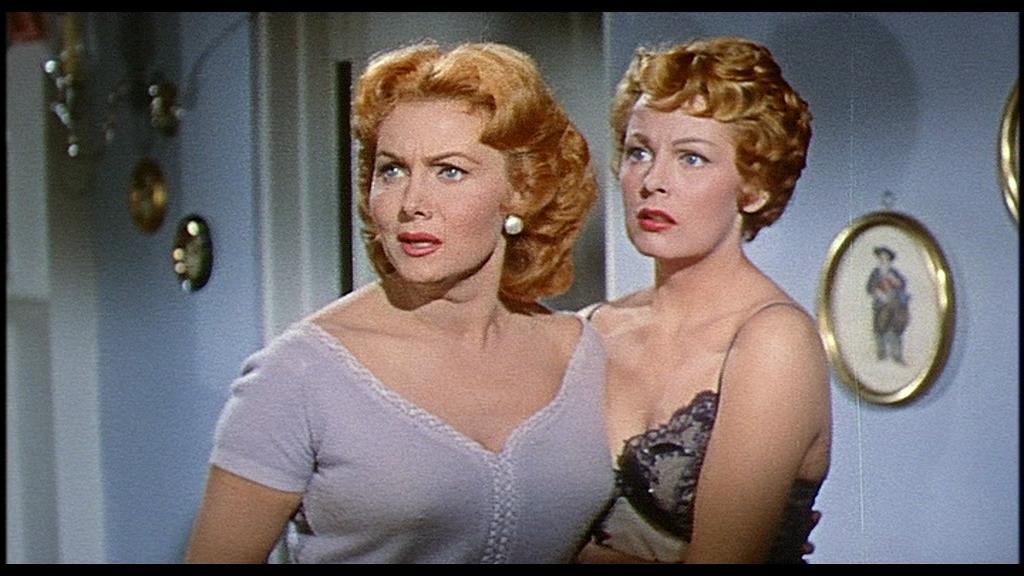
5. Tennessee’s Partner (1955)
Genre: Western, Buddy
Allan Dwan: Themes and Style
Themes:
- Frontier and Western Life: Many of Dwan’s films, like Tennessee’s Partner and Cattle Queen of Montana, explore the rugged life on the frontier and the dynamics of the American West.
- Individualism: Dwan often depicted strong, independent characters who carved their paths in life, emphasising the importance of personal freedom and self-reliance.
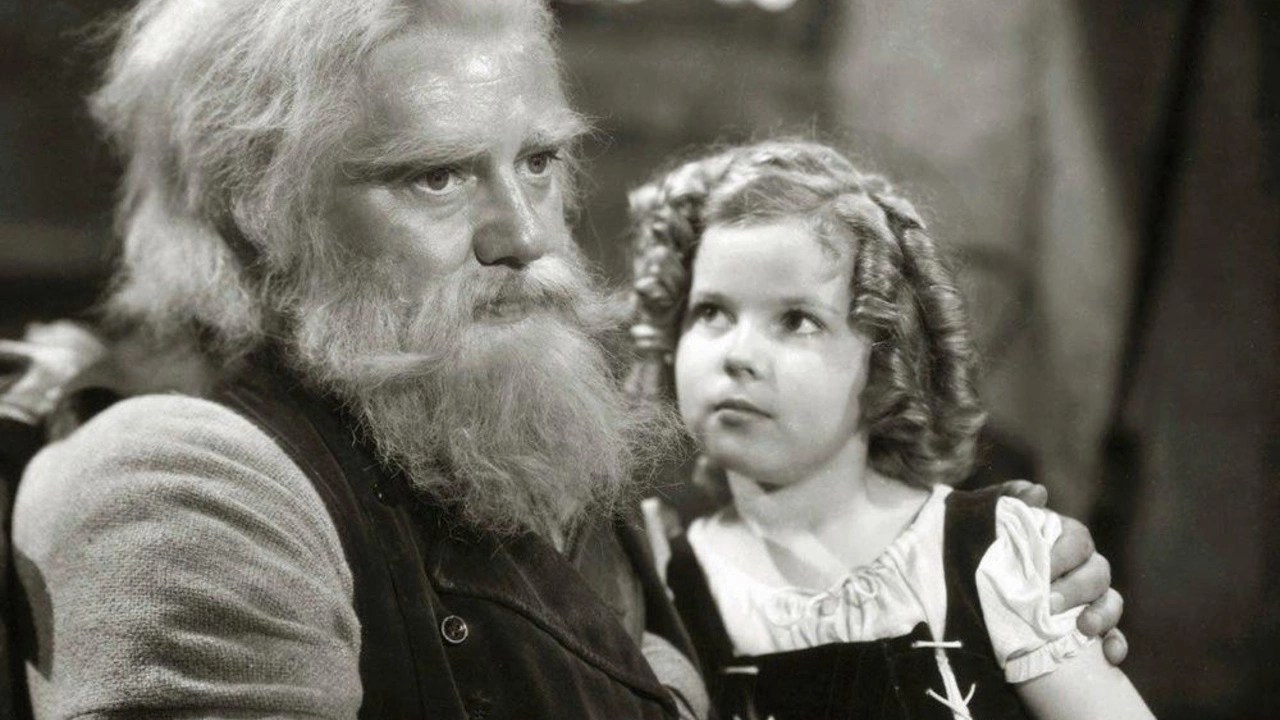
- Romance and Adventure: With films like Heidi and Rebecca of Sunnybrook Farm, he illustrated the themes of love, adventure, and the pursuit of happiness, often through the eyes of young, vivacious protagonists.
- War and Heroism: Several of his films, including The Sands of Iwo Jima, examine the themes of war, valour, and sacrifice, presenting a patriotic perspective on the American military experience.
Styles:
- Versatility: Dwan was known for his ability to adeptly handle various genres, from westerns and war films to comedies and dramas, showcasing a dynamic narrative range.
- Visual Storytelling: Having begun his career in the silent film era, Dwan was a master of visual expression, using innovative shots, lighting, and framing to convey emotion and narrative without relying heavily on dialogue.
- Economic Filmmaking: Dwan was known for efficient filmmaking practices, often completing films under budget without sacrificing quality. His films are characterised by tight editing and concise storytelling, reflecting a no-nonsense approach to cinema.
- Actors’ Director: He had a reputation for nurturing and directing actors in a way that allowed them to give some of their best performances. Dwan was known for creating an environment where actors felt comfortable exploring and delivering their roles with depth and authenticity.
Directorial Signature:
- Visual Innovation: Even in the constrained technical environment of his time, Dwan made significant use of deep-focus photography and pioneered the use of the dolly shot, enhancing the visual storytelling aspect of his films.
- Narrative Pacing: His films are noted for their brisk pacing and narrative efficiency. Dwan was able to convey complex stories straightforwardly, making his films accessible and engaging for audiences.
- Character Development: Despite working in an era when characters in films were often one-dimensional, Dwan’s characters are layered and complex, with motivations and backstories that make them relatable and human.
- Adaptation Mastery: Many of Dwan’s films were adaptations of popular novels and plays of the time. He had a unique ability to translate these written works into the visual medium.
Allan Dwan – Great Director

 Bronze Screen Dream