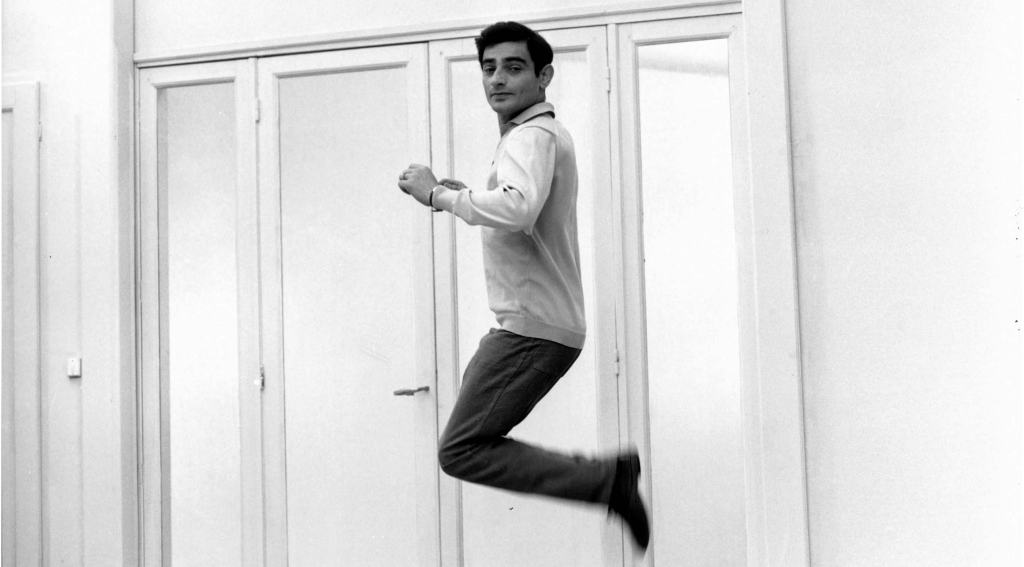
Alain Jessua learned to direct by watching three very different masters at work. He served as assistant director on Jacques Becker’sCasque d’or, Max Ophüls’s Madame de… and Lola Montès and Marcel Carné’s Terrain vague. But his first film, Léon la lune (1956), immediatly shrugged off this classical style, winning the Prix Jean Vigo with a more unflinching, original and unclassifiable sensibility.
That sensibility crystallised with his first two features. First was La Vie à l’envers (1964) about a seemingly well-adjusted man who withdraws into himself and finds a strange contentment there, while the world around him insists he must be insane. Then came Jeu de massacre (1967) about a wealthy, unstable young man becomes so absorbed in a comic strip he’s commissioned that he starts living out its plots for real, anticipating, with real prescience, a world where the line between manufactured fantasy and lived experience simply stops holding. Both films share the same nervous theme: ordinary perception as something fragile, easily bent out of shape.
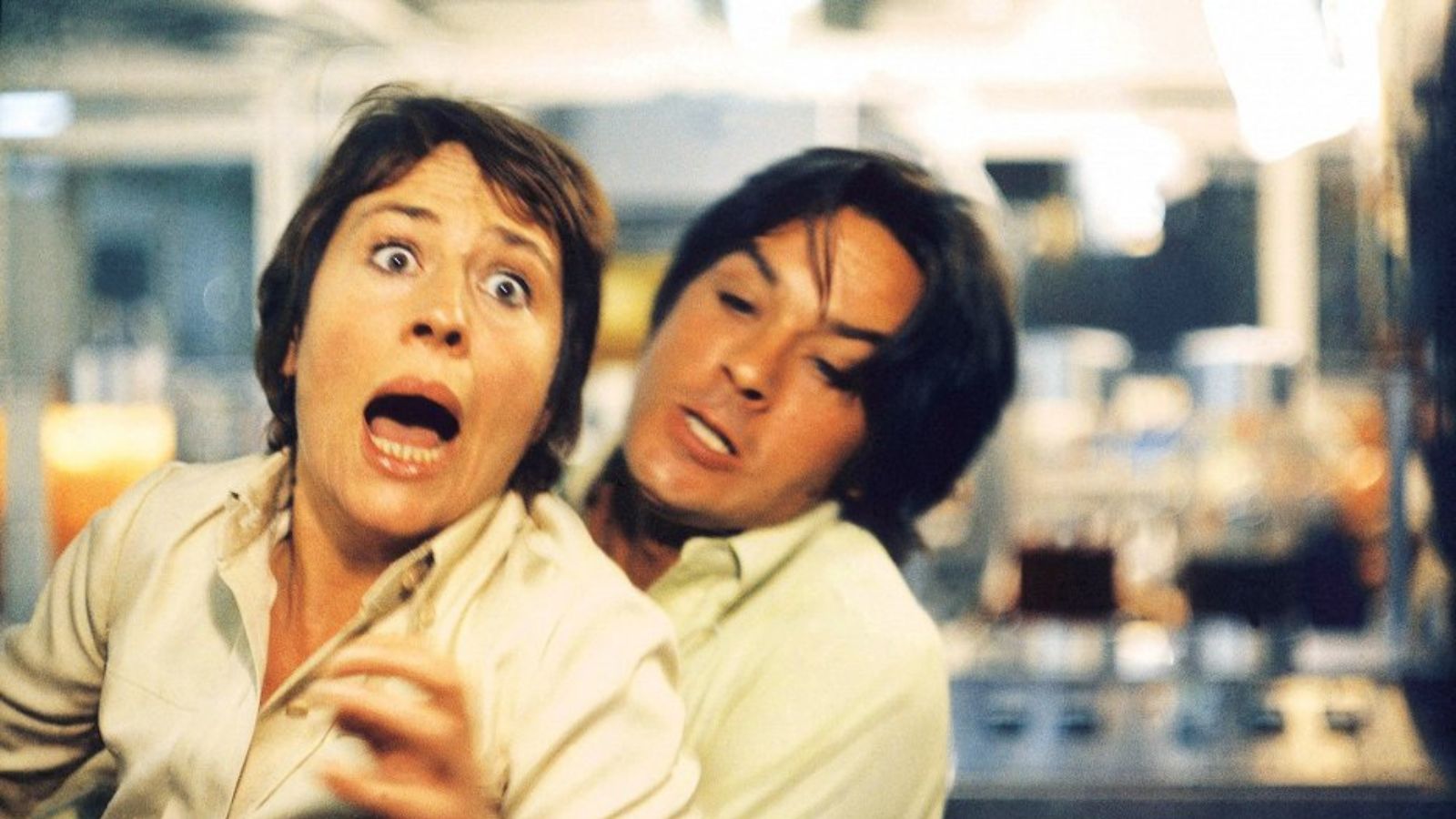
He kept worrying at that same anxiety from new angles for the rest of his career, usually with a genre hook to sell the idea. Traitement de choc (1973) recast the vampire film as a parable about the rich preying on the poor, with Alain Delon’s seemingly miraculous youth doctor harvesting his cure from desperate immigrant labourers. Frankenstein 90 (1984) reworked Mary Shelley through the lens of celebrity and get-famous-quick culture, with rock star Eddy Mitchell playing the creature. Jessua’s recurring preoccupations feel more relevant now than then: cultural manipulation, anxiety about immigration, the exploitation of the poor by the powerful, and the emptiness of fame.
He was also unusually independent for a director of his generation: he produced every one of his ten features himself, through his own company, A.J. Films, which gave him freedom from studio interference that few of his contemporaries had. It came at a cost. He had long gaps between projects, his reputation never quite matched his originality, audiences eventually stopped finding him.
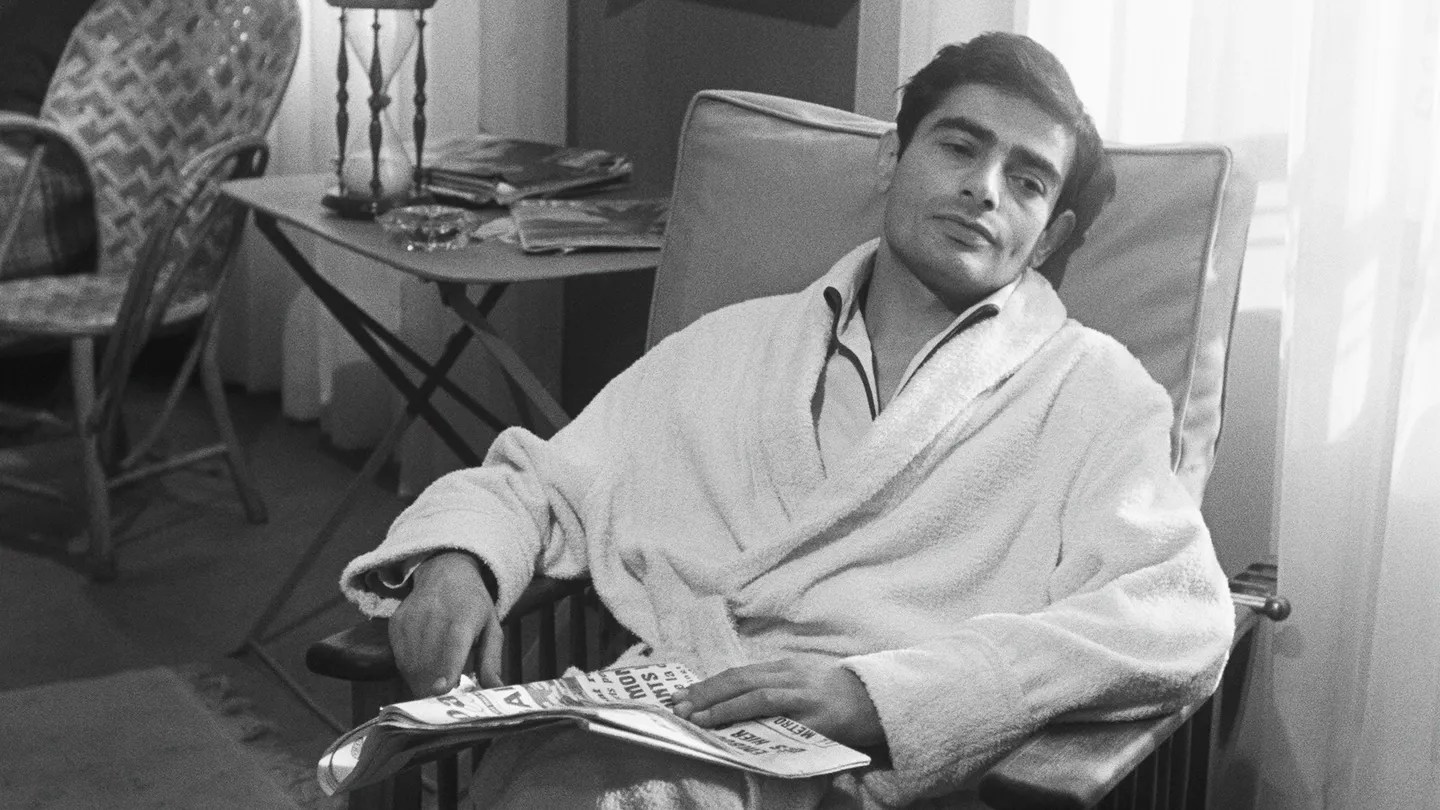
Alain Jessua (1932 – 2017)
- 1956 – Léon la lune
- 1964 – La vie à l’envers
- 1967 – Jeu de massacre
- 1973 – Traitement de choc
- 1977 – Armaguedon
- 1979 – Les Chiens
- 1982 – Paradis pour tous
- 1984 – Frankenstein 90
- 1988 – En toute innocence
- 1997 – Les couleurs du diable
- Withdrawal as Method, Not Breakdown: Jessua’s characters tend to leave the world on purpose. La Vie à l’envers follows a successful estate agent who sheds his job, his fiancée, and finally his furniture, settling into an empty white room with what looks like real contentment. The film treats this less as collapse than as a decision, arrived at by entirely sound reasoning, and leaves the audience genuinely unsure whether the institution that eventually claims him is rescuing him or simply intolerant of the sane.
- Comfort Bought at Someone Else’s Cost: Jessua’s middle and upper classes get their ease from somewhere, and his films keep showing where. Traitement de choc sends a businesswoman to a Brittany rejuvenation clinic that turns out to be running on the bodies of its Portuguese migrant staff, youth, quite literally, harvested from people with no other options. Les Chiens does the same trick with security rather than beauty: a sterile new town arms itself against immigrants and delinquents until the dog owners are more frightening than anything they claim to fear.
- Horror in Full Daylight: Jessua has no interest in shadows. Clinics, model suburbs, white-walled apartments. His settings are bright, modern, and clean, shot in flat high-key light that leaves nowhere for gothic atmosphere to hide. That’s the point: when the violence finally surfaces, it does so in rooms that still look hygienic and well-run, which is a more unsettling effect than any darkened corridor could manage.
- Small, Singular What-Ifs: Jessua’s version of science fiction skips the spaceships. He drops one unsettling idea into a recognisable French town. He watches what grows around it. Paradis pour tous imagines “flashage,” a treatment that cures depression by removing negative emotion altogether, and lets the resulting blank, untroubled cheerfulness curdle into something closer to sociopathy than wellness. The premises read, decades later, like accurate forecasts of over-medication and manufactured contentment, arrived at sideways through fiction rather than argument.
- Stars Cast Against Type: Jessua liked putting famous faces somewhere the audience wasn’t ready for them. Alain Delon’s clinic doctor in Traitement de choc is brilliant, charming, and quietly monstrous; Gérard Depardieu’s dog trainer in Les Chiens talks the town into arming itself by playing on its fear of crime and immigrants. Both performances spend the audience’s existing trust in the actor, using it to soften the audience into the film’s discomfort before they realise it’s happening.
- Andre Delvaux
- Christian de Chalonge
- Claude Chabrol
- David Cronenberg
- Elio Petri
- Georges Franju
- Marco Ferreri
- Roman Polanski
- Yorgos Lanthimos
- Yves Boisset
Biography
Coming soon

