

Aki Kaurismäki is a prominent Finnish film director acclaimed for his distinctive style and thematic depth. A prolific figure in international cinema, Kaurismäki’s work is characterised by its blend of minimalist aesthetics, dry humour, and a deep sympathy for the struggles of the working class. Films like The Man Without a Past and Le Havre encapsulate his unique cinematic vision and have cemented his reputation as one of the leading figures in European cinema.
Kaurismäki’s journey into filmmaking began with his brother, Mika, with whom he established the production company Villealfa Filmproductions. Despite his degree in media studies, Kaurismäki admits to learning the art of cinema predominantly from watching films, which is perhaps reflected in his distinctive and idiosyncratic style. The recurring motifs of his work include a deep sympathy for society’s underdogs and the working class. This is demonstrated in his film Drifting Clouds, where he explores a couple’s economic hardships during a recession, tackling heavy themes with a light touch and compassionate humour.
Kaurismäki’s films are renowned for their minimalist aesthetic and muted palette, contributing to a distinctive tone that blends melancholy with understated humour. His use of static cameras and long shots allows scenes to unfold with a certain degree of detachment, inviting the audience to observe and empathise rather than instructing them on how to feel. This is particularly evident in films like Lights in the Dusk, whose muted colours and stark compositions underscore the protagonist’s isolation.
Through Kaurismäki’s Lens: The Dignity of the Working Class
What sets Kaurismäki’s work apart is his ability to blend poignant social commentary with dry, often absurd, humour. With this potent mix, he manages to treat serious subjects with a lightness and irreverence that never undermines their gravity. This unique approach, exemplified in The Other Side of Hope, sees him address the European migrant crisis with unexpected warmth and humour, effectively highlighting the humanity at the heart of the issue.
Internationally, Kaurismäki’s influence has been recognised by filmmakers such as American director Jim Jarmusch, who shares a similar minimalist style and affinity for outsider characters. Kaurismäki’s unique blend of social realism and deadpan humour has also found resonance with British filmmaker Ken Loach, known for his socio-political dramas. Additionally, Kaurismäki has played a pivotal role in placing Finnish cinema on the global map.

Aki Kaurismäki (1957 –)
Calculated Films:
- Shadows in Paradise(1986)
- The Match Factory Girl (1990)
- La Vie de Boheme (1992)
- Drifting Clouds (1996)
- The Man Without A Past (2002)
- Le Havre (2011)
Similar Filmmakers
- Bent Hamer
- Elia Suleiman
- Emir Kusturica
- Hal Hartley
- Jean-Pierre Melville
- Jim Jarmusch
- Mika Kaurismaki
- Otar Iosseliani
- Pierre Etaix
- Rainer Werner Fassbinder
- Robert Bresson
- Roy Andersson
- Ruben Ostlund
- Takeshi Kitano
- Veiko Ounpuu
- Wim Wenders
- Yasujiro Ozu
- Yorgos Lanthimos
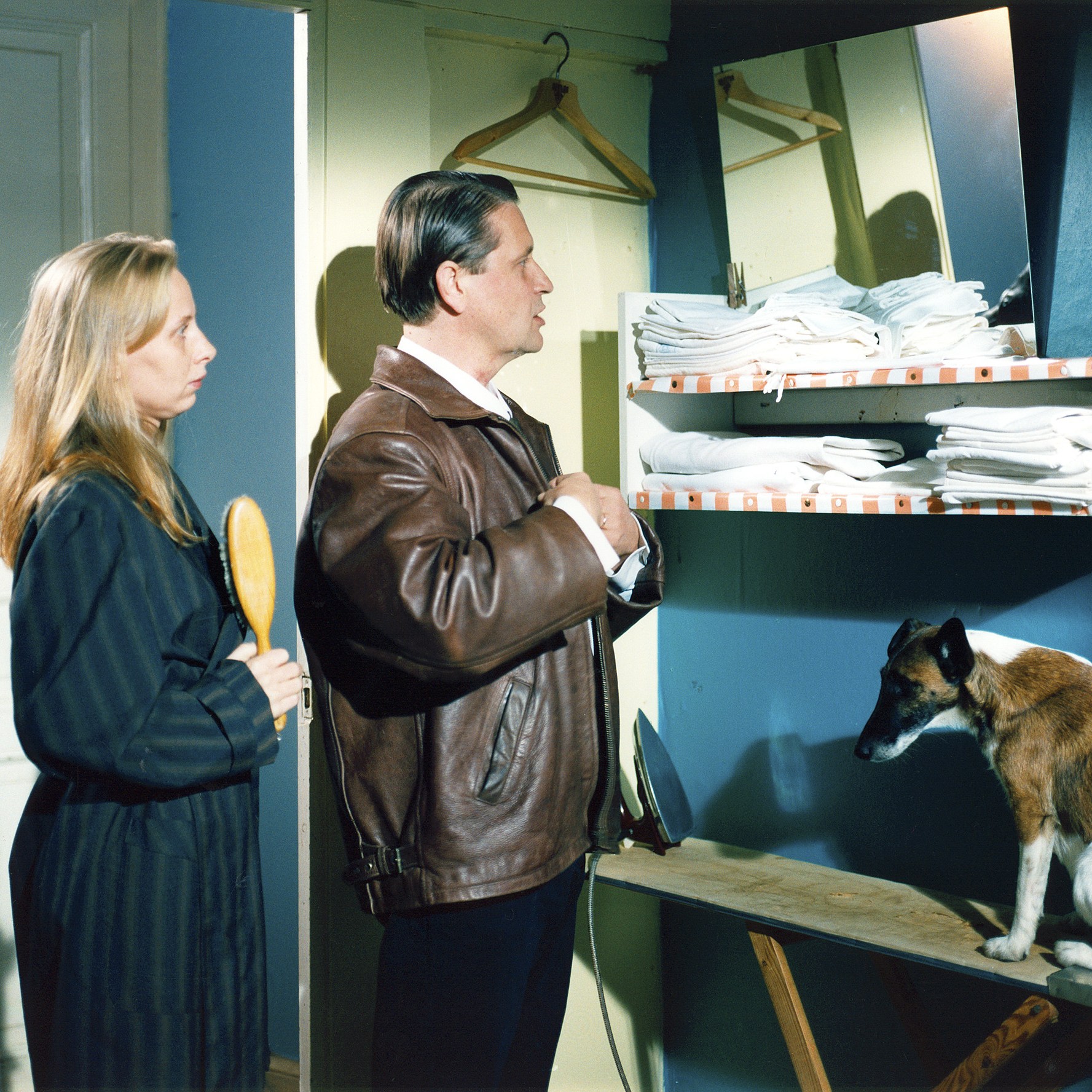


Aki Kaurismäki’s Top 10 Films Ranked
1. The Man Without A Past (2002)
Genre: Comedy, Romance, Drama

2. Drifting Clouds (1996)
Genre: Drama

3. La Vie de Boheme (1992)
Genre: Comedy, Drama, Romance

4. The Match Factory Girl (1990)
Genre: Drama

5. Shadows in Paradise (1986)
Genre: Drama, Romance

6. Ariel (1988)
Genre: Black Comedy, Crime, Drama
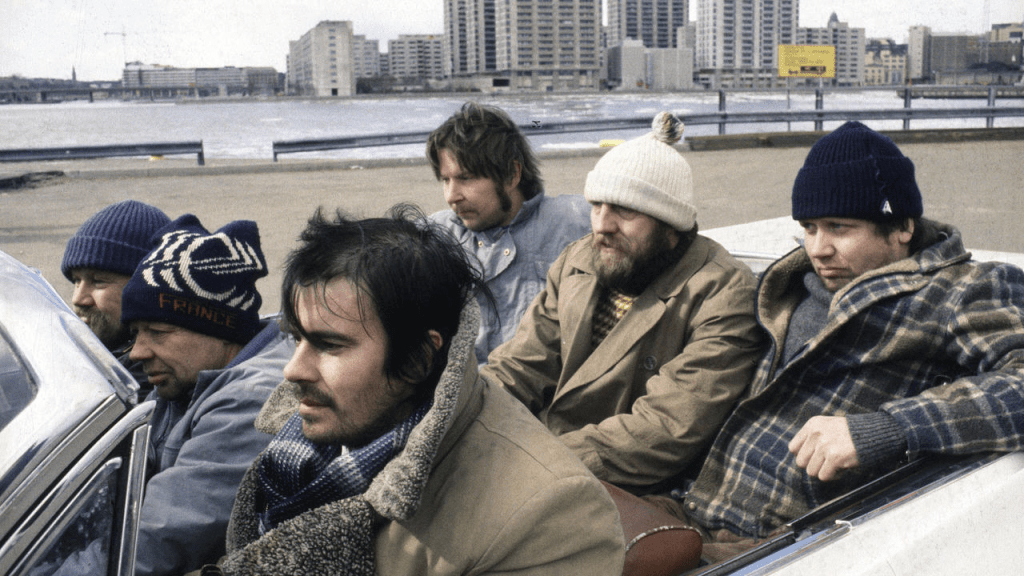
7. I Hired A Contract Killer (1990)
Genre: Black Comedy, Drama, Romance, Neo-Noir

8. The Other Side of Hope (2017)
Genre: Drama

9. Le Havre (2011)
Genre: Drama

10. Take Care Of Your Scarf, Tatjana (1994)
Genre: Comedy, Road Movie

Aki Kaurismäki: Themes and Style
Themes:
- Existential Melancholy: Kaurismäki’s films often dwell on life’s existential melancholy. In The Man Without a Past, the protagonist’s quest for identity after amnesia highlights the human condition’s fragility and resilience.
- Working-Class Life: He regularly portrays the lives of the working class, their struggles, and their simple pleasures. Films like Drifting Clouds and The Other Side of Hope present characters with dignity and a subtle hint of humour amidst adversity.
- Minimalist Love Stories: Love stories in Kaurismäki’s oeuvre, such as in La Vie de Bohème, are told with a minimalist approach, focusing on the understated connections between characters rather than grand romantic gestures.
- Human Compassion and Solidarity: Despite the hardships depicted, his films often showcase human compassion and solidarity. Le Havre illustrates how a community comes together to help a young immigrant.
- Loneliness and Isolation: Characters often grapple with loneliness and isolation, as seen in Lights in the Dusk, where the protagonist is a security guard living a life of quiet desperation.
Styles:
- Deadpan Humor: Kaurismäki is known for his deadpan humour, delivering comedic moments with a straight face, which creates a unique, bittersweet tone evident in The Man Without a Past.
- Stylised Aesthetics: His films exhibit a distinct visual style with carefully composed, static shots and a muted colour palette, creating a timeless feel, such as in La Vie de Bohème.
- Economical Storytelling: Kaurismäki employs a form of economical storytelling, often using minimal dialogue and succinct scenes to convey complex emotions and situations, as showcased in Drifting Clouds.
- Retro and Nostalgic Elements: He frequently incorporates elements of retro and nostalgia in the production design and music choices, giving his films an out-of-time quality, like the jukebox tunes in The Other Side of Hope.
- Tableau Composition: His shots are often composed like tableaus, with actors positioned within meticulously arranged sets, reminiscent of static paintings or photographs, a technique seen in Lights in the Dusk.
Directorial Signature:
- Non-Professional Actors: Kaurismäki often casts non-professional actors, valuing their natural presence on screen, which contributes to the authentic, lived-in feel of films like Le Havre.
- Regular Ensemble Cast: He frequently works with a regular ensemble of actors, creating a familiar troupe that recurs throughout his filmography, adding a layer of continuity and familiarity.
- Music as a Narrative Tool: Music, especially rock and roll and melancholic ballads, plays a crucial role in his storytelling, often reflecting the inner life of his characters or the film’s emotional undercurrent.
- Minimalist Dialogue: His scripts are noted for their minimalist dialogue, where characters often convey more through silence or simple gestures than through words, creating poignant scenes with sparse verbal communication.
- Understated Emotional Depth: Kaurismäki’s direction is characterised by an understated emotional depth, where significant feelings and dramatic events are presented with restraint, inviting viewers to read between the lines and engage empathetically with the characters.
Aki Kaurismäki: The 223rd Greatest Director


 Bronze Screen Dream