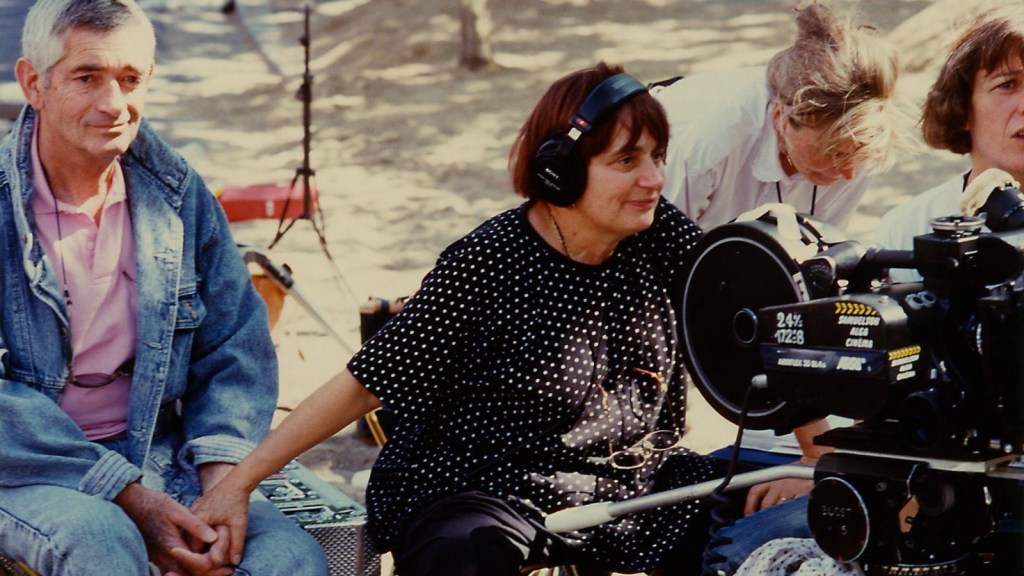
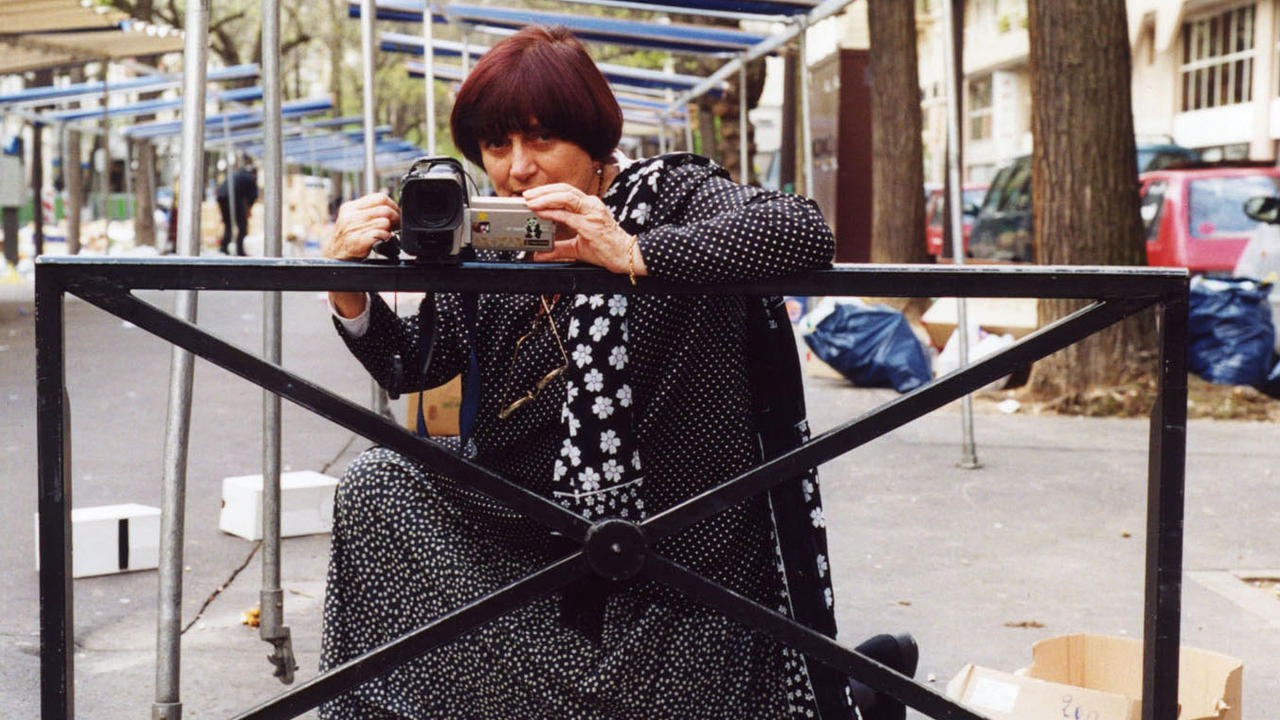
Agnès Varda, a pivotal figure in French cinema, is often hailed as the “grandmother” of the French New Wave, despite her work predating the movement itself. Part of the “Left Bank” group of artists, her work exhibits a more lyrical and experimental approach than her New Wave counterparts. Known for her innovative blending of documentary and fiction, Varda often grapples with social issues, especially those related to women’s experiences, and presents them through highly personal and intimate storytelling. Films like La Pointe Courte, Cléo from 5 to 7, and Vagabond showcase Varda’s legacy, characterised by a unique style she referred to as “cinécriture” (cinema-writing), which foregrounds the director’s personal touch in all aspects of filmmaking.
Born in Belgium, Varda moved to France as a teenager and later studied art history and photography at the École du Louvre and the École des Beaux-Arts in Paris. Initially pursuing a photography career, she transitioned to film with her debut, La Pointe Courte, in 1955. This early work showcases her knack for blurring the lines between fiction and reality, combining a fictional love story with the actual lives of local fishermen.
Throughout her career, Varda’s filmmaking has been marked by a conscious exploration of social issues, particularly those related to the experiences of women. In Cléo from 5 to 7, she grapples with a woman’s existential crisis, while Vagabond focuses on a marginalised female drifter. These narratives often served as a vehicle for Varda’s feminist ideals, presenting complex, multifaceted female characters seldom seen in cinema of the time.
The Grandmother of the French New Wave
Varda’s approach to storytelling was also highly personal, incorporating her own experiences, memories, and relationships into her films. This intimacy can be seen in The Beaches of Agnès, an autobiographical documentary reflecting on her life and career. She also frequently collaborated with non-professional actors, including her own family members, to maintain a sense of authenticity in her work.
Visually, Varda’s films exhibit a strong artistic sensibility, informed by her background in photography and visual art. She often used colour, composition, and juxtaposition in expressive and symbolic ways, most notably in Le Bonheur. This creative use of visual elements and her cinécriture approach underscores the authorial presence in her films.
Despite initially being overlooked in the early stages of her career, Varda’s influence on cinema is substantial. Her innovative blend of genres, personal storytelling, and commitment to social issues have left a lasting impact, inspiring countless filmmakers in France and globally. Directors such as Martin Scorsese, Jane Campion, and Ava DuVernay have all acknowledged Varda’s influence on their work, testifying to her enduring legacy in cinema.
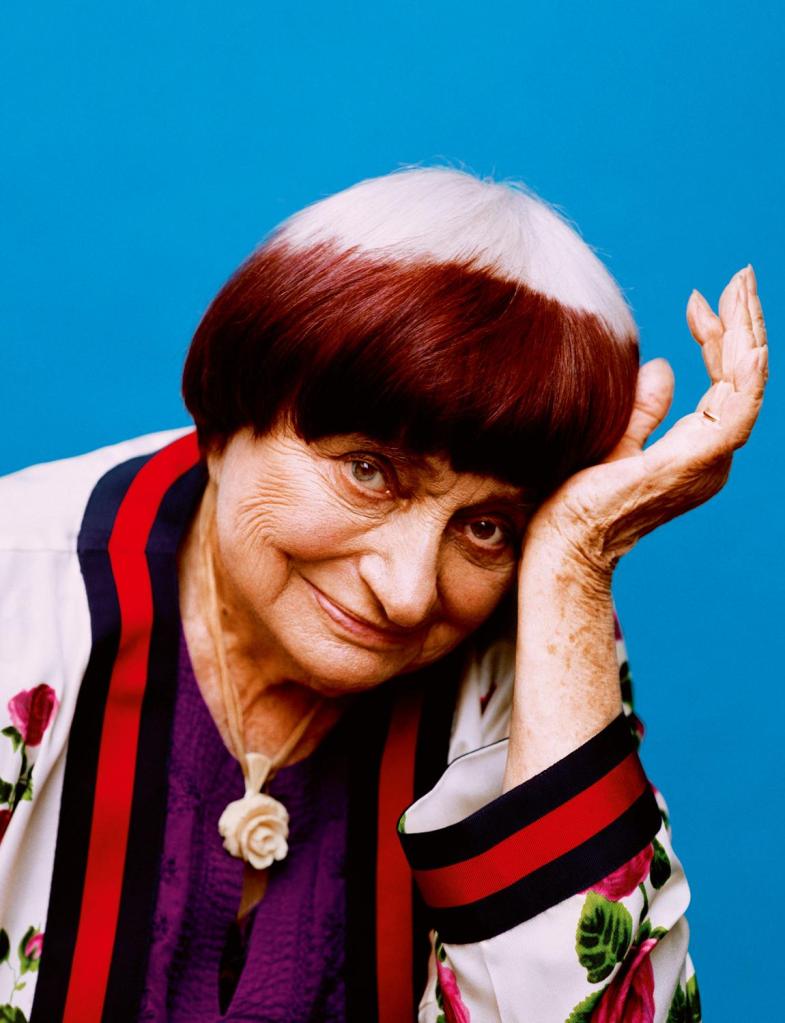
Agnes Varda (1928 – 2019)
Calculated Films:
- Cleo From 5 to 7 (1962)
- Salut Les Cubains (1963)
- Le Bonheur (1965)
- Black Panthers (1968)
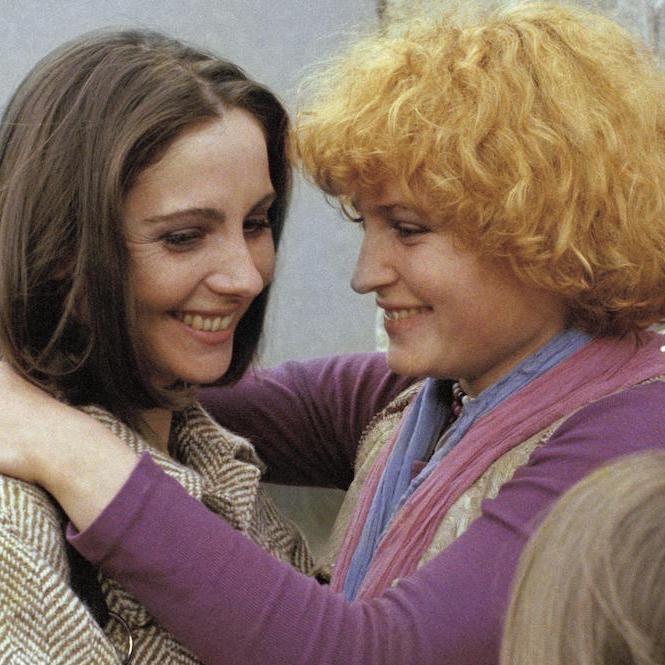
- One Sings, the Other Doesn’t (1977)
- Murs Murs (1981)
- Vagabond (1985)
- Jane B. by Agnes V. (1988)
- Jacquot (1991)
- The Gleaners and I (2000)
- The Beaches of Agnes (2008)
- Faces Places (2017)
Similar Filmmakers
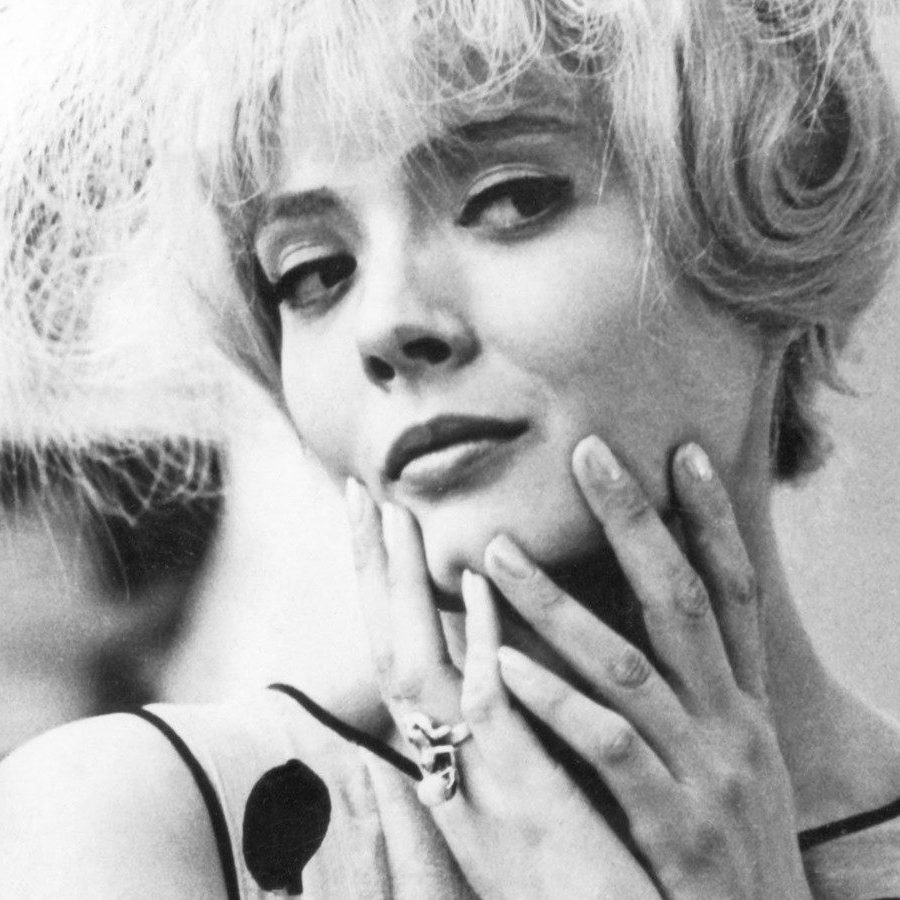

Agnes Varda’s Top 10 Films Ranked
1. Cleo From 5 to 7 (1962)
Genre: Drama

2. The Beaches of Agnes (2008)
Genre: Biography Documentary, Art Documentary, Essay Film
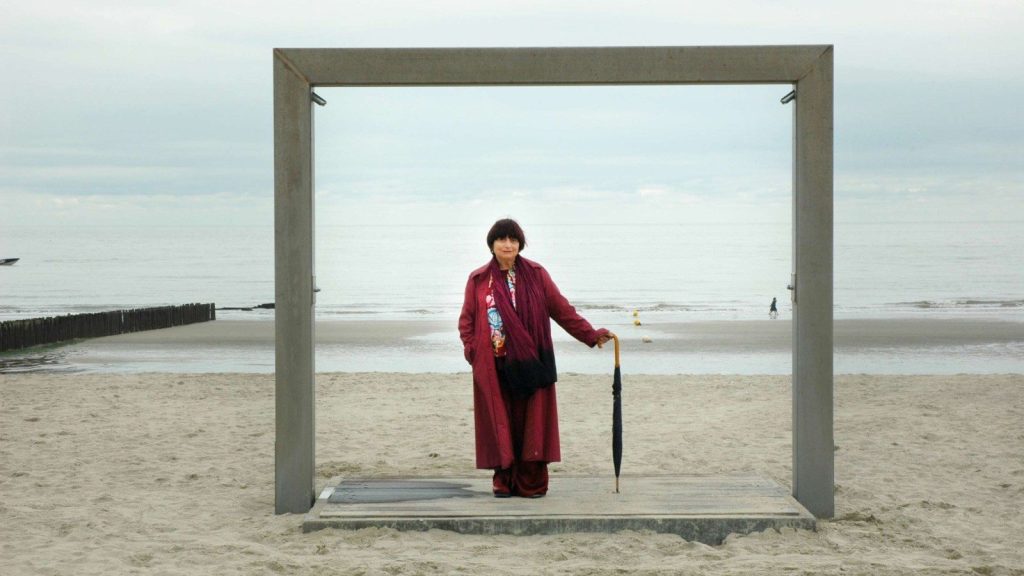
3. The Gleaners and I (2000)
Genre: Documentary, Essay Film

4. Faces Places (2017)
Genre: Art Documentary, Essay Film

5. Vagabond (1985)
Genre: Drama, Road Movie
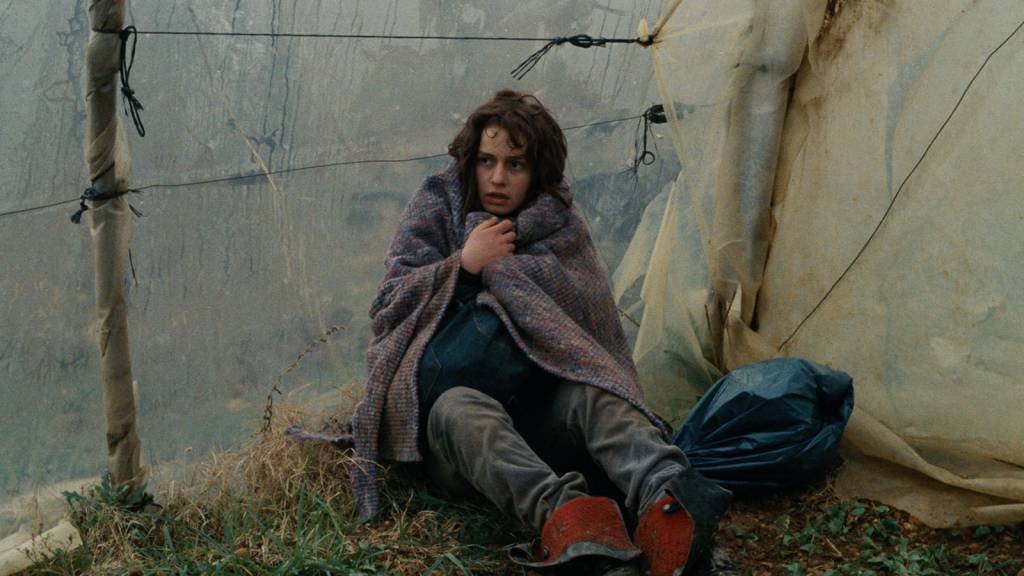
6. Jacquot de Nantes (1991)
Genre: Biographical, Coming-of-Age, Drama
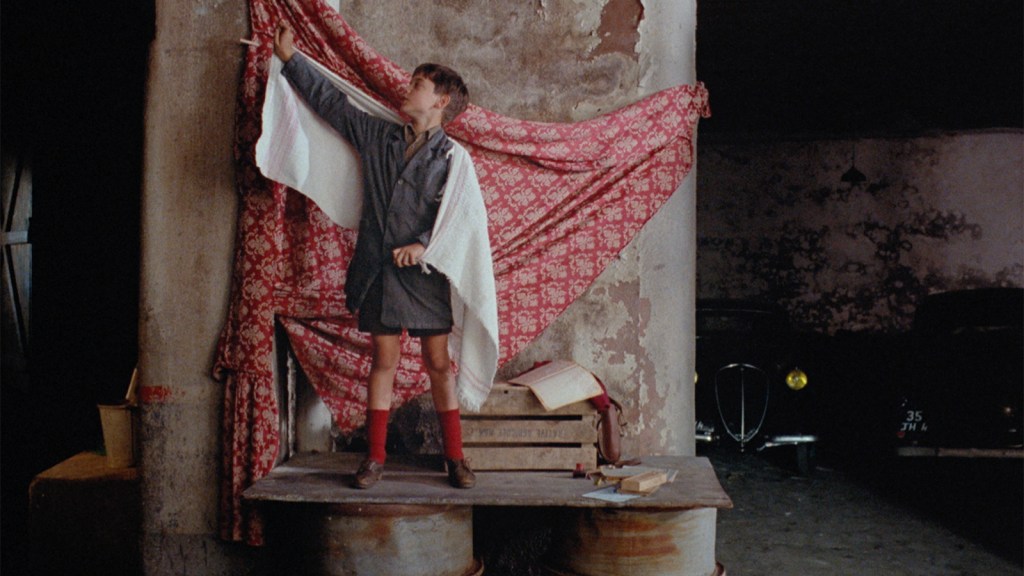
7. Le Bonheur (1965)
Genre: Drama, Romance

8. One Sings, the Other Doesn’t (1977)
Genre: Drama, Slice of Life

9. Varda by Agnes (2019)
Genre: Movie Documentary, Essay Film
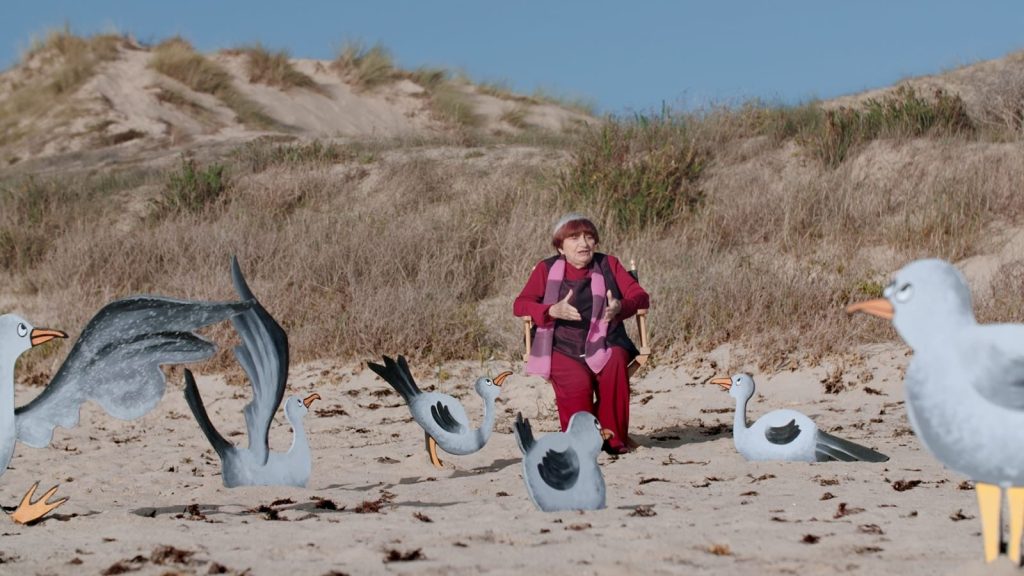
10. Black Panthers (1968)
Genre: Political Documentary

Agnes Varda: Themes and Style
Themes:
- Exploration of Feminism and Female Identity: Agnes Varda’s films often delve into the intricacies of women’s lives. In Cléo from 5 to 7, she challenges the objectification of women by following the existential introspections of a singer awaiting a cancer diagnosis.
- Social Commentary: Varda’s work frequently comments on social issues. The Gleaners and I reflect on the value of discarded things and those who find worth in them, linking this to broader social commentary on waste and consumption.
- Personal and Autobiographical Elements: Varda often infused her personal experiences into her films. For example, The Beaches of Agnès is an autobiographical documentary where she revisits places from her past, blending personal history with her broader artistic vision.
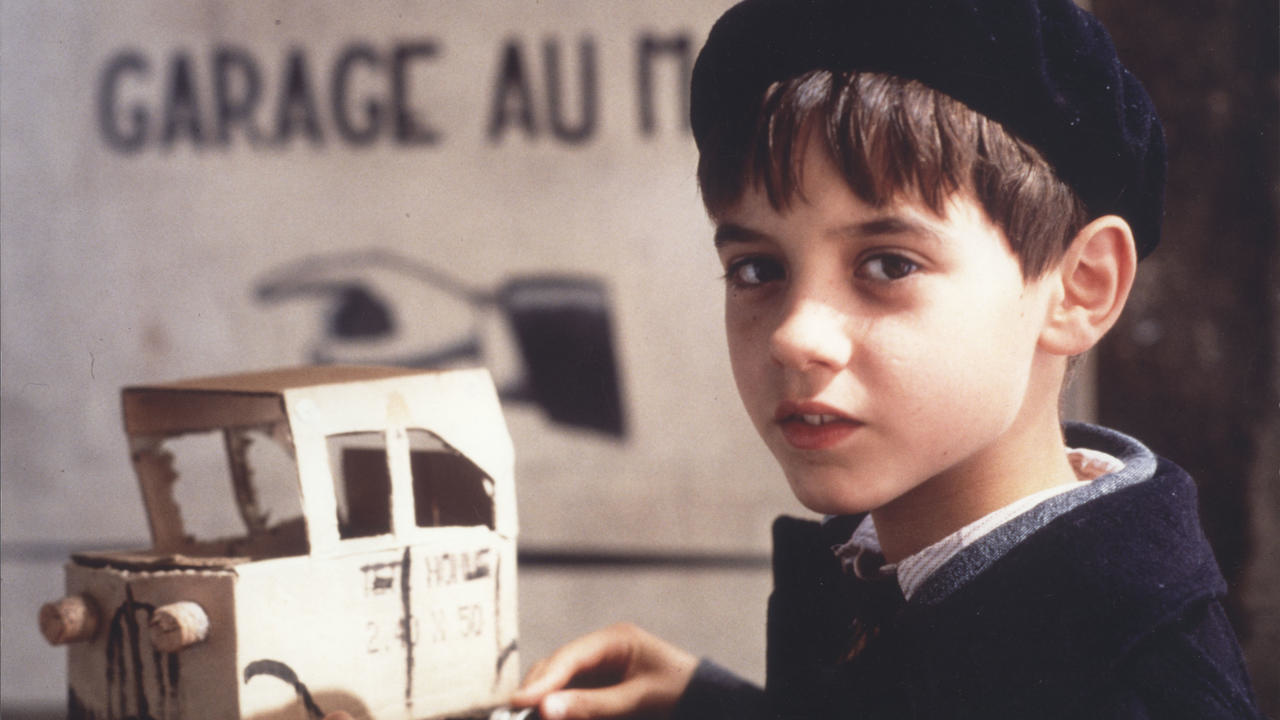
- Mortality and Transience: Reflecting on life and death, Varda’s Jacquot de Nantes pays homage to her late husband, Jacques Demy, exploring the fleeting nature of life and the enduring impact of art.
Styles:
- Cinéma Vérité Influence: Varda’s early work, such as in Le Bonheur, shows a strong influence of the cinéma vérité style, using naturalistic techniques to impart a sense of realism and spontaneity.
- Documentary and Fiction Blending: In films like Vagabond, Varda blurs the lines between documentary and fiction, creating a narrative that feels authentic and unscripted, challenging the audience’s perceptions of reality.
- Creative Visual Narratives: Varda is known for her innovative visual storytelling, as seen in Faces Places, where she uses large-scale photographs to explore the stories and memories of the people she encounters.
- Use of Color and Composition: Her attention to colour and composition is evident in Le Bonheur, where vibrant colours are used symbolically to contrast the seemingly idyllic life of a family with underlying themes of infidelity and dissatisfaction.
Directorial Signature:
- Intimate Character Portraits: Varda’s directorial signature is her deep dive into characters’ psyches, often focusing on one individual’s story as a means to explore larger societal themes.
- Innovative Structure and Pacing: She frequently eschewed traditional narrative structures, instead opting for a more fluid and sometimes episodic pacing, which can be seen in films like La Pointe Courte.
- Mix of Professional and Non-professional Actors: Varda was known for casting non-professional actors alongside professionals, creating a dynamic and sometimes improvisational performance style, and adding authenticity to her films.
- Empathetic Lens: Whether capturing the plight of the marginalised or the inner lives of her subjects, Varda’s compassionate approach allowed viewers to connect deeply with the stories she told, making her works feel personal and universal simultaneously.
Agnes Varda: The 45th Greatest Director


 Bronze Screen Dream