

Abel Gance, a French filmmaker, is remembered as a monumental figure in early cinema, renowned for his innovative techniques and epic storytelling. His most celebrated work is the silent film epic Napoleon, a testament to his technical mastery and grand narrative ambitions. Gance’s experimental approach to filmmaking and his tenacity in realising his artistic vision have cemented his legacy in film history.
Born in Paris in 1889, Gance initially pursued a career in law before an encounter with the nascent art of cinema changed his path. His innovative use of rapid cutting, superimposition of images, and diverse camera angles heralded a new wave of cinematic techniques. This was supplemented by his introduction of Polyvision, a widescreen process involving the simultaneous projection of three reels of film, most notably showcased in Napoleon.
In addition to his innovative techniques, Gance was known for his epic narratives, often grounded in historical subjects. His storytelling was grandiose, ambitious, and cinematic in scope, representing an advancement in film narrative from its more theatrical origins. Gance was also among the early experimenters with sound, incorporating it into his filmmaking even before ‘talkies’ became the norm. Despite this early adoption of sound, his career was marked by financial difficulties and several ambitious but unfinished projects.
Avant-Garde Influence
Gance’s visual style and pioneering approach influenced and shaped French avant-garde cinema. His early silent films, like La Roue, inspired many filmmakers due to their inventive and non-conventional techniques. His persistence and resilience despite numerous setbacks in his career, including the transition to sound cinema, indicated his unwavering passion for cinema.
Though overlooked during much of his lifetime, Gance’s work has since undergone critical and artistic reevaluation. His innovative contributions have been recognised for their significant impact on the development of cinematic language. Abel Gance’s influence extends beyond France, inspiring filmmakers worldwide with his vision and tenacity, making him a monumental figure in the evolution of film history.
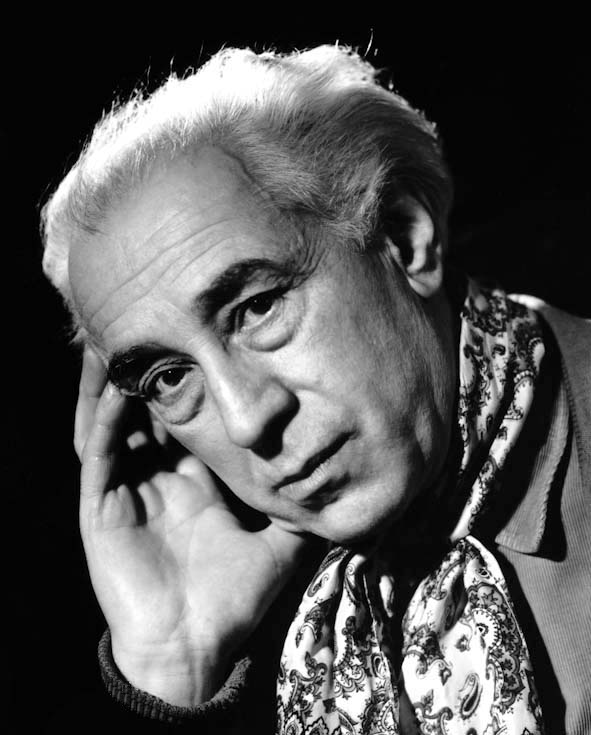
Abel Gance (1889 – 1981)
Calculated Films:
- J’Accuse (1919)
- La Roue (1923)
- Napoleon (1927)
Similar Filmmakers
- Fritz Lang
- Henri Fescourt
- Jean Durand
- Jean Epstein
- Jean Renoir
- King Vidor
- Leni Riefenstahl
- Louis Delluc
- Marcel L’Herbier
- Rene Clair
- Sergei Eisenstein
- Victor Sjostrom

Abel Gance’s Top 10 Films Ranked
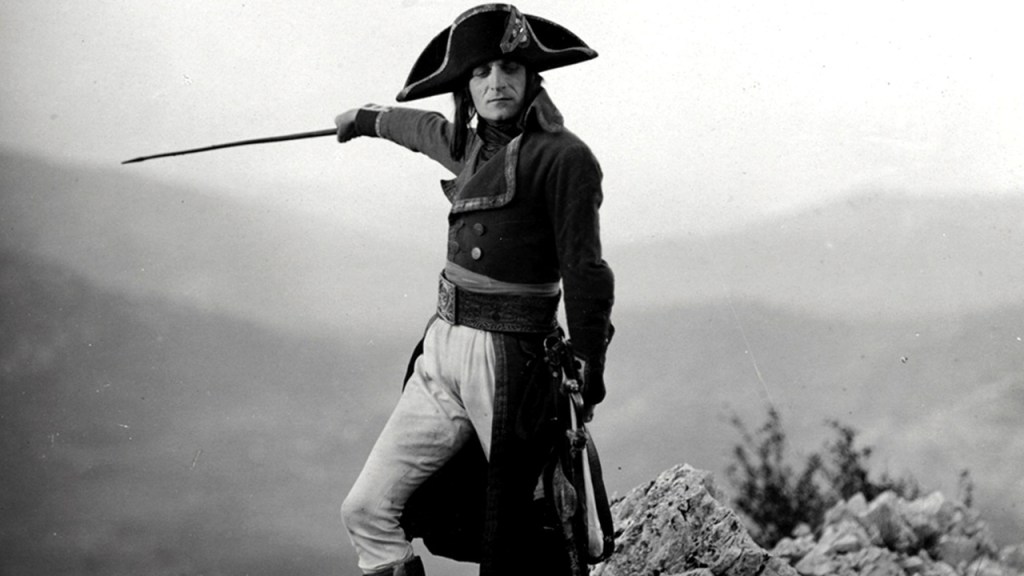
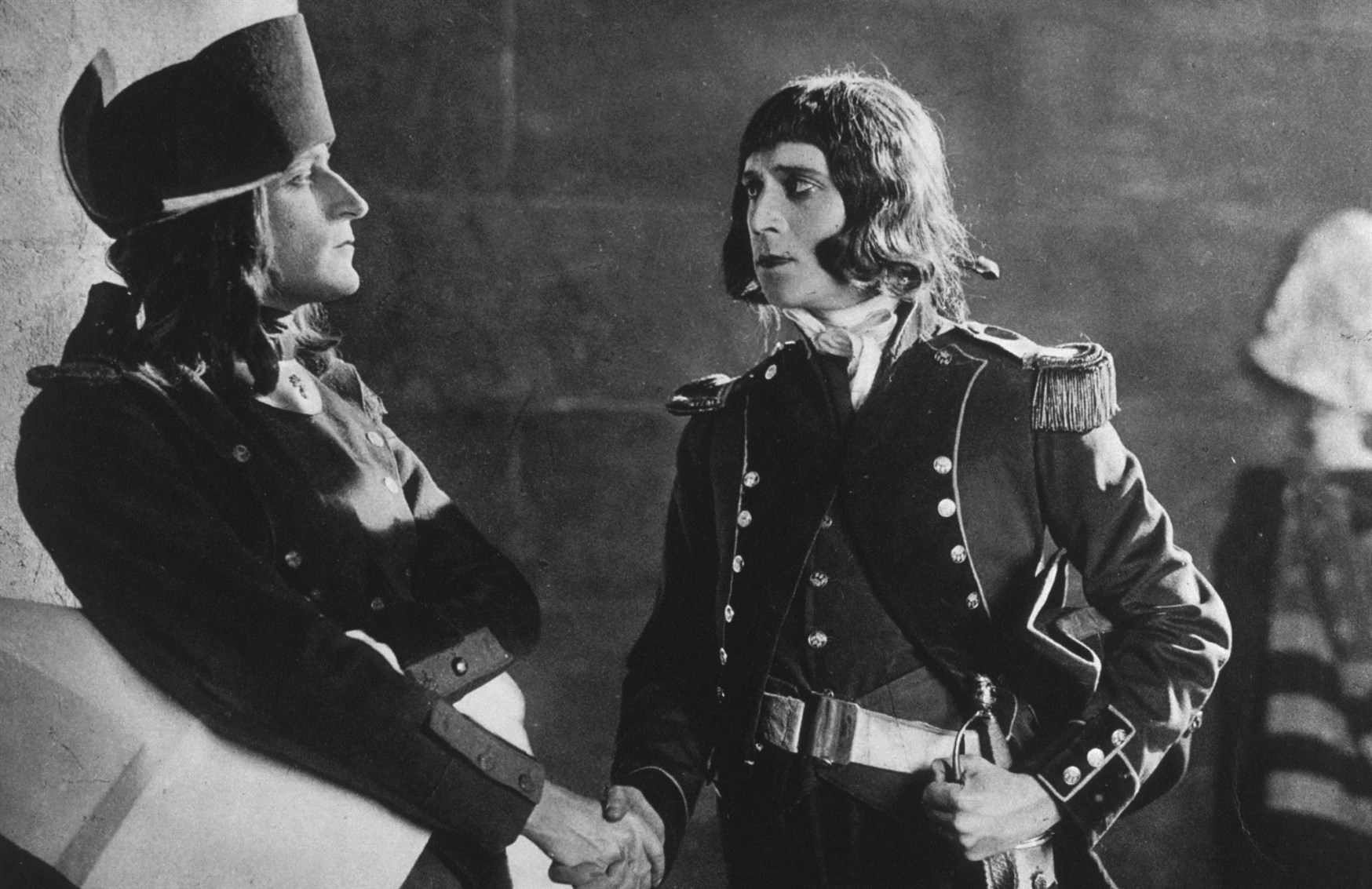
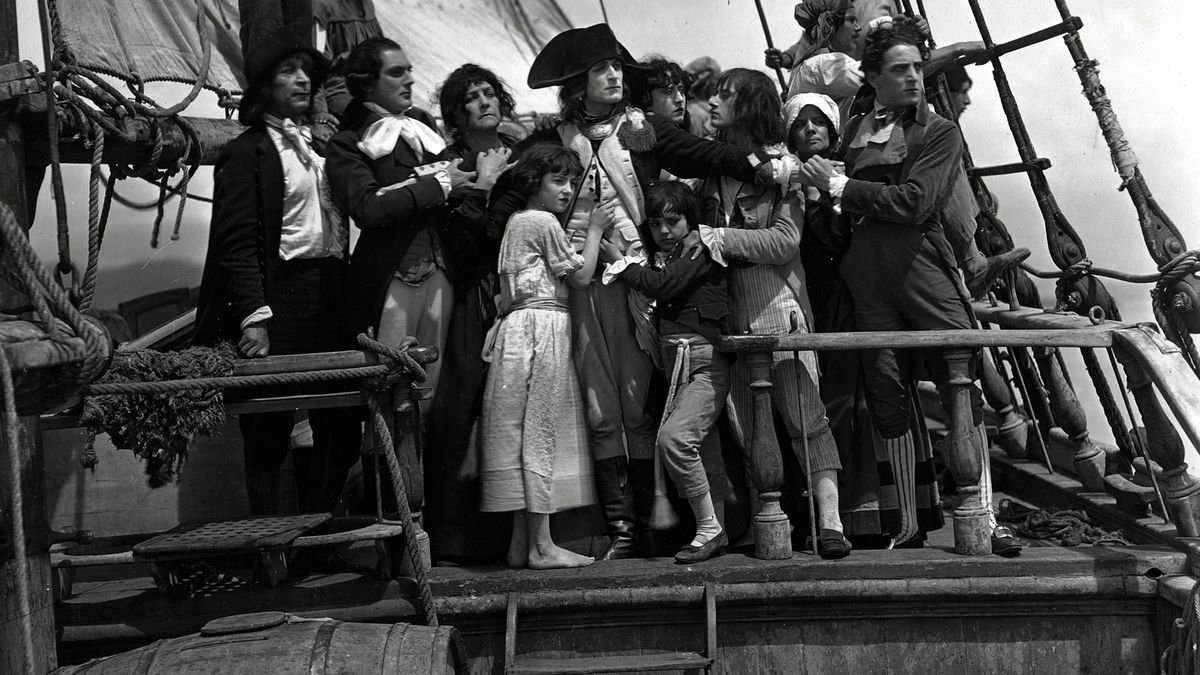
1. Napoleon (1927)
Genre: Biographical, War, Period Drama, Epic
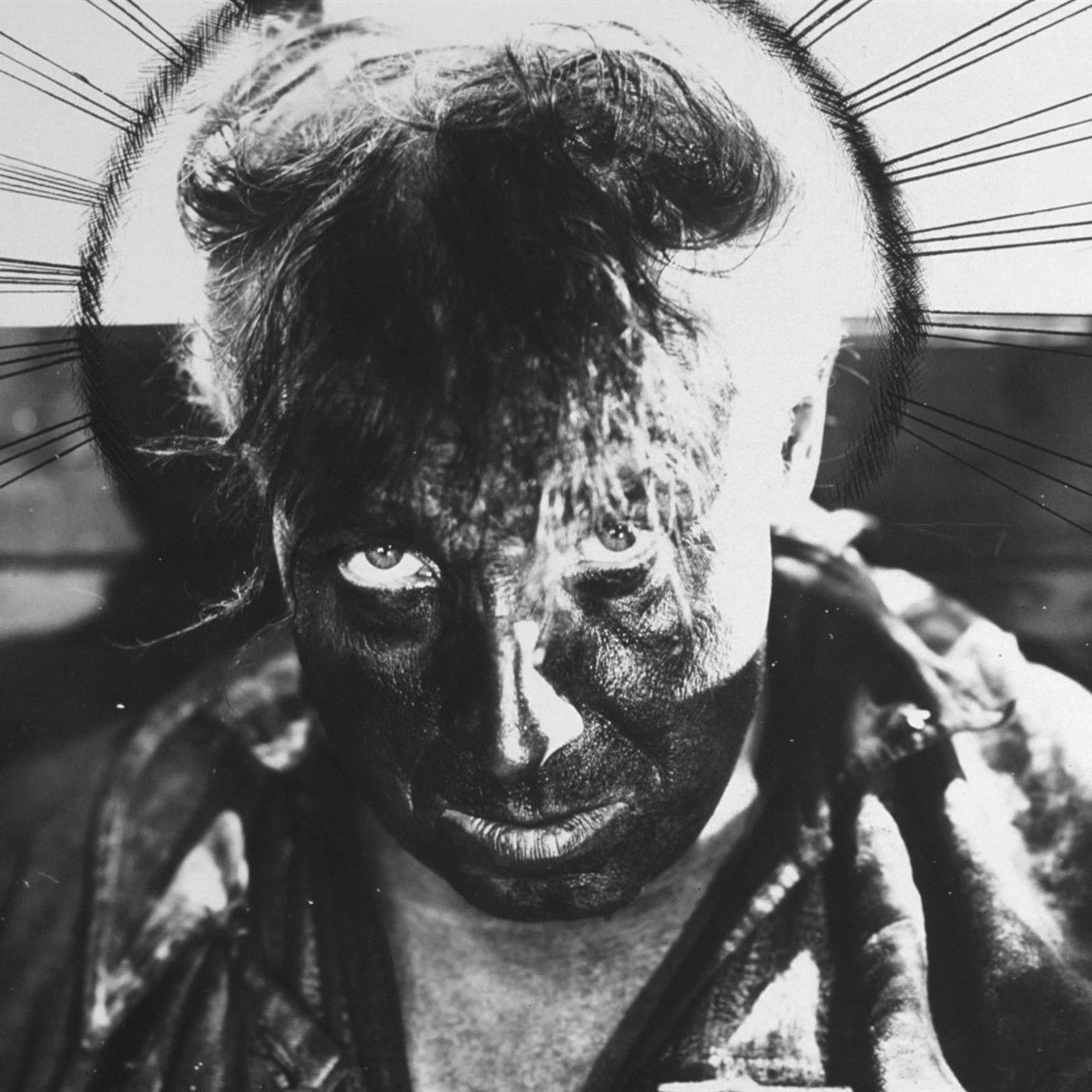
2. La Roue (1923)
Genre: Melodrama
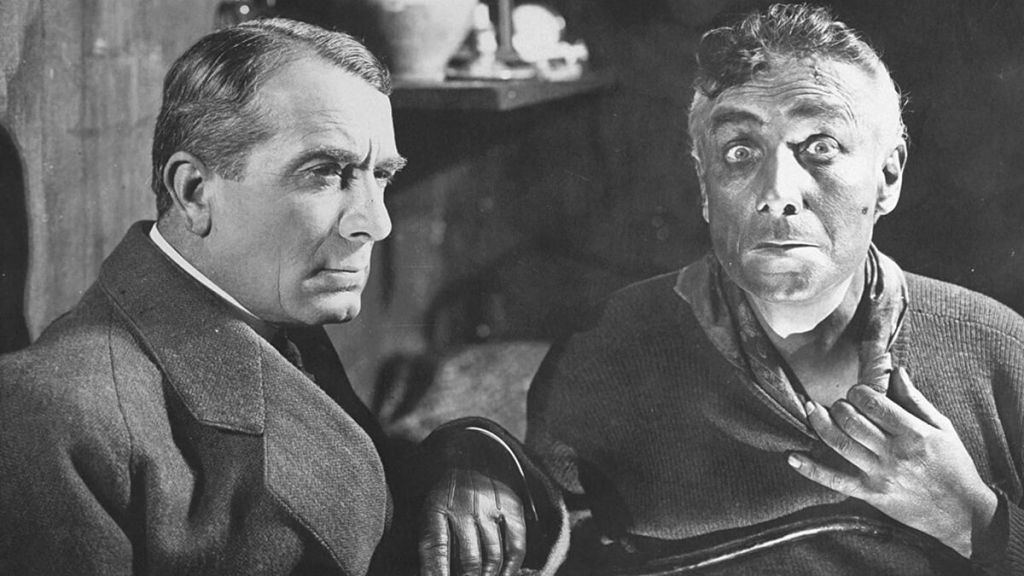
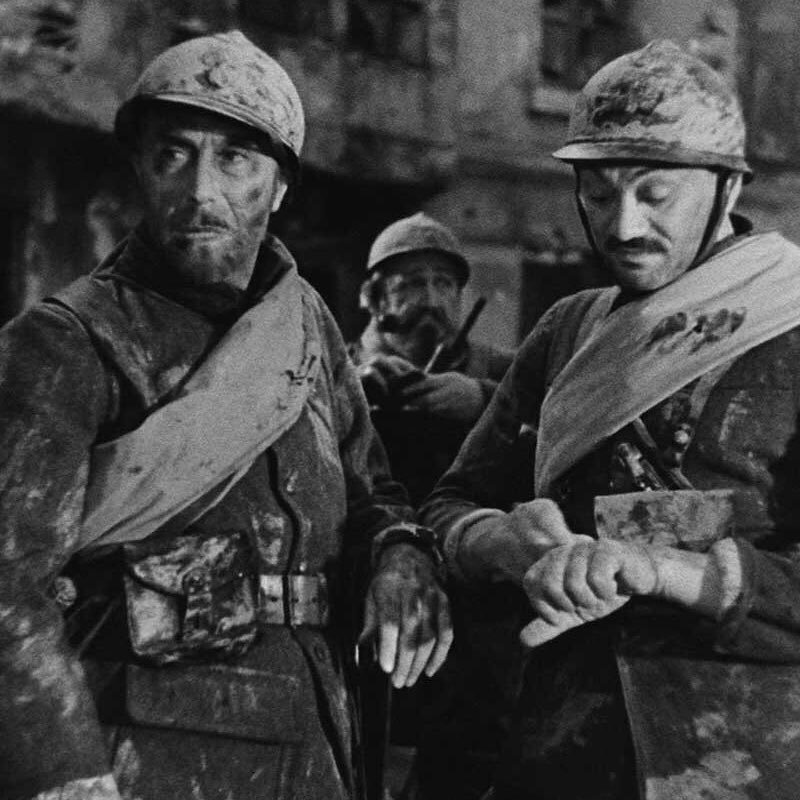
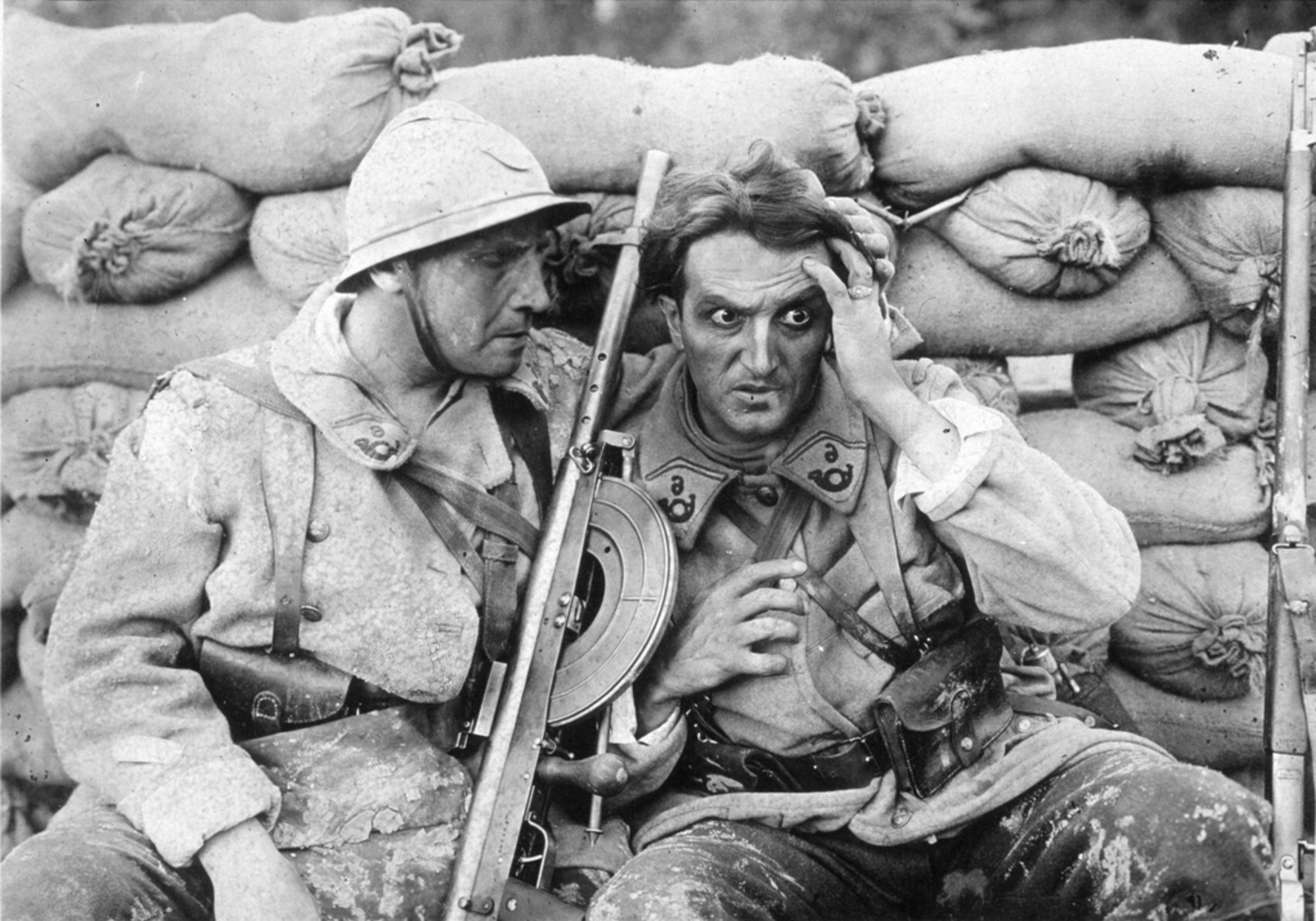
3. J’Accuse (1919)
Genre: War, Period Drama
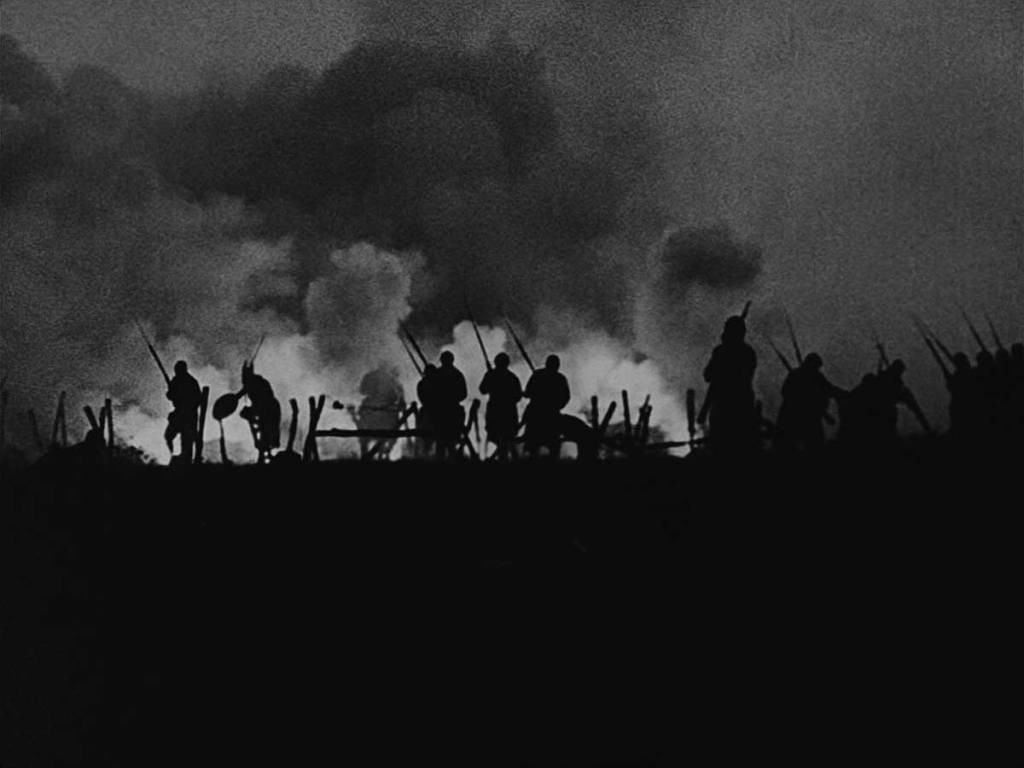
4. J’accuse (1938)
Genre: War, Drama
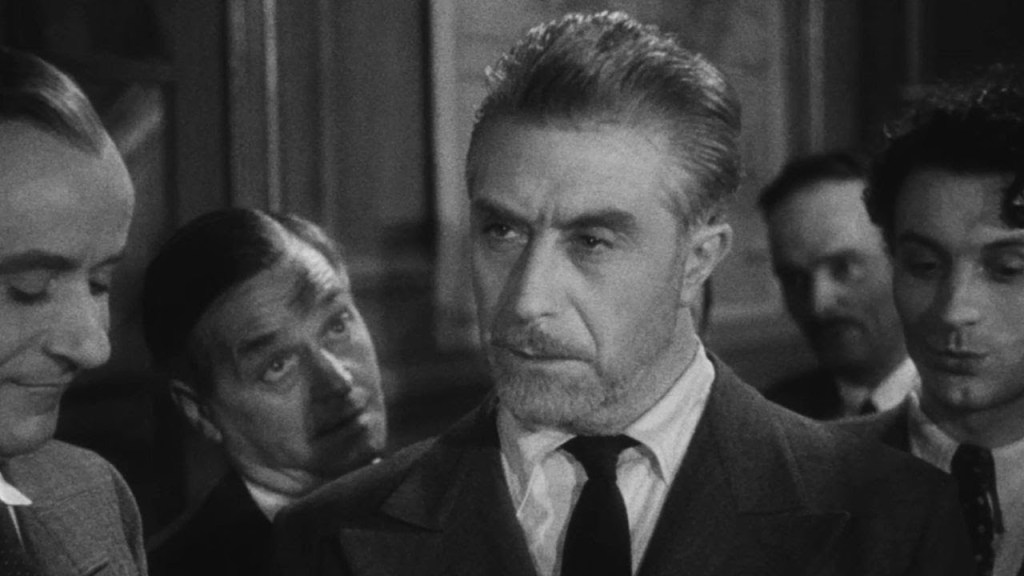
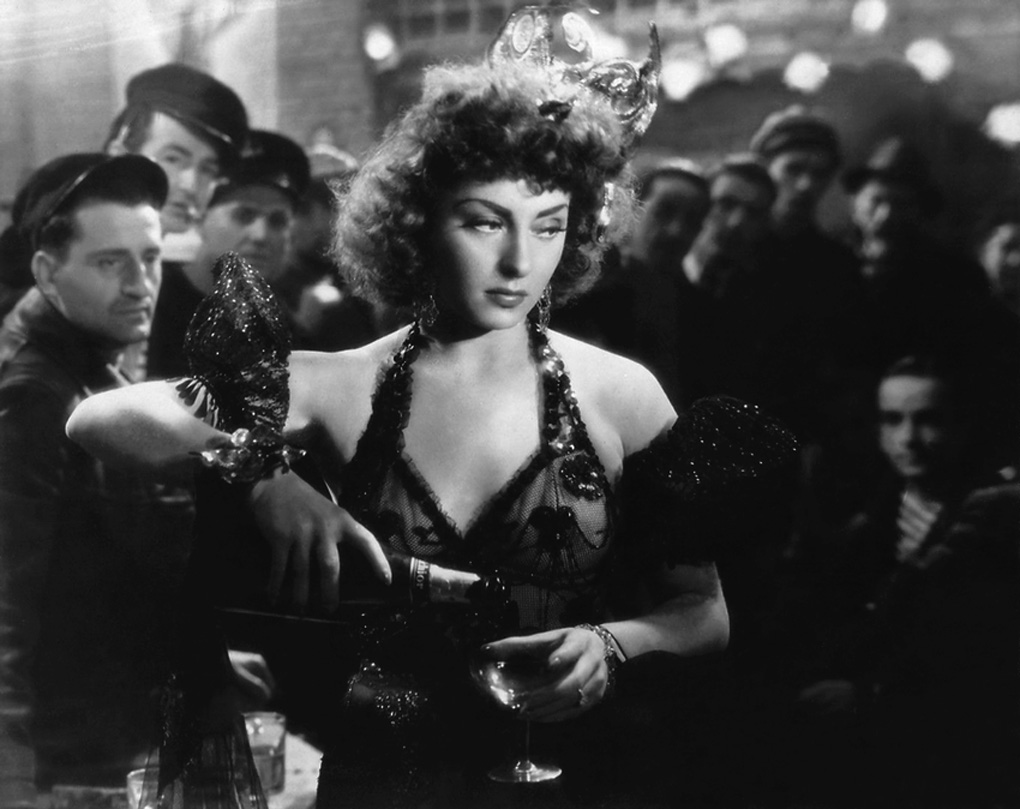
5. Blind Venus (1941)
Genre: Melodrama

6. Help! (1924)
Genre: Comedy, Haunted House
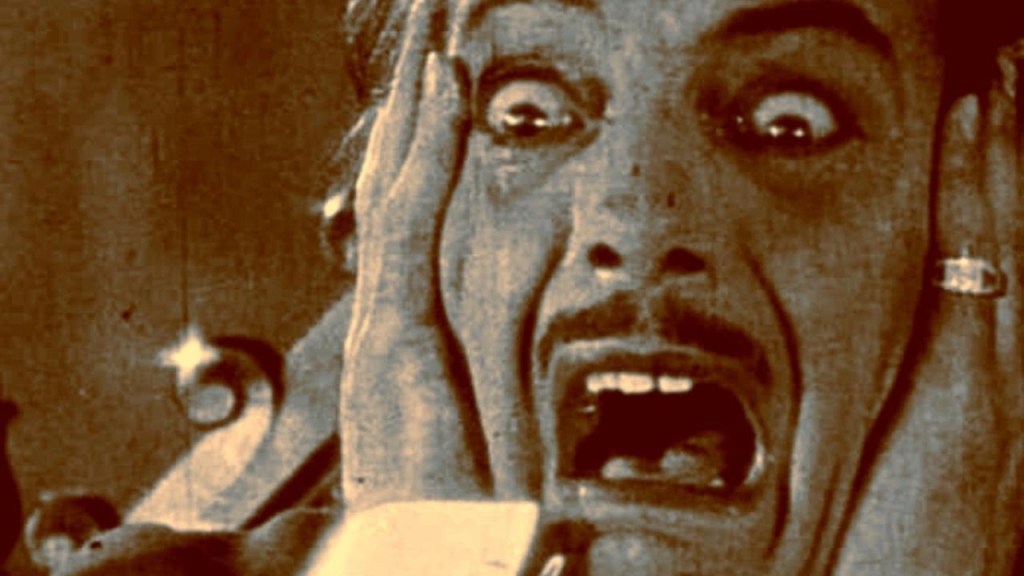
7. Paradis Perdu (1940)
Genre: Romance, Melodrama
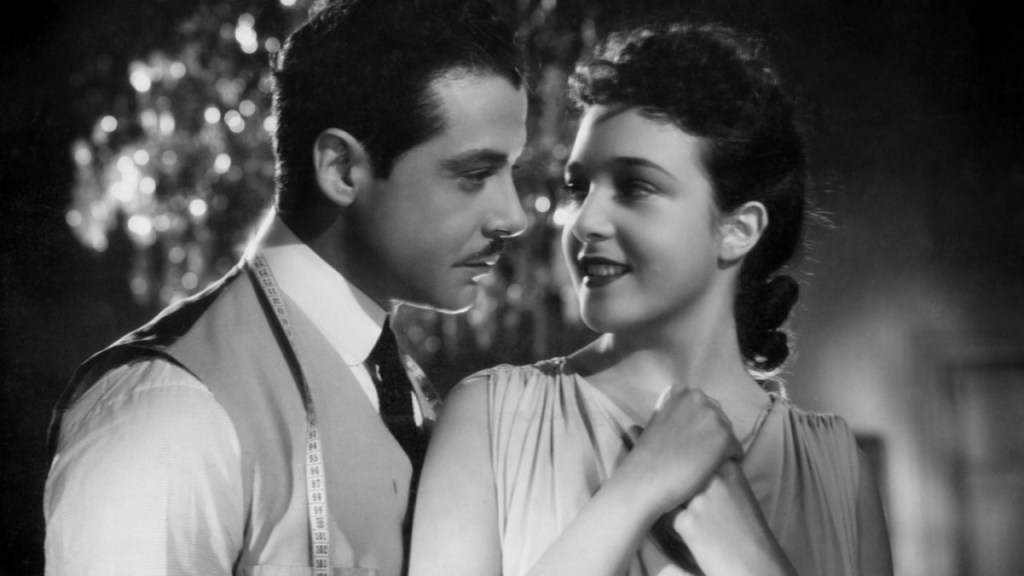
8. The Life and Loves of Beethoven (1937)
Genre: Biographical, Drama
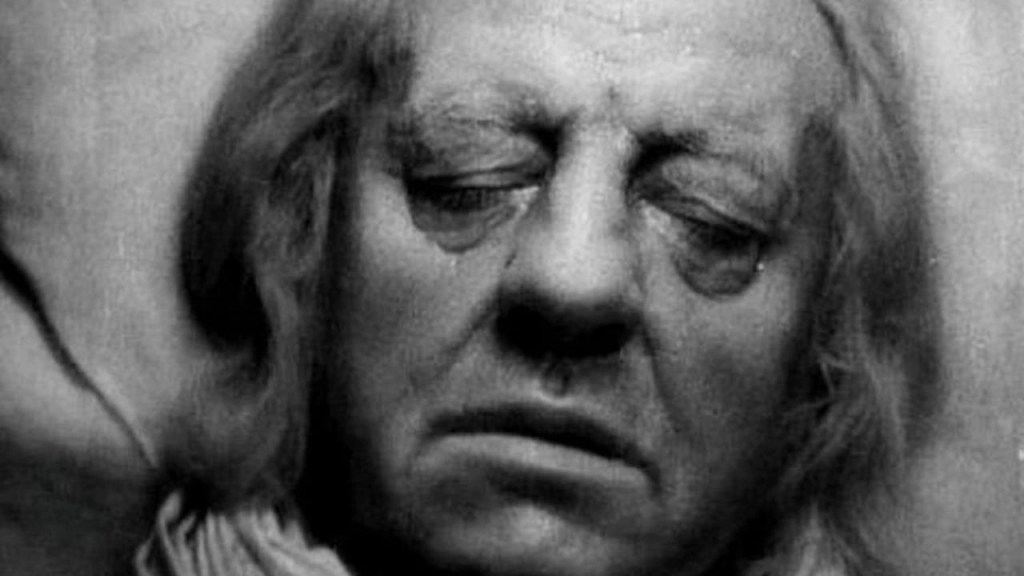
9. The Torture of Silence (1917)
Genre: Melodrama

10. Lucrecia Borgia (1935)
Genre: Biographical, Medieval

Abel Gance: Themes and Style
Themes:
- Epic Scope and Grandeur: Gance’s films often showcase epic tales and grand narratives. He is well known for crafting visually extravagant and emotionally stirring epics, often focusing on historical figures and events, aiming to capture the human spirit amidst tumultuous times.
- Historical Reflections: Many of Gance’s works are set against the backdrop of historical events and periods, exploring humanity’s collective history, accomplishments, and tragedies, such as Napoleon, which offers a compelling look at the famed French military leader.
- Individual Triumph & Tragedy: His films frequently explore the dichotomy between personal triumph and tragedy, delving into the emotional and psychological depths of his characters while simultaneously situating their stories within larger, often epic, contexts.
- Innovation & Progress: Gance was captivated by themes of innovation, progress, and the human capacity for creativity and brilliance, which was often mirrored in his innovative use of film techniques and technologies.
- War and Peace: Reflecting on the times he lived in, Gance’s films often grapple with themes of war and peace, probing into the human cost of conflict and the pursuit of harmony and understanding amongst people.
Styles:
- Visual Innovation: Abel Gance was a pioneer in employing and developing various film techniques. His innovative use of rapid editing, superimposition, and hand-held cameras was groundbreaking during his time, and these techniques have since become integral to the language of cinema.
- Polyvision Technique: He is perhaps best known for introducing the Polyvision technique in Napoleon, which involved the use of three cameras and projectors to create a widescreen cinematic experience, providing audiences with a visually immersive and panoramic view of the film’s action and landscapes.
- Musicality: Gance’s films are noted for their rhythmic qualities and musicality. The editing, composition, and movement within the frame often correspond to a kind of visual symphony, creating a dynamic interplay between image and sound that enhances the emotional impact of his works.
- Expressive Acting: Working during the silent era, Gance directed actors to deliver highly expressive and stylised performances. This approach helped convey the emotional depth and complexity of the characters while compensating for the lack of spoken dialogue.
- Visual Poetry: Gance’s films are characterised by a poetic visual style. Through his meticulous framing, composition, and editing, each shot is imbued with a sense of visual lyricism and beauty, contributing to the overall atmospheric and emotional depth of his films.
Directorial Signature:
- Innovative Storytelling: Gance was known for pushing the boundaries of cinematic storytelling. His directorial signature can be seen in his ambitious and innovative approach to narrative construction, often employing non-linear and fragmented storytelling techniques to create a more dynamic and engaging viewer experience.
- Technical Mastery: His directorial style is also marked by a profound mastery of film technology and technique. Gance was not only a director but also a writer, producer, and sometimes even an actor in his films, demonstrating a comprehensive understanding and control over the cinematic medium.
- Artistic Ambition: Gance’s films are marked by relentless artistic ambition and vision. Whether through his innovative use of technology, his exploration of complex themes, or his direction of actors, Gance’s work reflects a deep commitment to advancing the art of cinema.
- Historical Epics: Gance had a penchant for tackling historical subjects, imbuing his films with a sense of timelessness and relevance. His work often explores the lives of significant historical figures, examining their contributions, flaws, and the eras they lived in with a discerning and insightful directorial eye.
Abel Gance: The 182nd Greatest Director
 Bronze Screen Dream