Francis Ford Coppola, one of the defining filmmakers of the New Hollywood era, has made enough films that were he a pop star, he’d probably be called the “king of kino.” He’s made films in just about every genre, and his 1970s run of films was almost certainly the best run in any decade.
From the epic drama of The Godfather trilogy to the raw passion of Apocalypse Now, Coppola’s films are characterised by their depth of characterisation, visual flair, and narrative complexity. This article ranks each of Coppola’s films, providing a detailed look into his celebrated filmography, telling you which once you’ve got to watch and which ones you might want to lose down the back of the sofa.

The Godfather
The Godfather, released in 1972, is undoubtedly the crown jewel of Francis Ford Coppola’s impressive filmography. It’s an epic crime drama based on the novel of the same name by Mario Puzo and centred around the Italian-American Corleone family. The film, now seen as a cinematic masterpiece, was a turning point in Coppola’s career and firmly established him as a cinematic force.
In the broader context of his work, The Godfather represents the first of three films exploring the tragic dynamics of power and morality. Released when Coppola was just 33, it established him as a fearless filmmaker who could create complex, compelling narratives. Critics and audiences embraced the film, which was a substantial box office success and received numerous Academy Awards, including Best Picture.
The story revolves around the patriarch of the Corleone family, Vito Corleone, and his son Michael, who reluctantly takes over the family’s organised crime business. The Godfather, rich in themes of power, family, and corruption, is a masterclass in storytelling and cinematic technique, with performances from Marlon Brando and Al Pacino that are nothing short of iconic. The film maintains a delicate balance between its stylised violence and profound emotional depth. Its significance can’t be overstated; it redefined the gangster genre and is still an ominous figure in pop culture, inspiring countless filmmakers and shaping the cinematic landscape for decades.

The Godfather: Part II
The Godfather: Part II, Coppola’s 1974 follow-up to the phenomenally successful The Godfather, is one of the rare instances where a sequel stands shoulder to shoulder with its predecessor. This second instalment in the trilogy not only continues the saga of the Corleone family but also provides a rich backstory, enhancing the first film’s narrative and characters.
This film marked Coppola’s maturation as a filmmaker, building on the success of The Godfather with a more complex narrative structure alternating between Michael Corleone’s struggle to maintain power and the young Vito Corleone’s rise in the early 20th century. Despite its ambitious narrative, critics received the film positively, securing several Academy Awards and becoming the first sequel to win Best Picture.
From a narrative standpoint, The Godfather: Part II deepens the tragic arc of the Corleone family and solidifies Michael’s transformation from a reluctant heir to a ruthless mafia boss. The performances, particularly those of Al Pacino and Robert De Niro, are peerless. While the movie is sometimes criticised for its intricate narrative structure, it is also celebrated for its rich thematic content, focusing on the corrupting influence of power and the disintegration of the family. Like its predecessor, its cultural impact is enormous.

Apocalypse Now
Apocalypse Now, released in 1979, is a landmark in Coppola’s directorial career and cinema history. Based on Joseph Conrad’s novella Heart of Darkness, this film reimagines the story in the context of the Vietnam War, presenting a surreal and disturbing vision of the horrors of conflict.
Made after the success of the first two Godfather films, Apocalypse Now was a daring departure for Coppola, showing his willingness to take on controversial subjects and push the boundaries of cinema. However, its production was notoriously difficult, with significant delays, budget overruns, and even a typhoon. Despite these challenges, the film was critically acclaimed upon release and won the Palme d’Or at the Cannes Film Festival.
The plot follows Captain Willard, played by Martin Sheen, on a mission to assassinate Colonel Kurtz, a rogue officer portrayed by Marlon Brando. The film’s narrative structure, which mirrors Willard’s journey deeper into the madness of war, is filled with memorable and disturbing sequences, including the iconic ‘ride of the valkyries’ scene starring an award-worthy turn by Robert Duvall. Its cinematography is outstanding; some stills are closer to paintings than your average film. The movie has significantly impacted cinema, offering a brutal critique of war and becoming a touchstone for filmmakers exploring this theme.
The Conversation
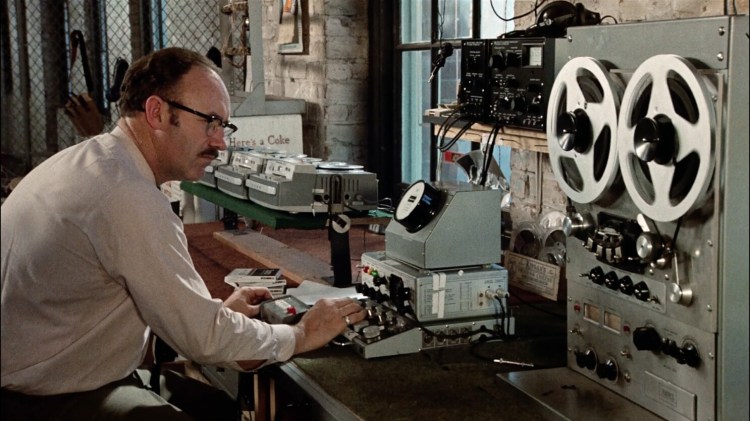
The Conversation, released in 1974, is a stark departure from the epic narratives of Coppola’s Godfather films. This intimate, character-driven thriller, centred around surveillance expert Harry Caul, demonstrates Coppola’s range and versatility as a filmmaker. It’s a suspenseful exploration of privacy, guilt, and paranoia in the modern age.
Sandwiched between the first two Godfather films, The Conversation was a smaller, more personal project for Coppola. Despite being overshadowed by the grandeur of the Godfather saga, the film was well-received, winning the Palme d’Or at Cannes and earning several Academy Award nominations.
The film revolves around a conversation Harry Caul has been hired to surveil and slowly unfolds into a suspenseful mystery that delves deep into Caul’s paranoia and guilt. The film’s structure, pacing, and cinematography work harmoniously to create an atmosphere of dread and suspense, complemented by Gene Hackman’s nuanced performance. While not as grandiose or widely recognised as The Godfather or Apocalypse Now, it is a gem in Coppola’s filmography, with its themes of surveillance and privacy becoming even more resonant in the digital age.

The Outsiders
The Outsiders, a 1983 coming-of-age drama based on the novel by S.E. Hinton, is a unique entry in Coppola’s filmography. The story centres around a group of young, working-class friends, known as “greasers,” and their rivalry with the affluent “Socs” in 1960s Oklahoma. Coppola’s film marked a shift towards more youth-oriented narratives, as seen later in Rumble Fish.
The film came at a time when Coppola had faced several commercial failures and was looking to regain his footing in Hollywood. Despite initial mixed reviews, The Outsiders gained a cult following, especially due to its young, up-and-coming cast, including Patrick Swayze, Rob Lowe, and Tom Cruise.
The plot explores the social and economic divides between the “greasers” and the “Socs,” leading to tragic consequences. The film’s vibrant colour palette and cinematic style are striking. While it may lack the sophistication and thematic depth of Coppola’s best works, The Outsiders is remembered for its earnest portrayal of adolescent friendship and the struggles of growing up.
Rumble Fish
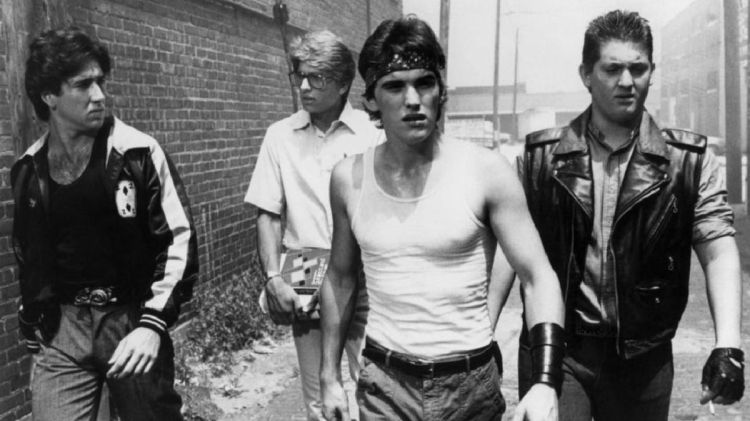
Rumble Fish, Coppola’s second adaptation of an S.E. Hinton novel in 1983, is a stylistically bold and atmospheric film. The story revolves around Rusty James, a young gang leader struggling to live up to his older brother’s reputation in a bleak, urban setting. The film marks Coppola’s continued exploration of youth culture and the struggle for identity.
Released on the heels of The Outsiders, Rumble Fish was a more experimental venture for Coppola. Filmed in black-and-white with a dreamlike quality, it was less commercially successful than its predecessor but has since gained a cult following for its distinctive style.
The film’s plot is less a conventional narrative and more a philosophical exploration of time, mortality, and identity, backed by powerful performances from Matt Dillon and Mickey Rourke. Despite mixed reviews upon release, with some critics finding the film’s style overbearing, Rumble Fish has grown in estimation over time.
Dracula
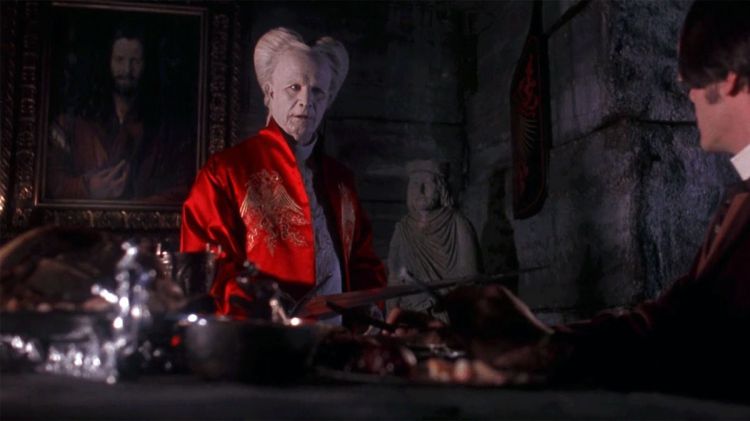
Francis Ford Coppola’s 1992 film, Dracula, is a lavish and sensual adaptation of Bram Stoker’s classic novel. With an ensemble cast led by Gary Oldman, the film is known for its extravagant visual style, which is both a homage to classic horror films and a distinctly Coppola-esque reinvention of the genre.
Made after a series of less successful ventures, Dracula was a commercial hit for Coppola, marking his return to mainstream success. Its bold visual style and star-studded cast caught the audience’s attention and received several Academy Awards for its technical achievements.
The film’s plot remains faithful to Stoker’s novel, tracing the tragic love story between Count Dracula and Mina Harker, set against the backdrop of Victorian London. While occasionally veering into melodrama, the narrative is elevated by Oldman’s compelling performance and Coppola’s visual flair. Some critics find the film’s style overwhelming and its pacing inconsistent. Still, its gothic aesthetics and exploration of love and immortality offer a fresh take on the classic horror tale. Dracula exemplifies Coppola’s ability to bring his distinctive vision to different genres and narratives.
The Rainmaker
The Rainmaker is a 1997 legal drama based on the eponymous John Grisham novel. A notable departure from Coppola’s usual fare, it features standout performances from its ensemble cast, including Matt Damon, Danny DeVito, and Jon Voight.
Released during a period when Hollywood was awash with Grisham adaptations, The Rainmaker stood out thanks to Coppola’s distinctive direction and the film’s unflinching examination of the American legal system. Despite solid reviews and respectable box office performance, it’s often overlooked in discussions of Coppola’s body of work, perhaps due to its conventional genre trappings.
The film follows Rudy Baylor (Damon), a rookie lawyer who takes on a major insurance company in a fraudulent claim case. In true Grisham style, it’s an underdog story that pits an inexperienced but dedicated lawyer against powerful forces, and Coppola effectively maintains the tension throughout. Though lacking the grandeur and spectacle of his earlier works, its robust narrative and strong performances make it a worthy addition to his impressive filmography.
The Rain People
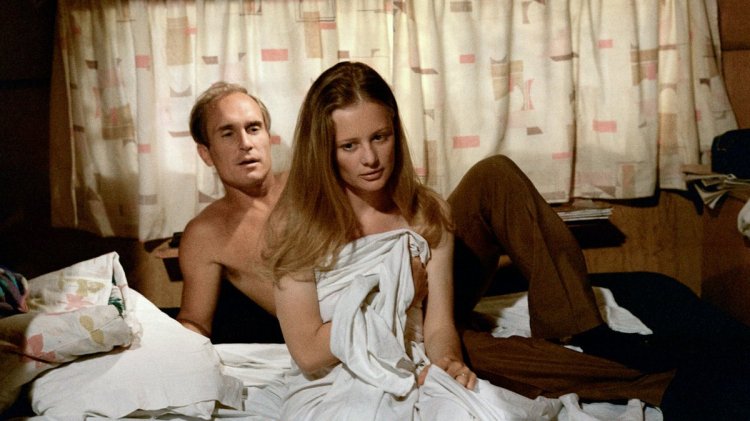
The Rain People is a 1969 road film focusing on a housewife named Natalie who embarks on a journey of self-discovery. It’s an understated, character-driven film that offers a glimpse into Coppola’s early, pre-Godfather career, highlighting his ability to craft intimate and emotional narratives.
Released just a few years before The Godfather, The Rain People was a low-budget film made outside the Hollywood studio system. Although it didn’t gain much attention upon release, it showcased Coppola’s talent for creating complex female characters—a rarity in his work—and has since gained a following for its sensitive portrayal of a woman’s quest for independence.
The plot follows Natalie, played by Shirley Knight, as she leaves her suburban life behind and encounters various characters on the road, including a brain-damaged former football player, played by James Caan. While the film lacks the dramatic intensity or grandeur of Coppola’s later works, its exploration of femininity, freedom, and isolation is poignant and thoughtful.
Tucker: The Man and His Dream
Tucker: The Man and His Dream is a 1988 biographical film directed by Coppola, charting the story of Preston Tucker, an innovative car designer who challenges the dominance of the big auto manufacturers. It’s an upbeat, visually stylish film that reflects Coppola’s fascination with dreamers and innovators, drawing parallels to his own experiences in the film industry.
The film was made during a turbulent time in Coppola’s career after the commercial failures of One from the Heart and Rumble Fish. Despite the film’s critical acclaim and several Academy Award nominations, it did not perform well at the box office, further contributing to Coppola’s financial difficulties.
The plot follows Tucker’s ambitious attempt to build a revolutionary car and the resistance he faces from the automobile industry. While the film departs from the darker themes in Coppola’s earlier works, it maintains his signature style and storytelling skill. It’s buoyed by an energetic performance from Jeff Bridges and a vibrant visual palette. Although the film’s commercial failure was a disappointment, its optimistic portrayal of the American Dream and its critique of corporate monopolies make it a compelling watch. In hindsight, it’s seen as an autobiographical reflection of Coppola’s battles within the Hollywood system.
Peggy Sue Got Married
Peggy Sue Got Married is a 1986 fantasy comedy-drama featuring Kathleen Turner as Peggy Sue, who faints at her high school reunion and wakes up in her past. It’s a heartfelt and nostalgic film that provides a lighter counterpoint to Coppola’s more serious and sombre works.
Coming after a series of financial and critical disappointments, Peggy Sue Got Married marked a successful return to mainstream cinema for Coppola. The film was well-received by critics and audiences alike and earned several Academy Award nominations, including Best Actress for Kathleen Turner.
The plot blends elements of fantasy and drama as Peggy Sue navigates her past, reassessing her life choices and relationships. While the film may lack the depth and complexity of Coppola’s finest works, its charm, warmth, and strong performance from Turner make it an enjoyable watch. The film’s a poignant exploration of nostalgia and regret, themes that resonate universally.

The Godfather Part III
The Godfather Part III, the final instalment in Coppola’s epic crime saga, released in 1990, is a film with a difficult legacy. While it continues the story of the Corleone family, focusing on an ageing Michael Corleone seeking redemption, it’s often seen as the weakest entry in the trilogy.
Arriving 16 years after The Godfather Part II, the film was highly anticipated. However, it failed to live up to the high standards set by its predecessors, receiving mixed reviews from critics and disappointing many fans of the series. It failed to quench its audience’s thirst and deliver on their expectations.
The narrative follows an older, remorseful Michael Corleone trying to legitimise his family’s business and reconcile with his estranged family. The film retains the thematic richness and narrative complexity of the earlier films, but suffers from uneven pacing and less compelling performances, particularly Sofia Coppola’s much-criticised portrayal of Michael’s daughter. Nevertheless, the film is a crucial part of The Godfather trilogy, closing the arc of Michael Corleone’s tragic life.
The Cotton Club
The Cotton Club, a 1984 crime drama directed by Coppola, offers a richly textured portrayal of the legendary Harlem jazz club during the Prohibition era. With its mix of music, crime, and romance, it’s a visually lavish film that showcases Coppola’s flair for staging complex narratives.
Made after The Outsiders’ critical and commercial success with funding from Coppola’s Godfather producer Robert Evans, with whom he had a troubled relationship, The Cotton Club was one of the most expensive films of its time due partly to its elaborate set designs and period costumes. However, it was a box-office disappointment and received mixed reviews upon release.
The film interweaves the stories of a cornet player and a gangster, set against the backdrop of the vibrant but racially divided world of the Cotton Club. Although it features stellar performances and stunning choreography, its convoluted plot and lengthy runtime have been criticised. It’s a messy film, which doesn’t quite land all its blows, but it’s a testament to Coppola’s ambitious vision; you get the feel that with a little leeway, this could have been another masterpiece. Its portrayal of racial tensions within the entertainment industry and its intricate recreation of the jazz age make it a noteworthy film in Coppola’s oeuvre.

Tetro
Tetro, a 2009 drama, is a personal and introspective film from Coppola, his first original screenplay since The Conversation. Set in Buenos Aires, it centres around two brothers who reunite after many years of estrangement.
After a series of less successful films, Tetro was seen as a return to form for Coppola, with many critics considering it his best film since The Godfather Part III. The film, shot in crisp black and white, stands out for its visually striking cinematography and deeply emotional storytelling.
The narrative revolves around the relationship between the titular character, a tormented writer, and his younger brother, Benny, who seeks to uncover the truth about their family’s past. Despite some critics finding the film’s pacing uneven and its narrative overwrought, Tetro’s exploration of familial bonds and artistic passion make it a captivating watch.
You’re a Big Boy Now
You’re a Big Boy Now, Coppola’s second feature-length film, released in 1966, is a coming-of-age comedy about a young man’s misadventures in New York City. It’s a quirky, energetic film that offers a glimpse into Coppola’s early career as a director.
The film, made when Coppola was still a student at UCLA, marked his debut as a mainstream director. Although it did not gain much attention then, it was well-received by critics and has since gained a cult following.
The plot centres around Bernard, a young man trying to assert his independence and navigate the complexities of adulthood. The film is quite similar to Richard Lester’s lighthearted, youthful films of the mid-60s and feels at odds with Coppola’s larger filmography. It isn’t a bad film, but it doesn’t feel like one of his works.
One from the Heart
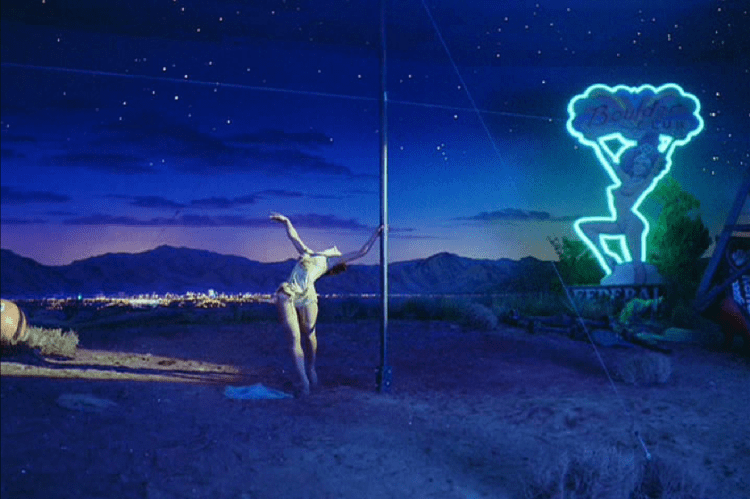
One from the Heart is a 1982 musical directed by Coppola, a grandiose and visually stunning film that represents one of the director’s most ambitious undertakings. Set entirely on elaborate sound stages that replicate Las Vegas, the film follows a couple who break up and pursue romantic adventures with other people.
Made after Apocalypse Now, One from the Heart is known for its extravagant production, which led to significant cost overruns and contributed to the financial woes of Coppola’s studio, American Zoetrope. Despite its technical accomplishments, the film was a box-office flop and received mixed reviews from critics.
The narrative, a romantic tale set against the backdrop of neon-lit Las Vegas, is elevated by Coppola’s visual style and the film’s atmospheric soundtrack by Tom Waits. However, its visual spectacle often overshadows the film’s narrative and character development. Despite its commercial and critical failure, One from the Heart remains a testament to Coppola’s bold vision and willingness to take risks. Its significance lies in its visual extravagance and exploration of love and longing amid artificiality. It might not stick the landing, but One from the Heart is an astonishing visual extravaganza.
Dementia 13
Dementia 13, released in 1963, was Coppola’s first feature-length film. A low-budget horror movie Roger Corman produced, which is a far cry from the grand, thematic films that would define Coppola’s career.
Coppola was just 24 years old when he directed Dementia 13, and his inexperience is evident in the film’s uneven pacing and disjointed narrative. Despite its flaws, the film has a certain B-movie charm and showcases Coppola’s talent for creating atmospheric scenes.
The plot centred around a series of mysterious murders at a family estate, is fairly straightforward and in keeping with Corman’s AIP films of the era. Still, the film handles its gothic ambience well and has moments of entertainment. Generally, the film isn’t worth watching, but it is interesting when viewed as the launching pad for his career.
Gardens of Stone
Gardens of Stone, a 1987 drama, is a quiet and introspective film from Coppola, examining the Vietnam War from the home front perspective. Centred around soldiers serving at Arlington National Cemetery, it’s a film that highlights Coppola’s ability to tackle complex themes with subtlety and nuance.
After the extravagant and costly productions of One from the Heart and The Cotton Club, Gardens of Stone was a smaller, more intimate project for Coppola. The film received mixed reviews and underperformed at the box office, partly due to the concurrent release of Oliver Stone’s Platoon, another Vietnam War film.
The narrative focuses on the experiences of a veteran sergeant and his younger protégé, played by James Caan and D.B. Sweeney. The film suffers from pacing issues, lacks an engaging tone, and could never meet audiences’ expectations of another Apocalypse Now. While the film tackles serious themes, it has no standout or memorable moments, especially compared to other Vietnam War films like The Deer Hunter or Full Metal Jacket. It’s just kind of bad, which is a real shock for Coppola.

Youth Without Youth
Youth Without Youth, released in 2007, marks Coppola’s return to filmmaking after a decade-long hiatus. It is a philosophical and existential drama representing Coppola’s venture into more experimental storytelling, continuing his perpetual reinvention as a director.
The film, based on a novella by Romanian author Mircea Eliade, might have marked his return to cinema, but it didn’t mark the resumption of his talents, as it is a relatively weak effort, which distinguishes itself with its distinctive dreamlike visuals and typical Coppola ambition.
The plot revolves around a 70-year-old linguistics professor, played by Tim Roth, who inexplicably begins to grow younger after being struck by lightning. The film explores themes of time, consciousness, and the nature of self, but its dense narrative and slow pacing have been criticised as overly cerebral and inaccessible.
Finian’s Rainbow
Finian’s Rainbow is a 1968 musical film directed by Coppola, based on the Broadway musical of the same name. It’s a colourful and whimsical film that stands in contrast to the darker and more complex films that would later define Coppola’s career.
The film, Coppola’s third feature, was a departure from his previous work, showcasing his willingness to experiment and try his hand at different styles. However, fans of the musical claimed it failed to capture the *magic* of the show. It has a lengthy run-time which drags on and on, and is very dated from a modern perspective.
The plot follows an Irishman and his daughter who immigrate to the American South with a pot of gold, hoping to grow it by planting it in the ground. Along the way, they encounter a variety of quirky characters and become embroiled in a fight against racial discrimination. Despite its light-hearted tone, the film tackles serious social issues, demonstrating Coppola’s ability to blend entertainment with social commentary.
Jack
Jack, released in 1996, is a comedy-drama directed by Coppola. The film centres around a boy named Jack, played by Robin Williams, who ages four times faster than normal due to a rare genetic disorder.
Although the film has an intriguing premise and a committed performance from Williams, it really misses the mark. You can usually find a redeeming feature with most of Coppola’s non-masterpieces, but Jack lacks even that.
The story of Jack, attempting to navigate the complexities of childhood while inhabiting an adult’s body, has a poignant undertone. However, the film’s tone is inconsistent, often oscillating between slapstick comedy and sentimental drama. It also lacks the depth and nuance needed to fully explore Jack’s unique condition’s emotional and psychological impact. The film seems to prioritise surface-level humour and feel-good moments over delving into the profound challenges and isolation that Jack would likely face in such a situation. It’s surprisingly void of Coppola’s typical depth.
Twixt
Twixt is a horror thriller film directed by Coppola, released in 2011. An experimental venture into the genre, it centres on a declining writer, played by Val Kilmer, who becomes embroiled in a small town’s mystery involving a young girl’s ghost.
Twixt represents Coppola’s effort to return to his roots with a low-budget, independently financed film. The plot interweaves elements of Gothic horror with a meta-fictional examination of the creative process.
However, its intriguing premise is let down by an uneven narrative and lacklustre execution. It’s not a particularly scary film and fails to deliver the anticipated thrills and tension that horror enthusiasts seek. The underdeveloped characters further hinder audience engagement, making it difficult to connect meaningfully with the story. The overemphasis on style and visual aesthetics doesn’t adequately compensate for the film’s shortcomings, leaving viewers unsatisfied and yearning for a more coherent and compelling plot.

Supplementary Films
Above, we’ve ranked every Francis Ford Coppola feature film from best to worst. However, we haven’t talked about the films that aren’t features he directed and thus don’t count for this list but should still be discussed.
In The Bellboy and the Playgirls (1962), a sex comedy that Coppola co-directed, the director’s talent for staging comedic situations is evident. However, the film’s raunchy humour and dated portrayal of women make it an unimpressive and uncomfortable watch. It lacks the thematic depth and visual sophistication found in Coppola’s later works, leaving little to appreciate beyond its glimpse into the director’s early career experimentation with different genres.
Coppola’s directorial debut, Tonight for Sure (1962), is a disappointing sex comedy. The film’s narrative and stylistic choices lack the depth and maturity that would become characteristic of Coppola’s later works. Instead, it remains a shallow and forgettable entry in his filmography, failing to leave a lasting impression. While it might be interesting anthropologically, it offers little in terms of quality or artistic merit.
In Battle Beyond the Sun (1962), Coppola’s work as a re-editor for its American release doesn’t salvage the film’s shortcomings. The Soviet science fiction movie lacks depth and fails to leave a lasting impact. While it holds historical value as an early American-Soviet film adaptation, it falls short in quality and execution. However, Coppola’s involvement in re-editing the film provides glimpses of his early understanding of narrative construction and pacing, showing potential in his budding filmmaking career.
Francis Ford Coppola also had a hand in The Terror (1963), a low-budget horror film starring a young Jack Nicholson. Coppola was brought in to direct additional sequences, though he remained uncredited. While the film is far from a masterpiece – suffering from a disjointed plot and erratic pacing – it does showcase Coppola’s early ability to create tension and atmospheric visuals. The experience he gained on this project would prove invaluable, preparing him for the demanding and innovative horror sequences in his later, more successful horror films such as Dementia 13 and Bram Stoker’s Dracula.
In 1986 Coppola directed Captain EO, a short 3D film starring Michael Jackson for Disney theme parks. Despite the film’s limited scope and relatively simple narrative, Coppola delivered an entertaining spectacle that remains a beloved memory for many theme park visitors.
Coppola’s “Life Without Zoe” segment in New York Stories (1989) is widely considered the weakest of the three parts, the others directed by Martin Scorsese and Woody Allen. It lacks depth and narrative focus, failing to leave a lasting impression. It falls short compared to the other segments regarding quality and impact. While it adds to exploring New York City’s stories, “Life Without Zoe” remains an underwhelming contribution to the film.
Francis Ford Coppola’s Best Films
Throughout his career, Francis Ford Coppola has shown a remarkable range and versatility, experimenting with different genres and styles. From his iconic crime epics to his psychological horror films, Coppola has consistently pushed the boundaries of storytelling, combining complex narratives with innovative filmmaking techniques. This consistency is arguably the only consistent aspect of his filmography, a neverending willingness to plunge into the unknown to achieve great feats. Even his less acclaimed films often contain elements of brilliance and showcase his undeniable creativity and vision.
Francis Ford Coppola is undoubtedly one of the greatest directors of all time, the 37th according to my counting. He has made some of the greatest movies and some ambitious dirges. He’s currently working on Megalopolis, a $100+ million film he’s self-funded, starring Adam Driver, Forest Whitaker and Shia LaBeouf. By all accounts, it is Coppola’s last throw of the dice. He’s risking everything for this artistic project, and quite frankly, I really admire that.
Whether it’s good or bad, I’ll watch it. When you compare Coppola to his one-time protege George Lucas, you see, in many ways, a divergence point and two alternate realities. They both started wanting to transform the studio system and revolutionise American cinema. With all his success, Coppola repeatedly gambled with Zoetrope until he eventually lost, forcing him into the wilderness with commercial projects like Jack. However, in the past decades, he has reemerged, making small indie, experimental films, and now he is willing to gamble his life’s work on this Megalopolis.
On the other hand, Lucas started as a rebel but grew dependent on his understanding of the audience’s demand – Where Coppola set audience expectations – their expectations set Lucas. Thus we saw the prequel Star Wars films and more. For a long time, Lucas spoke of making small indie films in his retirement, and perhaps he is doing that, but despite making over a billion from Star Wars, Lucas isn’t gambling on everything like Coppola.


Leave a Reply