Over the years, filmmakers have experimented with various techniques to tell their stories more effectively. Over the past twenty years, one of the most unique and sometimes overused innovations in cinema has been the use of handheld cameras.
Handheld camera films have a certain rawness and authenticity that captivates audiences. They create an immersive experience, drawing viewers in and making them feel as though they’re part of the action. Whether it’s the shaky, adrenaline-fueled scenes of a horror movie or the intimate, close-up moments of a character-driven drama, handheld camera films provide a distinct raw viewing experience that’s unmatched by traditional cinematography.
Films shot with handheld cameras have breathed new life into various genres, from the terrifying found-footage horror films that leave viewers on the edge of their seats to the gritty dramas that offer a raw and unfiltered look at life.
Here we will explore ten films that have pushed the limits of the handheld camera in movies. These films, shot on handheld cameras, provide a unique viewing experience that’s both visceral and engaging. So, sit back, grab your popcorn, and get ready to dive into the world of handheld camera films.
The Blair Witch Project (1999)
In 1999, the world was introduced to The Blair Witch Project, a revolutionary found-footage horror film about three student filmmakers who disappear while shooting a documentary about a local legend, the Blair Witch. The movie is presented as the recovered footage from the missing students’ lost equipment, leading to an intense and disorientating viewing experience.
The film is a groundbreaking psychological horror, using the audience’s imagination against them to create terror out of unseen threats. However, its heavy reliance on improvisation can sometimes lead to uneven pacing and unclear storytelling. Some viewers may find the intentionally shaky camera work and the absence of a traditional horror movie climax off-putting.
The Blair Witch Project made the best out of its handheld camera technique, from the disorienting chase scenes in the woods to the infamous final shot in the dilapidated house. The film’s unique camera work not only intensifies the horror but also creates an illusion of reality that left some early viewers questioning whether the film was fiction or a true documentary. The film’s use of the handheld camera and its contribution to the found-footage genre makes it a must-watch for any horror or film enthusiast.
28 Days Later (2002)
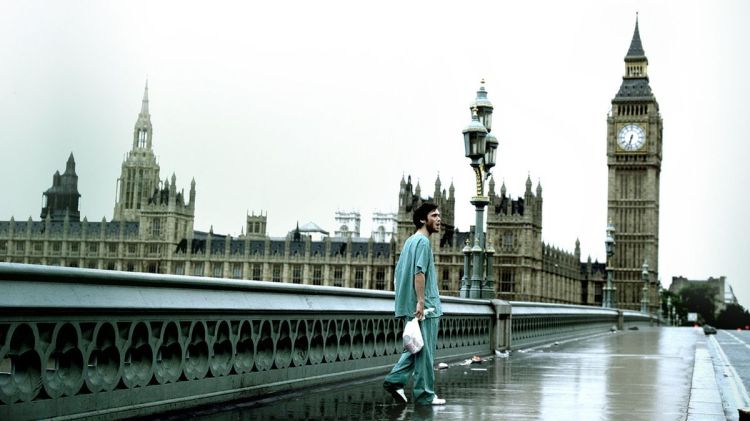
28 Days Later is a Danny Boyle-directed post-apocalyptic horror film that follows the journey of four survivors in a world devastated by a highly contagious virus. The narrative is as bleak as the deserted London streets the protagonists traverse, with moments of hope punctuated by intense scenes of terror and despair.
This film effectively uses its handheld camera to communicate the desperation and chaos of its post-apocalyptic setting. The often shaky and raw footage contributes to the story’s sense of realism and urgency. Yet, some viewers may find the film’s graphic violence and disturbing themes hard to stomach, and the third act’s shift in tone can feel jarring compared to the tense survival narrative of the first two parts.
The handheld camera work in 28 Days Later is particularly effective in the opening sequence, where the protagonist wanders through the desolate streets of London. Handheld cameras throughout the film create a sense of immediacy and realism, making the horror of the situation feel all the more tangible. The film’s influential use of the handheld camera technique and its compelling story make it a standout entry in the zombie genre.
Paranormal Activity (2007)
Paranormal Activity follows a young couple who start filming strange occurrences in their new home, suspecting that it might be haunted. The film’s plot unravels almost entirely through the lens of their handheld camera, which captures increasingly terrifying supernatural events.
The film’s strength lies in its simplicity and ability to create suspense and terror from everyday domestic situations. However, it is slow-paced, and its reliance on “jump scares” can be frustrating for some viewers, and the characters’ decisions to continue filming even in extreme situations can strain believability.
Despite these criticisms, Paranormal Activity‘s use of handheld cameras is exemplary. The night-time time-lapse sequences, where the camera is set on a tripod recording the couple’s bedroom, are particularly effective in building suspense.
[Rec] (2007)
The Spanish found-footage horror film [Rec] follows a television reporter and her cameraman who are trapped inside a building quarantined due to a mysterious virus. The film’s story unfolds in real-time, escalating the tension as the characters’ situation becomes increasingly dire.
[Rec] excels at creating a claustrophobic atmosphere of dread and panic, and its handheld camera work lends a sense of authenticity to the unfolding chaos. On a more negative note, the film’s plot can be somewhat thin, and its characters lack depth.
The handheld camera technique is used masterfully in [Rec], particularly in the film’s climactic scenes in the apartment block’s darkened penthouse. The camera’s night vision mode renders these scenes even more terrifying, which bathes everything in an eerie, unnatural light.
The Hurt Locker (2008)
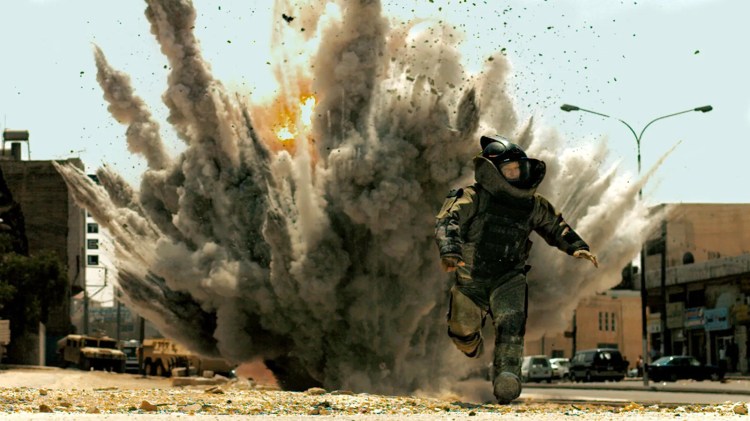
Kathryn Bigelow‘s The Hurt Locker is a war film that follows a bomb disposal team during the Iraq War. The film’s plot focuses on the team’s new leader, whose reckless behaviour puts his men at risk.
The film’s handheld camera captures the tension and danger of the team’s work, creating a visceral viewing experience that puts viewers in the heart of the action. The handheld camera work in The Hurt Locker is exceptional.
The bomb-defusing scenes, shot with a shaky camera, are particularly tense, heightening the sense of danger and unpredictability. The film’s effective use of handheld cameras makes it a thrilling watch and contributes to a more immersive and realistic portrayal of war in cinema.
Cloverfield (2008)
The science fiction found-footage film Cloverfield follows a group of friends trying to survive in New York City during a monstrous alien attack. The story is told through the lens of a camcorder found in the aftermath of the attack.
While the film’s unique perspective adds a sense of realism and immediacy to the story, it also limits character development and plot depth. Some viewers may find the shaky camera work nauseating, and the film’s abrupt ending can be unsatisfying.
The first glimpse of the monster through the dust and debris of a collapsing building is particularly memorable, as is the climactic scene in Central Park. While not without its faults, Cloverfield‘s unique perspective and thrilling action sequences make it a standout entry in the found-footage genre.

District 9 (2009)
Neill Blompkamp’s District 9 is a science fiction film set in an alternate universe where aliens have become refugees in South Africa. The story follows a government agent who becomes the target of a massive manhunt after an accident leaves him mutating into an alien.
The film successfully uses its handheld camera work to blend elements of documentary and traditional narrative elements, lending a sense of authenticity to its unique premise. However, some viewers may find the film’s graphic violence and disturbing themes off-putting, and the third act’s shift in tone can feel jarring.
The handheld camera work in District 9 is particularly effective in the opening sequence, which introduces the premise through a series of interviews and news footage. Handheld cameras throughout the film create a sense of immediacy and realism, making the film’s social commentary feel all the more poignant.
End of Watch (2012)
End of Watch is a police drama that follows the daily lives of two LAPD officers. The story is told primarily through the officers’ handheld cameras, giving viewers an intimate look at their experiences on the job.
The film’s handheld camera work adds an extra layer of realism to the story, creating a sense of immediacy and danger during the action sequences. However, some viewers may find the film’s graphic violence and disturbing themes hard to stomach. The characters’ decision to continue filming even in extreme situations can also strain believability.
Despite these criticisms, End of Watch showcases some impressive handheld camera work. The final shootout scene, filmed from the perspective of the officers’ body cameras, is particularly intense and immersive.

The Dirties (2013)
The Dirties is a found-footage drama about two high school friends who decide to make a movie about getting revenge on their bullies. As their project progresses, the line between fiction and reality begins to blur, leading to a chilling climax.
The film’s handheld camera work adds a layer of authenticity to the story, making the viewer feel like a silent observer of the character’s descent into darkness. However, its heavy reliance on improvisation can sometimes lead to uneven pacing and unclear storytelling.
The film’s climactic scene, shot in a handheld style that mimics the characters’ own filming, is particularly effective in conveying the horror of the situation.
Tangerine (2015)
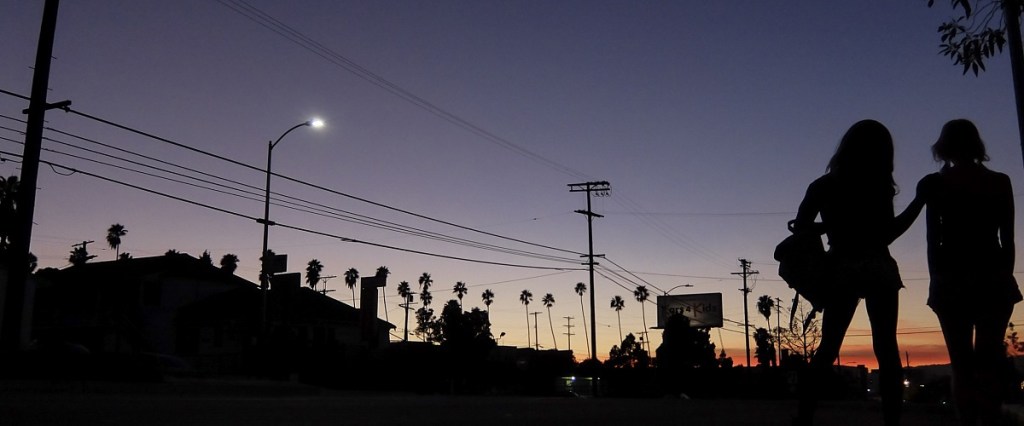
Tangerine is a drama that follows the story of a transgender sex worker who discovers her boyfriend and pimp has been unfaithful to her. The film is notable for being shot entirely on iPhones, an unconventional choice that adds a unique aesthetic to the film.
The film’s handheld camera work gives it a raw, gritty feel that complements its story and setting. The film’s chase scenes, shot with a shaky, handheld camera, are particularly intense and immersive.
 Bronze Screen Dream
One response to “10 Movies Filmed With A Handheld Camera Worth Watching”
[…] 10 Movies Filmed With A Handheld Camera Worth Watching. (2023, October 29). Retrieved from https://bronzescreendream.com/2023/05/20/movies-filmed-with-a-handheld-camera-worth-watching/ […]
LikeLike