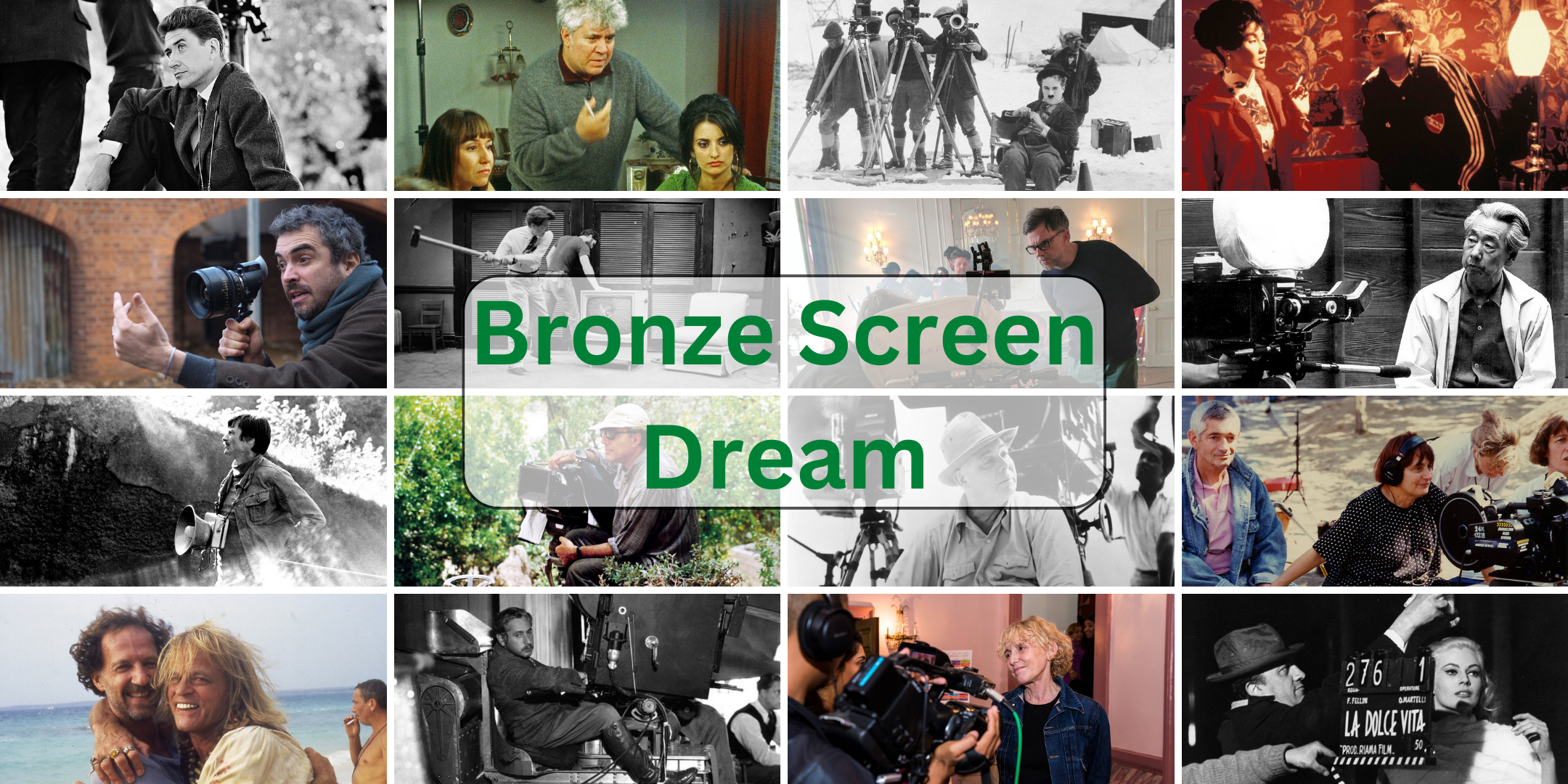
The 1950s saw the birth of numerous directors who were to redefine cinema in various ways. Among them, European auteur filmmakers such as Chantal Akerman stood out with their minimalist and real-time narrative approach, often capturing the banal aspects of everyday life in a profound way. Their work stands in contrast to the social realist dramas of the Dardenne brothers, who made a name for themselves by depicting the struggles of the working class in a sober, unembellished realism.
Emir Kusturica, on the other hand, imbued his films with a lively energy and rich musicality that often reflected the pulsating chaos of life and thus clearly stood out from the austerity of his European colleagues. Lars von Trier and Aki Kaurismaeki further expanded the European cinema landscape, with von Trier becoming a figurehead of the Dogme 95 movement with his challenging themes and Kaurismaeki known for his distinctive dry humour and subliminal narrative style.
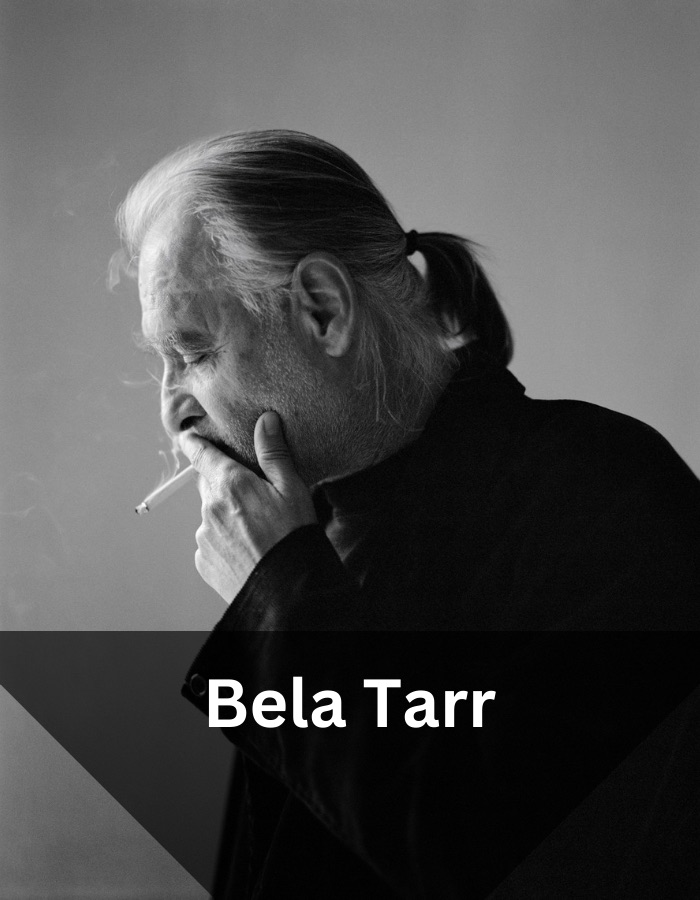
In contrast to the more kinetic works of some of their contemporaries, directors such as Nuri Bilge Ceylan, Béla Tarr, Aleksandr Sokurov and Pedro Costa became known for their contribution to ‘slow cinema.’ This cinematic movement is characterised by its deliberate pace, long takes, and often introspective nature. Ceylan’s films, for instance, are renowned for their naturalistic and contemplative style, while Tarr’s works are noted for their existential themes and stark, haunting long takes. Sokurov’s poetic and philosophical filmmaking and Costa’s profound work on the Fontainhas trilogy further exemplify the depth and diversity of this style.
Moving eastward, the Asian auteurs of this era brought a new sensibility to cinema. Zhang Yimou’s films are a kaleidoscope of colour, weaving Chinese historical and cultural narratives into visually striking stories. Lee Chang-dong’s deep humanistic dramas probe the very soul of his characters, while Ang Lee’s diverse oeuvre often explores themes of cultural identity. The minimal dialogue and slow pace of Tsai Ming-liang’s films invite viewers into a meditative state, contrasting with the romantic and visually lush narratives of Wong Kar-wai.
Hollywood & Independent Cinema
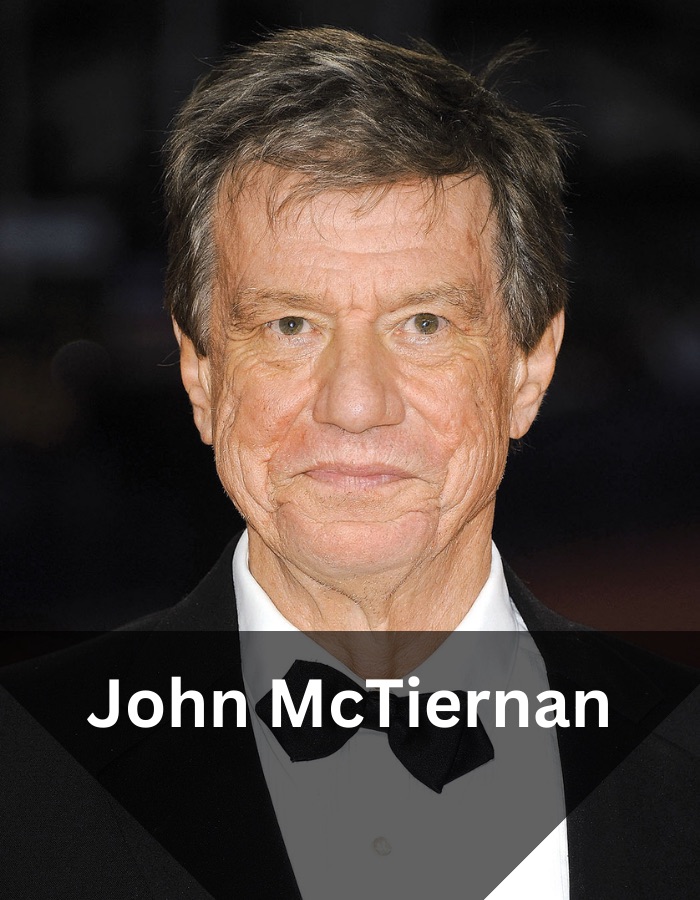
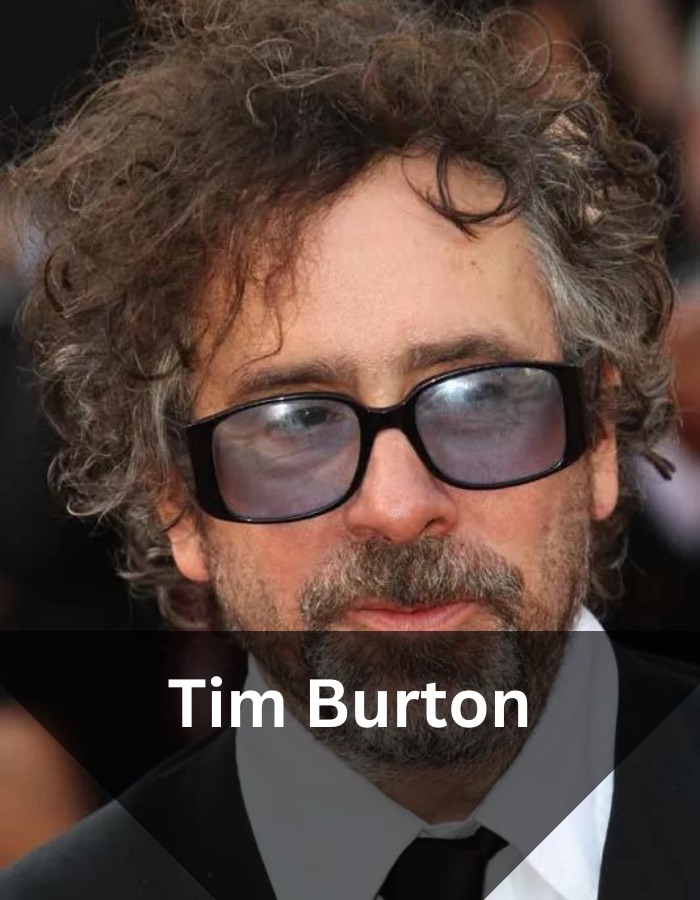
In the realm of mainstream and genre films, directors born in the 1950s also made their mark with notable innovation. John McTiernan revolutionised the action genre with his blockbuster films. Robert Zemeckis pushed the boundaries of adventurous and effects-driven storytelling, while James Cameron became synonymous with science fiction epics and large-scale productions. Spike Lee’s films often provided a platform for exploring social and political issues, particularly in relation to race, and Tim Burton’s gothic fantasy worlds populated with quirky characters became iconic in their own right.
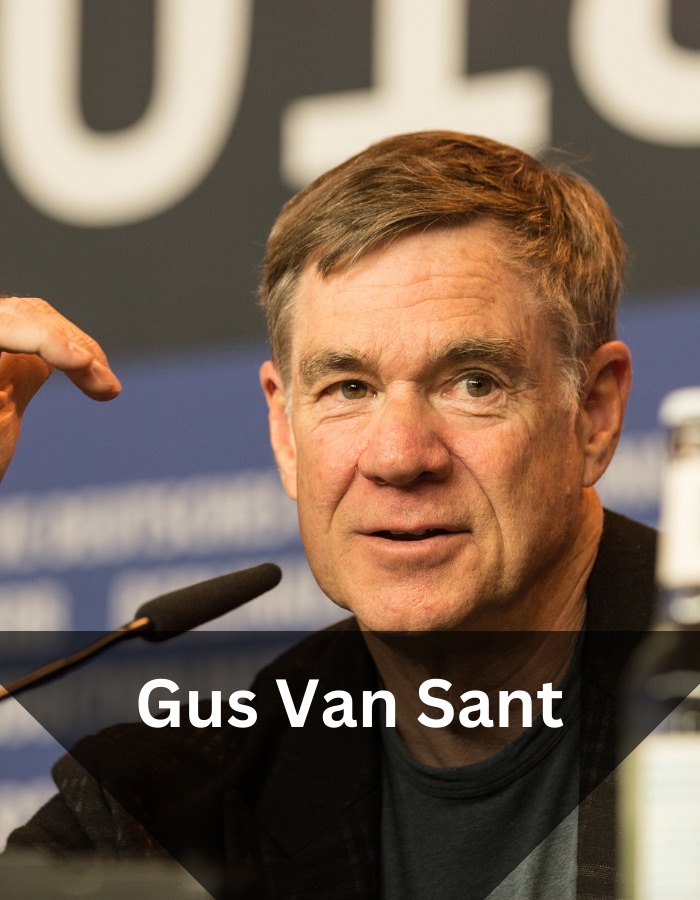
The independent and cult film scene of this era was equally vibrant. Gus Van Sant’s varied career encompassed both mainstream successes and arthouse films, often exploring LGBT themes with sensitivity and depth. The Coen Brothers became renowned for their distinctive fusion of dark comedy, drama, and crime, creating a genre almost unto themselves. Jim Jarmusch’s cool minimalism and deadpan style carved out a niche in indie cinema. At the same time, Jane Campion’s films, featuring complex female protagonists and richly detailed settings, provided a unique female perspective in a predominantly male-dominated industry.
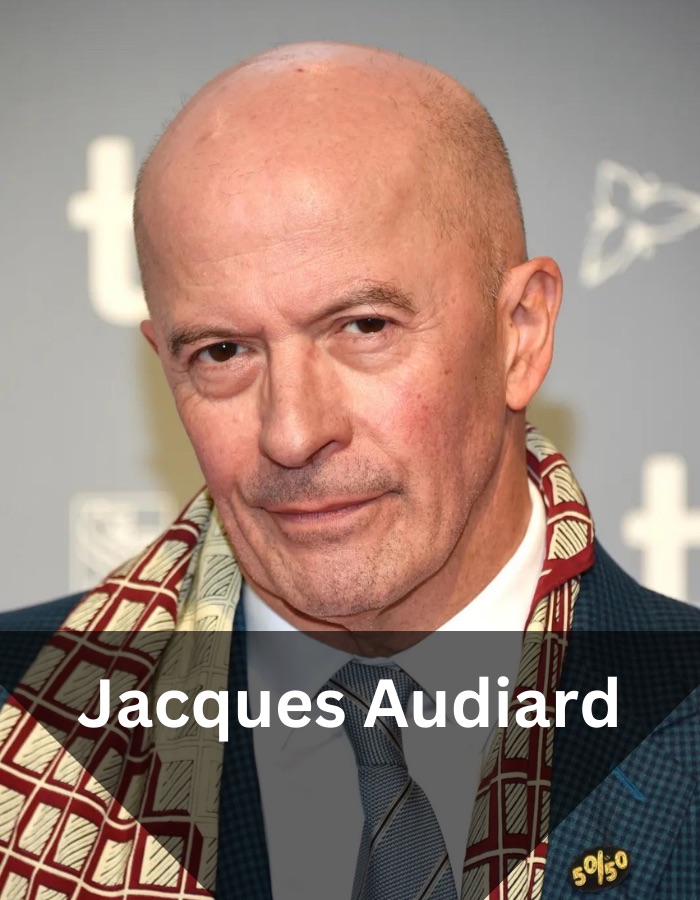
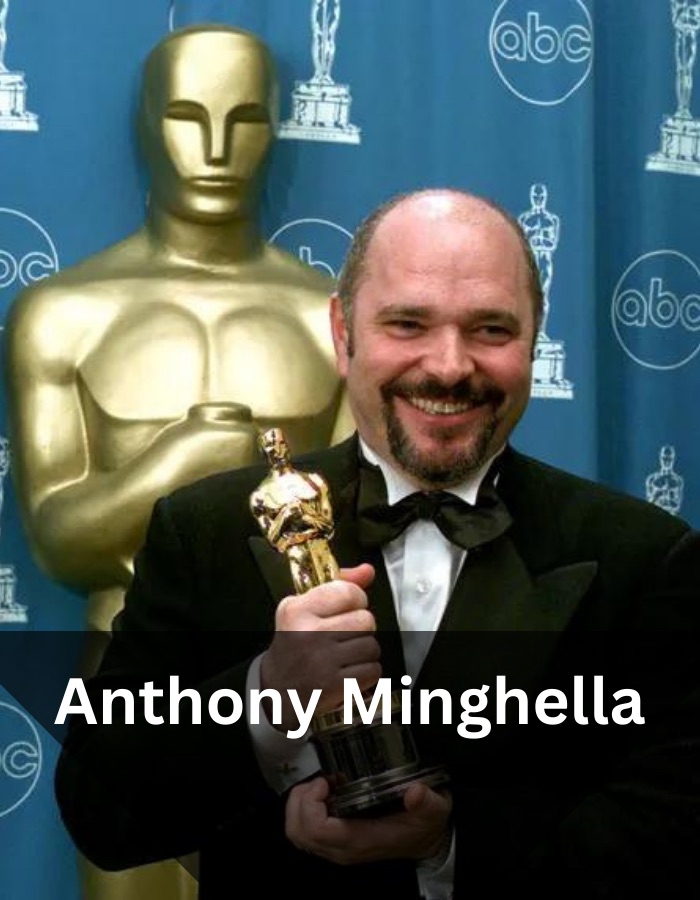
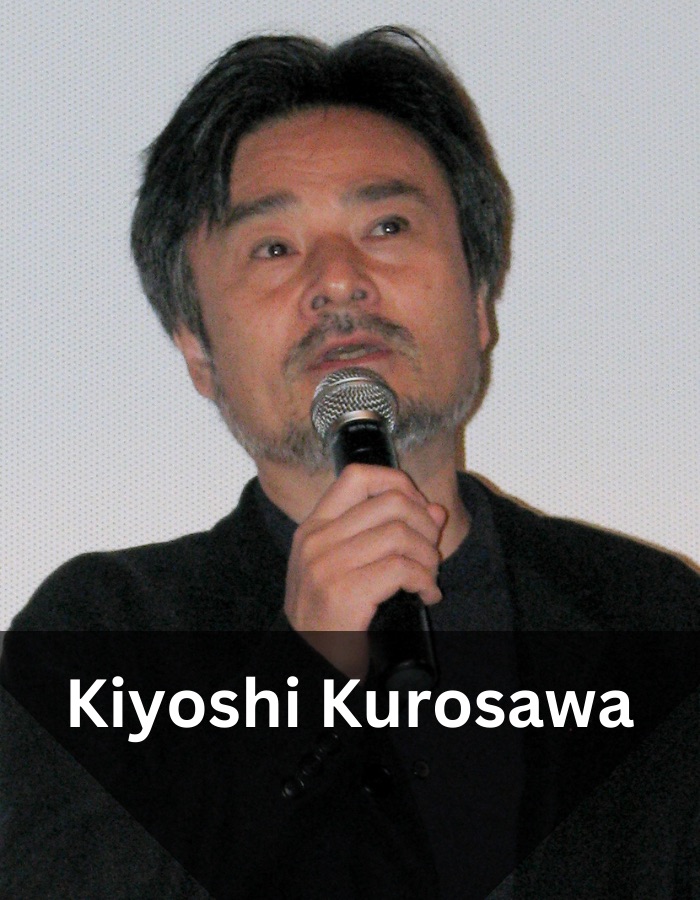
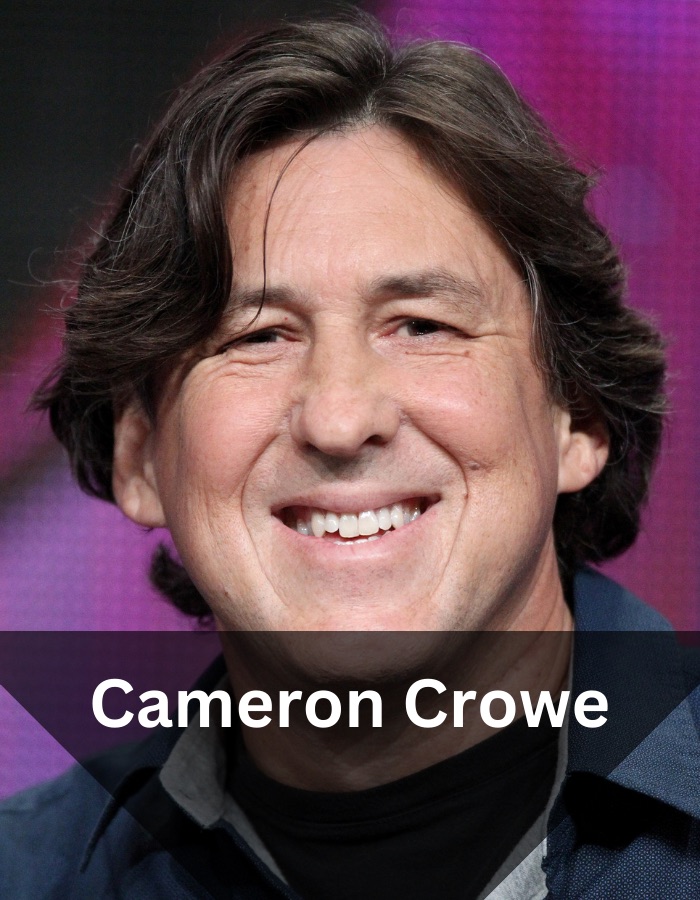
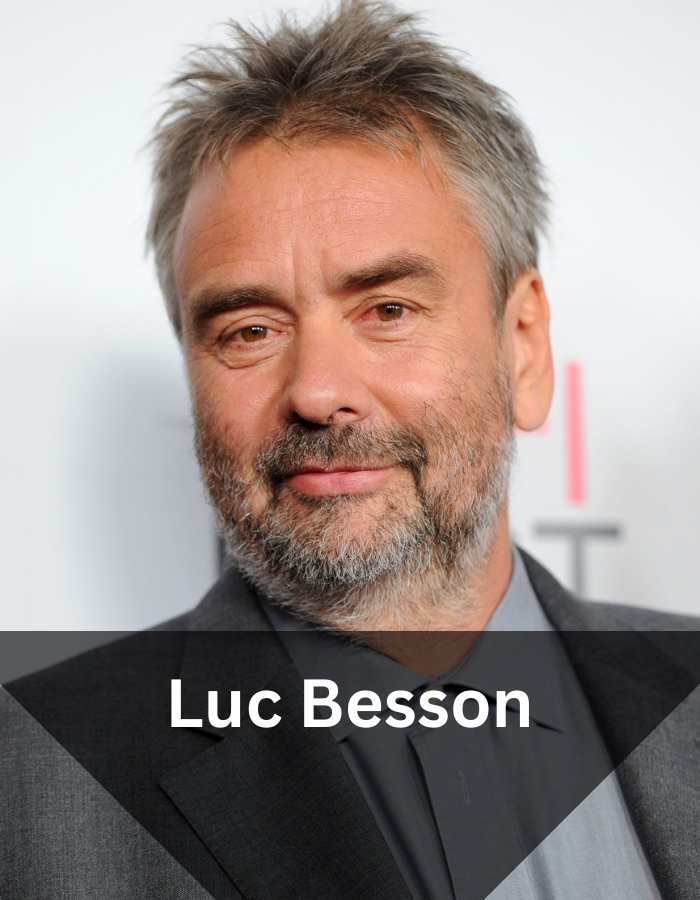
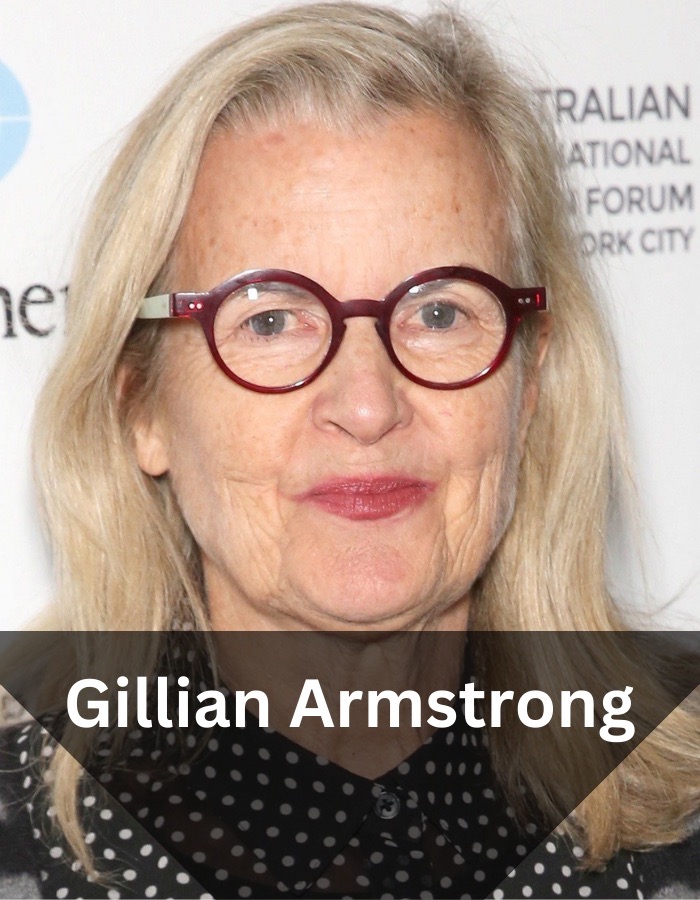
Click on the directors’ pictures to look at their profiles.










































 Bronze Screen Dream