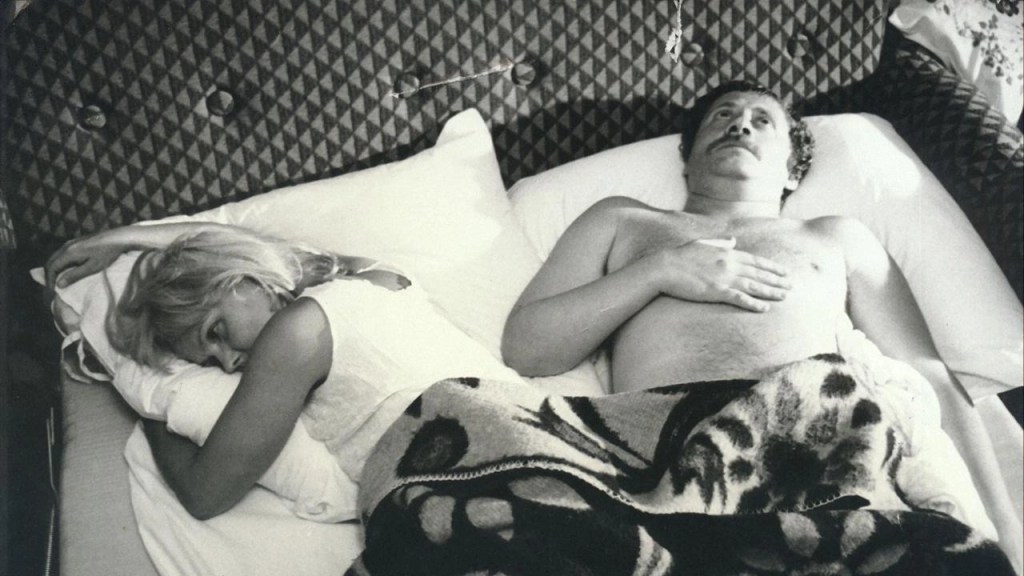
Bela Tarr

Béla Tarr made seven features over four decades and then stopped, announcing after The Turin Horse in 2011 that he had nothing left to say. It’s the kind of statement that could sound like affectation from most directors. From Tarr it feels entirely consistent with the seriousness with which he approached the whole enterprise.
He started young and started differently — Family Nest and the early films are rough, socially-engaged works in a documentary style, portraits of working-class Hungary that owe more to the kitchen-sink tradition than anything you’d associate with his later reputation. The transformation came through his collaboration with the novelist László Krasznahorkai, whose apocalyptic sensibility and circling, obsessive prose gave Tarr the literary anchor his ambitions needed. Sátántangó — seven and a half hours, shot in a bleak Hungarian landscape, structured around a con man’s return to a failing collective farm — arrived in 1994 and was immediately recognised as something singular. Roger Ebert watched it twice in a single day.
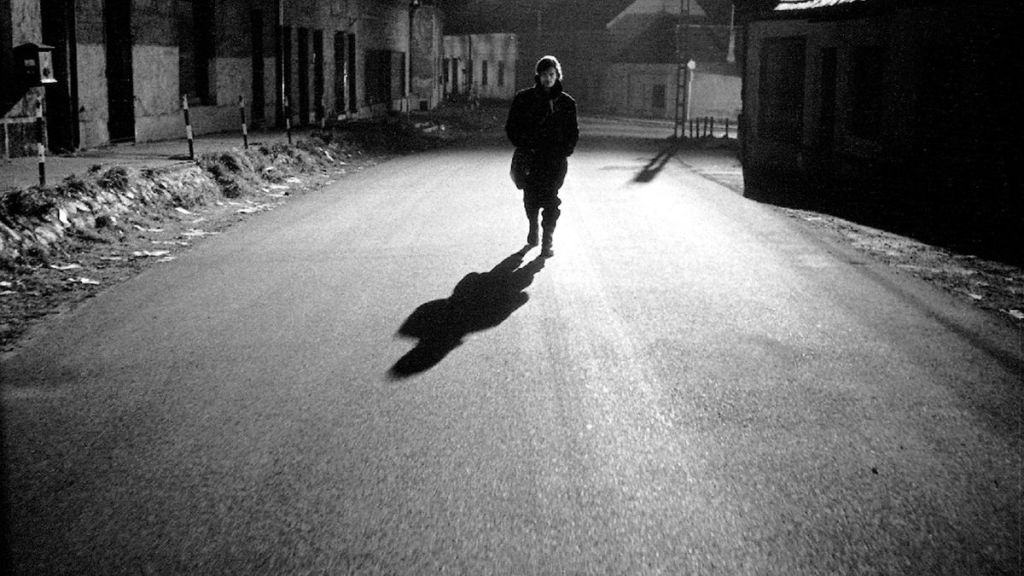
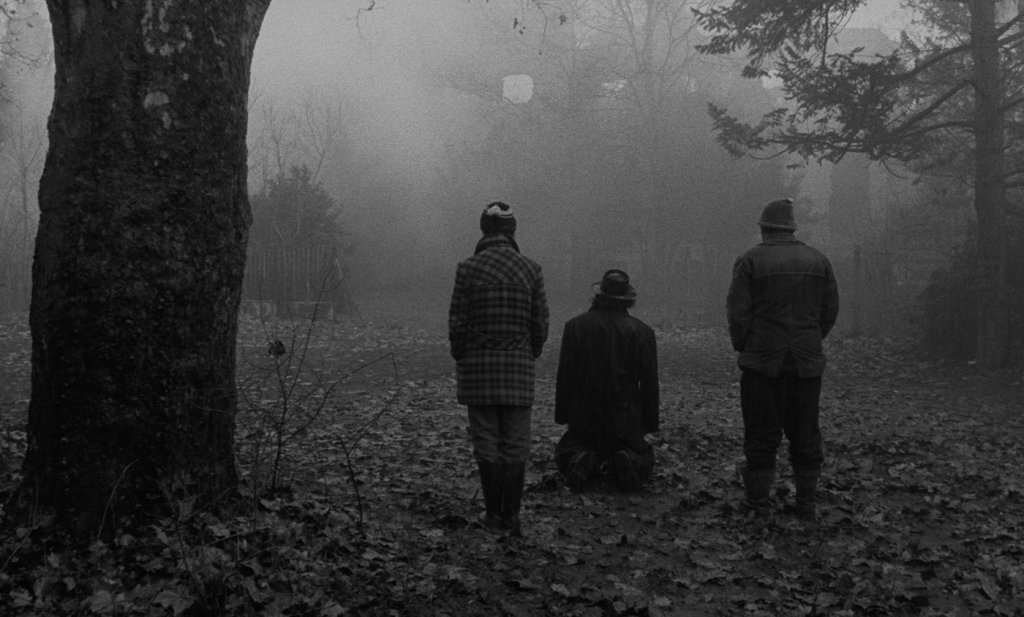
What defines the mature work is the long take pushed to an almost philosophical extreme. The camera moves slowly through rain, mud, decaying interiors, following figures whose lives have been comprehensively defeated by history and circumstance. This isn’t slow cinema as aesthetic affectation — it’s slow cinema as moral position, a refusal to look away or provide the relief of a cut. Werckmeister Harmonies distils this to something close to perfection at a more manageable two hours.
The Turin Horse ends with the lamp going out and darkness. Then he stopped. It’s hard to argue with the logic of it.

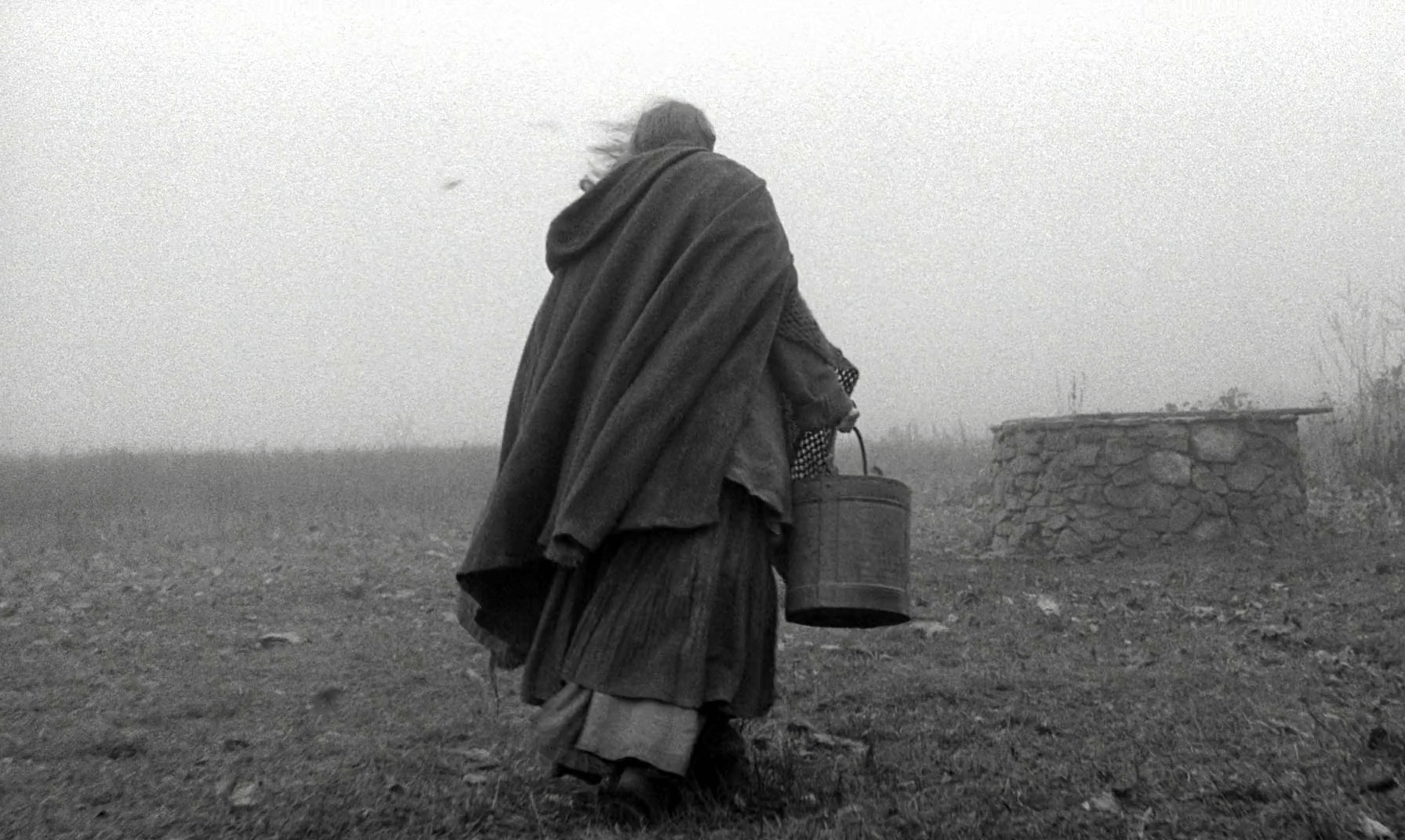
Bela Tarr (1955 – 2026)
- 1979 – Family Nest
- 1981 – The Outsider
- 1982 – The Prefab People
- 1984 – Almanac of Fall
- 1988 – Damnation
- 1994 – Sátántangó
- 2000 – Werckmeister Harmonies
- 2007 – The Man from London
- 2011 – The Turin Horse
- Existential Despair and Absurdity: His films frequently delve into themes of existential despair and the absurdity of human existence, reflecting on life’s inherent meaninglessness and the perpetual struggle of individuals to find purpose.
- Social Commentary: Tarr’s work often incorporates sharp social commentary, addressing issues of poverty, class disparity, and societal decay. Through his lens, viewers are invited to contemplate the social forces and circumstances that shape human life.
- Human Nature and Morality: With a philosophical bent, his films explore the complexities of human nature and morality, questioning the intrinsic goodness or corruptibility of individuals within the vast canvas of existence.
- Long Takes: One of Tarr’s signature styles is the use of long, unbroken takes, allowing scenes to unfold in real-time. This approach not only demands impeccable performances and meticulous planning but also immerses the audience in the story’s atmosphere and tension.
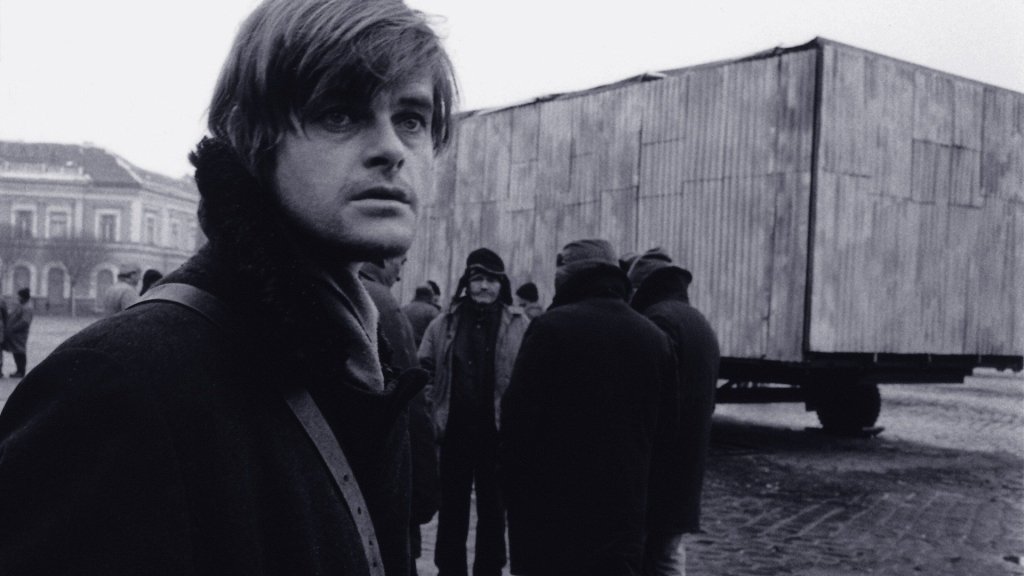
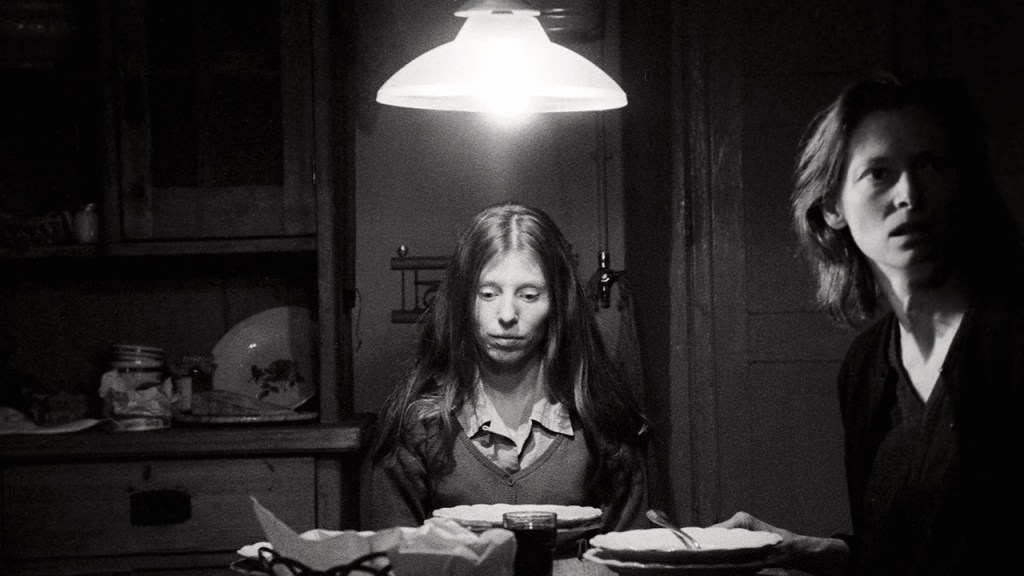
- Black and White Cinematography: Many of his films, notably Satantango and Werckmeister Harmonies, utilise black and white cinematography, which adds a timeless, surreal quality to the visual narrative.
- Minimalism: Tarr’s visual style is often minimalist, with sparse settings and a limited colour palette, reflecting the bleakness and simplicity of the lives and landscapes he portrays.
- Slow Cinema: Bela Tarr is a prominent figure in the “slow cinema” movement, which is characterised by long takes, slow pacing, and a focus on atmosphere over traditional narrative structure. This style invites viewers to engage with the film on a deeper, more contemplative level.
- Non-Professional Actors: Tarr often works with non-professional actors, drawing out performances that are raw and authentic. This approach enhances the realism and immediacy of his films, connecting audiences to the characters and their plights in a profound way.
- Atmospheric Soundscapes: The filmmaker pays meticulous attention to the sound design in his films, crafting atmospheric soundscapes that complement the visual narrative. Whether through the use of music, ambient noise, or silence, Tarr’s sound design plays a crucial role in establishing mood and tone.
- Collaboration with Composer Mihály Víg: Tarr has a longstanding partnership with Hungarian composer Mihály Víg, whose haunting, melancholic music is integral to the atmosphere and emotional resonance of the films.
- Aki Kaurismaki
- Aleksandr Sokurov
- Andrei Tarkovsky
- Carl Theodor Dreyer
- Carlos Reygadas
- Denis Cote
- Fred Kelemen
- Gus Van Sant
- Ingmar Bergman
- Kornél Mundruczó
- Laszlo Nemes
- Lav Diaz
- Lisandro Alonso
- Miklos Jancso
- Nuri Bilge Ceylan
- Robert Bresson
- Sarunas Bartas
- Theo Angelopoulos
Read More About Bela Tarr
Coming soon as posts added