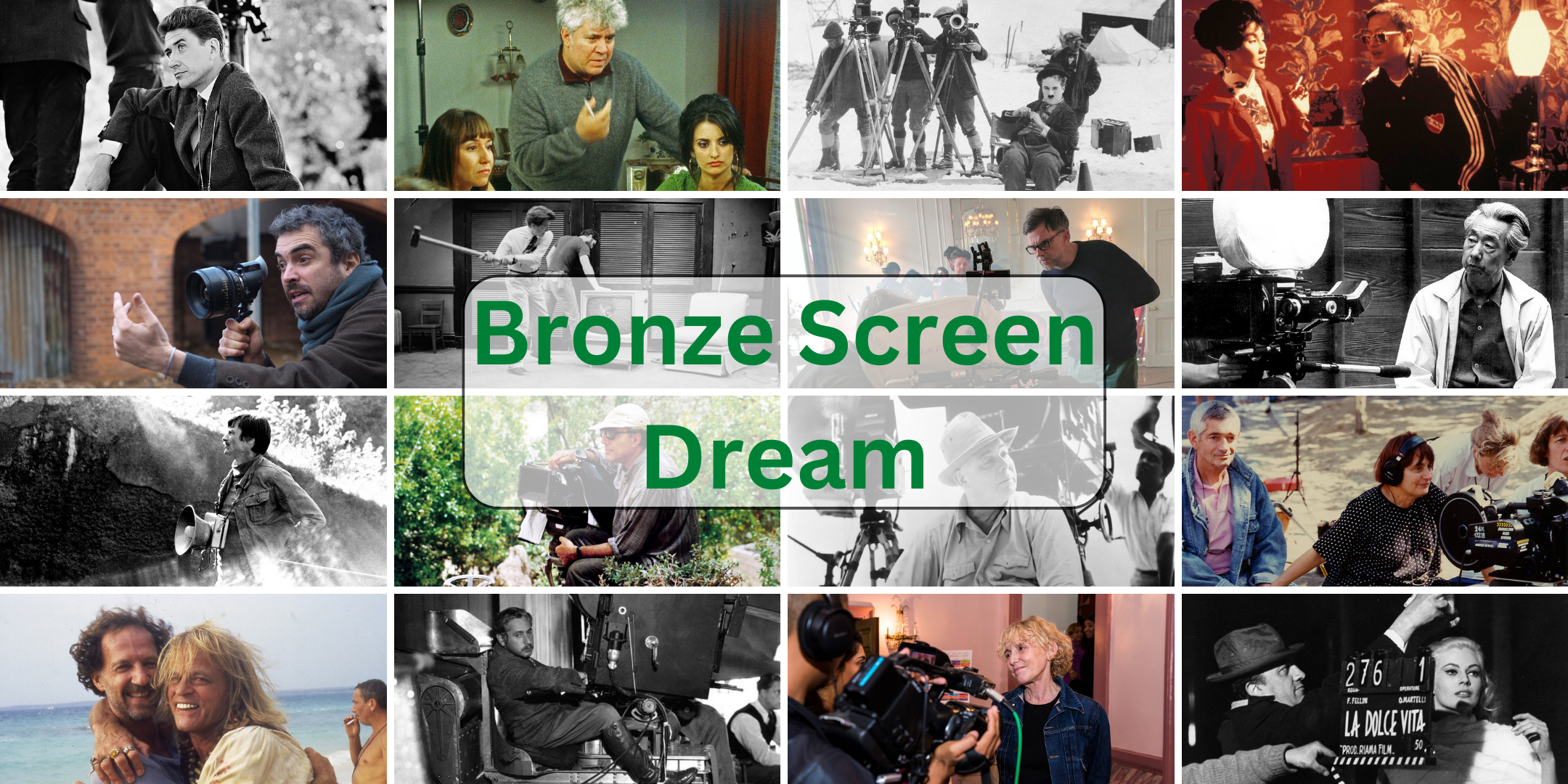

Zhang Yimou, a celebrated Chinese filmmaker, is renowned for his intricate explorations of Chinese history, society, and culture. Garnering international recognition, his films Red Sorghum, Raise the Red Lantern, and Hero are often lauded for their vibrant visual storytelling, compelling narratives, and profound thematic depth.
Born into a family with a military background, Zhang’s initial aspirations leaned toward painting and photography, both of which he pursued at the Beijing Film Academy. His cinematic journey began as a cinematographer for the “Fifth Generation,” a group of filmmakers known for their post-Cultural Revolution films. Themes such as the individual versus society, historical trauma, and female struggles in a patriarchal culture recur throughout his filmography. This is evident in Raise the Red Lantern, which tackles oppressive societal norms and gender issues in 1920s China.
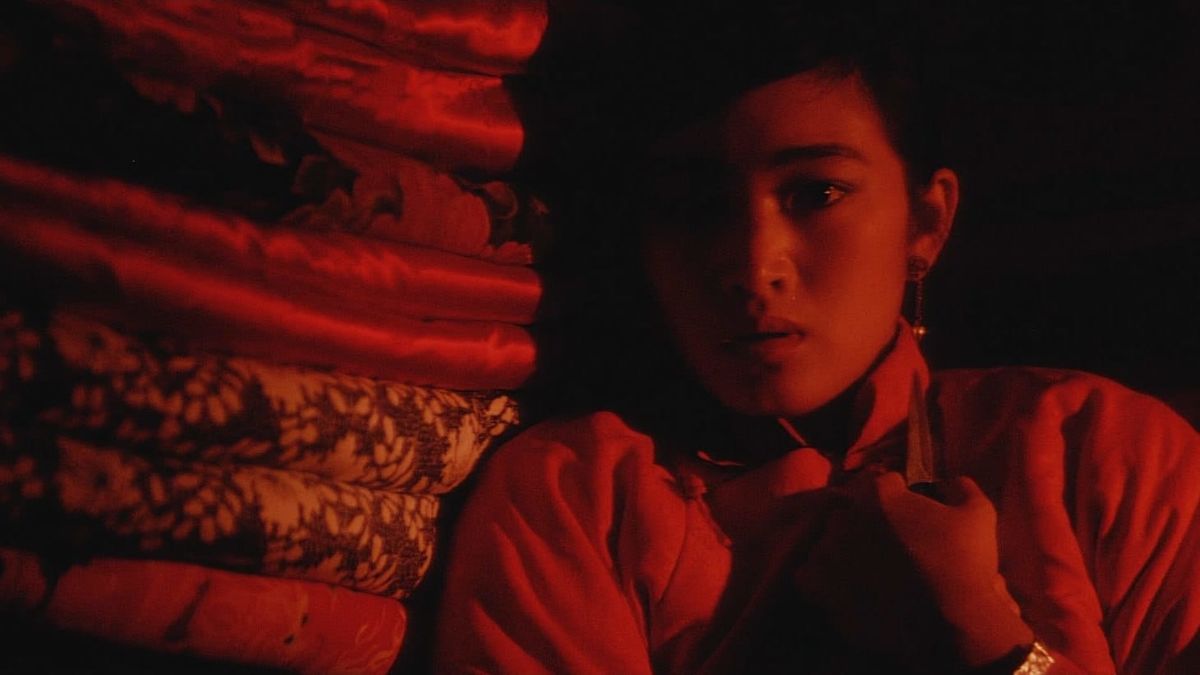
Zhang’s distinct visual style is often characterised by its rich and symbolic use of colour. His films are drenched in aesthetically intoxicating hues, each deliberately chosen to add layers of meaning. In Hero, the use of different colour schemes in distinct segments symbolises varying perspectives and emotional tones. Moreover, Zhang’s eye for composition, possibly a remnant of his background in photography, creates stunningly beautiful shots that are equally symbolic.
Visual Poetry in Motion
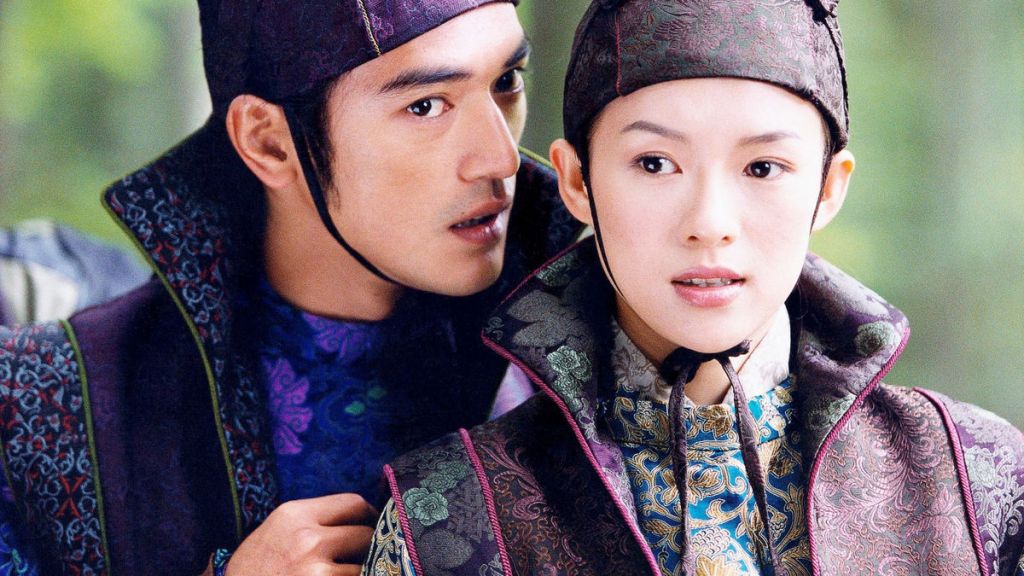
Zhang’s filmmaking approach is also distinctive in its exploration of genre. He successfully blends traditional Chinese aesthetics and narrative forms with elements of Western genres. This is particularly noticeable in House of Flying Daggers and Hero, where he combines the martial arts genre with elements of romantic tragedy and political intrigue.
Zhang’s influence on cinema in China and globally is substantial. His films, lauded for their aesthetic beauty and thematic depth, have been critical in promoting Chinese cinema on the global stage. Directors such as Quentin Tarantino and Wong Kar-wai have expressed their admiration for his work. Zhang’s films also initiated a renewed critical appreciation for Asian cinema in the West, paving the way for future filmmakers from the region. His blending of visual artistry, narrative depth, and traditional storytelling continues to shape the language of contemporary cinema.

Zhang Yimou (1951 –)
Calculated Films:
- Red Sorghum (1987)
- Ju Dou (1990)
- Raise The Red Lantern (1991)
- The Story of Qiu Ju (1992)
- To Live (1994)
- The Road Home (1999)
- Hero (2002)
Similar Filmmakers
- Akira Kurosawa
- Ang Lee
- Ann Hui
- Bernardo Bertolucci
- Chen Kaige
- Feng Xiaogang
- He Ping
- Hou Hsiao-hsien
- Jia Zhangke
- Jiang Wen
- Kenji Mizoguchi
- King Hu
- Lee Chang-dong
- Lou Ye
- Tian Zhuangzhuang
- Tsui Hark
- Wong Kar-wai
- Zhang Yuan


Zhang Yimou’s Top 10 Films Ranked
1. Raise the Red Lantern (1991)
Genre: Drama

2. To Live (1994)
Genre: Period Drama, Political Drama, Family Drama
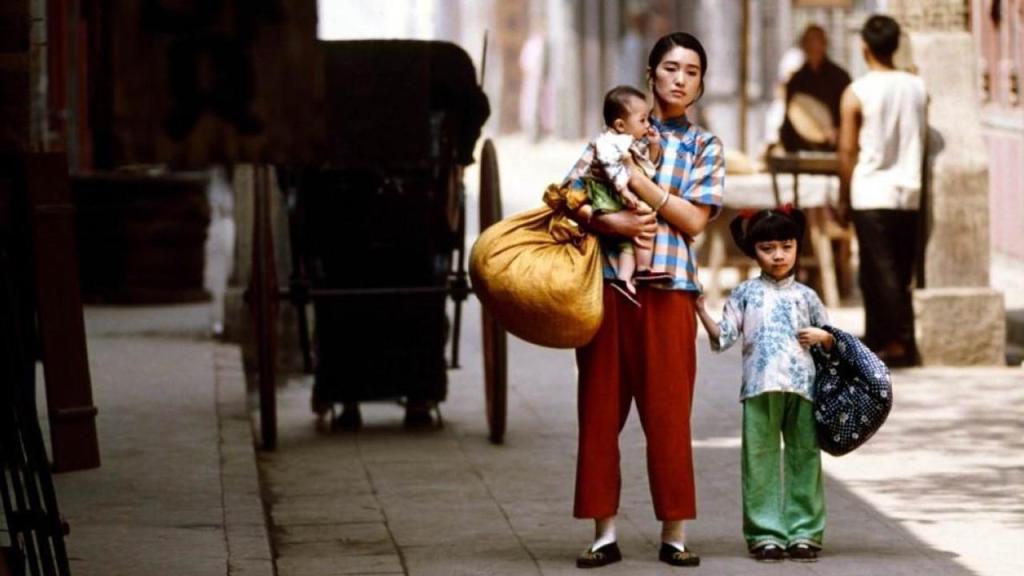
3. Ju Dou (1990)
Genre: Drama, Romance, Period Drama

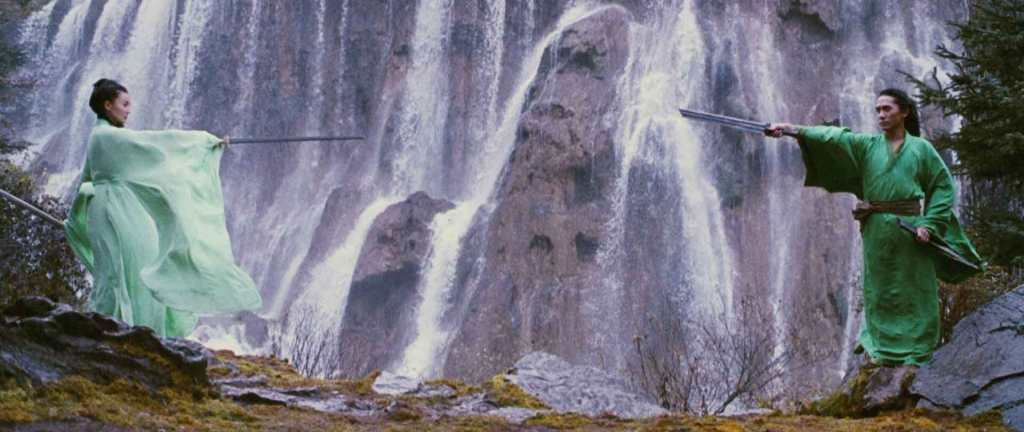
4. Hero (2002)
Genre: Wuxia, Period Drama, Epic
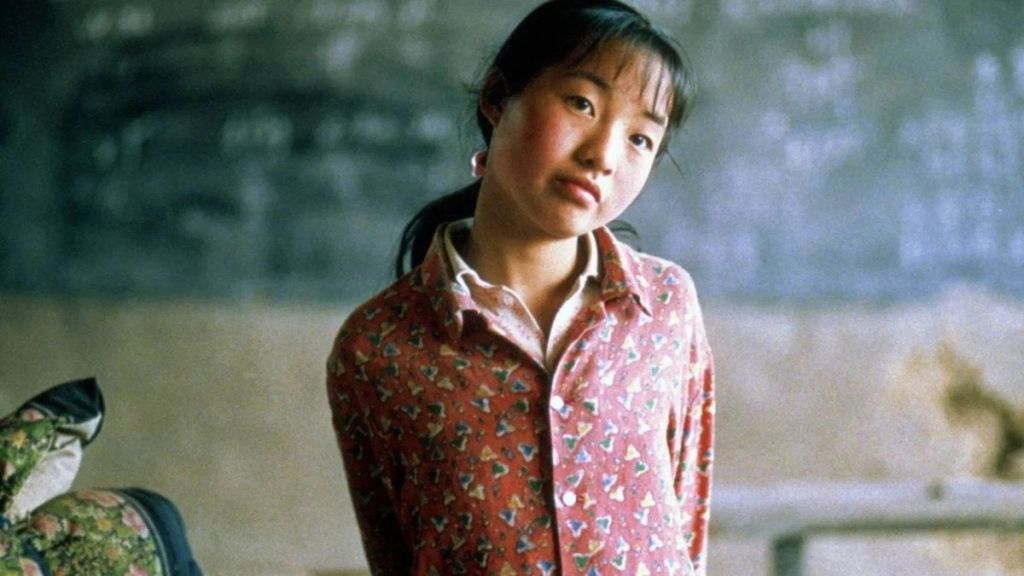
5. Not One Less (1999)
Genre: Drama
6. The Story of Qiu Ju (1992)
Genre: Drama

7. Red Sorghum (1987)
Genre: Period Drama

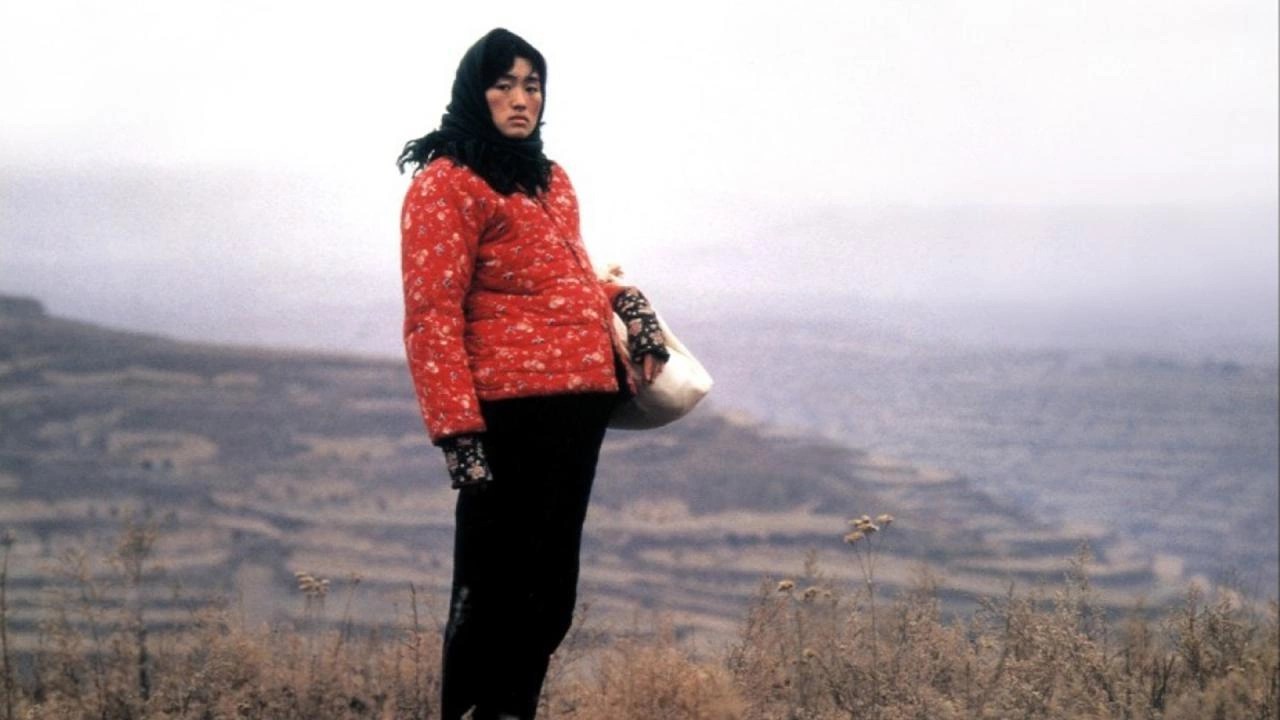
8. The Road Home (1999)
Genre: Romance, Drama

9. House of Flying Daggers (2004)
Genre: Wuxia, Romance
10. Keep Cool (1997)
Genre: Black Comedy

Zhang Yimou: Themes and Style
Themes:
- Cultural & Historical Reflection: Zhang’s films frequently dive into China’s rich historical tapestry, reflecting societal changes and tensions, as seen in Raise the Red Lantern and To Live.
- Societal Structures & Restrictions: Many of Zhang’s works, like Not One Less and The Story of Qiu Ju, grapple with societal norms, particularly as they affect women and the less privileged in Chinese society.
- Love & Sacrifice: Emotional tales of love, longing, and sacrifice against the backdrop of societal constraints feature prominently, as in House of Flying Daggers and Coming Home.
- Resilience & Resistance: Zhang’s characters often embody strength and quiet resistance against oppressive forces, whether in the grand historical settings of Hero or the more contemporary rural landscape of The Road Home.
- Modernisation & Tradition: Zhang reflects on the tug-of-war between traditional values and rapid modernisation in China, with films like Happy Times serving as poignant commentaries.
Styles:
- Visual Splendor: Renowned for his extraordinary visual aesthetic, Zhang’s films are often a feast for the eyes, with meticulous attention to colour, composition, and choreography.
- Symbolic Use of Color: Zhang uses colour not just as a visual tool but also as a narrative device. For instance, the recurring motif of the red lantern in Raise the Red Lantern is both visually striking and deeply symbolic.
- Epic Scale & Choreography: Films like Hero and House of Flying Daggers showcase Zhang’s penchant for large-scale, intricately choreographed sequences, especially evident in his martial arts scenes.
- Intimate Storytelling: Despite the grand scale of many of his films, Zhang’s storytelling remains deeply personal and intimate, focusing on individual experiences and emotions.
- Nuanced Performances: Zhang often elicits profound, subtle performances from his actors, amplifying the emotional depth of his narratives.
Directorial Signature:
- Collaboration with Gong Li: Zhang’s frequent collaboration with actress Gong Li has produced some of Chinese cinema’s most iconic roles and performances.
- Blend of Music & Narrative: Music plays an integral role in Zhang’s films, enhancing emotional resonance and driving the narrative, as with the haunting score of Raise the Red Lantern.
- Cinematic Poetry: Whether capturing the vast landscapes of ancient China or the intricacies of human emotion, Zhang’s direction often evokes a poetic sensibility, with every frame meticulously crafted.
- Political Subtext: While not overtly political, Zhang’s films often contain subtextual critiques or reflections on Chinese society, politics, and history, making them subjects of analysis and, occasionally, controversy.
- Versatility: Zhang’s directorial range is broad, encompassing historical epics, intimate dramas, and even grand spectacles like the Beijing Olympics’ opening ceremony in 2008.
Zhang Yimou: The 125th Greatest Director


 Bronze Screen Dream