
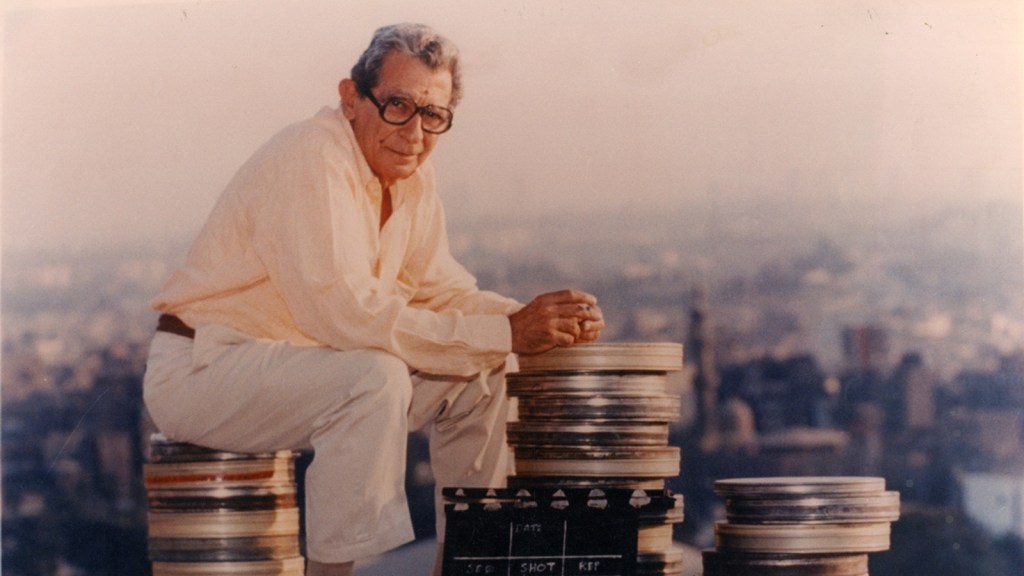
Youssef Chahine was an influential Egyptian film director who made significant contributions to Arab cinema. He is widely regarded as one of the most prominent figures in the history of Egyptian and Middle Eastern filmmaking. Chahine’s films are known for their bold exploration of social, political, and personal themes, often reflecting the complexities and struggles of Egyptian society.
Throughout his career, Chahine tackled a wide range of subjects in his films, including social injustice, corruption, class struggles, and the quest for personal freedom. He often used his own life experiences as inspiration for his work, infusing his films with a deeply personal touch. In his autobiographical trilogy, consisting of Alexandria… Why?, An Egyptian Story, and Alexandria Again and Forever, Chahine explores his own life journey and the sociopolitical landscape of Egypt. He also addressed taboo subjects such as homosexuality and religious extremism, as seen in films like Cairo Station and The Sixth Day, respectively.
Chahine’s films are characterised by their vibrant visual style, innovative storytelling techniques, and masterful use of music. He often employed non-linear narratives, blending reality and fantasy to create a unique cinematic experience. In The Land, Chahine used symbolic imagery and powerful performances to depict the struggle of Egyptian peasants against feudalism. His films also showcased his ability to seamlessly integrate music and dance into the narrative, as exemplified in the musical Destiny. Chahine’s willingness to experiment with form and push the boundaries of conventional storytelling made him one of the few Arab directors to gain an international following.
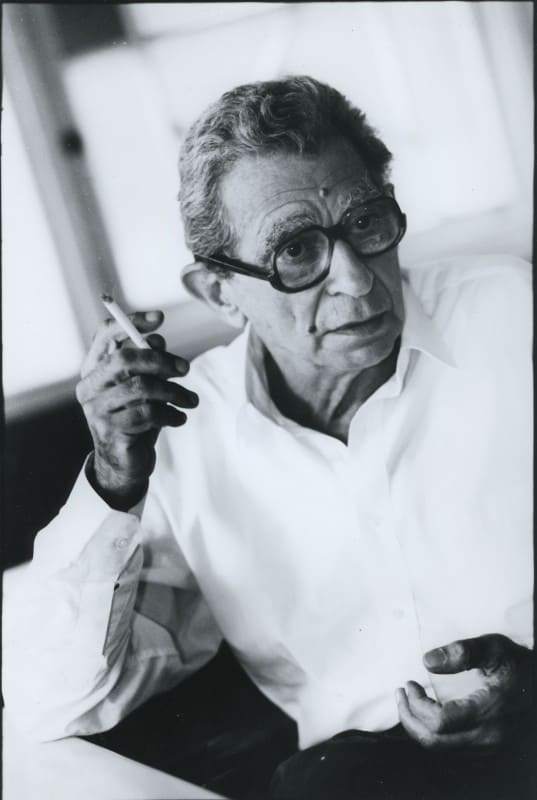
Youssef Chahine (1926 – 2008)
Calculated Films:
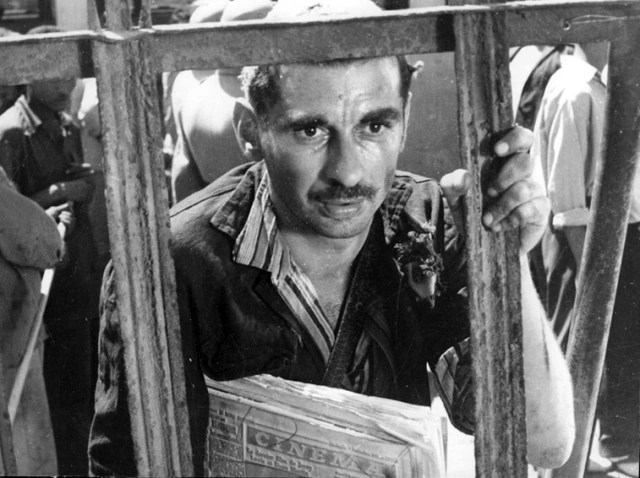
- Cairo Station (1958)
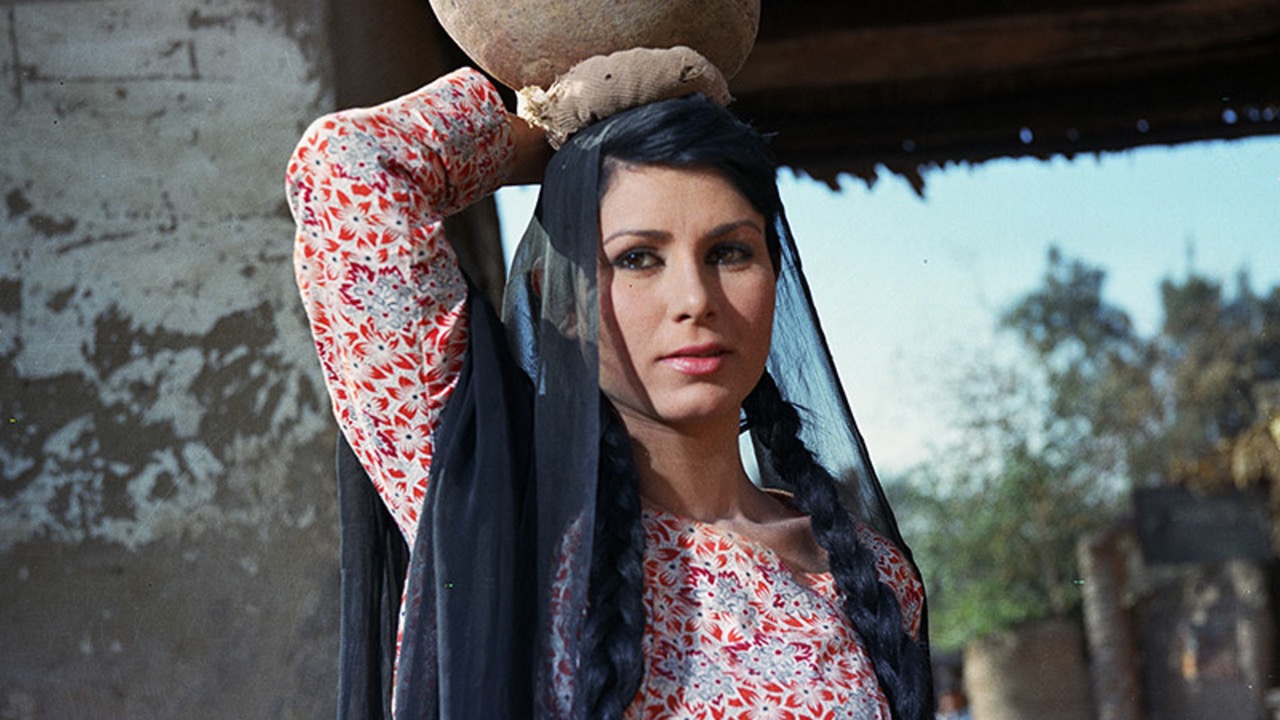
- The Land (1969)
Similar Filmmakers
- Abbas Kiarostami
- Akira Kurosawa
- Ali Khamraev
- Assia Djebar
- Costa-Gavras
- Daoud Abdel Sayed
- Elia Kazan
- Farida Benlyazid
- Gillo Pontecorvo
- Hany Abu-Assad
- Henry Barakat
- Luchino Visconti
- Mohammad Malas
- Rainer Werner Fassbinder
- Raj Kapoor
- Salah Abu Seif
- Satyajit Ray
- Tewfik Saleh



Youssef Chahine’s Top 5 Films Ranked
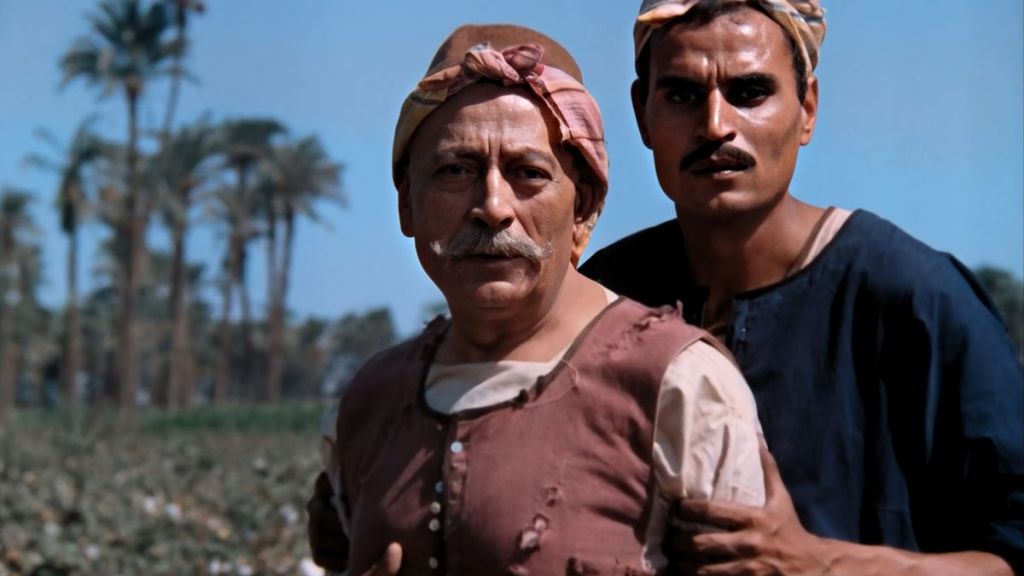
1. The Land (1970)
Genre: Drama
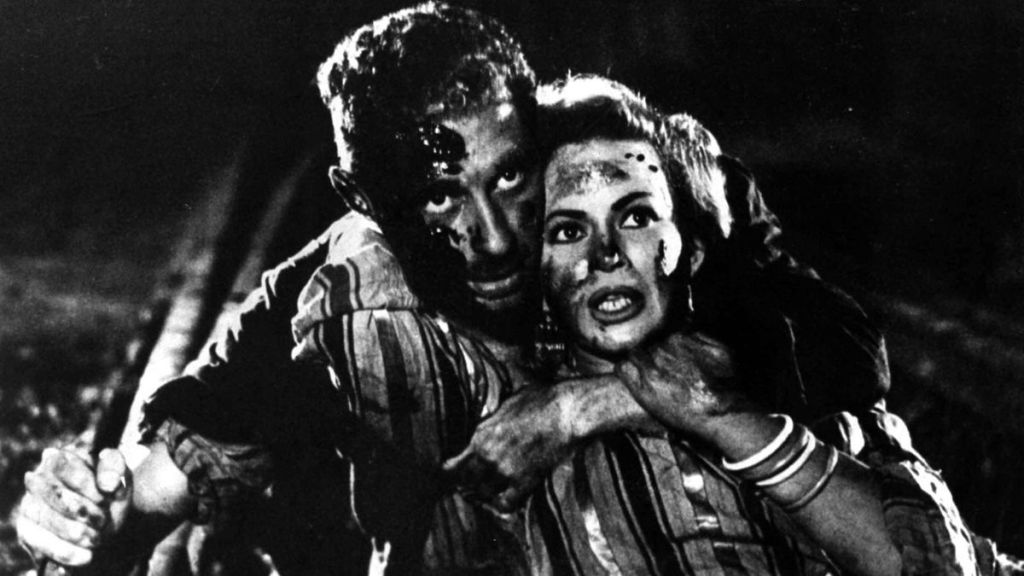
2. Cairo Station (1958)
Genre: Crime, Drama
3. Alexandria… Why? (1979)
Genre: Period Drama, War

4. Return of the Prodigal Son (1976)
Genre: Melodrama, Musical

5. An Egyptian Story (1982)
Genre: Drama, Family Drama
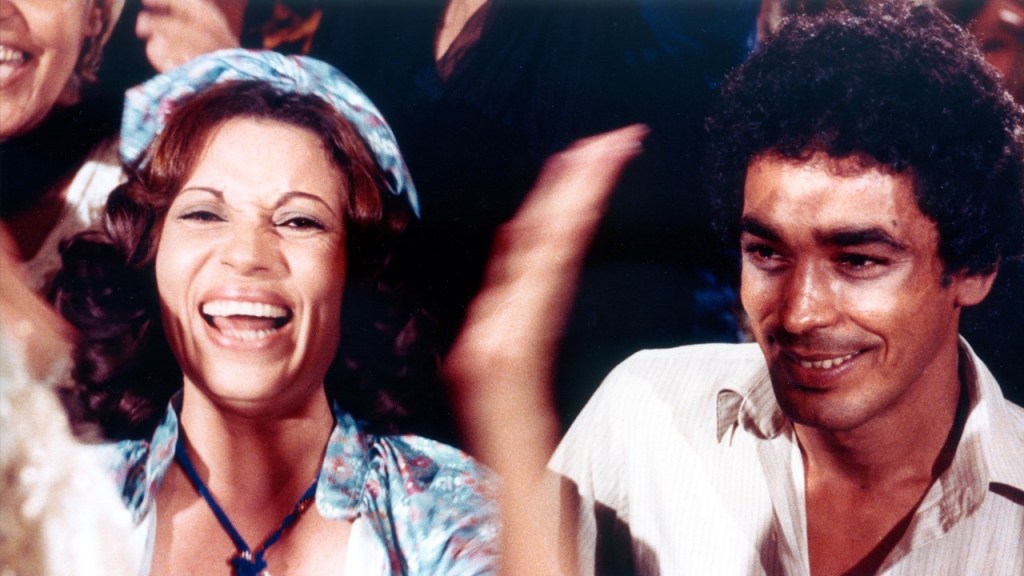
Youssef Chahine: Themes and Style
Themes:
- Cultural Identity and Nationalism: Chahine often explored the complexities of Egyptian identity and nationalism. In Alexandria… Why? he delves into the impact of World War II on Egyptian society, showcasing how external conflicts influence personal and national identities.
- Social and Political Critique: His films frequently critiqued social and political issues. The Land portrays the struggles of peasants against feudalism, highlighting the broader socio-economic challenges in Egypt.
- Personal and Collective History: Chahine’s work, like in Alexandria, New York, blends personal narratives with historical events, offering a unique perspective on significant moments in history through the lens of individual experiences.
- Religious Tolerance and Coexistence: Films like Destiny address themes of religious tolerance and coexistence, emphasising the importance of harmony among different faiths in a historically diverse region.
Styles:
- Melodramatic Elements: Chahine’s style often incorporated melodrama, using heightened emotions and dramatic situations to engage the audience deeply, as seen in Cairo Station.
- Experimental and Avant-Garde Techniques: He wasn’t afraid to experiment, often blending reality with fantasy and using non-linear storytelling, as evident in An Egyptian Story.
- Rich and Diverse Soundtracks: His films are known for their eclectic soundtracks, combining traditional Egyptian music with contemporary and international genres, creating a unique auditory experience.
- Vivid and Expressive Cinematography: Chahine’s cinematography is marked by its vividness and expressiveness, often using symbolic imagery and dynamic camera movements to convey deeper meanings, like in The Sparrow.
Directorial Signature:
- Personal Autobiographical Elements: Chahine often incorporated autobiographical elements into his films, making his work deeply personal and reflective of his own experiences, as seen in the Alexandria Trilogy.
- Strong Social and Political Commentary: A hallmark of his directorial style is the strong social and political commentary, often reflecting on contemporary issues facing Egyptian society and the wider Arab world.
- Integration of Dance and Music: Chahine frequently integrated dance and music into his narratives, using them not just as background elements but as integral parts of the storytelling, adding a rhythmic and lyrical quality to his films.
- Focus on Humanism and Empathy: His films consistently exhibit deep humanism and empathy towards his characters, regardless of their social status or background, emphasising the universal human experience.
Youssef Chahine – Great Director

 Bronze Screen Dream