
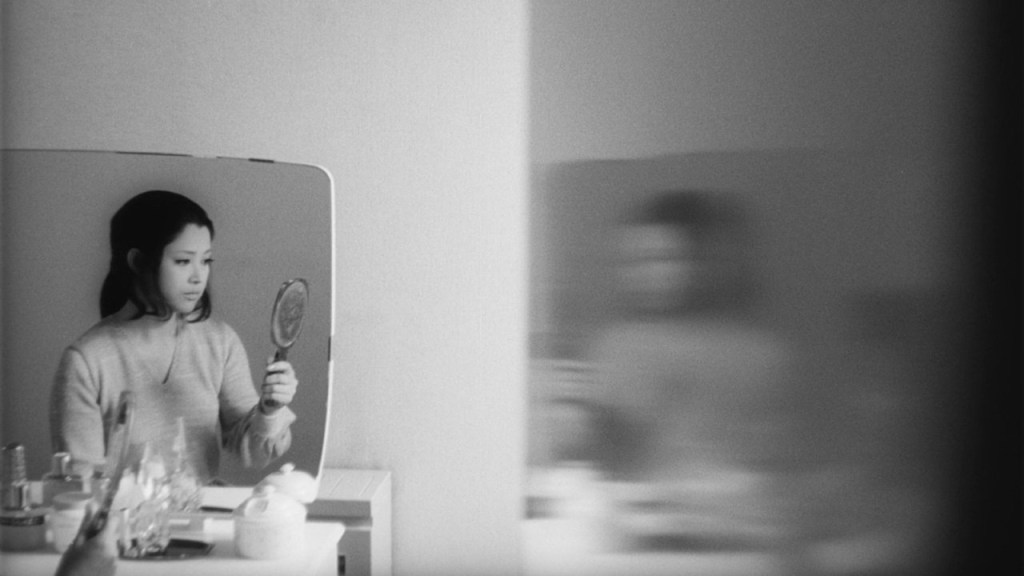
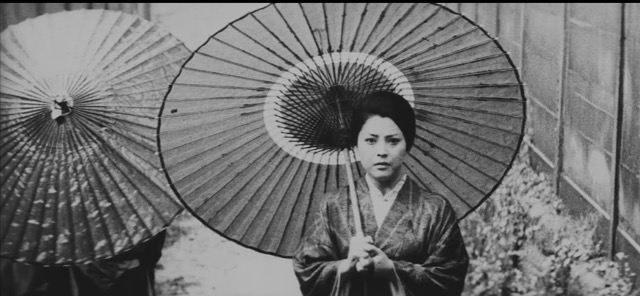
Yoshishige Yoshida, often known as Kijū Yoshida, is a Japanese filmmaker acclaimed for his association with the Japanese New Wave movement. His films, often marked by their aesthetic rigour and complex narratives, delve into the intricate dynamics of personal identity, politics, and history. Works such as Eros + Massacre and Coup d’Etat exemplify Yoshida’s skill in blending poetic visuals with thought-provoking themes, challenging conventional storytelling and filmic techniques. His exploration of existential questions and the critique of societal norms set him apart as a director unafraid to confront the status quo through his cinematic endeavours.
Yoshida’s filmmaking career took off in the 1960s when he emerged as a significant voice in the Japanese New Wave, a movement characterised by its rebellion against the classical studio system and its embrace of more radical and personal cinema. His early works quickly distinguished him as a filmmaker of intellectual and stylistic substance, unafraid to experiment with form and content. The height of Yoshida’s career is often associated with his politically charged and aesthetically innovative trilogy on Japanese radicalism, which includes Eros + Massacre, Heroic Purgatory, and Coup d’Etat.
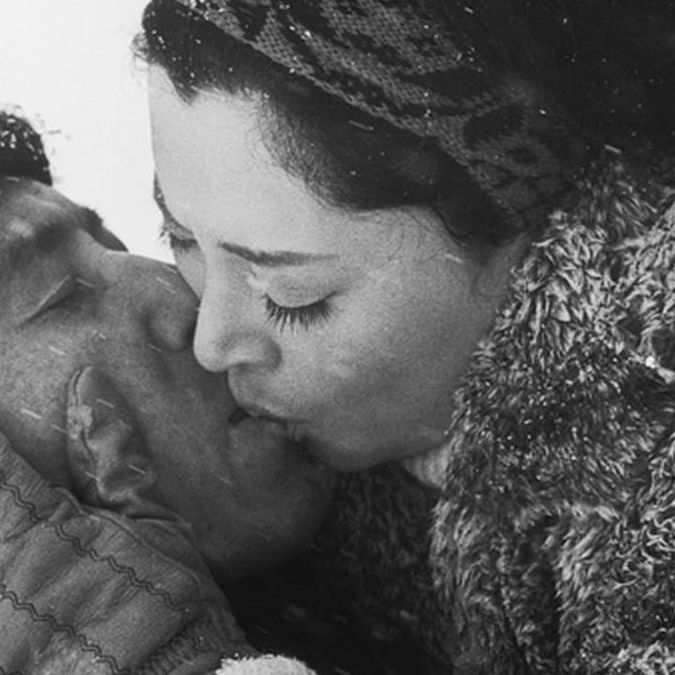
Yoshida’s films are distinct for their abstract style, frequently utilising extended long takes, fragmented narrative structures, and an interplay of shadows and light. For instance, in Affair in the Snow, the bleakness of winter and stark landscapes are not merely backdrops but act as profound metaphors for the emotional isolation of the characters. Moreover, Yoshida often delves into the historical and sociopolitical atmosphere of Japan, intertwining personal narratives with broader political issues. Eros Plus Massacre serves as a poignant example where the lives of historical anarchists intertwine with the 1960s youth, resulting in a critique of both periods.
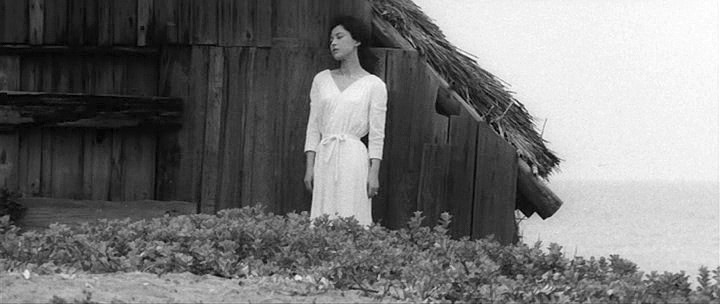
Another hallmark of Yoshida’s filmography is the subversion of gender norms and the exploration of sexuality. He presents complex female characters, often at the centre of social rebellion, challenging the conventions of their time. In Woman of the Lake, the female protagonist’s sexual liberation becomes an act of defiance against societal constraints. Similarly, the fluidity of time and the juxtaposition of past and present in his films create an almost dreamlike quality, which allows the viewer to navigate through different layers of understanding.
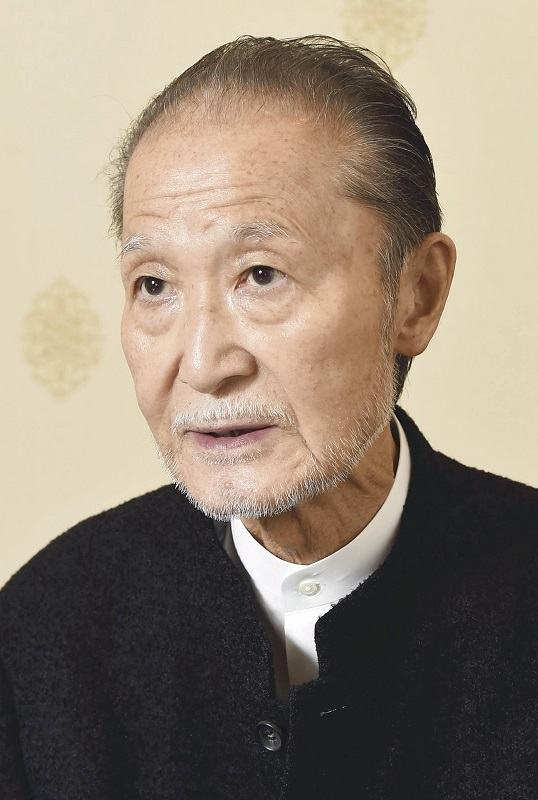
Yoshishige Yoshida (1933 – 2022)
Calculated Films:
- Woman of the Lake (1966)
- Eros + Massacre (1969)
- Heroic Purgatory (1970)
Similar Filmmakers
- Akio Jissoji
- Hiroshi Teshigahara
- Kazuo Kuroki
- Koji Wakamatsu
- Kon Ichikawa
- Masao Adachi
- Shohei Imamura
- Susumu Hani
- Toshiya Fujita
- Toshio Matsumoto
- Yasuzo Masumura
- Yoshitaro Nomura
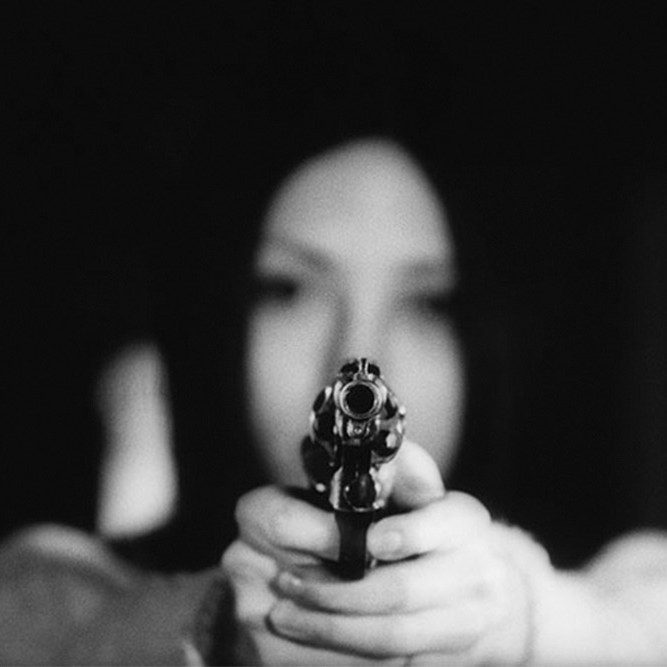
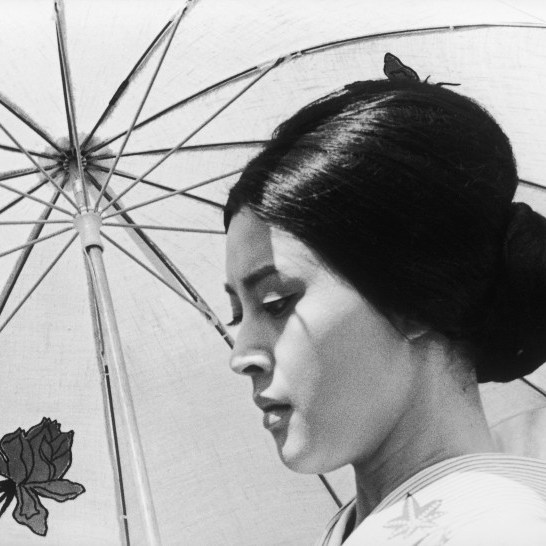
Yoshishige Yoshida’s Top 5 Films Ranked
1. Eros + Massacre (1969)
Genre: Biographical, Psychological Drama
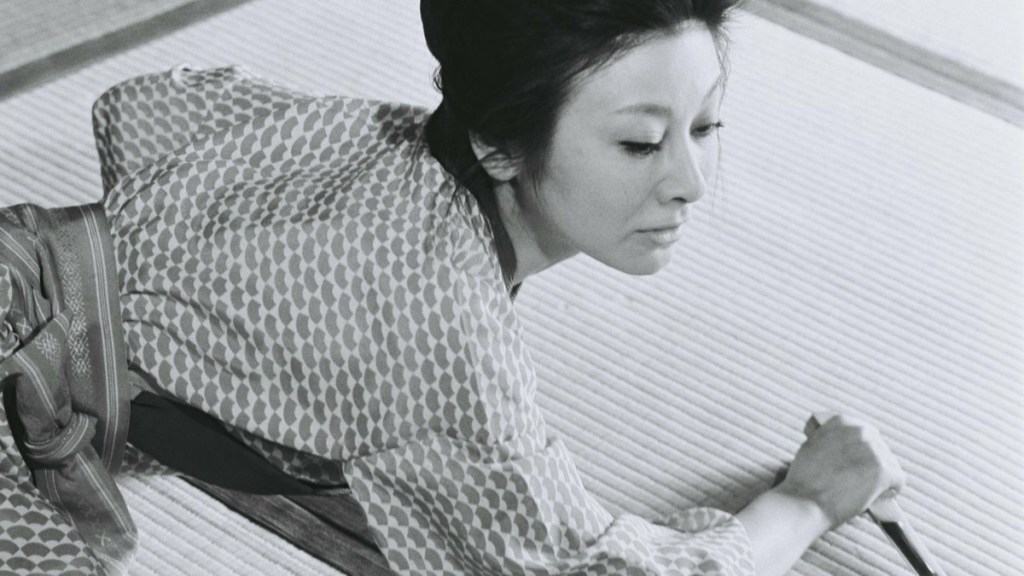
2. Woman of the Lake (1966)
Genre: Psychological Drama
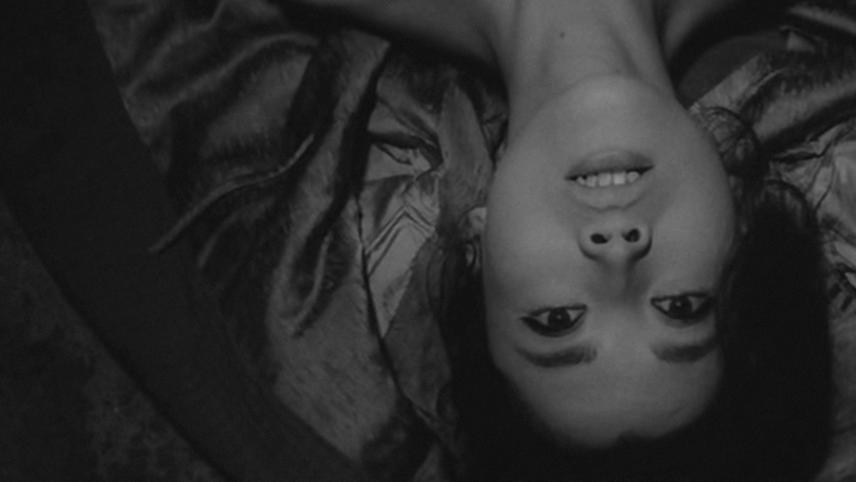
3. Heroic Purgatory (1970)
Genre: Political Drama, Psychological Drama, Surrealism
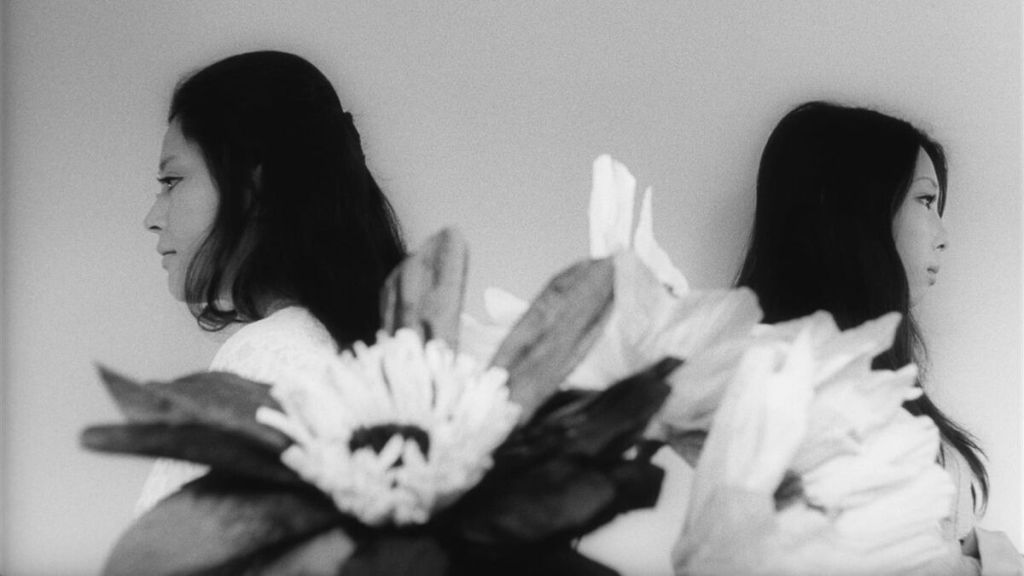
4. Story Written with Water (1965)
Genre: Drama
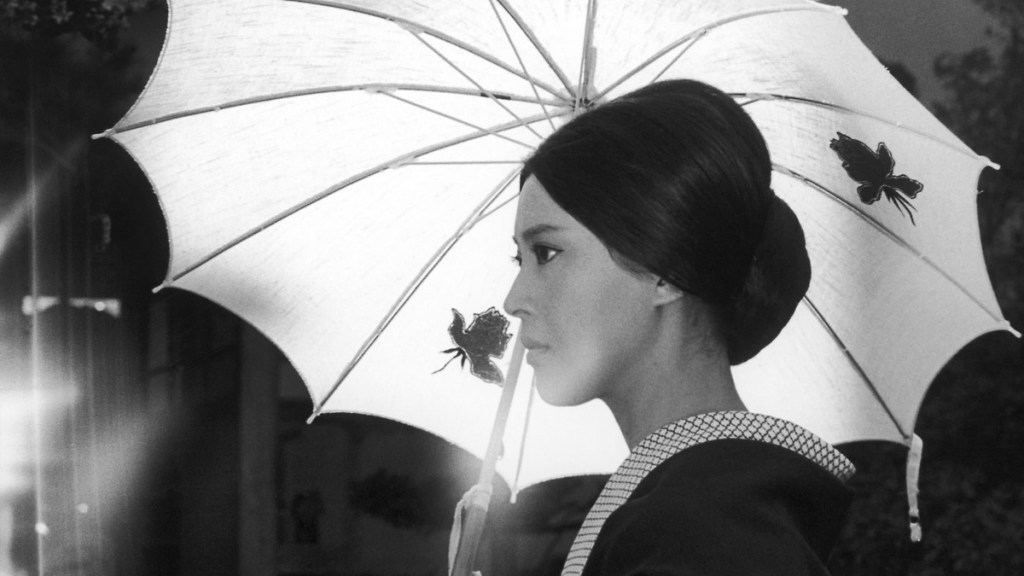
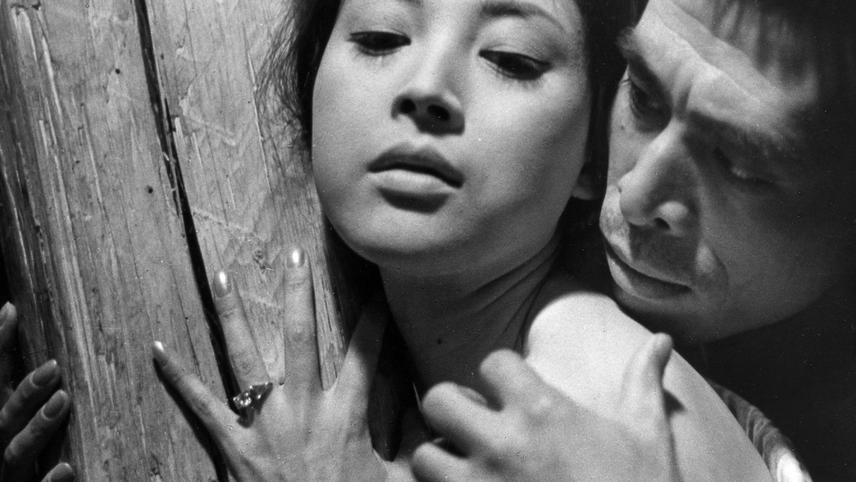
5. The Affair (1967)
Genre: Drama
Yoshishige Yoshida: Themes and Style
Themes:
- Political and Social Consciousness: Yoshida’s films often delve deep into Japan’s political and social milieu, especially during crucial historical junctures. Many of his works reflect on the nation’s post-war identity, engaging with the complexities of a society in transition and grappling with modernity and tradition.
- Personal and Collective Memory: His narratives often explore the interaction between individual recollections and collective memories, providing nuanced reflections on history and personal experiences in the context of broader societal shifts.
- Psycho-Sexual Dynamics: Yoshida frequently explores the intricate dynamics of human sexuality, desire, and the subconscious. His films navigate complex relationships, offering keen insights into the complicated dance of power, intimacy, and identity in romantic and sexual partnerships.
Styles:
- Visual Poetics: Yoshida’s films are known for their visual eloquence, where each frame can be seen as a meticulously crafted piece of art. The director’s background in painting is evident in his stunning compositions, attention to colour, and the integration of landscape and environment as active elements within the narrative.
- Narrative Ambiguity: In his storytelling approach, Yoshida often eschews linear and conventional structures, opting instead for fragmented, elliptical, or open-ended narratives that invite viewers to engage actively with the material, contemplating and interpreting the unfolding events.
- Aural Landscape: The use of sound and music in Yoshida’s films is deliberate and significant, contributing to the atmospheric and emotional dimensions of his works. His soundscapes are often sparse yet striking, providing an aural counterpoint to the visual elements on the screen.
Directorial Signature:
- Philosophical Depth: Yoshida’s films are characterised by an underlying philosophical depth, offering reflections on existential themes, human nature, and society. The director approaches his subjects with intellectual rigour and curiosity, prompting viewers to think critically about the presented ideas and themes.
- Cinematic Experimentation: Yoshida was not afraid to experiment with cinematic conventions, pushing the boundaries of what was considered standard or acceptable in film during his time. From his use of non-professional actors to his adoption of avant-garde techniques, Yoshida’s work exhibits a commitment to innovation and experimentation in cinema.
- Collaborative Creativity: While Yoshida maintained control over his creative vision, his films often resulted from collaborative processes, including working closely with his wife and frequent collaborator, Mariko Okada. This collaborative spirit enriched his movies, bringing diverse perspectives and talents to the table, which contributed to the unique aesthetic and thematic depth of his works.
Yoshishige Yoshida – Great Director
 Bronze Screen Dream